A truck night vision system can help you spot people, animals, and roadside obstacles earlier when visibility drops—but the best setup depends on how your truck is used, the weather you face, and how you’ll actually interact with the display while driving. This guide walks through the key technologies and features so you can compare options with confidence.
- What a Truck Night Vision System Actually Does
- Why Truck Owners Consider Night Vision
- How the Main Technologies Differ
- The Features That Matter Most
- Detection Range
- Display Quality
- Alerts and Object Recognition
- Weather Performance
- Integration With the Truck
- Field of View and Coverage (Practical vs. Marketing)
- What to Look For Based on How You Drive
- Installation and Fitment Considerations
- How to Judge Build Quality and Durability
- Common Mistakes Buyers Make
- Truck Night Vision vs. Other Safety Upgrades
- How to Compare Products Without Getting Lost in Marketing
- Who Benefits Most From Night Vision on a Truck
- Responsible Use Still Matters
- FAQ
- Is a truck night vision system worth it for everyday driving?
- Does night vision work in fog or rain?
- Can night vision replace headlights?
- What is better for trucks, thermal imaging or infrared?
- Do I need professional installation?
- Are alerts more useful than a live display?
- Conclusion
Table of Contents
- What a Truck Night Vision System Actually Does
- Why Truck Owners Consider Night Vision
- How the Main Technologies Differ
- The Features That Matter Most
- What to Look For Based on How You Drive
- Installation and Fitment Considerations
- How to Judge Build Quality and Durability
- Common Mistakes Buyers Make
- Truck Night Vision vs. Other Safety Upgrades
- How to Compare Products Without Getting Lost in Marketing
- Who Benefits Most From Night Vision on a Truck
- Responsible Use Still Matters
- FAQ
- Conclusion
What a Truck Night Vision System Actually Does
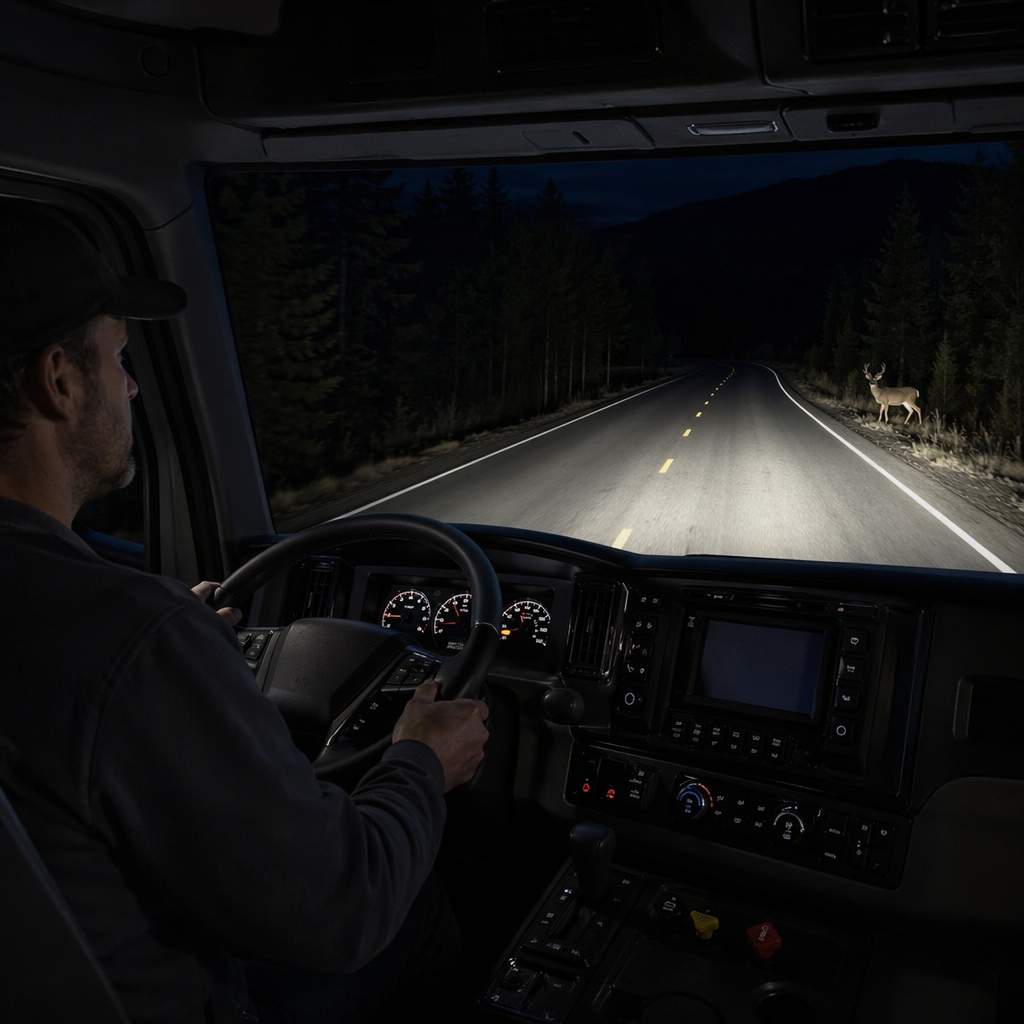
A truck night vision system is a driver-assistance tool designed to improve road awareness in darkness or poor visibility. It usually uses thermal imaging, infrared sensing, or a related camera-based approach to detect people, animals, vehicles, and obstacles that may be harder to see with headlights alone.
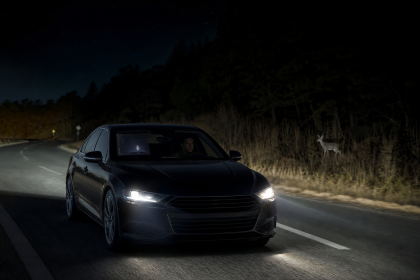
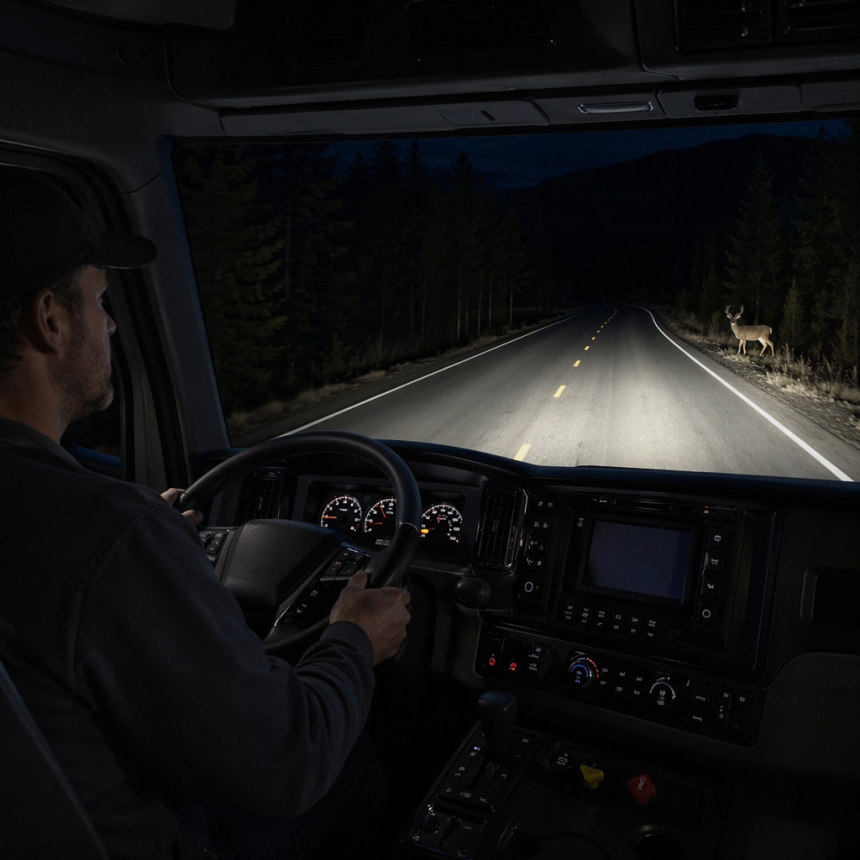
The point is not to replace headlights. It is to extend what the driver can perceive beyond the brightest part of the beam and to highlight hazards that may be hidden by darkness, glare, rain, fog, or roadside clutter.
For many truck owners, this matters most in real-world conditions such as:
- Rural roads with animals near the shoulder
- Unlit work sites or loading areas
- Highway driving after dark
- Heavy rain or mist
- Long-distance trips when fatigue makes scanning less effective
- Narrow roads with pedestrians or cyclists close to the lane
Why Truck Owners Consider Night Vision
Trucks sit high, cover ground quickly, and often travel in environments where hazards appear late. A tall driving position helps with visibility in some ways, but it does not eliminate the problem of spotting dark objects, low-profile animals, or pedestrians in time.
Night vision can be useful if you regularly deal with:
- Dark rural roads with limited street lighting
- Commercial or fleet use where the truck runs before sunrise or after sunset
- Mixed highway and backroad driving
- Towing, where braking and maneuvering distances are longer
- Seasonal weather that reduces clarity at night
- Work zones where people and equipment can appear unexpectedly
The buying guide question is not whether the technology is impressive. It is whether it fits the way you actually drive a truck night vision system.
How the Main Technologies Differ
Not all night vision systems work the same way. The most important buying decision is usually the sensing method behind the truck night vision system.
Thermal Imaging
Thermal imaging detects heat signatures rather than visible light. This is why it can be effective in darkness and in some low-visibility conditions. Warm-bodied objects such as pedestrians and animals may stand out more clearly against a cooler background.
Strengths:
- Works in darkness without relying on visible light
- Can help identify heat-emitting hazards ahead
- Useful for spotting people or animals near the road edge
Limitations:
- Does not read road signs or lane markings
- May not show fine visual detail as clearly as a standard camera
- Heat patterns can be affected by weather, surface temperatures, and surrounding conditions
Infrared Camera Systems
Infrared systems often use near-infrared illumination or image enhancement to improve low-light visibility. These can provide a clearer video-like image than thermal systems, but performance depends on the lighting environment and camera design.
Strengths:
- Can produce more recognizable video images
- Often easier to interpret for drivers used to camera views
- May integrate well with a display already used for parking or surround-view functions
Limitations:
- Can depend more heavily on lighting conditions
- Performance may drop when weather is poor or when surfaces are reflective
Hybrid and Driver-Assist Systems
Some modern solutions combine camera feeds, object detection, alerts, and display overlays. These systems may not be pure thermal imaging, but they can still improve awareness by emphasizing threats or drawing attention to a hazard on the road.
Strengths:
- Better visual context than a basic sensor alone
- Can add alerts that help the driver notice danger faster
- Easier to integrate with other safety tech
Limitations:
- More complex systems can be harder to compare
- Software quality matters as much as the hardware
The Features That Matter Most
When comparing a truck night vision system, focus on the features that affect everyday use rather than the features that sound advanced on paper.
Detection Range
Range is one of the first things buyers look at, and for good reason. A longer detection range gives the driver more time to notice an animal, pedestrian, or stopped vehicle and decide whether to slow down.
That said, range should be read carefully. A system might detect something at a distance, but that does not guarantee you will clearly identify the hazard or its direction of movement. Range helps, but usable range matters more than headline range—especially for a truck night vision system in real night driving.
Display Quality
A good system needs a display that is visible at night without being distracting. Look for:
- Clear contrast
- Fast response
- Adjustable brightness
- Easy-to-read overlays
- A placement that does not block road view
A system with excellent sensing but a poor display can be frustrating to use, especially if the image is washed out or small enough that the driver ignores it.
Alerts and Object Recognition
Some systems can identify or at least flag pedestrians, animals, vehicles, or obstacles. This can make the system easier to use because it reduces the chance of missing a small object in a busy scene.
Useful alert behavior includes:
- Early warning without constant false alarms
- Clear visual cues
- Audible alerts that are noticeable but not excessive
- Recognition that distinguishes relevant hazards from roadside clutter
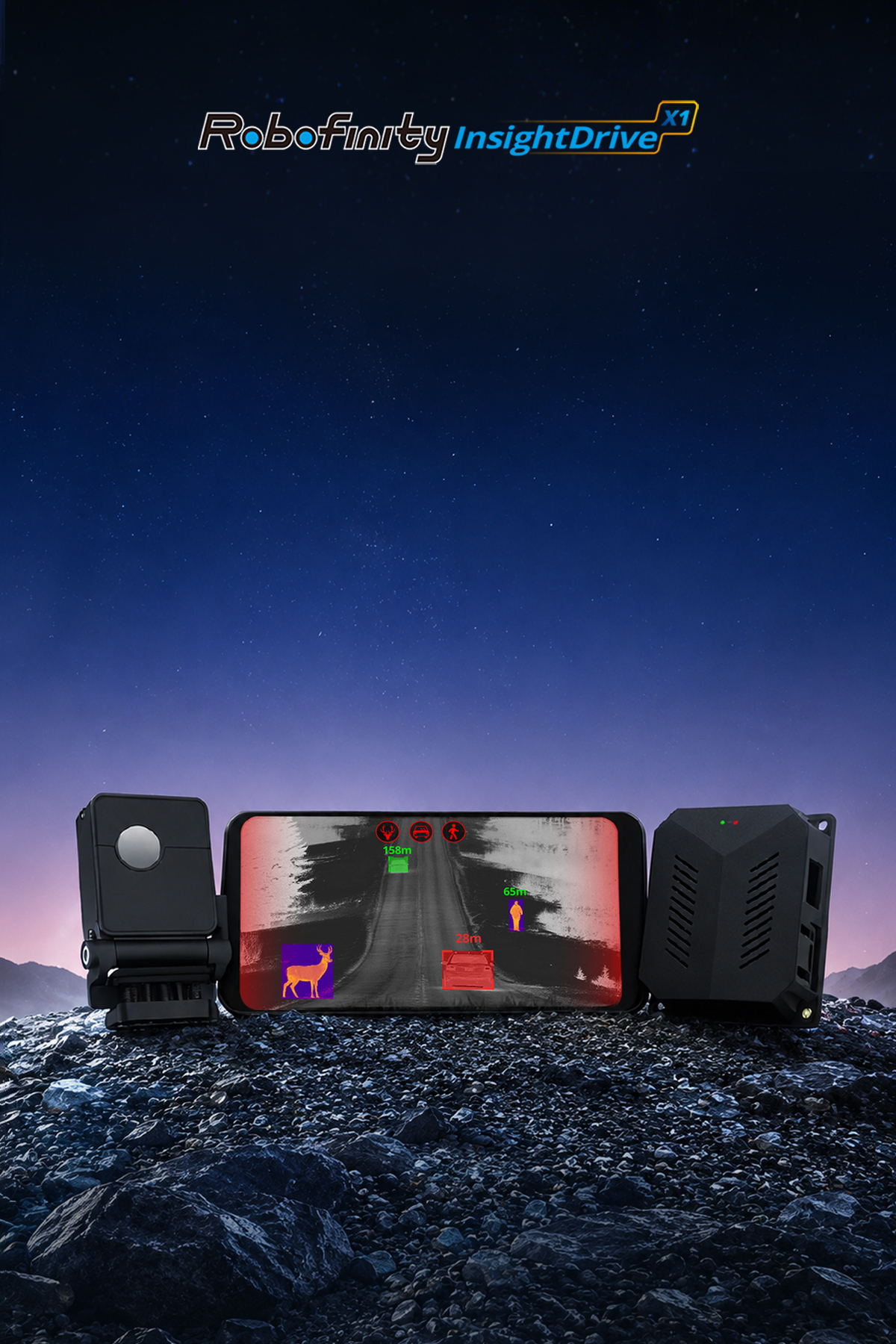
Advanced driver-assistance systems are most useful when they reduce scanning burden without becoming noisy or annoying. In that category, products such as Robofinity InsightDrive are often discussed as examples of a vehicle thermal imaging night vision system that may help improve awareness in low-light or poor-visibility driving conditions.
Weather Performance
A system that performs well on dry pavement may behave differently in fog, rain, snow, or spray. Buyers should not assume all night vision systems handle poor visibility the same way.
Ask whether the system is designed for:
- Fog
- Rain
- Snow
- Glare from oncoming headlights
- Road spray and dirty road conditions
No system is immune to bad weather. The practical question is whether performance stays useful when visibility drops while you rely on a truck night vision system.
Integration With the Truck
Where the display sits and how the system connects matters more than many buyers expect. A good system should fit naturally into the truck’s cockpit without cluttering the windshield or forcing awkward hand movements.
Consider:
- Screen placement
- Power source
- Wiring complexity
- Compatibility with factory electronics
- Whether it works with towing setups or aftermarket accessories
If the system is irritating to use, it will not become part of your actual driving routine.
Field of View and Coverage (Practical vs. Marketing)
Range is only part of the story. A truck night vision system also needs a field of view that covers what you’re likely to encounter: the lane area ahead, road edges, and areas where animals or pedestrians often step out. When reviewing specs, look for information that matches your driving reality, not just test conditions.
What to Look For Based on How You Drive
Different drivers need different features. The right choice depends on use case, not just technology level.
For Rural and Backroad Drivers
If you spend time on roads with no street lighting, thermal imaging becomes especially relevant because animals and pedestrians can appear unexpectedly outside headlight reach.
Priorities:
- Strong detection range
- Reliable animal and pedestrian warning
- Good performance in darkness
- Simple alerts that do not distract
For Highway Commuters
Highway use is more about early awareness than constant scanning. A system that helps identify stopped vehicles, debris, or pedestrians near road access points may be useful.
Priorities:
- Stable image at speed
- Fast refresh and low lag
- Clear display placement
- Minimal false alerts from guardrails or reflective surfaces
For Towing and Work Trucks
Towing reduces acceleration, braking margin, and maneuverability. A night vision system can help by giving the driver earlier notice of roadside hazards, work crews, and obstacles in loading zones—improving how you respond when you’re managing a truck night vision system alongside mirrors and trailer tracking.
Priorities:
- Strong low-light performance
- Wide enough scene coverage
- Alerts that remain understandable when towing mirrors and trailer movement already add visual complexity
For City Drivers
City use is different. Street lighting, traffic signals, storefront illumination, and more frequent movement can make some systems less essential than on rural roads. But a night vision tool may still help in areas with mixed pedestrian traffic, dark alleys, or difficult crosswalk visibility.
Priorities:
- Good pedestrian detection
- Clean object highlighting
- Fast recognition of moving hazards near the curb
Installation and Fitment Considerations
A truck night vision system is only a good buy if it is practical to install and use. Some systems are straightforward, while others require more attention to wiring, mounting, calibration, or integration with the vehicle.
Before buying, check:
- Whether the system is designed for your truck model or a universal fit
- If it needs professional installation
- How the camera or sensor is mounted
- Whether it interferes with grills, bumpers, tow equipment, or front-end accessories
- How the display is powered and where it will be placed
If you use the truck for work, downtime matters. A product that looks attractive on paper but takes too much installation effort may not be the best ownership choice.
If you want to think through fitment and safer night driving priorities for a similar setup, see Pickup truck night vision camera Upgrade Guide: What to Buy for Safer Night Driving.
How to Judge Build Quality and Durability
Night vision systems are exposed to vibration, heat, weather, and road debris. That means durability is not a minor detail.
Look for:
- Solid housing
- Weather resistance
- Secure mounting hardware
- Heat tolerance
- Reliable connectors and wiring
- A design that can handle daily use, not just occasional weekend driving
The truck environment is harsher than a sedan interior. Cheap mounting and weak enclosures are common reasons owners become disappointed later.
Common Mistakes Buyers Make
Many shoppers focus on the wrong things. The most common mistake is overvaluing one impressive specification and ignoring how the system will actually be used.
Watch out for these mistakes:
- Choosing by detection range alone
- Ignoring display placement
- Assuming all systems work equally well in rain or fog
- Buying a system that does not fit the truck’s front-end layout
- Expecting it to replace attentive driving
- Overlooking false alerts and software usability
A better buying process is to compare real use cases, not just spec sheets—and to confirm how a truck night vision system performs when visibility is worst, not when it looks best in marketing clips.
Truck Night Vision vs. Other Safety Upgrades
Night vision is one layer of protection, not a complete safety package. In many cases, a truck owner may get more overall value by combining it with other practical upgrades.
Useful companions include:
- Better headlight alignment and bulb quality
- Clean windshield and mirrors
- Lane-keeping or forward-collision alerts, if available
- Backup cameras and parking sensors
- Proper tire maintenance for wet and dark-road grip
- Regular brake checks, especially for towing use
For deeper context on broader visibility technology and safety expectations, review Car Thermal Cameras: Can They Improve Driving Safety?.
The best safety setup is the one that works together. Night vision can help with early detection, but it does not eliminate the need for standard visibility tools.
How to Compare Products Without Getting Lost in Marketing
A practical comparison should ask the same questions for every product:
- What does it detect?
- How far ahead can it detect it?
- How clear is the display at night?
- How well does it handle bad weather?
- Does it integrate cleanly with the truck?
- Are alerts useful or just loud?
- Is installation realistic for my vehicle?
- Will I actually use it every night, or only occasionally?
If a product cannot answer these questions clearly, that is a sign to keep looking.
Tip: For background on how visibility, contrast, and driver reaction time relate to safe driving at night, the NHTSA’s night driving resources are a helpful reference.
Who Benefits Most From Night Vision on a Truck
A truck night vision system makes the most sense for drivers who spend a lot of time in conditions where headlights are not enough.
It is often worth considering if you:
- Drive rural or unlit roads often
- Commute before dawn or after dark
- Tow trailers regularly
- Work in mixed-light environments
- Carry family members on long nighttime trips
- Want more awareness in low-visibility conditions without relying only on high beams
It may be less important if your driving is mostly short, well-lit urban trips with low exposure to dark roads.
Responsible Use Still Matters
Even a strong night vision system has limits. It should support the driver, not replace attention, speed management, following distance, or legal driving habits.
A few practical habits still matter every time:
- Slow down when visibility drops
- Keep headlights, windshield, and mirrors clean
- Watch the road edges, not just the display
- Leave enough stopping distance
- Treat alerts as prompts to look, not as substitutes for judgment
This is especially important in poor visibility. Thermal and camera-based systems can improve awareness, but they do not eliminate uncertainty—and that’s why a truck night vision system should be used as an aid, not a guarantee.
FAQ
Is a truck night vision system worth it for everyday driving?
It can be, especially if you drive in darkness often or spend time on rural roads. For mostly urban daytime use, the value is lower.
Does night vision work in fog or rain?
Some systems perform better than others, but no system works perfectly in every weather condition. Check how the technology handles poor visibility before buying.
Can night vision replace headlights?
No. It is a supplement to headlights, not a replacement. Headlights remain essential for seeing the road, markings, and signs.
What is better for trucks, thermal imaging or infrared?
Thermal imaging is often stronger for detecting heat signatures like people and animals, while infrared systems may provide more visually familiar images. The better choice depends on your driving environment and how your truck night vision system will be used.
Do I need professional installation?
Not always, but many truck setups are cleaner and more reliable when installed professionally, especially if the system needs wiring or integration with factory electronics.
Are alerts more useful than a live display?
For many drivers, the best systems combine both. Alerts help draw attention, while the display provides context. The ideal mix depends on how much visual information you want while driving a truck night vision system.
Conclusion
A truck night vision system makes sense when it solves a real driving problem: seeing hazards sooner in darkness, spotting movement near the road edge, and improving awareness when headlights alone are not enough. The best choice depends on your route, your weather, your towing habits, and how much you value detection range, image clarity, alerts, and easy installation.
If you shop carefully and treat the system as one part of a broader safety setup, it can be a practical upgrade for night driving and poor-visibility conditions. The right decision is usually the one that fits your truck and your roads, not the one with the loudest claims.