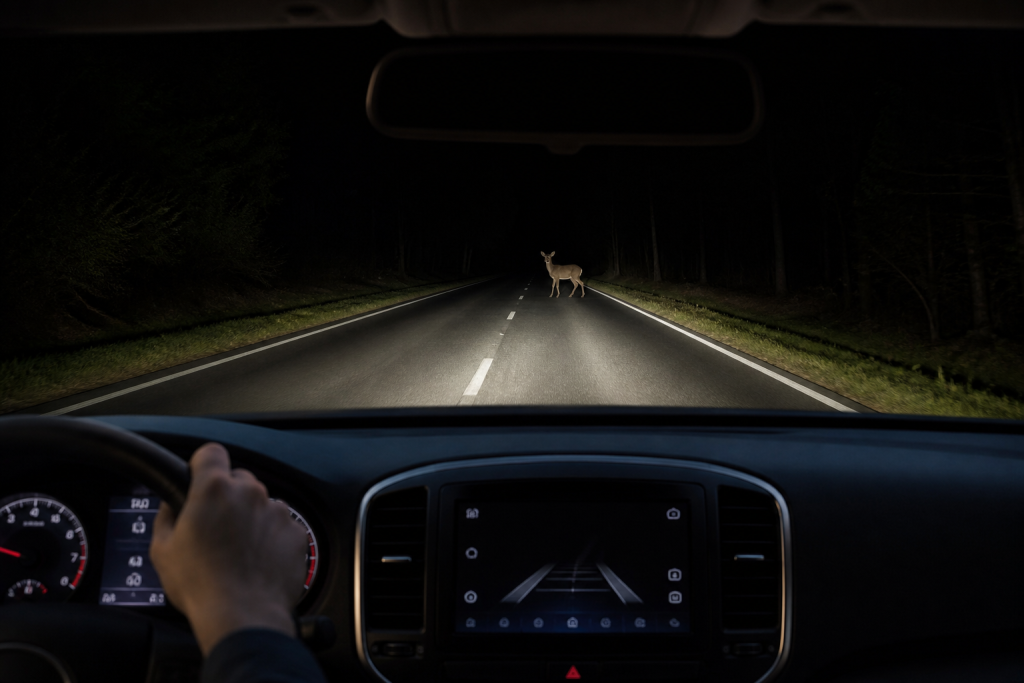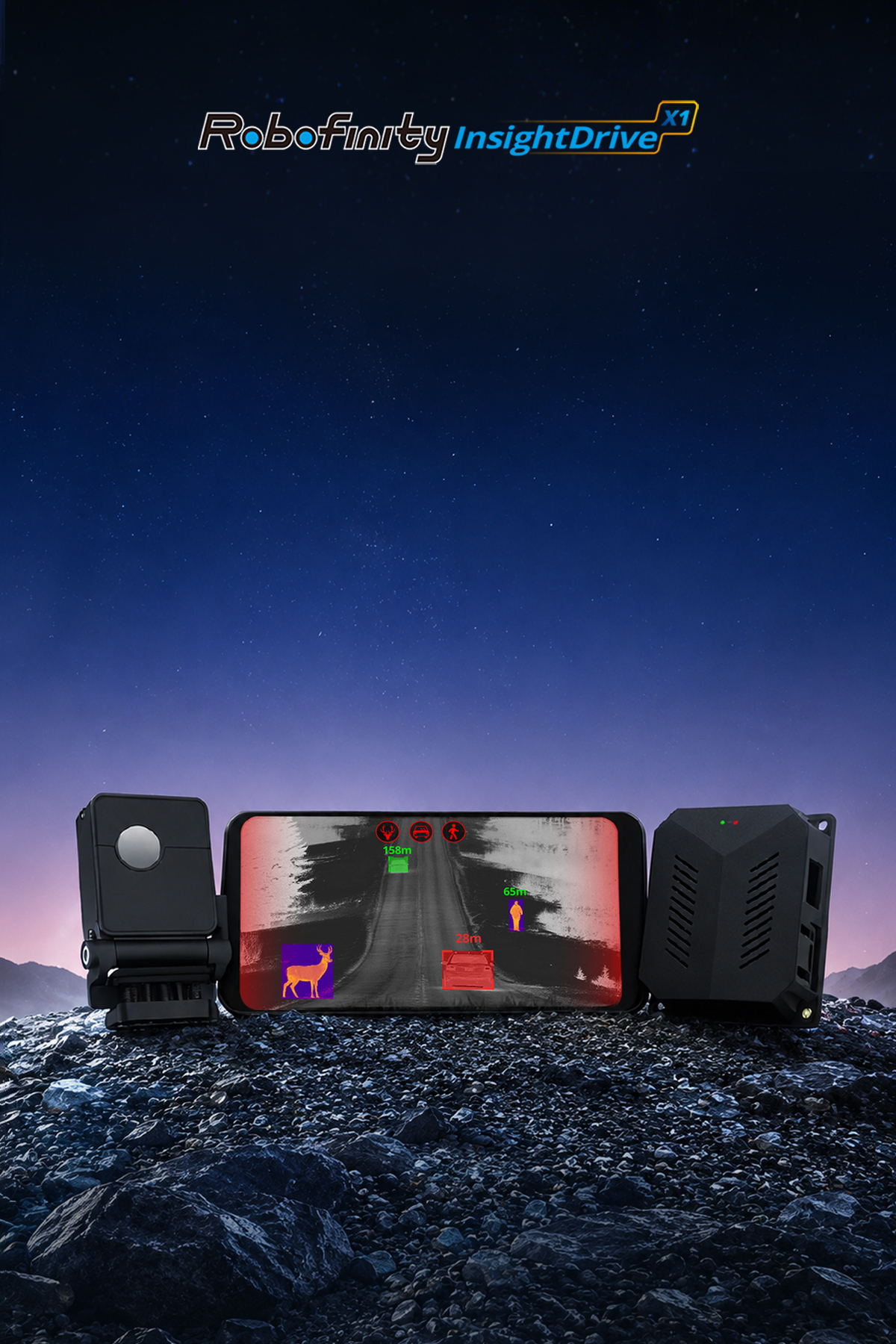
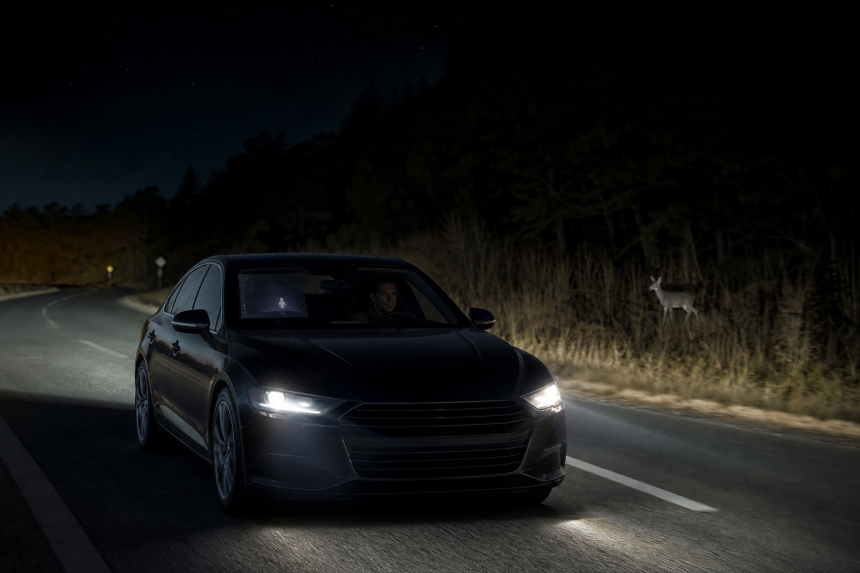
Driving after dark reduces the visual information available to a driver, especially on unlit rural roads, in headlight glare, or during poor weather. A car thermal night vision system can add another layer of road awareness by detecting heat from pedestrians, animals, vehicles, and other objects. It can be a worthwhile driver-assistance upgrade for people who regularly face these conditions, but its value depends on the system, installation, driving environment, and expectations.
The key distinction is that thermal imaging supports awareness; it does not make hazards disappear or give a vehicle autonomous collision-avoidance capability. Understanding what the technology can and cannot do is essential before deciding whether it justifies the expense.
Table of Contents