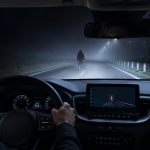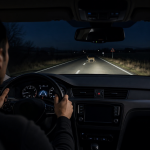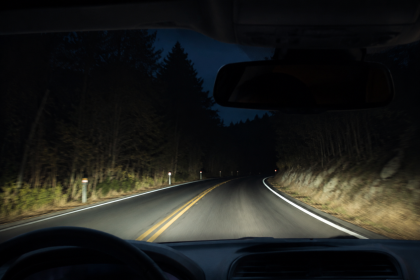
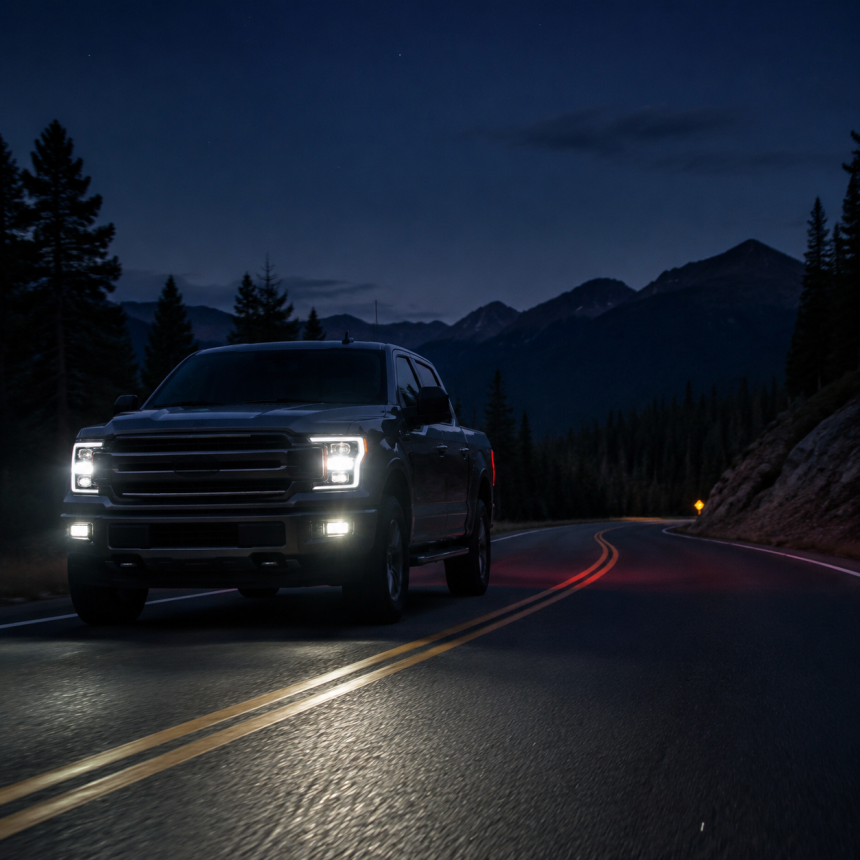
Driving after dark can be unpredictable—wildlife, low-contrast roads, glare, and weather can all make hazards harder to spot. A pickup truck night vision camera upgrade can add another layer of awareness so you can detect people, animals, and obstacles earlier than headlights alone.
- What a pickup truck night vision camera actually does
- Why pickup truck owners consider this upgrade
- Thermal imaging vs low-light camera systems
- Features that matter most in a pickup truck night vision camera
- Detection range
- Object recognition
- Screen size and clarity
- Frame rate and responsiveness
- Durability and weather resistance
- Mounting and adjustability
- Recording and alert functions
- Where the upgrade helps most on a pickup
- Rural highways
- Mountain roads and winding routes
- Commercial and fleet use
- Snow, fog, and rain
- Long-distance travel
- What a night vision camera cannot do
- How to choose the right system for your pickup
- Start with your driving pattern
- Check compatibility with your truck
- Look for practical usability
- Consider weather and seasonal use
- Balance cost with actual value
- Installation and placement tips
- Mount where the view is clear
- Make sure the display is visible without distraction
- Keep wiring neat and protected
- Test the setup in real conditions
- Common mistakes buyers make
- Buying based on resolution alone
- Ignoring mounting limitations
- Assuming all night vision is thermal imaging
- Expecting it to fix poor driving habits
- Who benefits most from this upgrade
- FAQ
- Is a night vision camera worth it on a pickup truck?
- Does a thermal camera work in complete darkness?
- Can a night vision camera help with deer and other animals?
- Is this the same as a backup camera?
- Do I still need headlights if I have a night vision camera?
- Will it help in rain or fog?
- Conclusion
- What a pickup truck night vision camera actually does
- Why pickup truck owners consider this upgrade
- Thermal imaging vs low-light camera systems
- Features that matter most in a pickup truck night vision camera
- Where the upgrade helps most on a pickup
- What a night vision camera cannot do
- How to choose the right system for your pickup
- Installation and placement tips
- Common mistakes buyers make
- Who benefits most from this upgrade
- FAQ
- Conclusion
What a pickup truck night vision camera actually does
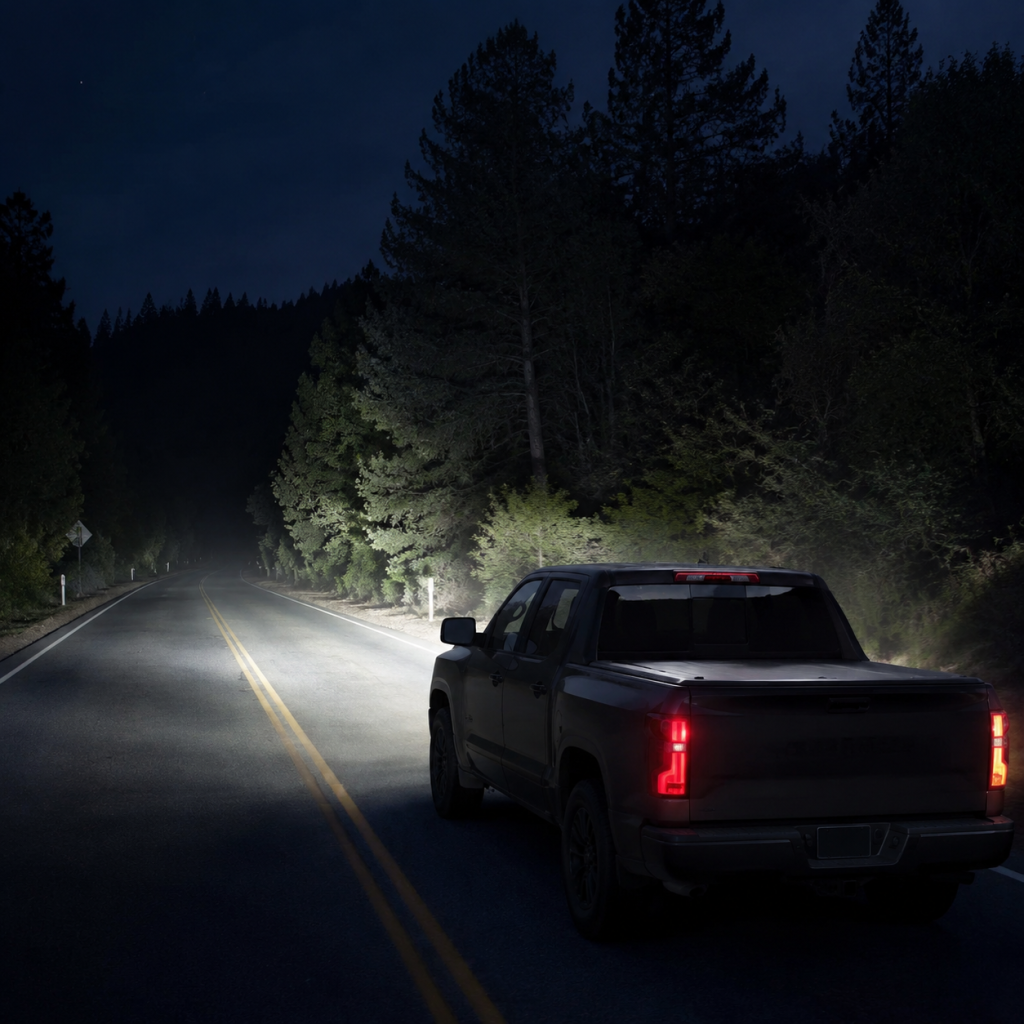
A night vision camera is designed to help drivers detect people, animals, vehicles, and obstacles that may be difficult to see with headlights alone. In pickup trucks, that matters because driving conditions are often more varied than in a commuter car.
A good system can help with:
- Rural roads with little or no street lighting
- Highway driving at night
- Early morning or late evening travel
- Fog, rain, snow, and glare-heavy conditions
- Job-site driving where lighting changes quickly
- Long-distance trips through remote areas
Most aftermarket systems use either thermal imaging or low-light camera technology. Thermal imaging detects heat signatures, which can be especially useful for identifying pedestrians and animals in the dark. Low-light cameras amplify available light, which can work well in some situations but may be more limited in complete darkness.
The important point is that the system adds awareness. It does not replace the need to slow down, scan the road, and keep a safe following distance.
Why pickup truck owners consider this upgrade
Pickup trucks often sit higher than sedans and crossovers, which can be helpful for forward visibility. But that higher seating position does not remove the blind spots, dark-road risks, or fatigue that come with night driving.
A pickup truck night vision camera upgrade may be worth considering if you regularly deal with any of the following:
Rural and remote driving
On country roads, you may not have lane lighting, reflective signage everywhere, or much shoulder space. Deer, livestock, and pedestrians can appear with little warning. A thermal imaging system can help a driver notice movement or heat signatures earlier than headlights alone.
Work and towing use
When towing a trailer or carrying a bed full of cargo, a pickup can become harder to maneuver and stop. If you are already managing more weight and longer braking distances, better forward awareness can be useful.
Weather and glare
Rain, fog, snow, and oncoming headlight glare can make even a familiar route feel less predictable. A night vision system is not magic in bad weather, but it can help reduce the strain of trying to spot hazards in low-contrast conditions.
Family or mixed-use driving
Many pickups are now family vehicles as well as work trucks. If you use your truck to commute, take road trips, or drive children and passengers after dark, upgraded visibility can be a practical safety consideration.
Thermal imaging vs low-light camera systems
Not every pickup truck night vision camera works the same way, and that difference matters when you are comparing options. For a pickup truck night vision camera, the choice usually comes down to how much detail you need versus how dark your roads actually are.
Thermal imaging systems
Thermal cameras read heat, not visible light. That means they can often detect living beings and warm objects even when the road is very dark. For pickup owners who drive on unlit roads or in poor weather, this is often the more useful approach.
Strengths:
- Works in darkness
- Can help detect pedestrians and animals
- Less dependent on streetlights or headlights
- Useful in fog, rain, or snow where contrast is poor
Limitations:
- May not show road markings as clearly as a normal camera
- Can be less useful for identifying fine visual details
- Performance depends on the environment and object temperature
Low-light camera systems
Low-light systems amplify available light. They can provide a clearer image in some nighttime conditions, especially when there is at least some ambient light.
Strengths:
- Can show more scene detail than thermal imaging in certain conditions
- Familiar for drivers used to standard camera displays
- Often less expensive than advanced thermal systems
Limitations:
- More dependent on available light
- Can struggle in true darkness
- Glare from headlights or reflective surfaces can reduce clarity
For many pickup truck owners, thermal imaging is often the more practical option if the goal is hazard awareness rather than just a better-looking camera feed.
Features that matter most in a pickup truck night vision camera
Resolution helps, but it is only one part of the story. The best pickup truck night vision camera is the one that is usable in the conditions you actually face.
Detection range
Detection range matters because the value is partly about how early it can show a hazard. If you drive fast roads, tow at highway speeds, or travel rural routes, a longer detection range is often more useful than a short one.
Object recognition
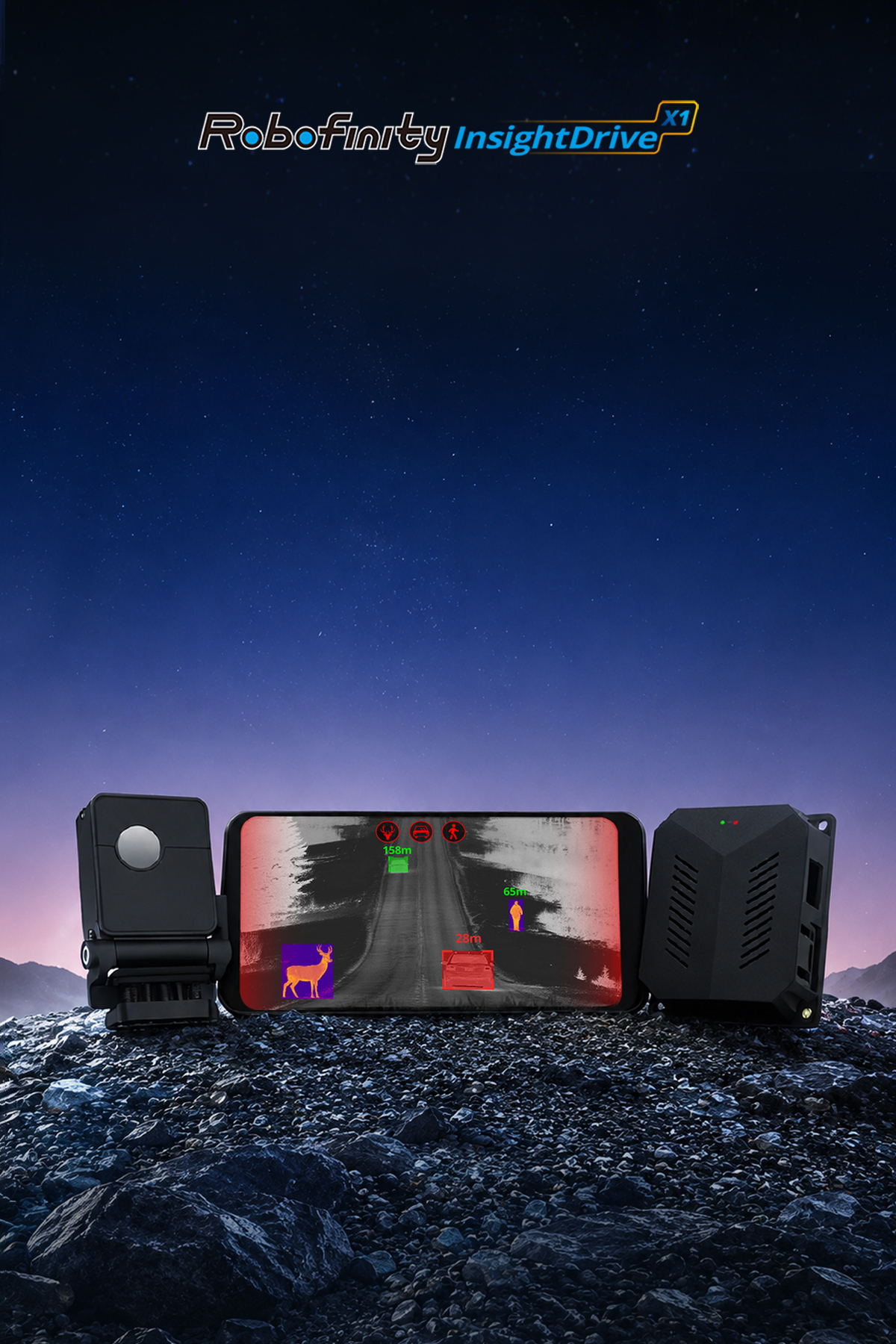
Some systems can distinguish between pedestrians, animals, vehicles, and obstacles. That can reduce confusion when the display shows a heat source ahead. For example, a small heat signature on the shoulder may matter more if the pickup truck night vision camera identifies it as a pedestrian or animal rather than an unidentified shape.
Screen size and clarity
A display that is too small or too difficult to read will not be very helpful on a truck dash. Look for a screen that is readable without pulling attention away from the road for too long.
Frame rate and responsiveness
A smoother image can help the driver interpret movement more naturally. If the display lags, it can reduce trust in the system. In night driving, responsiveness matters as much as visual detail.
Durability and weather resistance
Pickup trucks often see dirt, moisture, vibration, and temperature swings. A camera mounted on the exterior should be built for harsh use, especially if the truck spends time on job sites, gravel roads, or in winter weather.
Mounting and adjustability
Truck front ends vary widely, especially between stock bumpers, aftermarket grilles, and off-road accessories. The camera needs to be mounted where it can see clearly without being blocked by accessories, mud, or recovery gear.
Recording and alert functions
Some systems offer real-time alerts or video recording. Recording can help review road events or check how the system performs in different conditions. Alerts may help keep you from missing a hazard, but they should be tuned carefully so they do not become distracting.
Where the upgrade helps most on a pickup
A night vision system can be especially helpful in certain driving situations, but not equally helpful in every one. In practice, a pickup truck night vision camera tends to deliver the most value where darkness and unpredictability overlap.
Rural highways
Wildlife, unlit intersections, and long stretches of dark road can create situations where headlights do not reveal hazards soon enough.
Mountain roads and winding routes
Curves can hide animals, stalled vehicles, or pedestrians until the last moment. A thermal or night vision camera adds forward awareness.
Commercial and fleet use
If the pickup is used for work, especially in early-morning or late-night operations, upgraded forward awareness can support safer movement around job sites, unlit loading zones, and roadside stops.
Snow, fog, and rain
These conditions can make even a large pickup feel less visible than expected. A night vision camera is not a cure for poor weather, but it may provide a clearer forward picture than the human eye alone.
Long-distance travel
Drivers who spend hours on highways after dark can benefit from reduced eye strain and earlier hazard detection, especially if routes include areas with little street lighting.
What a night vision camera cannot do
Realistic expectations are crucial. A pickup truck night vision camera upgrade can support awareness, but it cannot solve every visibility problem.
It does not:
- Replace headlights
- Replace mirrors
- Replace safe following distance
- Shorten braking distance
- Guarantee that every pedestrian or animal will be seen in time
- Override bad weather, road design, or driver fatigue
- Replace the driver’s responsibility to scan the road
If you rely on the camera too much, you may actually create more risk. The safest approach is to use the system as one more source of information, not the only one.
For drivers who want an example of this kind of technology, Robofinity InsightDrive is a vehicle thermal imaging system designed to support awareness of pedestrians, animals, vehicles, and obstacles in low-light conditions. It is best understood as an added driver-assistance tool, not a substitute for attentive driving.
For general safety guidance on night driving, review the National Highway Traffic Safety Administration’s recommendations on driving at night: Driving at night safety tips (NHTSA).
How to choose the right system for your pickup
Buying a pickup truck night vision camera upgrade is easier when you focus on your actual use case instead of specs alone. Before you pick a pickup truck night vision camera, think through how and where you drive.
Start with your driving pattern
Ask where you drive most often:
- City streets with occasional dark roads
- Rural highways and farm roads
- Snowy or fog-prone routes
- Job sites and commercial driving
- Towing and long-distance travel
A commuter who mostly drives in a lit suburb has different needs from someone who regularly drives in the countryside after sunset.
Check compatibility with your truck
Not every camera fits every grille, bumper, or cab layout. Think about:
- Camera mounting space
- Display placement
- Power supply options
- Whether you want a hardwired or simpler installation
- How the system interacts with aftermarket bumpers or accessories
Look for practical usability
Good hardware means little if the interface is confusing. A camera system should be easy to read at a glance, with controls that make sense while driving.
Consider weather and seasonal use
If you live where winter roads bring slush, salt, and freezing temperatures, or where heavy rain is common, durability becomes a major factor. A pickup truck night vision camera that performs well in ideal weather but struggles with moisture or vibration may not be a good long-term choice.
Balance cost with actual value
It is easy to get distracted by premium features that sound impressive but do not help much in daily use. Focus on what improves visibility and confidence on the roads you actually drive.
If you want a step-by-step way to compare options, see How to Choose the Right Car Night Vision Camera.
Installation and placement tips
Installation affects performance more than many buyers expect. Even a capable camera can underperform if mounted poorly. That is especially true for a pickup truck night vision camera that has to work around grilles, bumpers, and accessories.
Mount where the view is clear
The camera should have a clean line of sight ahead. Avoid spots that are frequently blocked by:
- A winch
- Brush guards
- Custom bumpers
- License plate frames
- Road spray and mud accumulation
Make sure the display is visible without distraction
The screen should be positioned so you can glance at it quickly. It should not force you to take eyes far from the road.
Keep wiring neat and protected
Pickup trucks often see rough use, so wiring should be secured away from heat, sharp edges, and moving parts. Poor installation can lead to intermittent problems later.
Test the setup in real conditions
A setup that looks fine in a driveway may not work as well on a dark rural road at speed. Check at night, in rain if possible, and at different speeds to make sure it is usable.
Common mistakes buyers make
A lot of disappointment comes from expecting the wrong thing from the technology.
Buying based on resolution alone
A sharp image is useful, but it does not matter if the pickup truck night vision camera cannot detect hazards early or show them clearly in the conditions you face.
Ignoring mounting limitations
A truck’s front end is not as simple as a sedan’s. Bumpers, grilles, skid plates, and accessories can all affect the view of a pickup truck night vision camera.
Assuming all night vision is thermal imaging
Some products use that language loosely. Make sure you understand whether the system is low-light, thermal, or a mix of both.
Expecting it to fix poor driving habits
No pickup truck night vision camera upgrade can compensate for speed that is too high for the conditions, distraction, drowsiness, or aggressive following distance.
Who benefits most from this upgrade
A pickup truck night vision camera upgrade is most useful for drivers who spend a lot of time in low-light or unpredictable conditions.
It tends to make the most sense for:
- Rural drivers
- Night commuters
- Towing and hauling owners
- Fleet and work truck operators
- Drivers in regions with heavy fog, rain, snow, or wildlife crossings
- Pickup owners who want an added layer of road awareness
It may be less necessary for drivers who mostly stay in well-lit urban areas and rarely drive after dark.
FAQ
Is a night vision camera worth it on a pickup truck?
It can be worth it if you regularly drive at night, on rural roads, or in poor visibility. If your truck stays mostly in lit urban areas, the value may be lower.
Does a thermal camera work in complete darkness?
Yes—thermal imaging can still detect heat signatures in darkness. However, it still has limits and should not be treated as a substitute for careful driving.
Can a night vision camera help with deer and other animals?
It can help improve early awareness of animals on or near the road, especially on rural routes. It does not guarantee that every animal will be visible in time.
Is this the same as a backup camera?
No. A backup camera helps when reversing. A night vision camera is aimed at forward visibility in low-light or poor-visibility conditions.
Do I still need headlights if I have a night vision camera?
Yes. Headlights are still essential, along with mirrors, safe speed, and attentive driving. The camera is an added awareness tool, not a replacement.
Will it help in rain or fog?
It may help in some cases, especially with thermal imaging, but performance depends on the system and the severity of the weather. It should be viewed as supportive technology, not a complete solution.
Conclusion
A pickup truck night vision camera upgrade makes the most sense for drivers who regularly face darkness, wildlife, poor weather, or long stretches of unlit road. The right system can improve awareness and give you more time to notice hazards, but it should be chosen carefully and used with realistic expectations.
The best approach is to match the technology to your driving environment, prioritize usability and durability, and remember that camera-based awareness works best when paired with safe speed, good judgment, and proper vehicle maintenance. If your truck sees a lot of night driving, it may be worth exploring options that add practical visibility without turning the cab into a complicated gadget setup.
Related reading: Thermal cameras detect animals: Can at Night? How Heat-Sensing Imaging Helps.