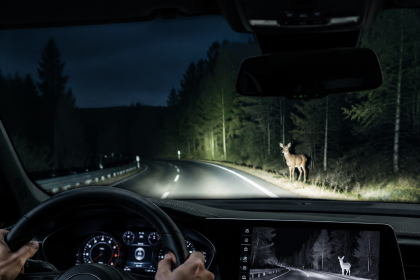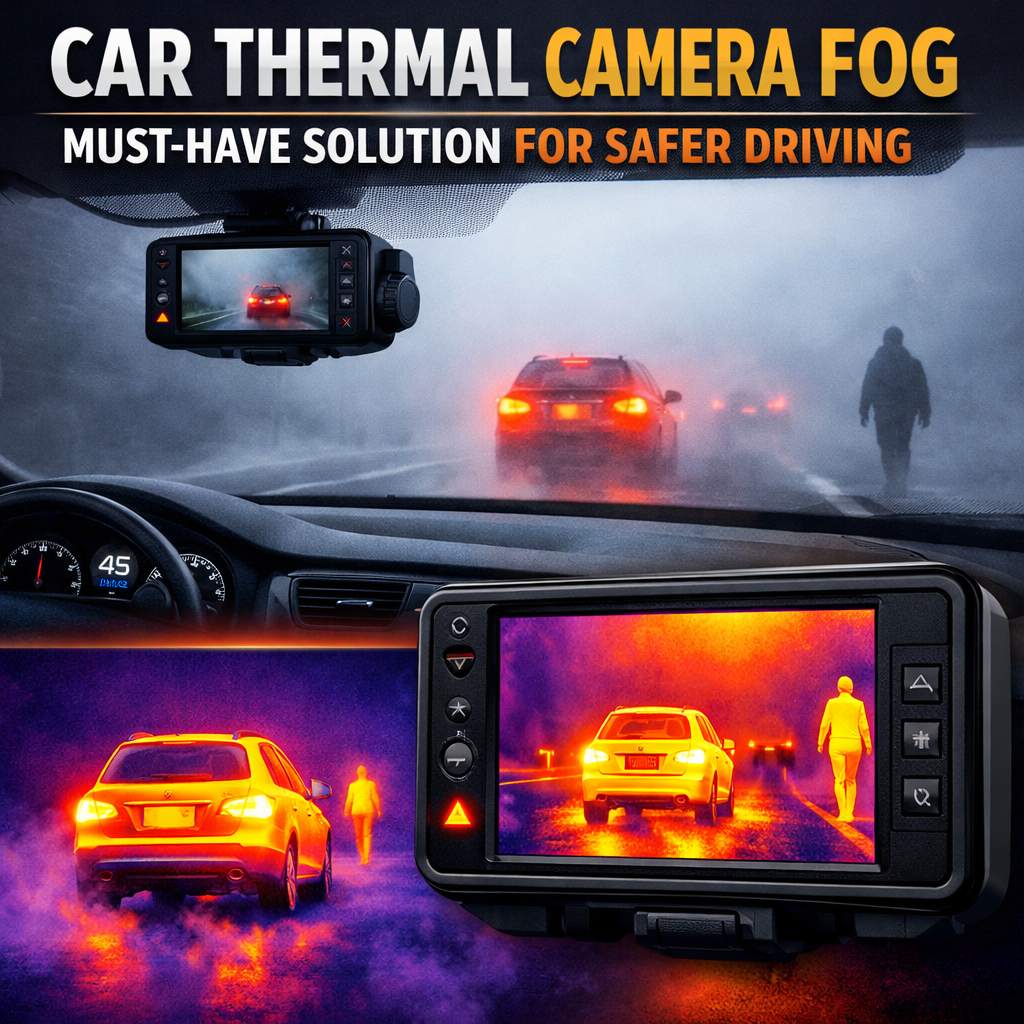
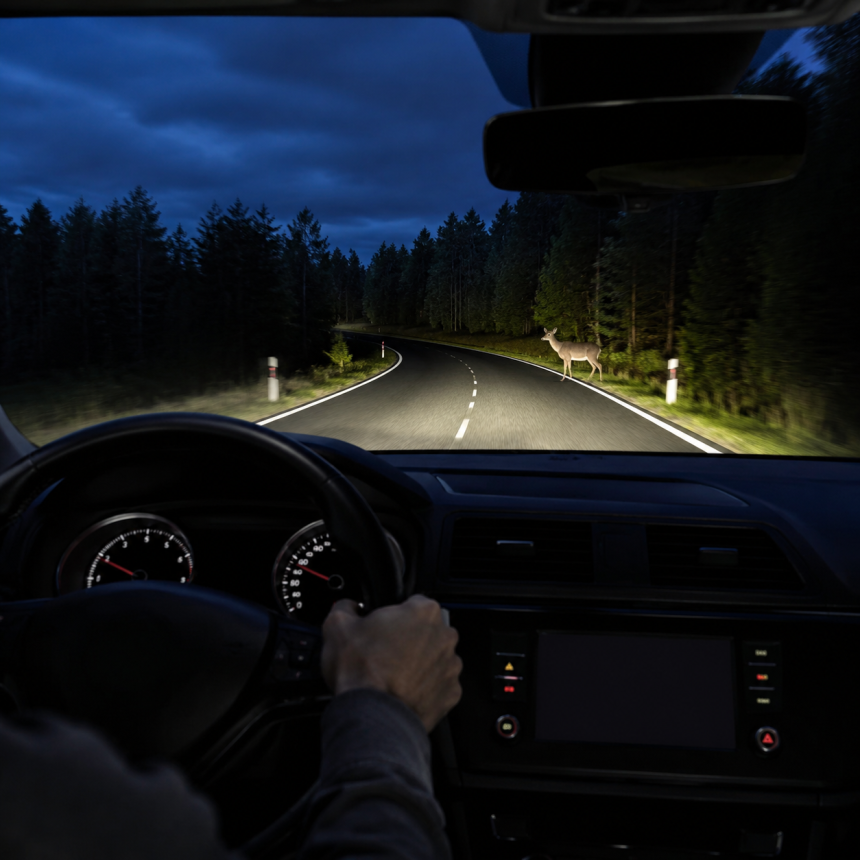
Car Thermal Cameras can improve driving safety in the right conditions by helping drivers notice people, animals, vehicles, and other road hazards earlier than they might with visible light alone. That does not make them a substitute for headlights, mirrors, braking distance, or attention, but it does make them a meaningful driver-assistance tool for night driving and poor-visibility situations.
- What a Car Thermal Camera Actually Does
- Where Thermal Cameras Can Help Most
- Night Driving on Rural Roads
- Highway Driving in the Dark
- Rain, Fog, and Snow
- Glare and Headlight Washout
- Where Thermal Cameras Do Not Help Much
- Who May Benefit Most From One
- Drivers on Rural or Remote Roads
- Commuters Who Drive After Dark
- Families and Long-Distance Drivers
- Drivers Concerned About Pedestrians and Animals
- What to Look For in a Thermal Camera System
- Detection Performance
- Display Quality and Readability
- Response Time and Alerts
- Weather Resistance and Build Quality
- Installation and Everyday Use
- Thermal Cameras vs Standard Safety Features
- A Practical Way to Decide Whether It Is Worth It
- Common Misunderstandings About Car Thermal Cameras
- Misunderstanding 1: They See Everything
- Misunderstanding 2: They Make Night Driving Easy
- Misunderstanding 3: They Are Only for Luxury Cars
- FAQ
- Do car thermal cameras improve driving safety?
- Are thermal cameras better than regular headlights?
- Can thermal cameras replace driver attention?
- Are car thermal cameras useful in bad weather?
- Who benefits most from thermal imaging in a car?
- Do thermal cameras detect all road hazards?
- Conclusion
The best way to think about car thermal cameras is as a support system. They are most useful when the eye has trouble seeing clearly: darkness, glare, fog, rain, snow, or unlit rural roads. They are less useful in situations where the hazard is not giving off much heat or where a driver is already moving slowly enough to see and react normally. That balance matters, because the value of car thermal cameras depends on where and how you drive.
Table of Contents
- What a Car Thermal Camera Actually Does
- Where Thermal Cameras Can Help Most
- Where Thermal Cameras Do Not Help Much
- Who May Benefit Most From One
- What to Look For in a Thermal Camera System
- Thermal Cameras vs Standard Safety Features
- A Practical Way to Decide Whether It Is Worth It
- Common Misunderstandings About Car Thermal Cameras
- FAQ
- Conclusion
What a Car Thermal Camera Actually Does
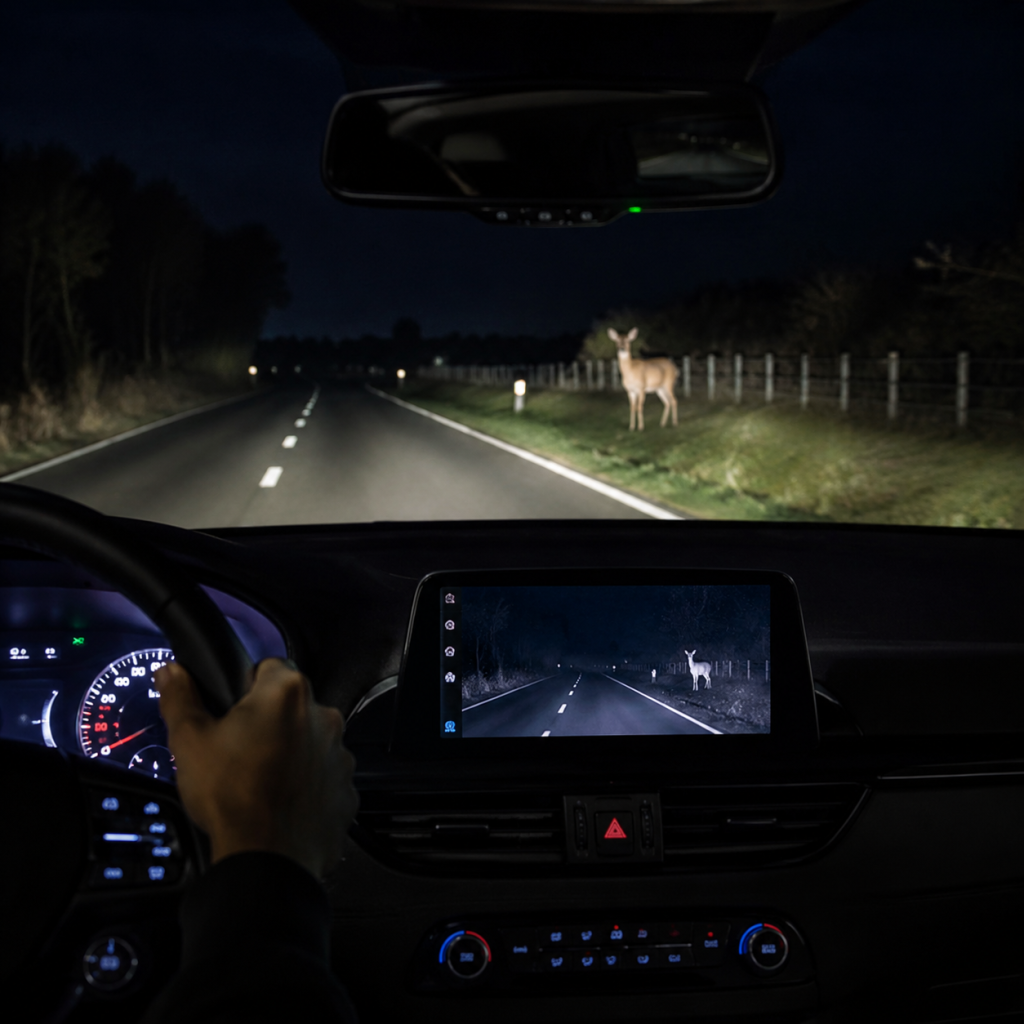
A car thermal camera detects heat instead of relying on visible light. Warm objects such as people, animals, engines, and recently driven vehicles can stand out more clearly than they would in a standard headlight beam. That is why thermal imaging is often discussed alongside night vision and advanced driver-assistance technology. For a deeper look at the concept, see this guide to choosing a thermal imaging camera for car safety.
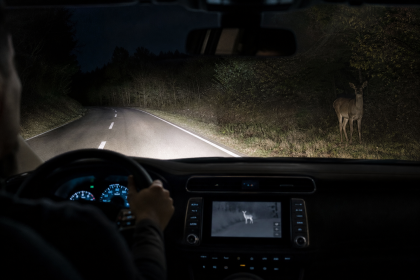
Unlike a regular camera, a thermal system is not trying to create a bright picture of the road. It is trying to show heat contrast. That can make a pedestrian on the shoulder, a deer near tree line, or a stalled vehicle ahead easier to notice in the dark. The practical goal is not perfect visibility. It is earlier awareness.
Thermal imaging is especially relevant for drivers who regularly face:
- Dark rural roads
- Poorly lit highways
- Mountain roads
- Foggy or rainy conditions
- Snow and glare-heavy winter driving
- Long-distance night trips
In those environments, car thermal cameras can complement normal driving habits by giving the driver another layer of awareness.
Where Thermal Cameras Can Help Most
Car Thermal Cameras are not equally helpful in every scenario. Their strongest value is in low-light and low-visibility driving, especially when hazards are hard to see with standard headlights.
Night Driving on Rural Roads
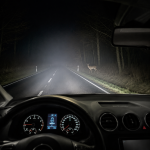
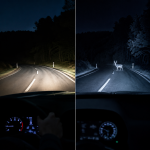
This is one of the clearest use cases. Rural roads often have fewer streetlights, wider shoulders, and more unexpected crossings by people or animals. A car thermal camera can help highlight movement or heat signatures before a driver would naturally notice them with a glance.
That earlier notice may matter because rural hazards often appear quickly: a pedestrian walking without reflective clothing, a deer stepping out of brush, or a parked vehicle without strong lighting. A thermal system does not remove the need to slow down, but it can improve road awareness.
Highway Driving in the Dark
On highways, the challenge is different. Drivers may already be traveling at higher speeds, so time to react is limited. A car thermal camera can be useful for spotting a person on the roadway, a vehicle that is stopped ahead, or debris that has not become visible yet.
The benefit here is more about extending the driver’s awareness zone. Instead of waiting for a hazard to appear in the beam of the headlights, the camera may make it noticeable sooner. That extra margin can be helpful, but it only matters if the driver reacts appropriately.
Rain, Fog, and Snow
Poor weather complicates everything. Headlights can reflect off moisture or snow, making standard visibility worse. Thermal imaging can sometimes remain useful where visible-light cameras struggle because it is based on heat contrast rather than brightness.
That said, weather is also where limitations become important. Heavy precipitation, road spray, and dirty lenses can still interfere with the system. Car thermal cameras are not magic in bad weather. They are one more tool that may work better than the naked eye alone in some conditions.
Glare and Headlight Washout
Headlight glare from oncoming traffic or bright reflective surfaces can make it harder to pick out what is ahead. Thermal imaging may help reduce that problem because it does not depend on visible-light detail in the same way. It can make people or animals stand out more distinctly even when the road scene itself looks washed out.
This is one of the main reasons thermal systems are often treated as a visibility aid rather than a luxury feature. They address a real weakness in human night driving: the eye is not very good at seeing heat in a dark environment, while a thermal camera is built for exactly that.
Where Thermal Cameras Do Not Help Much
A useful safety feature is also a realistic one. Car thermal cameras have clear limits, and knowing them matters just as much as knowing their strengths.
They Do Not Replace Safe Driving
A thermal camera does not change stopping distance. It does not improve traction. It does not replace a safe following gap. It does not override traffic laws. And it does not remove the need for drivers to stay alert.
If a driver uses car thermal cameras as a reason to drive faster at night or to pay less attention, the system stops being helpful. Driver-assistance technology works best when it supports good habits rather than replacing them.
Not Every Hazard Shows Up Clearly
Thermal imaging is strongest with heat-emitting objects. That means some hazards may be less visible than others. A road sign, a pothole, a tire fragment, or a cold object may not stand out the way a person or animal does. That is an important limitation for anyone expecting the system to show everything ahead.
Distance and Angle Still Matter
A car thermal camera can only help if the hazard is in the field of view and within a practical detection range. Even a capable system cannot show what is hidden by a curve, a crest, or a truck blocking the lane. It also cannot predict what a pedestrian or animal will do next.
For that reason, thermal cameras should be treated as awareness tools, not decision-making tools. The driver still has to interpret the road and respond.
Who May Benefit Most From One
Car Thermal Cameras are not necessary for everyone, but they make more sense for some drivers than others.
Drivers on Rural or Remote Roads
Drivers who regularly travel on dark roads with little lighting may benefit the most. These are the settings where pedestrians, animals, and unexpected obstacles can be hardest to see in time. For many of these drivers, a vehicle upgrade like an automotive thermal night vision system can add useful awareness without changing normal driving habits.
Commuters Who Drive After Dark
Anyone with a long nighttime commute may find thermal imaging useful, especially in fall and winter when darkness comes early and weather changes quickly. In those conditions, even a small visibility improvement can be valuable.
Families and Long-Distance Drivers
Parents who drive children late at night, frequent road-trippers, and drivers who cover long distances may appreciate the added awareness. The value is not that the camera makes the car safer on its own, but that it can support attention during tiring drives where reaction time may already be under pressure.
Drivers Concerned About Pedestrians and Animals
In areas where wildlife crossings are common or where pedestrians may walk near the road without strong lighting, thermal imaging can be particularly useful. It is one of the few technologies designed specifically to make heat-based hazards easier to notice. If you want a broader buying perspective, the automotive thermal night vision buying guide can help you compare options.
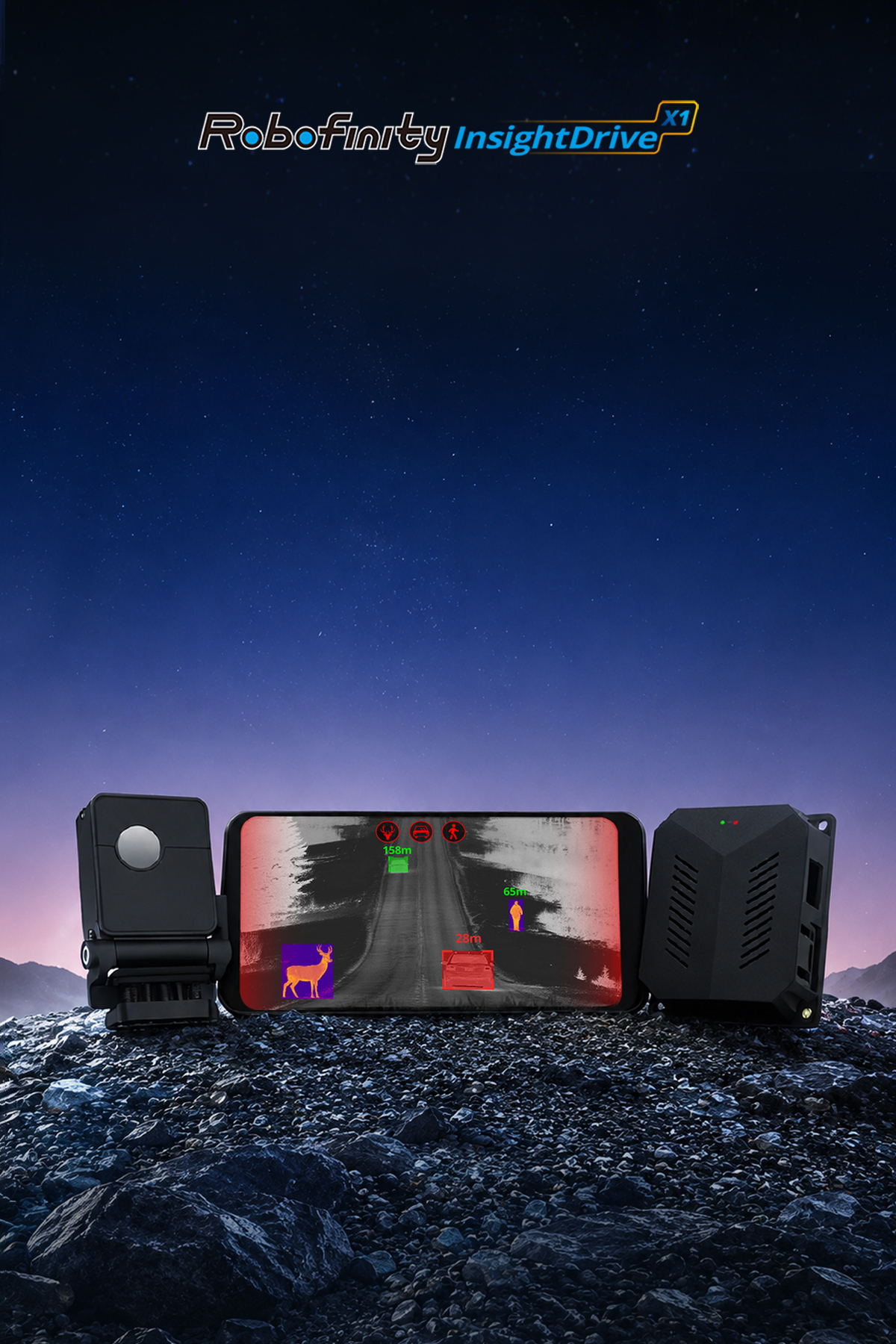
For drivers who often face these conditions, a vehicle thermal imaging night vision system such as Robofinity InsightDrive can be considered as an additional awareness upgrade. It is designed to support detection of pedestrians, animals, vehicles, and obstacles in low-light or poor-visibility driving conditions.
What to Look For in a Thermal Camera System
If you are considering car thermal cameras as a practical upgrade, the details matter. Not every system will suit every driver.
Detection Performance
Look at what the system is designed to identify. Some systems focus mainly on people and animals. Others also include vehicle recognition and real-time alerts. For safety use, the key question is whether the system helps you notice the kinds of hazards you actually encounter.
Display Quality and Readability
The screen or display should be easy to interpret quickly. If the image is confusing, too small, or hard to scan while driving, the safety value drops. A good system should help with recognition, not create another distraction.
Response Time and Alerts
Real-time alerts can be helpful if they are clear and not overly intrusive. The point is to support awareness, not to flood the driver with constant warnings. Too many alerts can be almost as unhelpful as too few.
Weather Resistance and Build Quality
A camera mounted on the outside of the vehicle has to deal with rain, heat, cold, dust, and vibration. Build quality matters because a safety device that fails in poor weather is not doing its job when it is needed most.
Installation and Everyday Use
The most practical system is one that a driver can use consistently. If it is too complex, too slow to start, or too difficult to read at a glance, it may not become part of normal driving behavior. Ease of use matters in safety technology because the best system is the one people actually use correctly.
Thermal Cameras vs Standard Safety Features
It helps to compare thermal imaging with the safety features most drivers already know.
Headlights and High Beams
Headlights remain essential. High beams can improve visibility on empty roads, but they still rely on visible light and can be limited by glare, weather, and distance. Car thermal cameras work differently and can show heat signatures that headlights may not make obvious.
Mirrors and Basic Awareness
Mirrors help with surrounding traffic, but they do not improve what happens far ahead in darkness. Thermal imaging is aimed more at early road hazard detection than at lane-change awareness.
ADAS Features
Many newer vehicles include automatic emergency braking, lane keeping, blind-spot monitoring, or pedestrian detection. Those systems can be very helpful, but they are not identical to thermal imaging. ADAS usually relies on cameras, radar, or sensors that interpret the scene in structured ways.
Thermal cameras are better understood as an extra layer. They do not replace factory safety features. They can complement them, especially when visibility is poor.
According to the U.S. National Highway Traffic Safety Administration, visibility and driver attention remain critical parts of roadway safety, especially when conditions make hazards harder to see. That is a good reminder that even advanced tools work best as support rather than substitutes for safe driving practices.
A Practical Way to Decide Whether It Is Worth It
If you are trying to decide whether a thermal camera makes sense, ask a few simple questions:
- Do I frequently drive at night?
- Do I often use rural or poorly lit roads?
- Do I live in an area with wildlife crossings?
- Do I deal with fog, rain, snow, or glare on a regular basis?
- Would earlier notice of people or vehicles matter on my routes?
If the answer to several of those questions is yes, car thermal cameras may offer real practical value. If most of your driving is in well-lit city traffic at low speeds, the benefit may be smaller.
That does not make the technology irrelevant. It just means the return depends on your environment. Safety features are most useful when they fit the actual roads you drive, not the road conditions in a brochure.
Common Misunderstandings About Car Thermal Cameras
A lot of confusion around thermal imaging comes from expecting it to behave like a movie-style night vision system. Real-world use is more grounded.
Misunderstanding 1: They See Everything
They do not. They are best at detecting heat-based hazards. They are not a complete substitute for human vision.
Misunderstanding 2: They Make Night Driving Easy
They can improve awareness, but they do not remove the need for caution. Drivers still need to slow down, scan the road, and leave room to react.
Misunderstanding 3: They Are Only for Luxury Cars
That used to be a common assumption, but aftermarket systems have made thermal imaging more accessible to everyday drivers. The important issue is not whether the technology is exotic. It is whether it solves a real problem for the driver.
FAQ
Do car thermal cameras improve driving safety?
Yes, they can improve awareness in dark or poor-visibility conditions by making people, animals, vehicles, and some obstacles easier to notice earlier.
Are thermal cameras better than regular headlights?
No. They serve a different purpose. Headlights illuminate the road, while car thermal cameras help detect heat-based hazards that may be hard to see in darkness.
Can thermal cameras replace driver attention?
No. They are an added awareness tool, not a replacement for safe driving habits, mirrors, braking distance, or traffic laws.
Are car thermal cameras useful in bad weather?
They can be useful in rain, fog, snow, and glare-heavy conditions, but their performance can still be affected by lens obstruction, weather severity, and road conditions.
Who benefits most from thermal imaging in a car?
Drivers who spend time on rural roads, highways at night, or poorly lit routes may benefit most, especially if they often encounter pedestrians or animals.
Do thermal cameras detect all road hazards?
No. They are strongest with heat-emitting hazards and may be less effective for cold objects, road debris, or hazards hidden by terrain or traffic.
Conclusion
Car Thermal Cameras can improve driving safety, but mainly in a specific and realistic way: they support awareness when visibility is limited. For night driving, rural routes, poor weather, and wildlife-prone roads, they can help drivers notice important hazards sooner. They are not a cure-all, and they do not replace normal safe-driving practices, but they can be a practical addition to the right vehicle and the right use case.
For drivers who spend a lot of time in low-light conditions, the decision comes down to whether earlier hazard detection would meaningfully improve the way they drive. If that is a real need, car thermal cameras are worth serious consideration alongside other vehicle safety technology and driving visibility upgrades.
When you compare car thermal cameras with other driver-assistance tools, the biggest advantage is simple: they can reveal heat-based threats that are easy to miss at night. That is why many drivers researching car thermal cameras also look at how to choose the right car night vision camera before making a purchase.
In the end, car thermal cameras are most valuable when they are matched to the roads you actually drive. Used that way, car thermal cameras can be a smart layer of protection rather than a gimmick. For drivers who already take safety seriously, car thermal cameras can add another useful margin of awareness.
For a broader overview of use cases and limitations, car thermal cameras work best as part of a larger night-driving strategy that includes speed control, clean lenses, proper lighting, and attentive scanning. In the right environment, car thermal cameras can improve confidence as well as awareness, especially when paired with a reliable thermal imaging camera for car setup and sensible driving habits.