If you are trying to budget for a vehicle, the cost to own a car matters far more than the sticker price. The monthly payment is only one part of the equation, and the total can be much higher once you add insurance, fuel, maintenance, repairs, taxes, and depreciation. Understanding the full picture helps you make a smarter decision whether you are buying your first car or comparing your next upgrade.
- The Real Cost of Car Ownership
- Upfront Costs to Expect
- Ongoing Monthly and Annual Expenses
- Depreciation: The Hidden Cost
- How Different Types of Cars Affect Ownership Cost
- How to Estimate Your Car Budget
- Smart Ways to Reduce Car Ownership Costs
- Buy a Reliable Vehicle
- Compare Insurance Quotes
- Keep Up With Maintenance
- Drive Efficiently
- Consider Total Cost, Not Just Price
- Common Budgeting Mistakes to Avoid
- When Owning a Car Makes Sense
- Final Thoughts
- The Real Cost of Car Ownership
- Upfront Costs to Expect
- Ongoing Monthly and Annual Expenses
- Depreciation: The Hidden Cost
- How Different Types of Cars Affect Ownership Cost
- How to Estimate Your Car Budget
- Smart Ways to Reduce Car Ownership Costs
- Common Budgeting Mistakes to Avoid
- When Owning a Car Makes Sense
The Real Cost of Car Ownership
When people think about buying a car, they usually focus on the sticker price or monthly financing payment. That is only part of the picture. Car ownership includes both upfront and ongoing expenses, and those costs can vary widely depending on the vehicle, where you live, how much you drive, and how long you keep the car.
A small, fuel-efficient sedan will usually cost far less to own than a large SUV or luxury vehicle. Likewise, an older used car may have a lower purchase price but could require more repairs. To figure out the cost to own a car, you need to consider the full ownership cycle, not just the moment of purchase.
If you want a broader framework for deciding whether a vehicle fits your finances, you can also review our guide on car affordability.
In other words, the cost to own a car is the sum of the costs you can see and the ones you only notice over time. That is why a vehicle with a low sticker price can still be expensive to keep on the road.
For many buyers, the real challenge is not finding a car they like. It is finding a car that fits into a long-term budget without creating stress every month. The cost to own a car becomes easier to manage when you think beyond the purchase date and plan for the next three to five years instead of only the first payment.
Upfront Costs to Expect
Purchase Price or Down Payment
The largest initial expense is usually the car itself. If you buy outright, that amount is paid upfront. If you finance, you may make a down payment and then pay the remaining balance over time. A larger down payment can reduce monthly payments and may lower the amount of interest you pay overall.
Sales Tax, Registration, and Fees
Most buyers also have to pay sales tax, title fees, and registration costs. These can add several hundred or even several thousand dollars, depending on the value of the vehicle and your state or region. Dealer fees may also apply, so it is important to read the paperwork carefully before signing.
These upfront items are part of the cost to own a car, even though they are easy to overlook when you are focused on the advertised price. If you do not plan for them, they can push your budget past its limit before you even drive home.
It helps to create a simple checklist before you shop. Include the purchase price, taxes, registration, documentation fees, and any accessories you may need right away. Even a small gap between the expected amount and the final bill can change the affordability of the vehicle. When buyers compare the cost to own a car across different models, these early expenses often explain why two similar vehicles can end up with very different total budgets.
Some buyers also forget that an older car may need immediate spending after the sale, such as new tires, a battery, or a first service appointment. That is still part of the real purchase cost. A car that looks inexpensive on paper may require extra cash before it is fully road-ready.
Ongoing Monthly and Annual Expenses
Car Insurance
Insurance is one of the most important recurring costs of owning a car. Premiums depend on your age, driving record, location, vehicle type, and coverage level. A newer or more expensive car often costs more to insure because repairs and replacement parts are pricier. Even if you buy a car with cash, insurance remains a major part of the budget.
Fuel Costs
Gasoline or diesel can be a substantial monthly expense, especially for drivers with long commutes or low-mileage vehicles. Fuel costs depend on how much you drive, the car’s fuel efficiency, and local fuel prices. Hybrid and electric cars can reduce fuel spending, though electric vehicles come with their own charging considerations.
Maintenance and Repairs
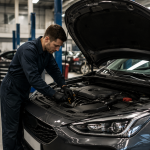
Every car needs regular maintenance. Oil changes, tire rotations, brake service, fluid replacements, and battery checks are all part of keeping a car reliable. Over time, parts wear out and repairs become necessary. Some years may be inexpensive, while others may bring costly surprises like transmission problems or suspension work.
A good rule is to set aside money each month for maintenance and repairs, even if your car is currently running well. Preventive care is usually cheaper than fixing a major breakdown later. The cost to own a car drops when you stay ahead of small issues before they become larger repairs.
Parking, Tolls, and Miscellaneous Costs
Depending on where you live, parking fees and toll roads can add a significant amount to your transportation budget. In urban areas, garage parking or street permits may be required. You may also spend money on car washes, floor mats, windshield washer fluid, or roadside assistance memberships.
These ongoing items are often what separate an affordable vehicle from an expensive one. When you add them to the monthly payment, the cost to own a car becomes much easier to estimate realistically.
To make your estimate more accurate, think about how often you drive. A commuter who drives 20,000 miles a year will usually spend far more on fuel, tires, and maintenance than a weekend driver. The same is true for city parking, where a vehicle can quietly become expensive simply because it sits in a paid lot every day. The cost to own a car is therefore shaped by usage patterns just as much as by the vehicle itself.
Some owners also choose add-ons like extended warranties, paint protection, or service packages. These may provide peace of mind, but they should still be treated as real expenses in your budget. If the offer does not solve a problem you actually have, it may raise the cost to own a car without improving your day-to-day experience.
Depreciation: The Hidden Cost
Depreciation is one of the biggest costs of owning a car, yet it is often overlooked because it does not show up as a monthly bill. Depreciation is the amount of value a car loses over time. New cars typically lose value the fastest in the first few years.
This matters because even if your car runs well, it may be worth much less than what you paid for it. If you plan to sell or trade in the vehicle later, depreciation affects how much money you get back. In other words, the true cost to own a car is not just what you spend, but also what you lose in value.
Depreciation also explains why two people can buy similar cars and still end up with very different overall costs. One may keep the car for many years, while another trades it in quickly and absorbs a bigger loss. Either way, the cost to own a car includes that decline in value whether you notice it or not.
Depreciation is especially important for people who like to upgrade often. If you switch cars every few years, you are more likely to absorb the steepest part of the value drop each time. Buyers who hold onto a reliable vehicle longer can sometimes spread that loss across many years of use, which makes the cost to own a car easier to justify. That is one reason older, dependable vehicles often appeal to budget-conscious drivers.
How Different Types of Cars Affect Ownership Cost
New Cars
New cars usually come with warranties, better fuel efficiency, and the latest safety features. However, they cost more to buy and tend to depreciate quickly. Insurance may also be higher. New car ownership can be convenient and predictable, but it is rarely the cheapest option.
Used Cars
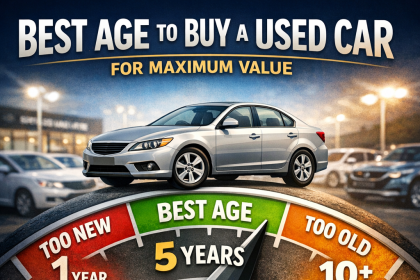
Used cars often have a lower purchase price and slower depreciation, which can make them more affordable overall. The tradeoff is that maintenance and repair costs may be higher, especially if the vehicle is older or has high mileage. A well-maintained used car can be a smart choice for buyers trying to keep costs down.
Luxury and Performance Cars
High-end vehicles often carry expensive insurance, premium fuel requirements, and costly repairs. Even routine maintenance can be much more expensive than for a standard model. These cars may offer comfort and performance, but the total cost of ownership is usually much higher.
Electric Vehicles
Electric vehicles can reduce fuel and maintenance expenses because they do not require oil changes and have fewer moving parts. However, the purchase price can be higher, and charging equipment or electricity rates may affect total costs. Government incentives and lower running costs can make them attractive in the long term.
For more background on public guidance for efficiency and ownership considerations, the U.S. Department of Energy offers useful information on vehicle efficiency and clean transportation.
No matter which type you choose, the cost to own a car depends on how the vehicle performs over time, not just how it looks on the dealer lot.
There are also practical differences between vehicle classes that affect daily spending. Compact cars often need less fuel and smaller tires, while larger vehicles may require more expensive replacement parts and higher running costs. The cost to own a car can rise quickly when you move from a basic model to a premium trim level, even if the base model looked affordable at first glance.
If you are comparing vehicles in the same category, think about long-term reliability scores, insurance quotes, and fuel economy together. These factors can change the total in meaningful ways. A model that looks slightly pricier may actually save money over time if it avoids major repairs or holds its value better than the cheaper alternative.
How to Estimate Your Car Budget
A practical way to estimate ownership cost is to add together all expected expenses for a year:
- Loan payment or depreciation
- Insurance
- Fuel or charging
- Maintenance and repairs
- Registration and taxes
- Parking and tolls
Then divide that total by 12 to see the monthly equivalent. This gives a more realistic picture than simply looking at a car payment alone. Many financial experts recommend keeping total transportation costs within a manageable percentage of your monthly income, though the right number depends on your broader budget and lifestyle.
If you are comparing payments and loan terms, our guide to Affordable Car Payment: What Is a Reasonable Car Payment? can help you judge what feels manageable before you commit.
You can also compare the cost to own a car against your current transportation spending to see whether buying makes sense now or whether waiting would be smarter. That simple comparison often reveals hidden pressure points in the budget.
One helpful method is to estimate best-case, middle-case, and worst-case numbers. For example, your fuel bill may be predictable, but repairs are not. If you set aside an average repair reserve each month, you are less likely to feel trapped when a larger bill appears. This approach makes the cost to own a car more realistic because it includes both expected and unexpected spending.
You can also compare ownership against alternatives such as public transit, ridesharing, or carpooling. In some areas, those options may be cheaper when you add up parking, tolls, and depreciation. In other areas, owning a car may still be the best mix of convenience and value. The right answer depends on the full transportation budget, not just one line item.
Smart Ways to Reduce Car Ownership Costs
Buy a Reliable Vehicle
Reliability matters more than many buyers realize. A car with a strong reputation for dependability may cost a little more upfront, but it can save money over time through fewer repairs and longer useful life.
Compare Insurance Quotes
Insurance prices can vary significantly between companies. Getting multiple quotes before buying a car can help you avoid surprises and choose a vehicle that fits your budget.
Keep Up With Maintenance
Regular maintenance prevents bigger, more expensive problems later. Following the manufacturer’s service schedule can help extend the life of the car and protect its resale value.
Drive Efficiently
Gentle acceleration, proper tire pressure, and avoiding unnecessary idling can improve fuel economy and reduce wear. Small habits can make a noticeable difference over time.
Consider Total Cost, Not Just Price
A cheaper car is not always the less expensive car. A vehicle with lower fuel consumption, reasonable insurance rates, and strong reliability may cost less overall than a bargain purchase that needs frequent repairs.
When shoppers ask about the cost to own a car, they often mean the total monthly burden rather than just the financing payment. Looking at the full picture makes it easier to avoid a budget mistake.
It also helps to compare ownership costs before you buy, not after. Once insurance, fuel, maintenance, and depreciation are added together, the cost to own a car can be very different from what the sales listing suggests.
If you are trying to lower your total spending, start with the choices you can control. Buying a vehicle with strong reliability, avoiding unnecessary add-ons, and using a fuel-efficient driving style can all help reduce long-term costs. Even small improvements can make the cost to own a car more manageable over several years.
Refinancing a loan, if the numbers make sense, can also improve affordability by lowering interest costs or shortening the repayment timeline. Just be sure to compare fees and contract terms before making any change. The goal is not simply to pay less today, but to keep the cost to own a car reasonable for the entire period you plan to keep it.
Common Budgeting Mistakes to Avoid
One common mistake is assuming that a car payment is the same as affordability. A payment may look fine on its own, but insurance, fuel, and maintenance can quickly change the math. Another mistake is buying based on emotion and then trying to make the budget work later. That often leads to stress and unexpected compromises.
Some buyers also underestimate how much they drive. A vehicle that seems efficient can become expensive if your commute is long or your weekend travel is frequent. Others ignore depreciation because it is invisible at first. Yet depreciation can be one of the largest parts of the cost to own a car, especially for newer vehicles.
It is also easy to forget recurring costs that only show up once or twice a year, such as registration renewals, tire replacement, or scheduled inspections. Building those items into your annual plan helps prevent surprises. When you account for everything from the start, the cost to own a car becomes clearer and easier to compare against other transportation options.
A final mistake is focusing only on what the car can do and not on what it will cost to keep doing it. Comfort, style, and performance all matter, but they should be balanced against the long-term budget. A smart purchase is one that works both emotionally and financially.
When Owning a Car Makes Sense
Owning a car makes sense when it gives you reliable access to work, school, family, or daily errands at a cost you can comfortably manage. It can also be the right choice if public transportation is limited or if you regularly travel to places that are difficult to reach otherwise.
The key is matching the vehicle to your real needs. A family that drives daily may benefit from a dependable sedan or crossover, while a low-mileage driver may find that a used compact car is enough. In both cases, the best decision comes from understanding the cost to own a car before signing the paperwork, not after.
For shoppers who want to compare affordability questions more broadly, it can help to think about income, debt, and transportation priorities together. That context makes the ownership decision more practical and less emotional.
Final Thoughts
The true answer to how much it costs to own a car depends on many factors, but the total is always more than just the purchase price. Insurance, fuel, maintenance, depreciation, taxes, and fees all contribute to the real expense. By looking at the full picture before you buy, you can choose a vehicle that fits your needs without straining your finances. Owning a car can offer freedom and convenience, but only when the cost is understood and planned for carefully. If you are planning ahead, start with the cost to own a car, then compare it against your income, driving habits, and long-term goals.
Before you make a final decision, remember that the cheapest option on paper is not always the cheapest option in real life. A good ownership plan accounts for every major cost, leaves room for repairs, and keeps your transportation budget stable month after month. When you evaluate the cost to own a car with that mindset, you are more likely to choose a vehicle that supports your finances instead of straining them.