Can You Put a Camera on the Front of Your Car?
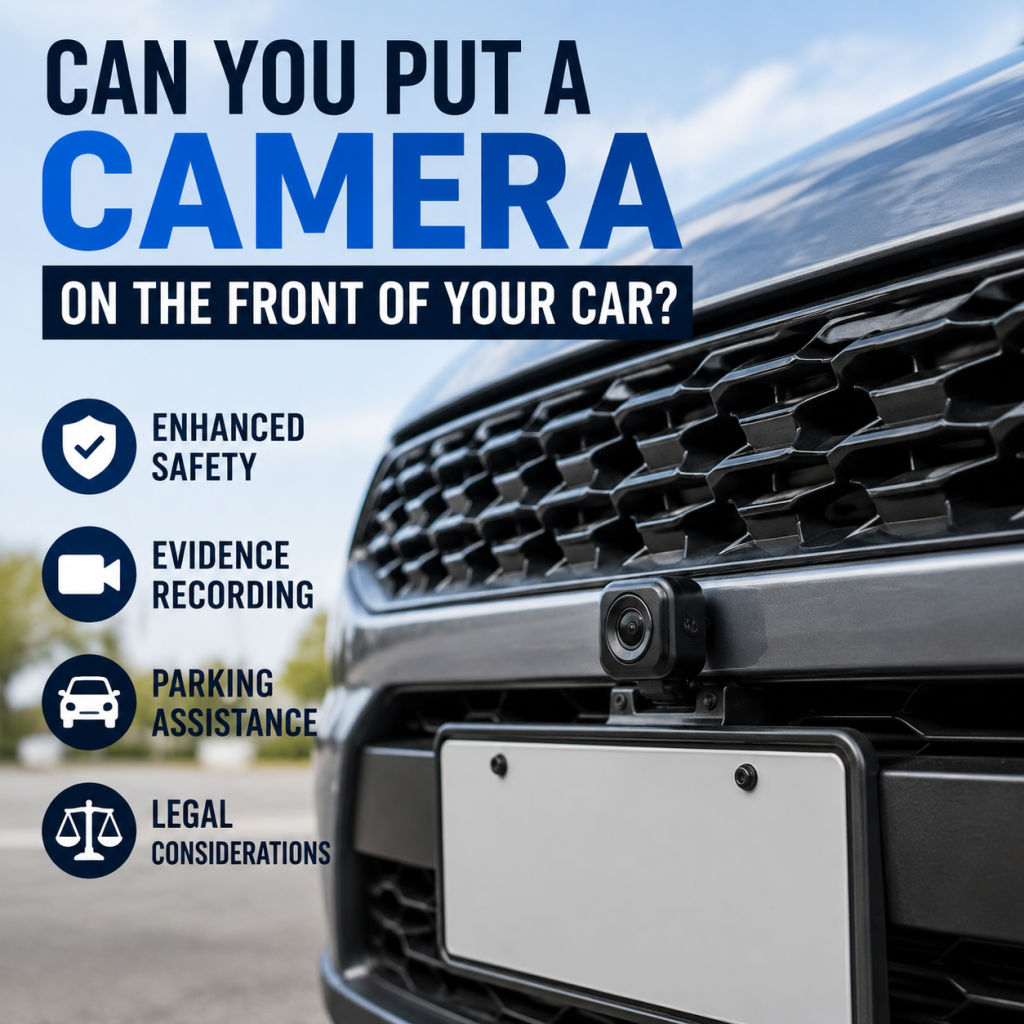
- Can You Put a Camera on the Front of Your Car?
- Why Drivers Install Front Cameras
- Is It Legal to Put a Camera on the Front of Your Car?
- Best Places to Mount a Front Camera
- What Type of Front Camera Should You Choose?
- Installation Considerations
- Will a Front Camera Affect Your Insurance?
- Practical Tips for Using a Front Camera
- The Bottom Line
Front-facing car cameras have become increasingly common as drivers look for better visibility, stronger evidence in case of an accident, and added peace of mind on the road. Whether you are thinking about installing a dash cam, a parking camera, or a custom recording device, the short answer is yes—you can usually put a camera on the front of your car. The more important question is how to do it legally, safely, and in a way that does not interfere with your driving or your vehicle’s systems.
A front-mounted camera can serve several purposes. Some drivers use it to record traffic incidents, others to help with parking and maneuvering, and some simply want an extra layer of security while commuting or traveling. But before you mount anything to your windshield or grille, it helps to understand the legal, practical, and technical considerations involved.
Why Drivers Install Front Cameras
A front camera can offer valuable benefits in everyday driving. For many people, the biggest reason is evidence. If another driver runs a red light, cuts you off, or causes a collision, a camera can help document what happened. That footage can be useful when dealing with insurance claims, disputes, or law enforcement.
Added Protection on the Road
A front camera can help record:
- Collisions and near-misses
- Road rage incidents
- Hit-and-run events
- License plates and traffic conditions
- Weather and visibility issues
In some cases, a front camera also helps with monitoring your parked vehicle. If the camera includes motion detection or parking mode, it may capture vandalism or attempted theft.
Better Parking and Maneuvering
Some front cameras are designed to assist with parking. These systems can provide a clearer view of curbs, obstacles, and tight spaces. For larger vehicles, such as SUVs, trucks, and vans, a front camera can make low-speed maneuvering much easier.
Is It Legal to Put a Camera on the Front of Your Car?
In many places, yes, but the legality depends on where and how the camera is installed. Laws vary by country, state, and even local jurisdiction. A camera itself is usually not the problem. Instead, issues often arise when the camera blocks the driver’s view, is mounted in an unsafe location, or records audio or video in a way that violates privacy laws.
Windshield Obstruction Rules
Many regions have regulations about what can be attached to the windshield. A camera mounted in the wrong spot may violate obstruction laws if it interferes with the driver’s line of sight. For this reason, people often install dash cams behind the rearview mirror or in another area that does not block visibility.
Privacy and Recording Laws
If your camera records audio, privacy laws may apply. In some places, it is legal to record without consent in public areas, while in others, audio recording requires permission from all parties involved. If you plan to use the footage, it is wise to understand the laws where you drive regularly.
Commercial and Fleet Vehicles
Rules can be different for business vehicles. Fleet cameras, driver-monitoring systems, and telematics equipment may be subject to company policies and workplace regulations. If the car is used commercially, compliance becomes even more important.
Best Places to Mount a Front Camera
The ideal location depends on the type of camera and the purpose you want it to serve. Placement affects visibility, recording angle, and legality.
Behind the Rearview Mirror
This is one of the most common and practical locations for a dash cam. It keeps the camera discreet, usually avoids obstructing the driver’s view, and allows for a wide forward-facing recording angle.
Lower on the Windshield
Some drivers mount cameras lower on the windshield for easier access. This can work well, but only if it does not interfere with visibility, airbags, or dashboard sensors.
On the Grille or Bumper
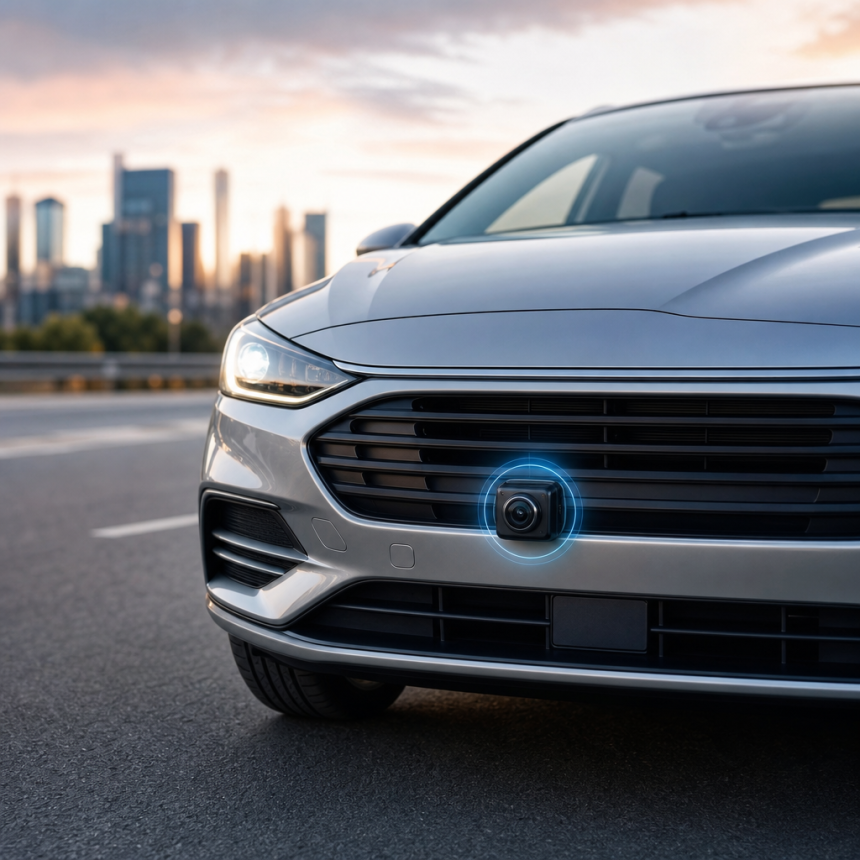
This setup is more common for parking cameras or custom systems. It can provide a low-angle view of the road or help with close-range parking. However, these cameras are more exposed to dirt, water, and debris, so they need to be weather-resistant.
Integrated into the Vehicle
Some newer vehicles come with built-in front cameras as part of a 360-degree view system or driver assistance package. These factory-installed options usually offer the cleanest appearance and best compatibility.
What Type of Front Camera Should You Choose?
Not all cameras are the same. The best choice depends on whether you want continuous recording, parking assistance, or enhanced security.
Dash Cams
Dash cams are the most popular option for front-facing recording. They are compact, relatively affordable, and designed specifically for driving footage. Many models offer loop recording, G-sensors, night vision, and GPS tracking.
Parking Cameras
Parking cameras are usually mounted lower on the vehicle and are intended to help with reversing or tight parking situations. Some systems offer both front and rear views.
Multi-Channel Systems
If you want broader coverage, a multi-channel setup can record the front, rear, and sides of the car. This is especially useful for rideshare drivers, commuters in heavy traffic, or anyone who wants full incident coverage.
Smart Dash Cams
Some modern cameras connect to apps, cloud storage, or voice controls. These can provide remote viewing, alerts, and automatic backups. They may cost more, but the added convenience can be worthwhile.
Installation Considerations
Before installing a camera, think about power source, cable routing, and mounting security. A well-installed camera should stay in place, operate reliably, and not create distractions.
Power Options
Most front cameras are powered in one of three ways:
- Plugged into the 12V accessory outlet
- Hardwired to the fuse box
- Connected to an internal battery or external battery pack
A plug-in option is the easiest for beginners, while a hardwired setup offers a cleaner look and may enable parking mode.
Cable Management
Loose cables can be distracting and unsafe. Wires should be routed carefully along trim panels and away from airbags or moving parts. If you are not comfortable doing this yourself, professional installation may be a better choice.
Heat and Weather Exposure
Cars can become extremely hot or cold, especially when parked outside. Make sure the camera you choose is rated for the temperatures it will face. If mounted externally, it should also be resistant to rain, dust, and vibration.
Will a Front Camera Affect Your Insurance?
In some cases, yes—in a positive way. While a front camera usually does not lower your premium automatically, it can provide video evidence that helps resolve claims faster. Some insurers may view dash cam footage favorably if it clarifies fault after an accident.
That said, insurance companies do not always offer discounts just because a camera is installed. It is still worth asking your provider whether they recognize dash cam footage or offer any related benefits.
Practical Tips for Using a Front Camera
A camera is only useful if it works when you need it. Regular maintenance and proper setup can make a big difference.
Check the Angle
Make sure the camera captures enough of the road ahead without pointing too high or too low. A poor angle can miss important details, such as license plates or traffic signals.
Format and Review Memory Cards
If your camera uses a memory card, check it periodically. Cards can become full, corrupted, or worn out over time. Replacing them before failure can prevent lost footage.
Test Night Recording
Driving incidents do not only happen during the day. Test your camera in low light to see whether headlights, glare, or darkness affect the image quality.
Keep the Lens Clean
A dirty lens can reduce clarity significantly. Wipe it regularly, especially during winter, rainy seasons, or after long highway trips.
The Bottom Line
So, can you put a camera on the front of your car? In most cases, yes. Front-mounted cameras are widely used for recording accidents, improving parking, and adding an extra layer of security. The key is to install the camera in a location that does not obstruct your view, complies with local laws, and suits your driving needs.
If you choose the right camera and mount it correctly, it can be a practical and valuable addition to your vehicle. Just be sure to check local regulations, consider privacy rules, and focus on safe installation. With a little planning, a front camera can provide useful protection every time you get behind the wheel.