Looking for the safest cars in 2026? As automakers race to add more technology, higher driving performance, and fresh styling to their lineups, one factor still matters most to many buyers: safety. For shoppers comparing the safest 2026 cars, the latest Insurance Institute for Highway Safety results offer one of the clearest ways to separate genuinely strong performers from the rest. The newest IIHS Top Safety Pick+ winners highlight which vehicles did best in crashworthiness, crash prevention, and occupant protection, helping buyers make a more confident choice in a crowded market.
- Why IIHS safety ratings matter
- What makes a car earn Top Safety Pick+
- Strong crash test performance
- Effective pedestrian and crash avoidance technology
- Headlights that actually help at night
- 2026 Top Safety Pick+ winners worth knowing
- Family-friendly SUVs lead the pack
- Sedans still matter in safety rankings
- Electric vehicles continue to improve
- More ways the safest cars in 2026 stand out
- What these winners have in common
- Standard safety equipment, not expensive add-ons
- Better structural engineering
- Smarter driver assistance systems
- Details that affect everyday protection
- How to choose the safest car for your needs
- Match the body style to your lifestyle
- Check the exact trim level
- Look beyond one score
- Think about how you actually drive
- Use independent testing as a starting point, not the finish line
- What buyers often overlook when comparing safe vehicles
- Why the 2026 winners stand out in a crowded market
- The safest cars and the role of driver habits
- How safety expectations have changed for 2026 buyers
- Questions to ask before you buy a safety-rated car
- The bottom line on the safest 2026 cars
The good news is that today’s top-rated vehicles are not limited to one body style or price range. From family crossovers to commuter sedans and electric models, the safest cars in 2026 reflect a broader push toward better structure, better visibility, and better automatic emergency braking. That means buyers can focus on models that perform well in real-world safety scenarios instead of relying on marketing claims alone.
Table of Contents
Why IIHS safety ratings matter
The IIHS has long been one of the most trusted independent sources for evaluating vehicle safety. Unlike marketing claims or feature checklists, its tests focus on how a car protects people in real-world crash scenarios. That includes front and side impact performance, headlight quality, and the effectiveness of automatic emergency braking systems.
For 2026 models, the standards remain demanding. A vehicle must perform well across several categories to earn Top Safety Pick+ status, and that makes the award especially meaningful. It is not just about surviving one test; it is about proving strong overall protection. If you want a shortcut to the safest cars, this is one of the most reliable places to start.
For the full testing framework, readers can also review the official IIHS ratings and test overview at the IIHS ratings and test overview.
What makes a car earn Top Safety Pick+
To understand why the winners stand out, it helps to know what IIHS is looking for. The safest cars usually excel in more than one area, which is why Top Safety Pick+ is more meaningful than a single good score.
Strong crash test performance
A car has to earn good or acceptable ratings in major crash tests, including the small overlap front test and updated side impact evaluations. These tests help determine how well the structure protects the cabin and reduces injury risk to the driver and passengers.
Effective pedestrian and crash avoidance technology
Modern safety is not just about surviving crashes. Vehicles also need advanced automatic emergency braking systems that can detect vehicles, pedestrians, and in some cases cyclists. Good performance in these tests shows that the car may help avoid an accident before it happens.
Headlights that actually help at night
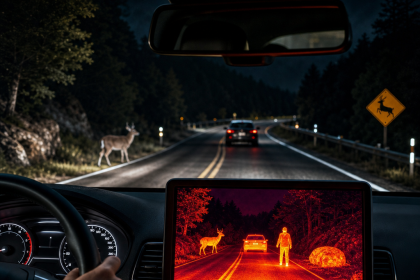
Poor headlights can create a safety problem even in an otherwise well-engineered vehicle. IIHS evaluates headlight visibility and glare, and strong results here are often a deciding factor between a Top Safety Pick and a Top Safety Pick+. When buyers compare the safest cars, headlight performance is often overlooked even though it matters every night.
2026 Top Safety Pick+ winners worth knowing
The 2026 IIHS list changes as new models are tested, redesigned, or updated. While availability can vary by trim level, drivetrain, and optional equipment, the Top Safety Pick+ winners represent the strongest safety performers in their class. Many of the top-rated vehicles come from segments shoppers already favor, including midsize SUVs, compact SUVs, sedans, and electric vehicles.
If you are building a shortlist of the safest cars, these award categories can help narrow the field quickly.
Family-friendly SUVs lead the pack
SUVs continue to dominate the safety conversation, and for good reason. Many 2026 models combine excellent crash protection with advanced driver-assistance systems and strong visibility.
Popular winners in this category often include compact and midsize crossovers from brands such as Subaru, Hyundai, Honda, Genesis, Kia, Toyota, Mazda, and Lexus. These models tend to score well because they are engineered with robust body structures and equipped with standard safety features that are broad across the trim range.
For families, this matters. A Top Safety Pick+ SUV does not just provide more cargo space or a higher seating position; it can offer reassurance in daily commuting, school drop-offs, road trips, and bad-weather driving. Many buyers searching for the safest cars end up choosing an SUV for that exact mix of practicality and protection.
Sedans still matter in safety rankings
Even though SUVs sell in larger numbers, several sedans remain among the safest 2026 cars. Their lower center of gravity can help with handling, while strong safety structures and advanced driver aids contribute to excellent crash outcomes.
Midsize and compact sedans from brands like Honda, Toyota, Hyundai, and Subaru often continue to shine in IIHS testing. These cars are especially appealing to drivers who want a more efficient, easy-to-park vehicle without giving up safety. For commuters who want one of the safest cars without moving into an SUV, a well-rated sedan can be a smart choice.
Electric vehicles continue to improve
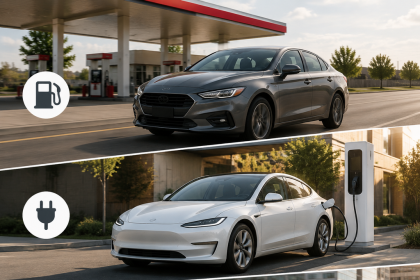
Electric vehicles have become a major part of the safety landscape, and many are now serious contenders for top awards. Their battery placement often lowers the center of gravity, which can help stability, while manufacturers continue refining structural protection around the battery pack.
Several 2026 EVs have shown impressive results in IIHS testing, particularly in crash prevention and occupant protection. For buyers considering an EV, a Top Safety Pick+ rating can be an important signal that the vehicle is not just innovative, but also well protected. In practice, many of the safest cars today are no longer powered by gasoline alone.
Among the broader safety conversation, shoppers who also care about long-term ownership often compare safety with dependability. If that applies to you, it may be worth reading Most Reliable Car Brands in 2026: Top Picks Ranked alongside safety results to see which models balance both priorities well.
More ways the safest cars in 2026 stand out
The safest cars in 2026 do more than meet a checklist. They usually combine several layers of protection that work together before, during, and after a crash. That includes the structure of the vehicle, the visibility offered by the driving position, the quality of the headlights, and the logic behind driver-assistance systems.
That combination matters because no single feature can solve every hazard. A strong cabin structure can reduce injury in one type of collision, while a well-tuned emergency braking system can help prevent a low-speed impact in traffic. When those systems work together, buyers get a more complete safety package.
It is also worth remembering that the safest cars are often designed with average drivers in mind, not just expert test conditions. That means controls should be easy to understand, warning alerts should be clear, and assistance features should intervene without creating confusion.
Safety is also closely tied to what happens outside the vehicle. If you regularly drive in poor visibility, weather conditions, or after dark, choosing a strong safety-rated model is even more important. You can also improve your day-to-day margin of safety by reviewing practical guidance such as Safe Driving in Fog: 10 Lifesaving Tips to Avoid Disaster, which explains how visibility and reaction time affect crash risk.
What these winners have in common
Even across different body styles and price points, the safest 2026 models tend to share a few traits.
Standard safety equipment, not expensive add-ons
One of the most important trends is that top-performing vehicles increasingly include advanced safety systems as standard equipment. That means features like lane departure warning, blind-spot monitoring, and automatic emergency braking may not be reserved for the highest trim level.
This is important because safety should not depend on how much extra a buyer can afford to spend. Vehicles that make strong protection accessible across the lineup are often the most practical choices for everyday drivers. That accessibility is one reason these models rank among the safest cars available today.
Better structural engineering
Safety ratings are still heavily influenced by the quality of a vehicle’s construction. Manufacturers that invest in stronger cabin structures, more effective crumple zones, and better side-impact protection are typically the ones earning the highest scores.
This is one reason some brands repeatedly appear on the winners list. They have built a reputation for prioritizing safety in design, not just in advertising. When a buyer compares the safest cars, structure quality should be just as important as a long feature list.
Smarter driver assistance systems
Today’s best vehicles do more than warn the driver; they actively help prevent collisions. From detecting pedestrians at intersections to automatically braking in low-speed city driving, these systems are becoming more capable.
The cars that earn Top Safety Pick+ usually demonstrate that these systems work reliably across a wide range of test scenarios, which is a big reason they stand out from the competition. In other words, the safest cars are increasingly the ones that can help the driver avoid the crash in the first place.
Details that affect everyday protection
Small details can make a big difference once a vehicle is in daily use. Seat-belt reminders, rear-seat reminders, good rear visibility, and intuitive camera systems all support safer behavior. Even tire and brake performance can influence how confidently a driver reacts in an emergency.
That is why the safest cars tend to feel well thought out rather than overcomplicated. They focus on the basics that help drivers stay aware, react quickly, and keep passengers protected during routine travel.
How to choose the safest car for your needs
A safety award is a great starting point, but it should not be the only factor in your decision. The best vehicle for one buyer may not be the best for another.
Match the body style to your lifestyle
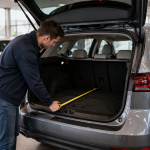
If you need a vehicle for a growing family, a well-rated SUV or minivan may make more sense than a compact sedan. If you commute mostly in the city, a smaller car with strong crash ratings and easy maneuverability may be ideal.
Check the exact trim level
Not every trim earns the same rating. Some vehicles only qualify for Top Safety Pick+ when equipped with specific headlights or optional safety packages. Before buying, verify that the exact version you want matches the tested model.
Look beyond one score
Crash safety is important, but it is only part of the ownership experience. Ride quality, visibility, fuel economy, cargo room, and reliability all matter too. The smartest purchase is usually the one that balances strong safety with overall usability. If you are comparing the safest cars, use the IIHS award as one piece of a larger decision.
Shoppers who also care about everyday visibility in poor weather may find it helpful to read Safe Driving in Fog: 10 Lifesaving Tips to Avoid Disaster for practical visibility advice.
Think about how you actually drive
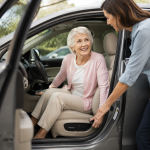
City drivers may benefit most from strong pedestrian detection and quick automatic braking. Highway commuters may care more about lane support, adaptive cruise control, and headlights that reduce eye strain on dark roads. Parents may want easy rear-seat access and a wide opening for child seats. The safest cars are the ones that match the conditions you face every day.
Use independent testing as a starting point, not the finish line
Safety ratings are incredibly useful, but they do not replace a full test drive. Sit in the car, check the mirrors, test the driving position, and make sure the controls are easy to operate without distraction. A vehicle can score well on paper and still feel awkward in practice.
That final step matters because the safest cars are the ones drivers can use consistently and confidently. If a vehicle feels natural behind the wheel, its safety systems are more likely to be used effectively.
What buyers often overlook when comparing safe vehicles
Many shoppers focus on crash test scores and stop there, but real-world safety often depends on the smaller details. Rear visibility, windshield placement, pillar thickness, seat comfort, and the responsiveness of the brakes can all affect how safely a vehicle feels once it is on the road.
For example, a car with excellent test results may still feel difficult to place in traffic if the rear window is narrow or the side mirrors are poorly positioned. Likewise, a vehicle with excellent automatic emergency braking may be less reassuring if the alerts are too aggressive or too quiet. Those are not abstract concerns; they change how likely a driver is to trust and use the safety systems consistently.
Noise levels also matter more than many buyers expect. A quieter cabin can reduce fatigue on longer drives, helping the driver stay alert. That matters for commuters, parents juggling school runs, and anyone who spends long hours behind the wheel. The safest cars are not only the ones with the right hardware, but also the ones that make it easier to stay attentive.
Another point to consider is maintenance. Tires, brakes, windshield wipers, and camera lenses all need to stay in good condition for safety systems to work properly. A highly rated model is only as effective as the condition it is kept in. That is why regular maintenance should be part of every safety-focused ownership plan.
Why the 2026 winners stand out in a crowded market
In a year when new vehicles are arriving with more screens, more software, and more feature overload, the safest cars are still the ones that focus on fundamentals. Good engineering, effective safety systems, and thoughtful design remain the backbone of crash protection.
The IIHS Top Safety Pick+ winners give shoppers a valuable shortcut. Instead of sorting through endless promotional claims, buyers can focus on vehicles that have already proven themselves in rigorous testing. That makes the search easier, whether you are comparing a family crossover, a commuter sedan, or an electric vehicle.
It also helps buyers avoid paying extra for flashy features that do not improve protection. The safest cars tend to deliver their value in the areas that matter most: structure, visibility, and crash avoidance.
For many shoppers, this is the real advantage of the award. It filters the market down to vehicles that combine modern convenience with a real-world safety foundation. That is especially useful in 2026, when technology can sometimes distract from the qualities that actually protect people.
If budget is also part of the decision, some buyers compare safety with affordability to make sure the vehicle fits their monthly payments. In that case, Affordable Car Payment: What Is a Reasonable Car Payment? can help you balance safety with a practical purchase price.
The safest cars and the role of driver habits
Even the safest cars cannot compensate for risky driving habits. Speeding, distraction, fatigue, and poor following distance still increase the odds of a crash. That is why vehicle safety and driver behavior should be viewed together.
Good safety technology can help reduce the consequences of mistakes, but it should never be treated as a substitute for attention. Drivers still need to scan the road, stay off the phone, and adjust to changing conditions. The best safety systems are there to support those habits, not replace them.
That is also why visibility matters so much. A well-rated vehicle with clear sightlines and strong headlights can help a driver notice hazards earlier. In that sense, the safest cars support better decision-making long before the brakes are applied.
For families and daily commuters alike, that combination of smart engineering and responsible driving is what creates the real safety advantage. It is not about one feature or one award. It is about using a vehicle that helps reduce risk every time you get behind the wheel.
How safety expectations have changed for 2026 buyers
Not long ago, many shoppers viewed safety as something added onto a car. In 2026, expectations have changed. Buyers now assume that a well-equipped vehicle should provide strong crash protection, effective automation, and useful lighting without requiring a complicated options package.
This shift has pushed manufacturers to improve standard equipment levels across more trims and price points. It has also made comparison shopping easier for consumers who want a clear, independent benchmark. That is one reason the IIHS awards remain relevant: they give shoppers a consistent way to compare vehicles from different brands and segments.
The result is that the safest cars are often not the most expensive ones. They are the models that make strong safety accessible and dependable. That is a useful reminder for shoppers who think they need to spend more simply to get better protection.
It also means that safety-minded buyers can be more selective. Instead of assuming that every new model is equally advanced, they can narrow the list to vehicles that have actually earned strong results. That saves time and often leads to a better long-term purchase.
Questions to ask before you buy a safety-rated car
Before you make a final decision, it helps to ask a few practical questions:
- Does the exact trim I want have the same safety rating as the tested version?
- Are the safety features standard, or do they require an optional package?
- Will the body style fit my daily routine, passengers, and cargo needs?
- Can I see well out of the vehicle in parking lots, traffic, and at night?
- Do the driver-assistance systems feel helpful rather than distracting?
These questions can reveal whether a vehicle truly belongs on your shortlist. A model can look excellent on paper, but if the exact configuration does not match the tested version or the seating position feels awkward, it may not be the right choice.
By asking the right questions early, you are more likely to end up with one of the safest cars that also fits your life. That combination is what makes a good purchase last.
The bottom line on the safest 2026 cars
The safest 2026 cars are the ones that combine strong crash performance with advanced prevention technology and well-designed lighting. The latest IIHS Top Safety Pick+ winners show that several automakers are still raising the bar, especially in the SUV, sedan, and EV categories.
For shoppers, the message is simple: prioritize independently tested safety, check the exact trim and equipment, and choose a vehicle that fits your daily needs. The right car should do more than look good in the driveway. It should protect the people inside it when it matters most.
When in doubt, compare models side by side, review the latest IIHS results, and remember that the safest cars are the ones that offer consistent protection in the real world, not just in advertisements.
If safety is your top priority, take your time and compare the latest ratings before you buy. A careful search can help you find the safest cars for your family, your commute, and your budget without sacrificing comfort or practicality.