
Buying a car is exciting, but the monthly payment is often what determines whether that excitement turns into financial comfort or long-term stress. An affordable car payment depends on your income, existing debt, driving needs, loan term, and overall budget. In other words, there is no single number that works for everyone, but there are reliable guidelines that can help you decide what you can afford without stretching yourself too thin.
- Understanding What Makes a Car Payment Reasonable
- Common Guidelines for Affordable Car Payments
- Why the Loan Term Matters So Much
- Don’t Forget the Total Cost of Ownership
- How to Figure Out What You Can Afford
- Step 1: Calculate your take-home income
- Step 2: List your fixed obligations
- Step 3: Set a vehicle budget
- Step 4: Build in a cushion
- Signs Your Car Payment May Be Too High
- When a Higher Payment Might Still Make Sense
- Practical Examples of Reasonable Payments
- How to Lower Your Monthly Payment
- Increase your down payment
- Choose a less expensive vehicle
- Improve your credit before financing
- Shorten the shopping list
- Questions to Ask Before You Buy
- Final Thoughts
Table of Contents
- Understanding What Makes a Car Payment Reasonable
- Common Guidelines for Affordable Car Payments
- Why the Loan Term Matters So Much
- Don’t Forget the Total Cost of Ownership
- How to Figure Out What You Can Afford
- Signs Your Car Payment May Be Too High
- When a Higher Payment Might Still Make Sense
- Practical Examples of Reasonable Payments
- How to Lower Your Monthly Payment
- Questions to Ask Before You Buy
- Final Thoughts
Understanding What Makes a Car Payment Reasonable
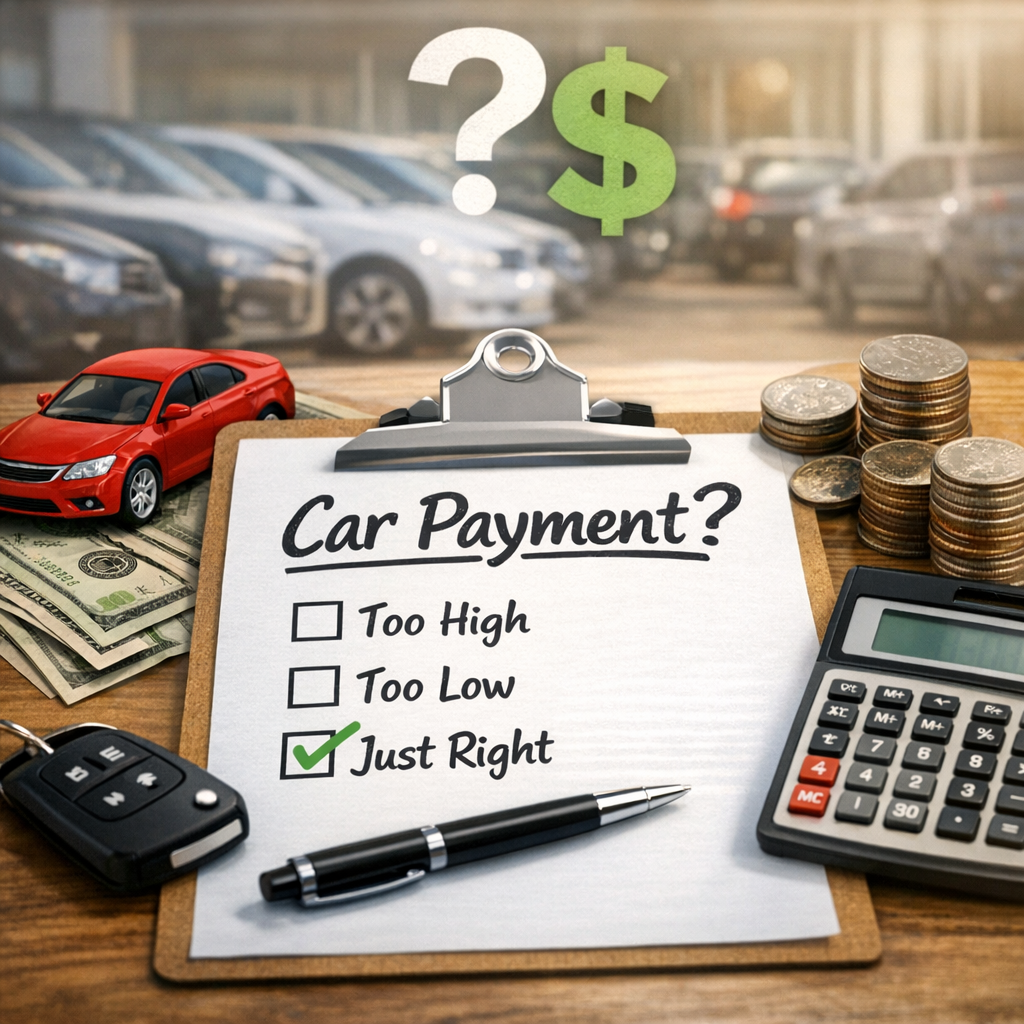
A reasonable car payment is one that fits comfortably into your monthly budget after accounting for housing, utilities, groceries, insurance, savings, and other obligations. The goal is not simply to qualify for a loan, but to choose an amount that leaves room for everyday life and unexpected expenses.
Many people focus only on the sticker price of the vehicle, but the monthly payment is shaped by several factors:
- The purchase price of the car
- The size of your down payment
- Your loan term
- The interest rate
- Your credit score
- Taxes, fees, and add-ons
A lower monthly payment may sound attractive, but it can sometimes mean a longer loan term or more interest paid over time. A reasonable car payment balances affordability now with total cost over the life of the loan. If the payment looks cheap only because the loan is stretched too far, the deal may not be as friendly as it seems.
It also helps to think about your car purchase in the context of your broader financial goals. Saving for emergencies, paying down high-interest debt, and contributing to retirement all matter. When those goals are ignored, even a payment that seems small can turn into a burden later.
In practical terms, the right payment is one you can cover without rearranging your entire month. If you can still handle groceries, savings, bills, and a little breathing room after the payment clears, you are much closer to an affordable car payment than someone who is maxing out every dollar just to drive a newer vehicle.
That is why it helps to think beyond the lender’s approval amount. A lender may approve a larger monthly payment than your budget can comfortably handle. The safer choice is usually the one that leaves margin for real life, not the biggest number you can technically qualify for.
Common Guidelines for Affordable Car Payments
A widely used rule of thumb is that your total vehicle expenses should not exceed a modest portion of your monthly take-home pay. That means the payment itself should be viewed alongside insurance, fuel, maintenance, and registration.
The 10% to 15% guideline
A common recommendation is to keep your affordable car payment at or below 10% to 15% of your monthly take-home income. For example, if you bring home $4,000 per month, a payment between $400 and $600 may be manageable, depending on your other obligations.
This is not a strict rule, but it provides a useful starting point. If your housing costs are high or you have significant debt, staying closer to the lower end is usually wiser. In a tight budget, even a small difference in payment can affect whether you can still save, invest, or handle an emergency.
Here is another way to think about it: if the payment is small enough that you barely notice it in a normal month, it is more likely to be sustainable. If it forces you to delay bills, dip into savings, or lean on credit cards, it is probably too high for your situation.
Some buyers also compare a car payment to the rest of their discretionary spending. If a new vehicle consumes most of what used to go toward travel, entertainment, or household flexibility, the monthly amount may be technically possible but still too aggressive.
The 20/4/10 rule
Another helpful framework is the 20/4/10 rule:
- Put down at least 20% on the car
- Finance for no more than 4 years
- Keep total monthly vehicle costs under 10% of your gross monthly income
This rule helps reduce the risk of being “upside down” on your loan, meaning you owe more than the vehicle is worth. It also encourages shorter financing terms, which typically save money on interest. For a deeper look at payment comfort, see reasonable car payment guidelines.
Used carefully, both rules can be useful guardrails rather than hard limits. The best choice still depends on your income stability, debt load, and whether the vehicle is a true need or more of a want.
It is also worth remembering that the monthly payment is only one piece of the puzzle. A payment that seems manageable on its own may become uncomfortable once insurance, fuel, and maintenance are included. That is why the 20/4/10 rule is often more useful than looking at the loan amount in isolation.
For official budgeting guidance, the FTC’s vehicle financing overview is a helpful reference.
Why the Loan Term Matters So Much
Two people can buy the same car and have very different monthly payments simply because of the loan term. A longer loan lowers the payment but usually increases the total interest paid.
That is why a reasonable car payment is not just about the monthly number. It is also about how long you have to make that payment and how much interest you will pay overall.
Shorter terms save money
A 36- or 48-month loan generally comes with higher monthly payments, but you pay off the car faster and spend less on interest. This is often the better choice if your budget can handle it.
In many cases, a shorter term also keeps you from paying for a car long after the excitement of buying it has faded. That can make budgeting simpler and reduce the risk of carrying a loan balance well into the time when major repairs or another life change may be around the corner.
Longer terms may create hidden problems
Five-, six-, or even seven-year loans can make the payment look affordable, but they come with trade-offs. You may pay much more in interest, and the car may depreciate faster than you pay down the loan. That can make it harder to sell or trade in the vehicle later.
If you need a longer term to make a car affordable, it may be a sign that the vehicle is more expensive than your budget comfortably allows. In that case, it is worth comparing the monthly savings against the extra interest you will pay over time.
Before choosing a long term, ask whether you want the lowest possible payment or the lowest overall cost. Those are not always the same thing.
Long loan terms can also create a cycle where the car is still being financed when you are already thinking about replacing it. That can make your next purchase more complicated, especially if you still owe money on the current vehicle.
Don’t Forget the Total Cost of Ownership
A monthly payment is only one part of the equation. Owning a car includes several ongoing expenses that can significantly affect what feels reasonable.
Insurance
Newer or more expensive vehicles often cost more to insure. Even if the payment fits your budget, a high insurance premium can push total costs beyond what is comfortable.
Fuel
A car with lower fuel efficiency can cost much more to operate each month, especially if you commute long distances or drive frequently.
Maintenance and repairs
Some vehicles are inexpensive to finance but costly to maintain. Luxury brands, specialty parts, and advanced technology can all increase repair bills.
Registration and taxes
Depending on where you live, sales tax, registration fees, and renewal costs may add hundreds or even thousands of dollars to the overall price of ownership.
An affordable car payment should leave enough room for all these costs, not just the loan itself. It is easy to underestimate the difference between the price of buying a vehicle and the cost of keeping it on the road.
When you build a realistic budget, include routine expenses and an allowance for unexpected repairs. That extra margin can be the difference between a car that feels manageable and one that constantly creates financial pressure.
If you are shopping for a specific vehicle, it can help to estimate the full monthly cost first and then work backward to the payment that fits. That approach is often more accurate than fixing on a car price and hoping the rest will work itself out.
One practical method is to add insurance, fuel, and maintenance to the payment target before you buy. When you do that, the number you call an affordable car payment may be lower than you expected, but it will also be much more realistic.
How to Figure Out What You Can Afford
If you want a practical estimate, start by reviewing your monthly income and expenses. This gives you a clearer picture than relying on a lender’s approval amount alone.
Step 1: Calculate your take-home income
Use your net income, not your gross salary. That means the amount you actually receive after taxes, retirement contributions, and deductions.
Step 2: List your fixed obligations
Include rent or mortgage, utilities, loan payments, insurance, and any regular financial commitments. Then add variable but necessary expenses like groceries, gas, and childcare.
Step 3: Set a vehicle budget
After covering essentials and savings, see what remains. A car payment should fit within that remainder without forcing you to cut back on emergencies, retirement contributions, or basic living expenses.
Step 4: Build in a cushion
Even if a lender says you can afford a certain payment, it is smart to stay below that limit. A cushion gives you breathing room for repairs, medical costs, or changes in income.
If you are comparing different payment scenarios, a detailed guide to car affordability on a $60,000 salary can help you estimate a comfortable range.
You can also use a simple stress test: if your income dropped for a month or two, would the payment still be easy to handle? If the answer is no, the payment may be too aggressive.
For many households, the most realistic approach is to start with the maximum payment and then subtract for savings goals, debt payments, and lifestyle flexibility. What remains is usually a more honest estimate of your affordable car payment.
This step is especially important for buyers with variable income. If your hours change from month to month or your work is commission-based, choose a payment that works even during slower periods. That makes your budget more resilient and reduces the risk of falling behind.
You can also compare several possible payments side by side. Looking at a small, medium, and higher scenario often makes the trade-off obvious. The lowest monthly cost is not always the right choice, but the highest one can be unnecessarily risky.
Signs Your Car Payment May Be Too High
Sometimes a payment is technically possible but still not healthy for your finances. Warning signs include:
- You struggle to save money each month
- You rely on credit cards for routine expenses
- You feel stressed every time the payment is due
- You had to choose a very long loan term just to make it work
- Your insurance or maintenance costs feel unmanageable
If the payment is preventing you from meeting other financial goals, it is probably too high. In that case, it may be worth revisiting your budget and comparing your options with a reasonable car payment target instead of a lender’s maximum approval.
Another red flag is constantly needing to move money around just to keep the car current. If every month feels like a juggling act, the vehicle may be costing more than it should.
Also pay attention to whether you can handle unexpected expenses. A flat tire, oil change, brake repair, or higher fuel bill should not throw your whole budget off course. A car that does may be more expensive than it first appeared.
If you are unsure, look at your last three months of spending and see whether the payment would still have felt comfortable during your tightest month. That simple review can reveal whether the number is truly sustainable.
A payment that forces you to postpone savings or ignore regular upkeep may not be a reasonable car payment at all, even if the monthly amount seems common or normal among other buyers.
When a Higher Payment Might Still Make Sense
There are some situations where a slightly higher car payment may be justified. For example, you may need a more reliable vehicle for commuting, work, or family transportation. A newer car with better safety features and lower repair risk may save money in the long run if your current car is unreliable.
A higher payment can also make sense if you have:
- Strong income and low debt
- A solid emergency fund
- A short loan term
- Excellent credit with a low interest rate
- A vehicle that holds value well and has lower operating costs
Even then, the payment should still fit comfortably within your broader financial picture.
For some buyers, paying a little more for safety, reliability, or fuel efficiency is a worthwhile trade-off. The key is making sure the extra cost is intentional and not simply the result of impulse or poor planning.
If the vehicle reduces repair downtime, improves daily transportation, or helps you avoid frequent rental or rideshare costs, a somewhat higher payment may be easier to justify. Just make sure the numbers still work over the full life of the loan.
It can also be reasonable to spend more if the vehicle is likely to last longer and cost less to operate. In that case, a slightly higher payment may actually support a lower long-term cost of ownership, which is often a smarter financial trade than choosing the cheapest option upfront.
Practical Examples of Reasonable Payments
Here are a few rough examples based on monthly take-home income:
- $3,000 per month take-home: A payment around $250 to $350 may be more comfortable
- $5,000 per month take-home: A payment around $400 to $700 might be manageable
- $8,000 per month take-home: A payment around $700 to $1,100 could be reasonable, depending on debt and other expenses
These are only examples, not hard limits. Someone with high rent and student loans may need a lower payment than someone with few monthly obligations. That is why an affordable car payment should always be based on the full budget, not just income alone.
Think of these ranges as a starting point for planning. If you are close to the top of the range, it is usually wise to compare that option against a less expensive vehicle or a larger down payment.
A payment that looks comfortable on paper can become difficult once insurance, fuel, and routine maintenance are included. That is why a conservative estimate is often the safer one.
Another way to pressure-test the number is to imagine a month with no overtime, no bonus, and a small surprise expense. If the payment still fits comfortably in that version of your life, it is much more likely to be sustainable.
In other words, the best affordable car payment is the one that survives a realistic month, not a perfect month.
How to Lower Your Monthly Payment
If the numbers are close but not quite working, there are several ways to reduce the payment without abandoning your car search.
Increase your down payment
A larger down payment reduces the amount you need to finance, which lowers the monthly cost.
Choose a less expensive vehicle
Sometimes the best way to make a car affordable is to buy a simpler model or a used car with a lower purchase price.
Improve your credit before financing
A better credit score can lead to a lower interest rate, which reduces both the payment and the total cost.
Shorten the shopping list
Features like premium audio, larger wheels, and luxury trims can significantly increase the cost. Prioritizing needs over extras can make a big difference.
If credit is part of the equation, this car loan credit score guide explains what lenders often look for before approving better rates.
You can also lower the monthly payment by shopping several lenders, comparing pre-approval offers, and avoiding unnecessary add-ons at the dealership. Small changes can add up to meaningful savings.
Another option is to hold off until you have more cash saved. Even an extra few months of saving can improve your down payment and reduce financing costs.
If your current vehicle is still usable, delaying the purchase can be a smart move. Waiting gives you time to improve your credit, pay down debt, and build a bigger down payment, all of which can make the next affordable car payment easier to reach.
It can also help to compare certified pre-owned vehicles, lightly used models, and different trim levels. You may find that the right compromise gives you the features you want without pushing the payment into uncomfortable territory.
Questions to Ask Before You Buy
Before signing a loan, it helps to slow down and ask a few practical questions. These can keep you focused on value instead of emotion.
- Can I still save money after making this payment?
- Will I be comfortable if my other bills go up?
- Does this vehicle fit my actual driving needs?
- How much will insurance and fuel add each month?
- Am I choosing this car because I need it, or because I want a higher trim?
- Is this still a reasonable car payment if I have a surprise expense next month?
Answering these questions honestly can help you avoid a purchase you regret later. A car should support your life, not control your budget.
If you are buying for the long term, it is also smart to consider resale value and expected maintenance. Some cars are cheaper to buy but more expensive to own, while others may cost more upfront but be easier to live with over time.
You can even ask one final question before signing: if this vehicle were not available today, would I still be happy to wait for a better fit? If the answer is yes, you are probably being thoughtful rather than rushed.
That mindset often leads to a more sustainable affordable car payment and a better ownership experience overall.
Final Thoughts
A reasonable car payment is one that supports your transportation needs without undermining your financial stability. For many people, that means keeping the payment to a modest share of take-home income, considering all ownership costs, and choosing a loan term that does not inflate the total price too much.
The best car deal is not always the one with the lowest monthly payment or the most expensive vehicle you can qualify for. It is the one that fits your life, protects your budget, and lets you enjoy the car without financial regret.
Before you sign, compare the total loan cost, check your insurance estimate, and make sure your affordable car payment still leaves room for savings and emergencies. That simple step can help you avoid buyer’s remorse and keep your finances on track.
If you want a final benchmark, remember this: a car payment should feel manageable on your worst ordinary month, not just your best one. That is the safest way to decide what is truly reasonable.
When you keep the full cost in view, it becomes much easier to recognize a payment that is genuinely sustainable. That is the real test of an affordable car payment, and it is the standard worth using before any auto loan is signed.