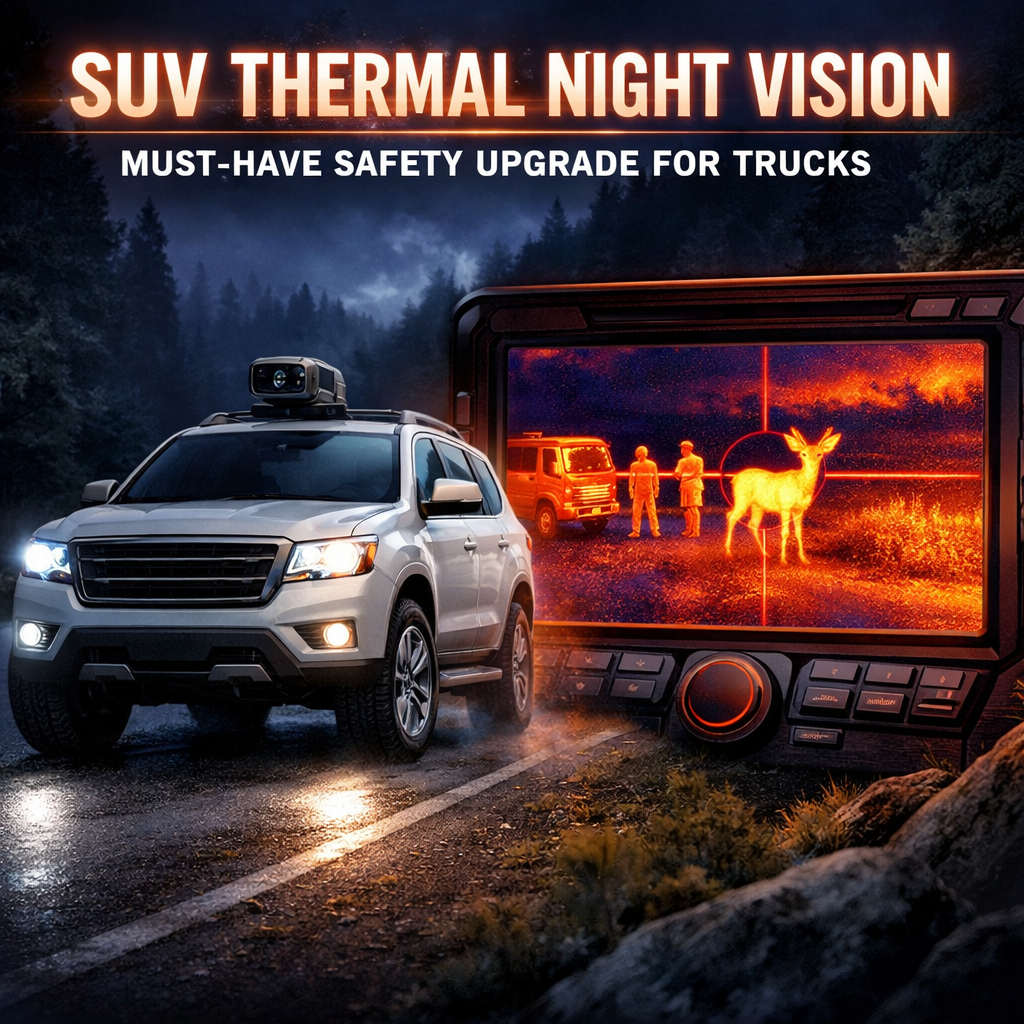
Drivers often compare a backup camera and a car night vision camera because both show a camera image on a screen. However, backup camera differences come down to one core point: one system is built for reversing and parking in the rear view, while the other is built to improve forward awareness when visibility drops at night.
- The Main Difference: Backup Camera Differences Explained
- What Is a Backup Camera?
- What Is a Car Night Vision Camera?
- What Does Each Camera Help the Driver Do?
- Car Night Vision Camera vs Backup Camera in Real-World Scenarios
- City Parking and Driveway Reversing
- Rural Roads After Dark
- Highway Driving at Night
- Fog, Rain, and Snow
- Strong Headlight Glare
- Is a Night Vision Camera Better Than a Backup Camera?
- What to Consider Before Choosing a System
- Your Typical Driving Environment
- Display Location and Driver Workload
- Camera Placement and Installation
- Maintenance
- How Advanced Driver Assistance Fits Into the Comparison
- Can a Backup Camera Be Used for Night Driving?
- Can Night Vision Replace a Backup Camera?
- A Practical Decision Guide
- Frequently Asked Questions
- Is a car night vision camera the same as a backup camera?
- Does a backup camera work in complete darkness?
- Can thermal night vision see through fog?
- Is night vision useful in city driving?
- Do I still need headlights with a night vision camera?
- Which system should I install first?
- Conclusion
- The Main Difference: Backup Camera Differences Explained
- What Is a Backup Camera?
- What Is a Car Night Vision Camera?
- What Does Each Camera Help the Driver Do?
- Car Night Vision Camera vs Backup Camera in Real-World Scenarios
- Is a Night Vision Camera Better Than a Backup Camera?
- What to Consider Before Choosing a System
- Frequently Asked Questions
- Conclusion
The Main Difference: Backup Camera Differences Explained
The most important differences involve viewing direction, operating purpose, camera technology, and driving speed.
| Feature | Car Night Vision Camera | Backup camera differences |
|---|---|---|
| Main viewing area | Usually forward-facing | Rear-facing |
| Primary purpose | Detect hazards in darkness or poor visibility | Assist with reversing and parking |
| Typical driving situation | Night driving, rural roads, fog, glare, rain, or snow | Backing into a space, leaving a driveway, or reversing in traffic |
| Image technology | May use thermal imaging or low-light sensors | Usually a conventional visible-light camera |
| Detection distance | Often designed to show hazards farther ahead | Generally focused on the immediate area behind the vehicle |
| Driver benefit | Improves forward road awareness | Reduces blind zones while reversing |
| Main limitation | Does not replace headlights or driver judgment | May be less useful when driving forward at night |
A backup camera is usually activated when the transmission is shifted into reverse. It displays a rear-facing image on the infotainment screen, mirror display, or a dedicated monitor. Parking guidelines may indicate the vehicle’s path, but the camera does not usually identify hazards independently.
A car night vision camera is generally designed to operate while the vehicle is moving forward. Depending on the system, it may display a monochrome or thermal image and provide visual or audible alerts when a potential hazard is detected.
What Is a Backup Camera?
A backup camera, also called a reversing camera or rear-view camera, is a camera mounted at the rear of a vehicle. Its purpose is to give the driver a wider view behind the car than is available through the rear window and mirrors.
Many modern vehicles include backup cameras as standard equipment. They are especially useful when:
- Reversing out of a driveway
- Parking between other vehicles
- Maneuvering in a crowded parking lot
- Connecting or positioning a trailer
- Checking for low objects behind the bumper
- Reversing near walls, posts, or curbs
The screen often includes colored distance lines or steering path guides. These can help the driver estimate where the vehicle is heading, although they are not a substitute for physically checking the surroundings.
How a Backup Camera Works
A conventional backup camera uses a visible-light image sensor and a wide-angle lens. When reverse gear is selected, the vehicle’s control system sends the image to a display. Some systems combine the camera image with parking sensors, which measure the distance to nearby objects and provide warning tones.
The camera usually points downward and outward to cover the area immediately behind the vehicle. Its field of view is valuable for close-range maneuvering, but it is not normally designed to monitor the road far behind the car or to identify hazards ahead.
Limitations of Backup Cameras
Backup cameras are helpful, but they have several practical limitations:
- They show only the area covered by the lens.
- Heavy rain, snow, mud, or road spray can obscure the image.
- Darkness may reduce image quality if the reverse lights are weak.
- A wide-angle lens can make objects appear farther away than they are.
- The camera may not show cross-traffic approaching from the side.
- It does not usually recognize pedestrians, animals, or vehicles automatically.
- The display may be unavailable or delayed if the vehicle’s electronics malfunction.
Drivers should continue to check mirrors, look over their shoulders when appropriate, and scan around the vehicle before reversing. Even when you understand the backup camera differences, a camera can help reveal an object that is difficult to see, but it cannot guarantee that the area is clear.
What Is a Car Night Vision Camera?
A car night vision camera is a forward-facing driver-assistance system designed to improve awareness in darkness or other conditions where ordinary headlights and human vision may be limited.
Some night vision systems use near-infrared technology, while others use thermal imaging. Thermal systems detect heat differences rather than relying entirely on visible light. This can make warm objects, such as people and animals, stand out against a cooler background even when the scene is very dark.
A night vision display may appear on the dashboard, instrument cluster, head-up display, or a separate screen. Advanced systems can combine the camera image with software that identifies possible pedestrians, animals, vehicles, or other hazards.
How Thermal Night Vision Differs From a Normal Camera
A conventional camera records visible light. Its performance depends on available illumination from headlights, streetlights, moonlight, and other sources.
A thermal imaging camera detects infrared energy associated with heat. It does not produce a normal color photograph. Instead, it creates an image based on temperature differences between objects and their surroundings.
This distinction can be useful on:
- Unlit rural roads
- Roads bordered by fields or woods
- Foggy routes
- Rainy or snowy conditions
- Areas with strong headlight glare
- Roads where animals may enter from the roadside
- Nighttime driving with limited street lighting
Thermal imaging is not perfect. A person or animal may be easier to distinguish from the background, but the system may not provide the same visual detail as a standard camera. Road signs, lane markings, traffic signals, and surface conditions still require ordinary visual observation.
What Does Each Camera Help the Driver Do?
The best way to understand the practical backup camera differences is to compare the driving task each system supports. Backup camera differences become clearer when you separate parking guidance from forward hazard awareness.
Backup Cameras Help With Close-Range Maneuvering
A backup camera is most useful when the vehicle is moving slowly and the driver needs to understand the immediate area behind it. It supports positioning rather than long-range hazard detection.
For example, when backing into a parking space, the driver may use the camera to:
- Align the vehicle between the parking lines.
- Estimate the distance to a curb or wall.
- Check for objects below the rear window.
- Monitor the vehicle’s path while turning.
- Confirm the area behind the car before moving.
Even though both systems show images on a screen, real-world backup camera differences you’ll feel are mostly about rear visibility and safer low-speed control—not long-distance night detection.
Night Vision Helps With Forward Road Awareness
A car night vision camera is more relevant when the vehicle is moving ahead in darkness or poor visibility. It may help draw attention to a hazard before the driver can clearly see it through the windshield.
Examples include:
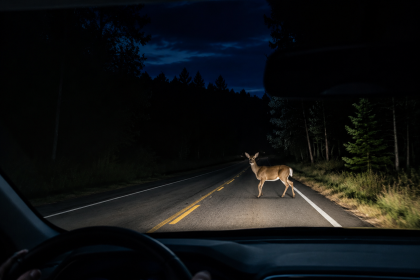
- A deer standing near the edge of an unlit road
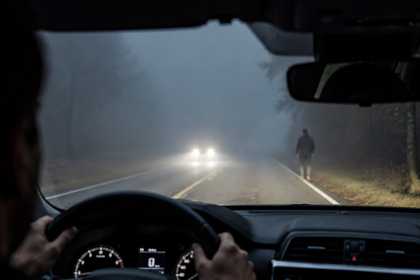
- A pedestrian wearing dark clothing
- A person walking along a rural shoulder
- An animal crossing ahead
- A vehicle stopped beyond the strongest headlight beam
- A hazard partially obscured by fog or glare
The system may provide a separate display or an alert. However, the driver must still decide whether to slow down, brake, steer, or stop. Even when an alert appears, the detection is not the same as confirmed identification, which is why backup camera differences and proper driving judgment both matter.
Car Night Vision Camera vs Backup Camera in Real-World Scenarios
City Parking and Driveway Reversing
For urban parking, apartment garages, driveways, and crowded shopping centers, a backup camera is usually the more directly useful feature. Backup camera differences show up quickly here because the biggest risk is close obstacles behind the vehicle.
These situations involve close obstacles, pedestrians moving around the vehicle, curbs, bollards, and neighboring cars.
Night vision may provide limited benefit during a slow reversing maneuver because it is generally aimed forward rather than behind the vehicle. It cannot replace a rear-facing camera when the main task is backing up.
Rural Roads After Dark
On a rural road with little or no street lighting, the priorities change. A backup camera is largely inactive unless the driver is reversing, while a forward night vision system may support awareness of objects along or near the road.
Backup camera differences matter more here because the hazard is often ahead—such as wildlife entering the roadway.
This can be especially relevant where wildlife is common or where pedestrians and cyclists may be difficult to see. The driver should still reduce speed appropriately, use high beams only when permitted and safe, and remain prepared to brake.
Highway Driving at Night
A backup camera has little role during normal forward highway travel. Backup camera differences continue to favor night vision for forward awareness, not parking.
A night vision system may provide additional information about the road ahead, but it does not replace headlights, lane awareness, mirrors, or safe following distance.
At highway speeds, the driver has less time to respond to any alert. A system that displays a hazard is useful only if the driver is already attentive and traveling at a speed appropriate for the conditions.
Fog, Rain, and Snow
Poor weather can affect both systems. Rain, mud, and snow can cover a backup camera lens and make the image difficult to interpret. Thermal imaging may continue to provide useful heat-based information in some poor-visibility conditions, but its performance varies with weather, distance, moisture, and the type of obstruction.
Backup camera differences also include how each system handles real-world grime: keeping the lenses clean matters for both front and rear camera setups.
Neither system should be treated as a guaranteed solution in heavy fog, intense precipitation, or conditions where the road itself cannot be seen clearly. Slowing down and increasing following distance remain essential.
Strong Headlight Glare
A conventional forward-facing camera can be affected by glare from oncoming headlights. Thermal imaging does not depend on visible light in the same way, so it may provide a different view of the scene. Even so, the driver must manage glare through proper windshield cleaning, appropriate mirror adjustment, and reduced speed when necessary.
Is a Night Vision Camera Better Than a Backup Camera?
Neither technology is universally better because they address different risks. Thinking in terms of the most relevant backup camera differences helps you match the feature to the problem you actually face.
A backup camera is better for:
- Reversing
- Parking
- Driveway safety
- Low-speed maneuvering
- Seeing close objects behind the vehicle
A car night vision camera is better suited to:
- Unlit roads
- Forward nighttime driving
- Rural routes
- Wildlife awareness
- Poor-visibility conditions
- Detecting potential hazards beyond the immediate headlight view
If a vehicle lacks a backup camera, adding one may provide more everyday value for a driver who parks frequently or reverses in tight spaces. If the vehicle already has a rear camera and the driver often travels on dark rural roads, a forward night vision or thermal imaging system may address a different visibility gap.
To compare additional nighttime safety tools, see Automotive Night Vision: 7 Powerful Safety Benefits.
What to Consider Before Choosing a System
Your Typical Driving Environment
Think about where and when you drive rather than choosing based solely on the feature name. With the right backup camera differences in mind, you can prioritize the system that targets your most common risk.
A backup camera may be the priority if you regularly deal with:
- Narrow driveways
- Busy parking lots
- Children or pets near the driveway
- Large vehicles with limited rear visibility
- Trailers or cargo that block the rear window
A night vision system may deserve more consideration if you frequently drive:
- On unlit country roads
- Through wooded areas
- During late-night commutes
- In regions with frequent wildlife activity
- In fog, rain, or snow
- On roads where pedestrians are difficult to see
Display Location and Driver Workload
A useful system should present information without creating a distracting second task. Consider whether the image appears in a familiar location, whether alerts are easy to understand, and whether the controls can be used without taking attention away from the road.
A system that produces too many warnings may cause alert fatigue. Clear alert behavior and a readable display are more important than a long list of features.
Camera Placement and Installation
A backup camera must be mounted where it can see behind the vehicle without being blocked by the license plate, tailgate, spare tire, or trailer equipment. It also needs protection from dirt and water.
A forward night vision camera requires a clear view through the grille or windshield area, depending on its design. Installation should not obstruct the driver’s view, interfere with airbags, or compromise vehicle wiring. Professional installation may be appropriate when the system requires integration with factory electronics.
Maintenance
Both systems benefit from simple maintenance:
- Clean camera lenses regularly.
- Remove mud, salt, ice, and road film.
- Check that the display activates correctly.
- Inspect wiring and mounting points.
- Confirm that parking guidelines remain aligned after camera movement.
- Follow the manufacturer’s instructions for calibration or software updates.
A dirty lens can create a serious difference between what the camera appears to show and what is actually behind or ahead of the vehicle. This matters when reviewing backup camera differences in real use, because image quality strongly affects how confidently you can maneuver.
How Advanced Driver Assistance Fits Into the Comparison
Modern safety technology increasingly combines cameras, radar, ultrasonic sensors, software, and thermal imaging. These systems may identify potential hazards, but their capabilities depend on sensor design, weather, road conditions, calibration, and the driver’s response.
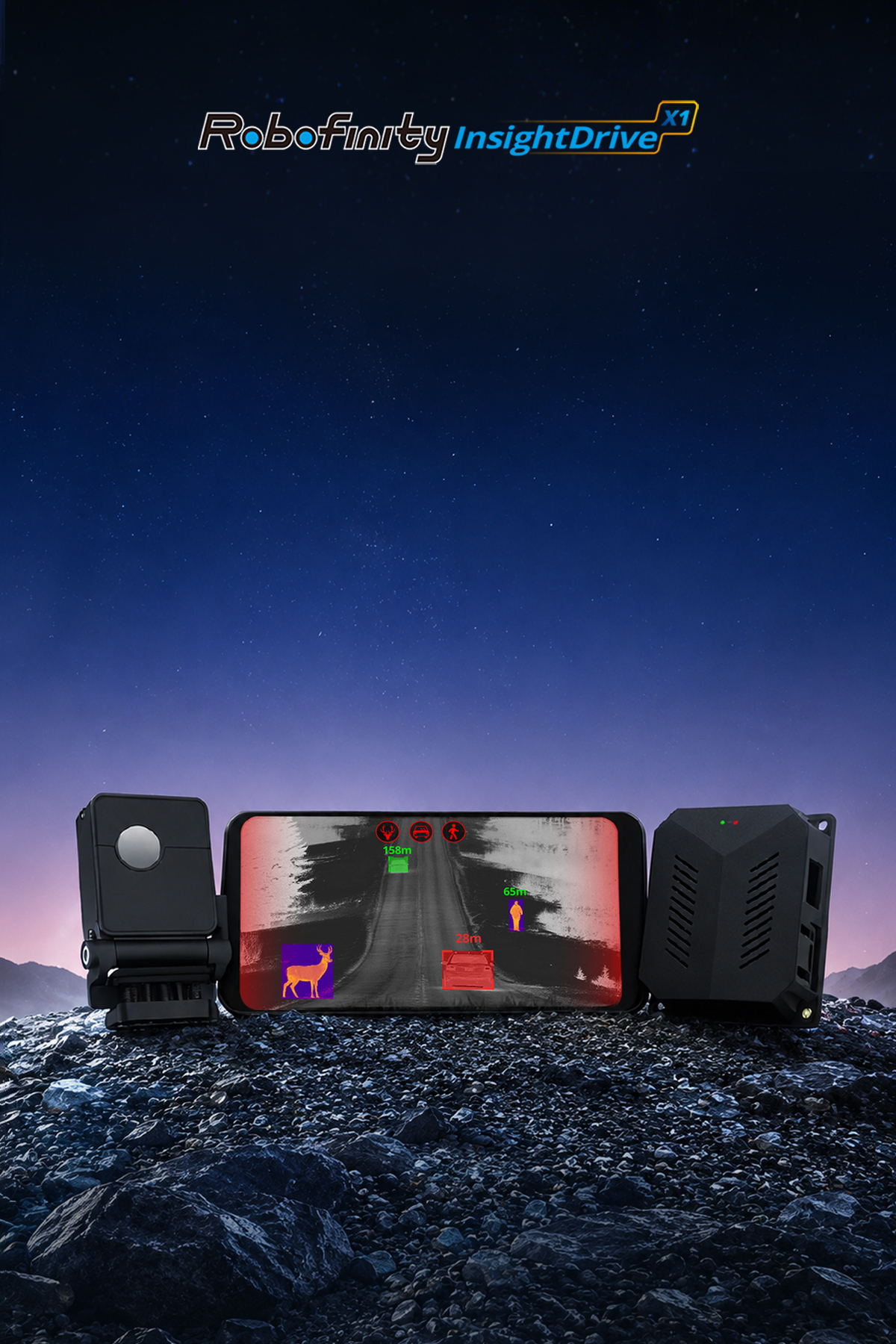
For drivers who spend significant time on dark roads, an aftermarket system such as Robofinity InsightDrive can serve as an example of vehicle thermal imaging night vision intended to support awareness of pedestrians, animals, vehicles, and obstacles in low-light or poor-visibility conditions. It should be viewed as an additional source of information, not a replacement for headlights, mirrors, safe speed, braking distance, traffic laws, or driver attention.
This type of technology is different from a backup camera because its main role is forward hazard awareness rather than rearward parking guidance. Backup camera differences also mean the feature you choose should match your most frequent risk—rear clearance issues or forward visibility gaps.
Can a Backup Camera Be Used for Night Driving?
A backup camera can improve visibility behind the vehicle at night, especially in a well-lit parking area or driveway. Even so, backup camera differences matter most here because reverse lighting typically illuminates only the immediate area behind the vehicle.
Many vehicles use reverse lights to illuminate the immediate area, and the camera can show objects that are difficult to see through the rear window.
However, it is not designed to provide continuous forward visibility during normal nighttime travel. It also may not work well if the lens is dirty or if the surroundings are too dark for the camera sensor.
Drivers should not use a backup camera as a substitute for a forward night vision system, and they should not rely on either camera alone when visibility is poor.
Can Night Vision Replace a Backup Camera?
No. A forward night vision camera does not normally show the close-range area directly behind the vehicle. It cannot provide the same view needed for reversing into a parking space, checking a curb, or monitoring an object near the rear bumper.
If a vehicle has poor rear visibility, a backup camera, rear parking sensors, or a surround-view system may be more appropriate. Backup camera differences are clear: night vision is a forward tool, while backup cameras are built for rear maneuvering.
A Practical Decision Guide
Use this quick framework when comparing options:
Choose a Backup Camera First If:
- You frequently reverse in tight spaces.
- Your vehicle has a large rear blind zone.
- You park near walls, posts, curbs, or other vehicles.
- You have limited visibility through the rear window.
- You want a practical low-speed driving upgrade.
Consider Night Vision If:
- You regularly drive on unlit roads.
- Wildlife is a concern in your area.
- You commute late at night.
- You encounter fog, glare, rain, or snow.
- Your main concern is seeing hazards ahead sooner.
Consider Both If:
- Your vehicle lacks rear visibility and forward visibility support.
- You drive in a wide range of environments.
- You want separate tools for parking and nighttime road awareness.
- You understand that both systems depend on proper use and driver judgment.
Frequently Asked Questions
Is a car night vision camera the same as a backup camera?
No. A backup camera is rear-facing and mainly assists with reversing and parking. A car night vision camera is generally forward-facing and helps improve awareness during dark or poor-visibility driving. Those backup camera differences come down to viewing direction and the hazard the system is designed to help with.
Does a backup camera work in complete darkness?
It may provide an image using reverse lights or available ambient lighting, but image quality can decline in very dark conditions. A dirty lens, rain, snow, or mud can further reduce visibility, which is one reason backup camera differences matter in nighttime parking.
Can thermal night vision see through fog?
Thermal imaging may provide useful information in some foggy conditions because it detects heat rather than relying only on visible light. However, performance depends on fog density, distance, weather, and the objects being viewed. It is not a guarantee of clear vision.
Is night vision useful in city driving?
It can be useful on dark side streets, poorly lit roads, or areas where pedestrians and cyclists are difficult to see. In brightly lit city centers, the added value may be lower because streetlights and traffic provide more visible information.
Do I still need headlights with a night vision camera?
Yes. Night vision is a driver-assistance tool and does not replace headlights. Headlights are needed to illuminate the road, signs, lane markings, and other details that thermal or low-light systems may not display accurately.
Which system should I install first?
The best starting point depends on your most common risk. Choose a backup camera if reversing and parking visibility are the main problems. Consider night vision if your main concern is forward visibility on dark or poorly lit roads.
Conclusion
A backup camera and a car night vision camera are complementary technologies, not competing versions of the same feature. The backup camera helps with close-range rear visibility while reversing, parking, and maneuvering. Night vision supports forward road awareness when darkness, glare, weather, or limited lighting makes hazards harder to recognize.
As you weigh backup camera differences, start with your actual driving routine. Consider whether you spend more time in crowded parking areas or on unlit roads, whether your vehicle has rear blind spots, and how often you encounter wildlife or poor visibility. Whichever system you use, keep the camera clean, understand its limitations, and continue relying on headlights, mirrors, appropriate speed, braking distance, and active observation.
For broader background on vehicle lighting and visibility concepts, you can review the U.S. National Highway Traffic Safety Administration’s guidance on lighting and visibility: Vehicle visibility.
You may also want to review related buying considerations for vehicles that frequently reverse or park in tight spaces, such as Vehicle Mounted Thermal Camera: 7 Best Features.