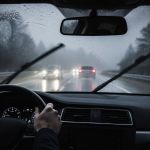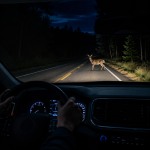
Thermal Imaging in Low Visibility helps drivers notice heat signatures when darkness, fog, rain, snow, or glare makes the road harder to read. Thermal cameras do not rely on ambient light the way standard visible-light cameras do, which is why they can add another layer of awareness when human vision and headlights begin to reach their limits.
- How thermal cameras work
- Why thermal cameras help in low visibility
- Where thermal cameras struggle
- How they perform in darkness, fog, rain, snow, and glare
- What thermal cameras are best at detecting
- What thermal cameras are not best at
- Practical driving scenarios where thermal imaging helps
- What drivers should look for in a thermal camera system
- How thermal imaging compares with other low-visibility approaches
- Limitations drivers should respect
- FAQ
- Conclusion
This matters because low visibility is not limited to nighttime driving. It also shows up in dawn and dusk commutes, stormy weather, rural roads, and glare-heavy highway driving. In those conditions, thermal cameras can help reveal pedestrians, animals, vehicles, and other obstacles that might otherwise blend into the background.
Table of Contents
How thermal cameras work
A thermal camera does not see the road the way a standard camera does. It detects infrared energy, which objects emit based on heat. Warm objects such as people, animals, engines, and recently driven vehicles often stand out more clearly than cooler surroundings.
That is the basic reason thermal imaging in low visibility can be useful in poor-visibility conditions. When visible light is weak or scattered, heat patterns may still remain measurable. A thermal camera converts those heat differences into an image the driver can interpret.
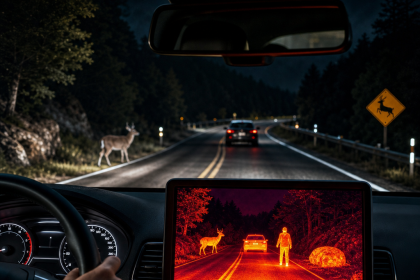
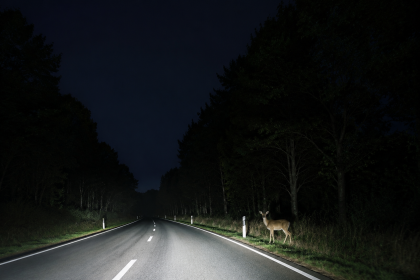
In automotive use, this is especially relevant because many road hazards are not easy to spot with headlights alone. A person in dark clothing, an animal crossing a rural road, or a stopped vehicle at the edge of a dark lane can be easier to identify if the system is trained to pick up heat signatures early.
For a deeper comparison of vehicle-focused systems, see Automotive Thermal Night Vision Buying Guide.
Why thermal cameras help in low visibility
Thermal cameras have a few practical advantages when visibility drops.
First, they do not rely on headlights to create contrast in the scene. That makes them useful when rain, fog, snow, or darkness weakens visible-light imaging.
Second, they can highlight living objects and mechanical heat sources that may stand out against a cooler background. That can be helpful on rural roads, mountain roads, and unlit highways where unexpected hazards are more common.
Third, they can sometimes provide earlier awareness than a driver would get from the naked eye alone. Early awareness is not the same as automatic prevention, but it can give the driver more time to slow down, scan, and respond.
Thermal Imaging in Low Visibility and driver awareness
In practice, thermal imaging in low visibility is most valuable when the driver needs a fast cue that something warm is ahead. It does not replace judgment, but it can make a hazard easier to notice before the situation becomes urgent.
It also changes what “contrast” means. Instead of light and shadow, the system emphasizes temperature differences. When the real world looks washed out, like fogged windshields or glare-heavy pavement, the thermal contrast can remain one of the clearest signals available.
Where thermal cameras struggle
Thermal cameras are useful, but they are not magic. Their performance depends on the scene and the temperature contrast available.
If an object is close to the surrounding temperature, it may be harder to distinguish. Some background surfaces can also retain heat, which may create clutter in the image. For example, asphalt, engine components, and sun-warmed surfaces can stay warm after daylight hours and make the thermal scene busier than a simple black-and-white outline might suggest.
Thermal cameras also do not replace the need for lane discipline, braking distance, mirrors, or normal headlight use. They are best understood as an awareness tool, not a substitute for basic driving habits.
Additionally, the usefulness of any thermal solution depends on how quickly the driver can interpret what they see. If the display is too small, too dim, or positioned in a way that distracts, the theoretical detection benefit may not translate to better real-world decisions.
How they perform in darkness, fog, rain, snow, and glare
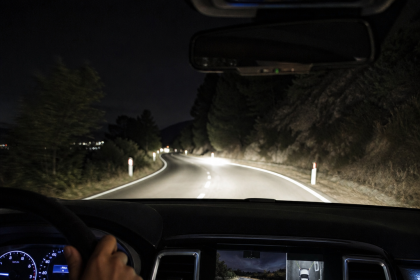
Darkness is where thermal cameras are most intuitive to understand. In a completely dark environment, a conventional camera needs light to create a usable image. A thermal camera does not.
That is why night driving is one of the main use cases for vehicle thermal imaging in low visibility. A person crossing a road, an animal near the shoulder, or a vehicle parked in a poorly lit area may be more visible in thermal data than in standard video.
This can be especially useful on roads with limited lighting, where the driver’s eyes have less time to adjust and fewer visual cues to work with. Still, darkness performance should be judged carefully. Thermal cameras can improve awareness, but they may not show all details the way a bright daytime camera would. Road markings, signs, and lane edges can remain hard to interpret without normal lighting.
To get the most out of thermal imaging in low visibility at night, drivers should treat the thermal feed like a supplement, not a primary navigation map. Use it to spot warm targets early, then confirm with your overall driving system: headlights, lane position, and speed management.
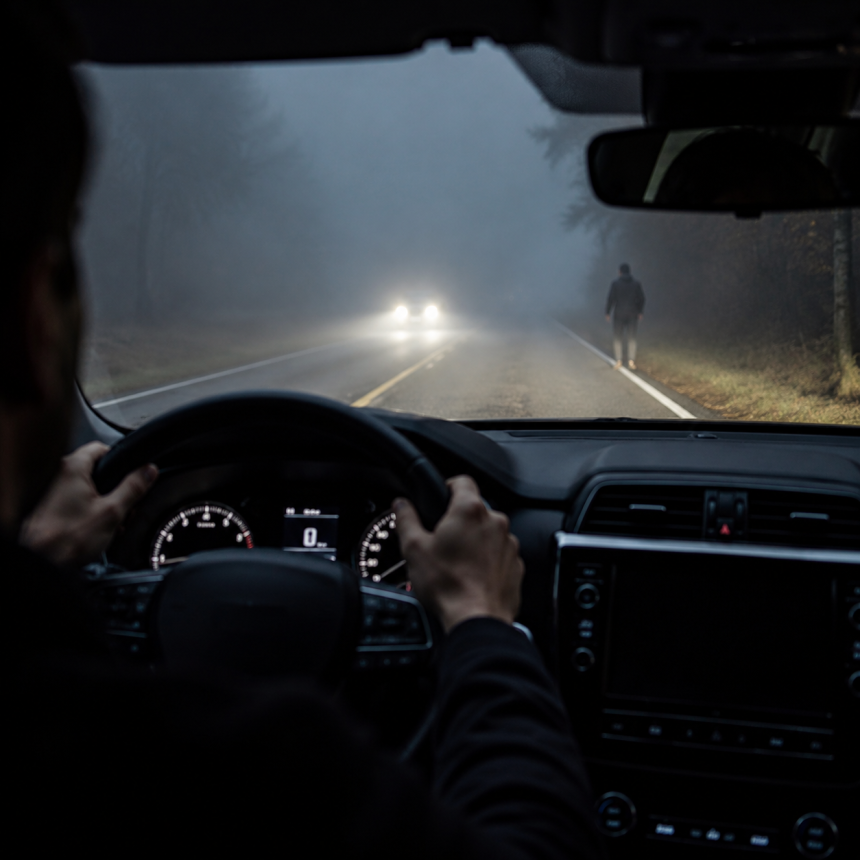
Fog is one of the most common reasons drivers ask about thermal imaging in low visibility. Fog scatters visible light, which is why regular headlights can create glare and a white wall effect rather than a clear view.
Thermal cameras often perform better than standard cameras in fog because they are not dependent on visible light transmission in the same way. Heat differences can remain detectable even when the road itself looks muted or washed out.
That said, thick fog still limits all forms of vision. Thermal imaging may help with object awareness, but it will not restore the full clarity of a clear day. Drivers still need to reduce speed, leave extra following distance, and use proper fog-driving technique.
Rain can reduce visibility in two ways. It can obscure the windshield and it can scatter light from headlights and oncoming traffic. Thermal cameras are less affected by glare than visible-light cameras, which can be useful in wet weather.
The main benefit in rain is that heat-based contrast may remain visible even when the scene looks dim or reflective. That can help drivers notice people or vehicles in the distance more easily than they would through a standard camera feed alone.
There are still limits. Heavy rain can blur the overall scene, and water on the lens or windshield-mounted surfaces can affect image quality. So while thermal imaging may stay useful, it is not a cure-all for storm conditions.
Snow creates another kind of visibility problem. It can reduce contrast, brighten the scene in a misleading way, and reflect light back into the driver’s eyes. Whiteout conditions are especially difficult because the visual scene becomes flat.
Thermal cameras can help by separating warmer objects from the colder snow-covered environment. A person, animal, or vehicle may stand out more clearly than in a standard image, particularly at night or during low-light snowfall.
But snow also introduces practical complications. Accumulation on the camera housing, sensor obstruction, and cold-weather performance limits can all affect reliability. A thermal camera may remain useful, but it still needs proper placement and maintenance to work consistently in winter conditions.
Glare is one of the most underrated visibility problems on roads. It can come from low sun, wet pavement, reflective surfaces, headlights, or a mix of all three. Even when visibility is not technically low, glare can make it harder to interpret the road.
Thermal cameras often have an advantage here because they are not interpreting brightness in the same way visible-light systems do. They focus on heat, so glare from sunlight or headlights is less disruptive to the core detection method.
That does not mean the thermal image will be perfect in glare-heavy driving. The rest of the driving environment still matters, and the driver still has to watch the road carefully. But in comparison with standard cameras, thermal imaging can be more stable when lighting conditions are harsh.
What thermal cameras are best at detecting
Thermal cameras are especially useful for objects that emit measurable heat. In automotive use, that often means:
- People
- Animals
- Vehicles with warm engines
- Recently used machinery
- Some obstacles that stand out thermally from the background
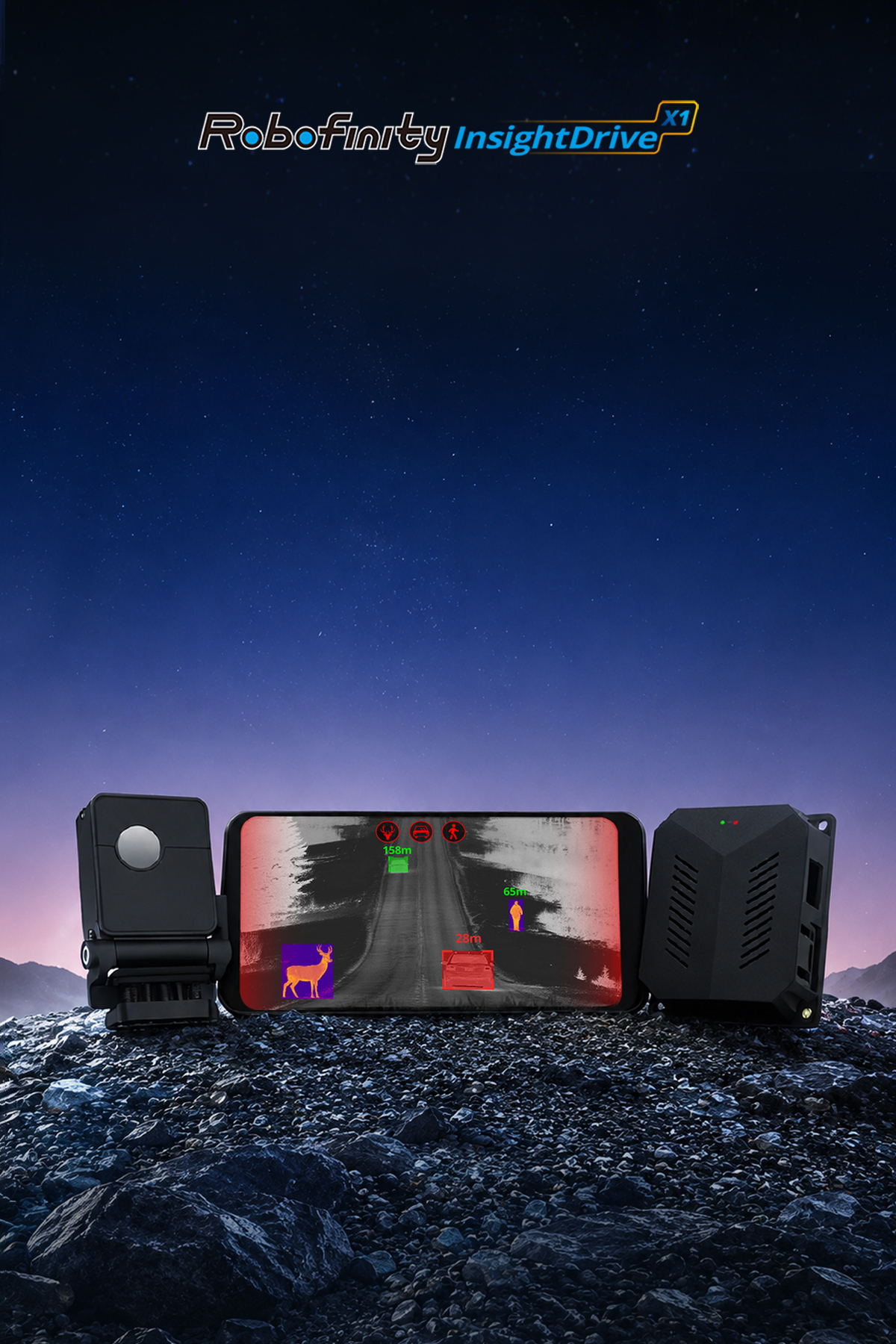
That makes them especially relevant for low-visibility driving where unexpected movement matters more than perfect visual detail. On a rural road at night, for example, the biggest risk is often not missing a lane line. It is missing a person, deer, bike, or stalled vehicle until there is too little time to react.
For a practical example of how this kind of tool is used, Robofinity InsightDrive is positioned as a vehicle thermal imaging system that supports awareness of pedestrians, animals, vehicles, and obstacles in low-light and poor-visibility conditions.
What thermal cameras are not best at
Thermal cameras are not ideal for reading road signs, identifying paint markings, or giving a full-color view of the environment. They are also not a replacement for a normal camera when the driver needs detail, context, or visual confirmation.
That matters because a good driving setup usually combines tools rather than relying on a single one. Mirrors, headlights, windshield condition, tire grip, wipers, and driver attention still do the heavy lifting. A thermal camera is there to improve awareness, not to replace the rest of the vehicle’s safety system.
Practical driving scenarios where thermal imaging helps
Rural roads at night are one of the strongest use cases. Low lighting, uneven shoulders, and animal crossings all make the road harder to read. Thermal imaging in low visibility can help a driver notice movement or heat signatures sooner, improving the odds of an earlier, smoother response.
Highway driving in poor visibility is another useful scenario. On highways, speed leaves less reaction time. If fog, rain, or glare reduces clarity, thermal imaging in low visibility can add another layer of forward awareness.
Urban driving in dim areas can also benefit. City traffic usually has more ambient light, but parked cars, shaded blocks, and dark crosswalks can still hide hazards. Thermal imaging is not a city-only tool, but it can still help in certain low-light zones, especially where a person might be partially obscured from view.
Bad weather commuting is common, and rain and snow are familiar visibility challenges. Thermal systems can remain useful when visible-light sensors struggle, though they still need proper maintenance and careful driving.
Long-distance night driving is another place where thermal imaging in low visibility can help. Fatigue already makes night driving harder. Thermal imaging can provide additional support for noticing what is ahead, especially on routes where lighting changes from one segment to another.
What drivers should look for in a thermal camera system
If you are considering a vehicle thermal imaging system, the useful questions are usually practical ones.
- How well does it detect people, animals, and vehicles?
- How clear is the display at night?
- How does it behave in rain, fog, and snow?
- Is the image easy to understand quickly while driving?
- Does it provide alerts, or only a visual feed?
- How is the camera protected from weather and road debris?
- Does the system fit the way you actually drive?
A system can have strong technical claims and still be awkward in practice if the screen is hard to read or the alerts are distracting. Usability matters as much as raw detection ability.
It is also smart to compare thermal imaging in low visibility across different environments: open highways, tree-lined roads, and areas with reflective pavement. That helps you understand when the thermal contrast is strong and when it becomes cluttered.
For a primary-source overview of visibility and driving safety guidance, the National Highway Traffic Safety Administration publishes useful reference material at NHTSA.
How thermal imaging compares with other low-visibility approaches
Thermal cameras are one method of improving awareness in tough conditions, but they work differently from infrared illuminators and standard visible-light cameras. Infrared night vision often depends on lighting or illumination, while thermal focuses on heat signatures.
That difference is important when you are choosing a system for real-world driving. If your goal is earlier detection of warm objects when the scene is visually washed out, thermal imaging in low visibility is designed for that job. If your goal is image detail and identification at short ranges, visible-light tools may still be required for the final confirmation.
To understand how infrared-based night vision approaches differ, see Thermal Infrared Night Vision vs Infrared Night Vision: What’s the Difference?.
Limitations drivers should respect
A thermal camera can help, but it should not change how carefully you drive in bad visibility.
Keep in mind:
- You still need proper following distance.
- You still need headlights, wipers, and clean glass.
- You still need to slow down in fog, rain, or snow.
- You still need to scan the road manually.
- You still need to obey traffic laws and road conditions.
That is the right way to think about thermal imaging technology. It improves what the driver can notice, but it does not remove the need for judgment.
In that sense, thermal imaging in low visibility works best as a support tool. It adds information, but it does not replace the driver’s responsibility to respond correctly.
Tip: When conditions are harsh, practice smooth speed changes and longer reaction time. A thermal feed can reveal hazards sooner, but it cannot guarantee the safest outcome if you still drive too fast for the conditions.
FAQ
Do thermal cameras work in complete darkness?
Yes. Thermal cameras can detect heat signatures without relying on visible light, which makes them useful in dark conditions.
Are thermal cameras better than regular cameras in fog?
Often, yes, for object awareness. They are usually less affected by visible-light scattering, though thick fog still limits visibility overall.
Can thermal cameras see through rain or snow?
Not perfectly. They may still perform better than standard cameras in some low-visibility weather, but heavy rain or snow can still reduce image quality.
Do thermal cameras replace headlights?
No. Headlights are still necessary. Thermal imaging is an additional awareness tool, not a replacement for normal driving equipment.
What do thermal cameras detect best?
They are generally strongest at detecting warm objects such as people, animals, vehicles, and some obstacles that stand out thermally from the background.
Are thermal cameras useful for everyday driving?
They can be useful if you frequently drive at night, on rural roads, or in poor weather. For mostly daylight urban driving, the benefit may be more limited.
Conclusion
Thermal cameras perform best when visibility is low but there is still meaningful heat contrast in the scene. That makes them useful for night driving, fog, rain, snow, glare, and rural-road hazards, especially when the driver needs earlier awareness of people, animals, or vehicles ahead.
Thermal Imaging in Low Visibility works best as part of a broader safety approach: keep headlights and glass clean, slow down in harsh weather, and use the thermal feed to spot warm targets sooner. If you want to explore related performance factors, consider how thermal systems handle real detection distances and alerts in practical night scenarios.