Thermal Imaging at Night: Why Off-Road Vehicles Need It for Trail Safety
Learn why thermal imaging at night helps off-road drivers detect people, animals, and trail hazards beyond the reach of headlights…
RV Night Vision Systems: Why RVs Need Them for Night Driving
Learn how RV night vision systems improve awareness of pedestrians, animals, and road hazards when driving after dark or in…
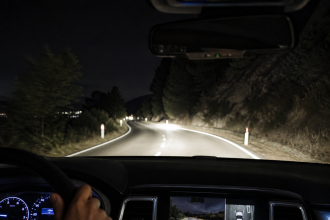
SUV Night Driving Safety: How to Choose Night Safety Features for SUVs
Compare headlights, night vision, and driver-assistance tools to build SUV night driving safety for clearer visibility and smarter hazard awareness.
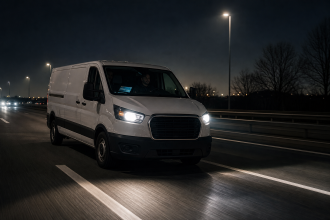
Fleet Night Vision: How Night Vision Systems Reduce Night Accidents for Fleets
Fleet night vision helps fleet operators improve nighttime visibility and earlier hazard detection to reduce night accidents.
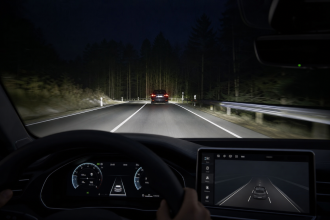
Night Driving Assistance Systems Explained: Types, Benefits, and Limitations
Night driving assistance systems explained: types, benefits, and limitations for safer visibility after dark.
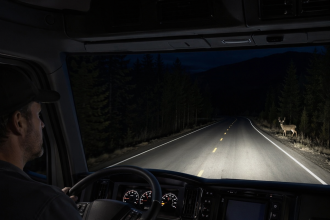
Truck Night Vision System Buying Guide for Safe Driving
Explore how a truck night vision system can improve visibility after dark, with practical tips for choosing the right setup…
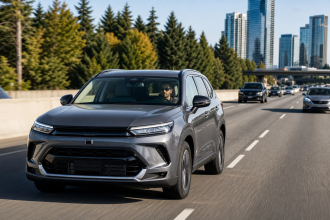
How Automotive Safety Technology Is Changing Today
Explore how automotive safety technology is evolving with smarter driver-assistance features, advanced sensors, and safer everyday driving.

Nighttime Pedestrian Detection Technology: The Future of Safer After-Dark Detection
Nighttime pedestrian detection is evolving with smarter sensors and AI, improving visibility and driver awareness after dark.
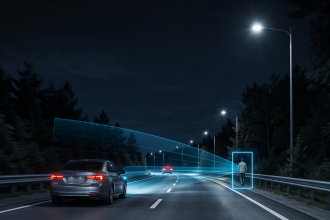
Automotive Thermal Imaging Supports Autonomous Driving Perception: How It Enhances Sensor Fusion
Automotive thermal imaging supports autonomous driving perception by improving obstacle detection and sensor fusion in low-visibility conditions.
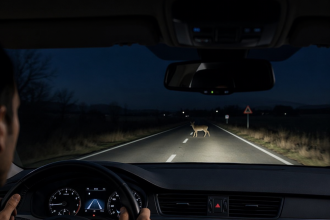
Car Night Vision Systems and ADAS: How They Work Together
How car night vision systems relate to ADAS—where thermal/IR sensing helps, how it supports driver warnings, and the practical limits…