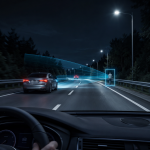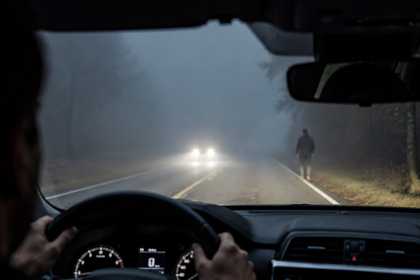
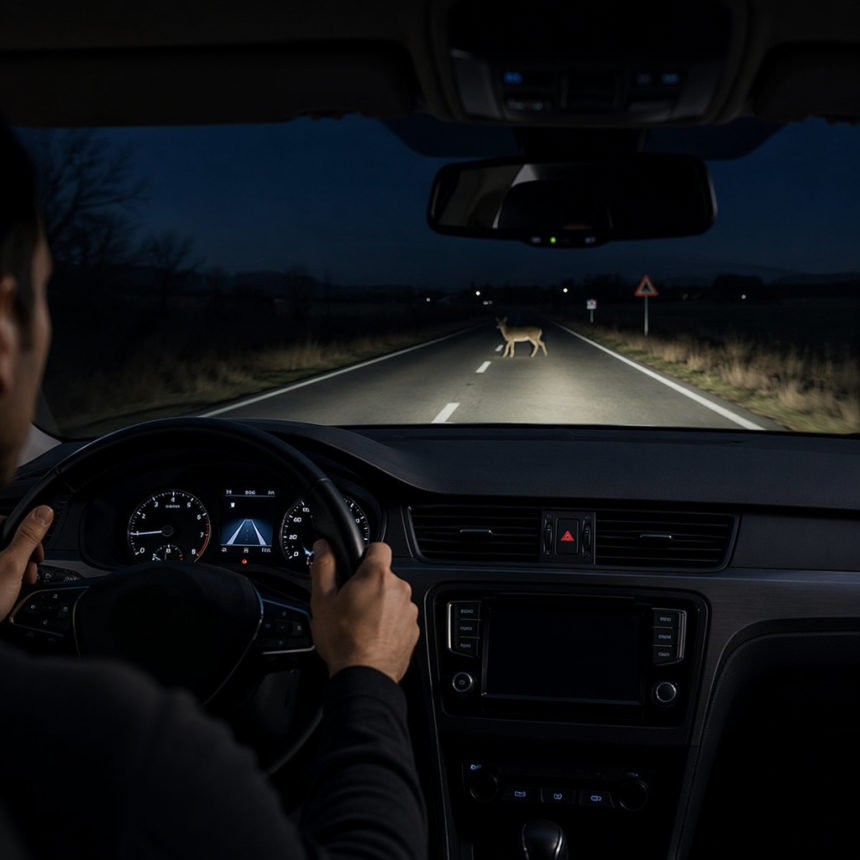
Car Night Vision Systems and ADAS are connected because both are designed to improve what the driver can detect in low-light and poor-visibility conditions. Night vision adds another layer of sensing, and ADAS uses that information to warn, assist, or reduce workload when hazards are harder to see.
- What Car Night Vision Systems Actually Do
- How Night Vision Fits Into ADAS
- Why Night Vision Matters for Driving Safety
- Thermal Imaging Versus Other Night Vision Approaches
- How Night Vision Works With Other ADAS Features
- Forward collision warning and emergency braking
- Pedestrian and animal detection
- Sensor fusion
- Lane-related and driver-awareness support
- Where Night Vision Helps Most
- Practical Limits Drivers Should Understand
- How This Relates to Vehicle Buying Decisions
- Ask how the system is integrated
- Consider your driving environment
- Balance feature value against everyday use
- Look at related upgrades, not only factory options
- Advanced safety upgrades beyond factory ADAS
- What night vision cannot do
- Maintenance and Ownership Considerations
- FAQ
- Is car night vision part of ADAS?
- Does night vision replace headlights?
- What is the main benefit of car night vision systems?
- Is thermal imaging better than a standard camera at night?
- Can car night vision systems help in fog or rain?
- Should I prioritize car night vision systems when buying a car?
- Conclusion
Table of Contents
- What Car Night Vision Systems Actually Do
- How Night Vision Fits Into ADAS
- Why Night Vision Matters for Driving Safety
- Thermal Imaging Versus Other Night Vision Approaches
- How Night Vision Works With Other ADAS Features
- Where Night Vision Helps Most
- Practical Limits Drivers Should Understand
- How This Relates to Vehicle Buying Decisions
- Maintenance and Ownership Considerations
- FAQ
What Car Night Vision Systems Actually Do
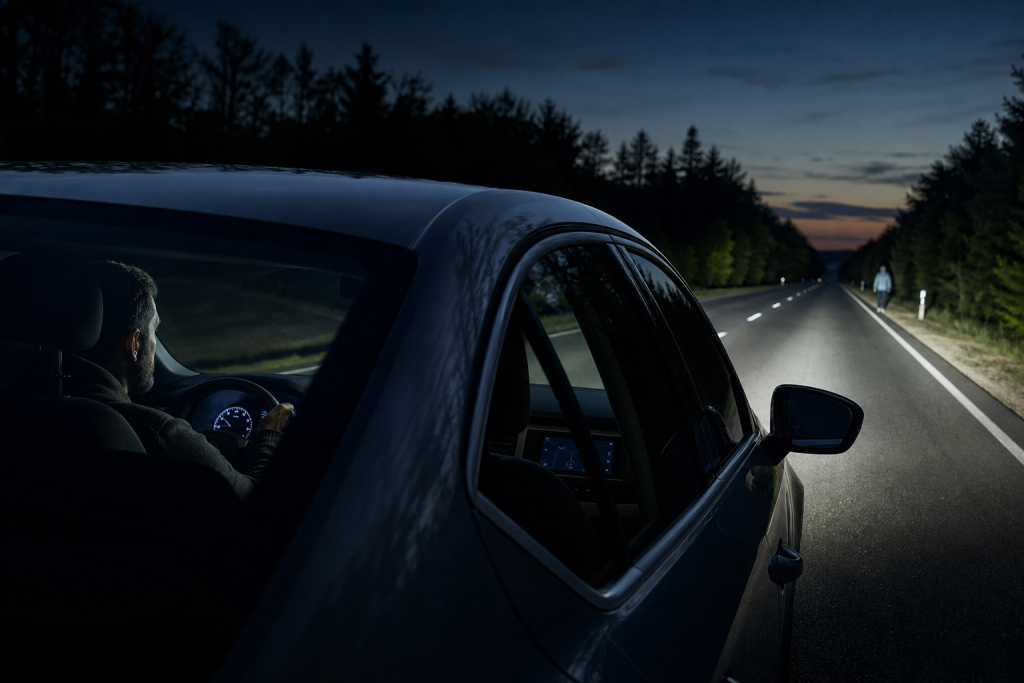
Car Night Vision Systems are designed to help drivers see beyond normal headlight reach or spot hazards that are hard to notice in darkness. Depending on the system, they may use thermal imaging, infrared sensing, or other camera-based detection methods to identify people, animals, vehicles, or obstacles ahead.
The key point is that car night vision systems do not drive the car for you. They are not a replacement for attention, headlights, road scanning, or safe following distance. Instead, car night vision systems are a visibility aid that can complement other safety technology.
That is where the relationship to ADAS becomes important. In practice, car night vision systems can improve early awareness—so the broader safety features can react with more time and confidence.
How Night Vision Fits Into ADAS
ADAS stands for advanced driver-assistance systems. It is an umbrella term for technologies that help a driver detect hazards, maintain control, and reduce workload. Common ADAS features include automatic emergency braking, lane departure warning, adaptive cruise control, blind-spot monitoring, and forward collision warning.
Car Night Vision Systems fit into that broader category when they feed useful hazard information to the driver or to other assistance functions. In other words, car night vision systems support the same goal as other driver-assistance technology: improving road awareness and reducing the chance of missing something important.
The shared purpose
Night vision and ADAS overlap in purpose more than in hardware. Both are built to improve awareness, especially when conditions make driving harder than usual.
A night vision system can help detect:
- Pedestrians crossing a dark road
- Animals near rural roads
- Stopped vehicles or obstacles ahead
- Hazards hidden by glare, shadows, fog, rain, or snow
ADAS features may then use that information in one of two ways. Some systems only warn the driver. Others integrate data from multiple sensors to trigger braking, steering support, or other interventions when the vehicle believes a collision may be likely.
The difference between ADAS and night vision
Not every night vision system is fully integrated into ADAS. Some function mainly as a separate display or warning aid. Others are tightly linked with the vehicle’s sensor suite and software.
A simple way to think about it:
- ADAS is the broader safety framework
- Night vision is one sensing method that may strengthen that framework
That distinction matters because car night vision systems can be helpful without being autonomous or predictive in the way people sometimes assume. Car night vision systems can identify a person on the road, but the driver still decides how to respond.
Why Night Vision Matters for Driving Safety
Night driving creates a different visibility problem from daytime driving. Headlights illuminate only part of the road, glare can be harsh, and the human eye is less effective at detecting contrast in the dark. A pedestrian wearing dark clothing on an unlit street may be difficult to see until they are already close. Animals can emerge suddenly from the roadside. Road debris can blend into the pavement.
Car Night Vision Systems add value within an ADAS ecosystem because they can help reveal hazards earlier than the driver might otherwise notice them.
Real-world driving scenarios
The practical value becomes clearer in specific situations:
- Rural roads: Deer, livestock, or other animals may appear outside the headlight beam.
- Urban streets at night: Pedestrians may step out from between parked cars or cross outside marked crossings.
- Highway driving: A stopped vehicle or debris may be harder to see at speed, especially if surrounding traffic is distracting.
- Poor weather: Rain, fog, and spray can reduce the effectiveness of visual scanning and standard lighting.
In these cases, car night vision systems act as an additional layer of awareness rather than a standalone solution.
How this changes the driver experience
Many ADAS drivers focus on whether a system “works,” but the more relevant question is how it changes the time you have to react. Earlier detection can mean:
- More time to slow down smoothly before a warning turns critical
- Better readiness to steer back into the lane if hazards appear suddenly
- Less surprise when objects appear beyond headlight range
Even when ADAS still requires driver interpretation, reducing surprise is one of the biggest safety wins of improved night sensing.
Thermal Imaging Versus Other Night Vision Approaches
Many drivers use the phrase “night vision” broadly, but the actual technology can differ. Those differences affect what the system highlights, what it ignores, and how it supports ADAS decisions.
Thermal imaging systems
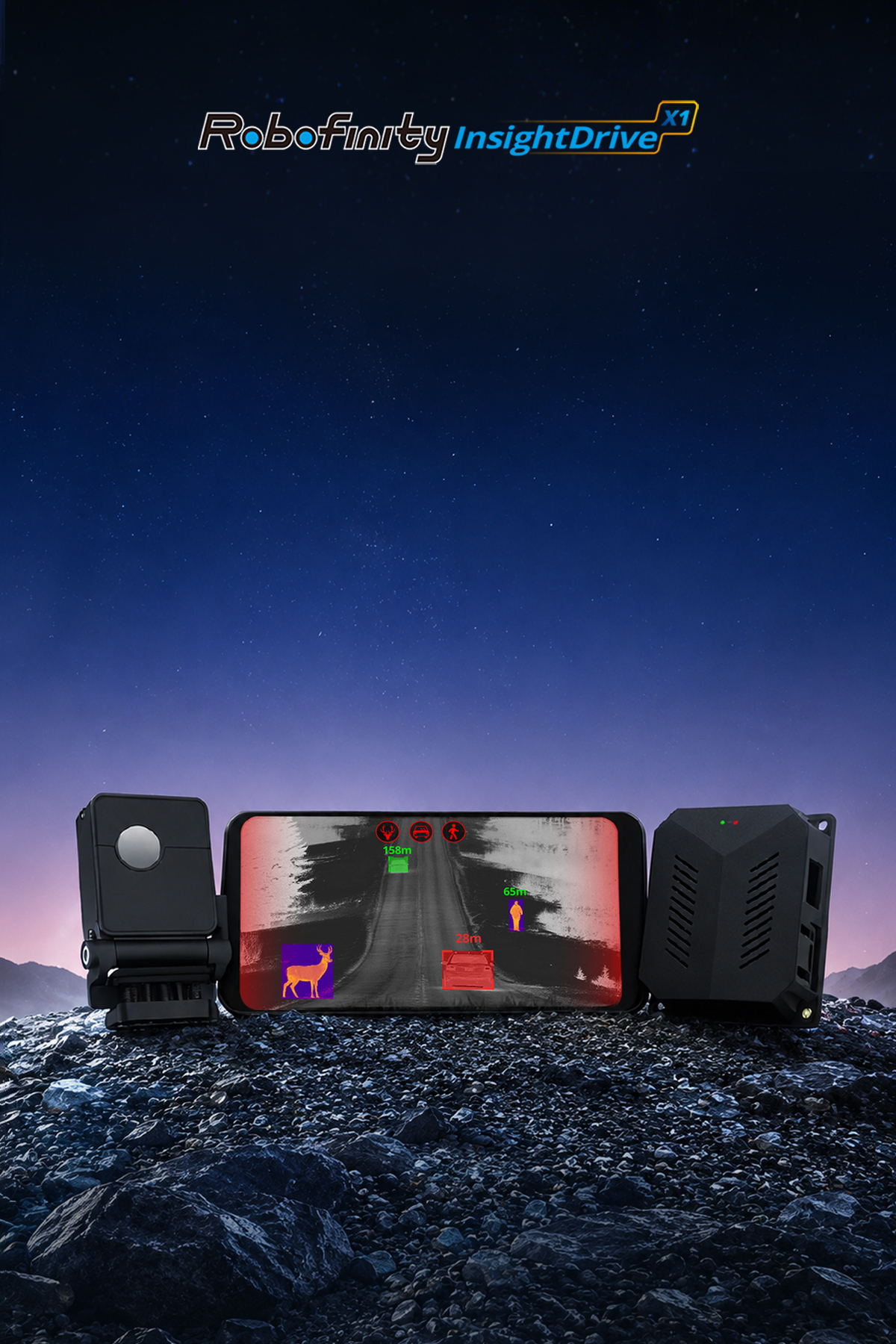
Thermal imaging detects heat differences. Living beings such as people and animals often stand out more clearly because they produce heat signatures. That is one reason car night vision systems are often discussed in connection with pedestrian detection and animal detection.
Thermal imaging can be useful in darkness and some poor-visibility scenarios because it is not dependent on visible light in the same way a standard camera is. It can still have limitations, though. It may not show road markings, signs, or object detail as clearly as a conventional camera.
Infrared-based systems
Infrared systems typically rely on IR illumination or IR-sensitive sensors. They can improve visibility beyond standard headlights in certain conditions, but their performance depends on how the system is designed and integrated.
What this means for drivers
If you are evaluating an ADAS package, the important question is not just “Does it have night vision?” but “What kind of sensing does it use, and how does it support the driver?”
Thermal car night vision systems may be better suited to spotting living hazards at a distance, while other camera-based approaches may provide broader scene detail. Both can be useful, but they solve different parts of the visibility problem.
If you want to understand the overall concept, you can also compare approaches with this guide on How to Choose the Right Car Night Vision Camera.
How Night Vision Works With Other ADAS Features
Car Night Vision Systems are most useful when they complement the rest of the vehicle’s safety stack.
Forward collision warning and emergency braking
If a night vision system detects an object or person ahead, that information may help a vehicle’s warning logic or the driver’s own reaction time. In some vehicles, it may support earlier alerting before a forward collision warning or emergency braking response is needed.
Think of it as improving the “early signal” layer. ADAS still has to interpret speed, distance, movement, and the roadway environment, but better sensing can make those calculations more reliable.
Pedestrian and animal detection
This is one of the most practical ADAS-related uses of car night vision systems. Pedestrian detection and animal detection matter because they address two of the most common low-light hazards that drivers worry about.
A vehicle that can identify a heat signature or visual target ahead may give the driver more time to slow down, scan, and react. That does not remove the need for careful driving, but it can make a difference in the moments that matter.
For additional context on wildlife risk, see Hitting Animals While Driving at Night: How to Reduce the Risk.
Sensor fusion
Many modern ADAS systems use sensor fusion, which means combining data from cameras, radar, ultrasonic sensors, and sometimes thermal imaging. The goal is to reduce blind spots created by any single sensor type.
For example, radar may help judge distance and motion, while a car night vision camera highlights a living object that is hard to see visually. Used together, they create a more complete picture.
Because sensor fusion varies by model, it helps to understand how different systems describe their technology. To explore a related angle on thermal detection, read Automotive Thermal Night Vision System: What Is It?.
Lane-related and driver-awareness support
Night vision is not always directly tied to lane-keeping, but improved detection can still affect driver awareness. If the vehicle can recognize hazards sooner, it may be better positioned to avoid abrupt warnings that distract you at the wrong moment.
Some ADAS setups also rely on forward vision for lane marking recognition and road edge tracking. When the roadway cues are harder to see at night, a complementary sensing layer may help the system maintain performance.
Where Night Vision Helps Most
Car Night Vision Systems are not equally useful in every environment. They tend to be most helpful when visibility is low and the hazard is hard to spot early.
Strong use cases
- Driving on unlit rural roads
- Commuting in areas with frequent pedestrian crossings at night
- Traveling through regions with wildlife near the road
- Driving in heavy rain, fog, or snow where contrast is poor
- Long-distance night trips where driver fatigue can reduce alertness
Less useful situations
- Bright urban roads with heavy lighting
- Slow-speed parking maneuvers, where surrounding cameras and sensors matter more
- Situations where the object is not heat-emitting and is outside the system’s detection strengths
- Conditions where driver attention is already compromised by speed, weather, or traffic congestion
This is why car night vision systems are best understood as visibility support features, not universal answers.
Practical Limits Drivers Should Understand
A serious discussion of ADAS should include limits. Car night vision systems are useful, but they are not magical.
They do not replace good driving habits
Drivers still need to:
- Use headlights correctly
- Keep windshields, sensors, and cameras clean
- Slow down when visibility drops
- Leave extra following distance
- Watch for reflections, shadows, and road edges
- Stay alert for pedestrians and animals even when no alert appears
They can miss hazards
A system might not recognize every object in every situation. A fallen tire, a broken-down bicycle, or road debris may not stand out like a person or animal. Car night vision system performance can also be affected by dirt, weather, or the vehicle’s own speed and sensor placement.
Alerts need interpretation
A warning is only useful if the driver understands what it means and responds appropriately. Overreliance can create a false sense of security. The best mindset is to treat car night vision systems as an added layer, not a substitute for judgment.
As you learn your vehicle, pay attention to the difference between early caution messages and urgent braking prompts. Knowing those cues can reduce confusion during stressful night conditions.
How This Relates to Vehicle Buying Decisions
If you are shopping for a car, the relationship between car night vision systems and ADAS should influence how you weigh safety features.
Ask how the system is integrated
Some vehicles present night vision as a standalone display. Others incorporate it into broader assistance logic. The second approach may feel more seamless, but the value still depends on how clearly car night vision system information is presented to the driver.
When possible, test how the warning behaves at night. A great sensor that leads to confusing prompts won’t improve safety.
Consider your driving environment
Night vision makes more sense if your commute includes:
- On dark rural roads
- In deer-heavy regions
- Late at night for work or family obligations
- Areas where pedestrians are hard to spot
- Long trips where fatigue is a factor
If your driving is mostly in well-lit city traffic, car night vision systems may still be useful, but their impact may be less dramatic than for someone who regularly drives in darkness or low visibility.
Balance feature value against everyday use
A good safety feature is one you will actually benefit from in your normal driving life. For some drivers, adaptive cruise control or lane keeping may matter more day to day. For others, car night vision systems may address a specific and persistent risk.
That practical lens is more useful than a spec-sheet approach.
If you often drive near animals, you may also find these safety-focused resources helpful: Hitting Animals While Driving at Night: How to Reduce the Risk.
Look at related upgrades, not only factory options
Not all awareness tools come from the factory. If you frequently travel at night, on rural roads, or in poor-visibility conditions, you may also explore aftermarket driver-assistance upgrades. For example, some systems are designed to support awareness of pedestrians, animals, vehicles, and obstacles ahead.
The main point is not that every driver needs such a system, but that the technology category exists for people whose driving environment creates repeat visibility challenges.
Advanced safety upgrades beyond factory ADAS
Drivers who spend a lot of time off the well-lit road may want more frequent, practical visibility support. That’s where vehicle thermal imaging night vision solutions can be considered.
When integrated properly, night sensing tools can complement ADAS by improving what the driver can detect early—especially for targets that stand out by heat or by contrast differences.
What night vision cannot do
It helps to be explicit here, because misconceptions are common.
Car Night Vision Systems cannot:
- Eliminate collision risk
- Replace safe speed choices
- Make up for distraction or fatigue
- Guarantee that every pedestrian or animal will be detected
- Turn bad weather into good weather
- Override the laws of physics when stopping distance is limited
When drivers understand those boundaries, car night vision systems become more useful, not less. Expectations stay realistic, and the system is less likely to be misused.
Maintenance and Ownership Considerations
Like any safety feature, car night vision systems depend on proper upkeep.
Keep sensors and lenses clean
Dirt, road salt, ice, rain residue, and bug buildup can reduce image quality or sensor performance. If the vehicle uses a dedicated camera or sensor module, keeping that area clean matters.
Check the display and alerts
If the system has a dashboard or center-screen display, make sure the visual presentation is easy to interpret. A cluttered interface can reduce the value of the warning.
Understand calibration and repairs
If the vehicle has been in a collision or had bodywork near sensor locations, calibration may matter. This is especially true when car night vision systems work alongside broader ADAS functions that depend on accurate sensor alignment.
FAQ
Is car night vision part of ADAS?
It can be. Car night vision systems are often considered part of the broader ADAS landscape when they help drivers detect hazards or when they feed information into other driver-assistance features.
Does night vision replace headlights?
No. Headlights are still essential. Car night vision systems are an additional awareness tool, not a replacement for lighting or normal driving habits.
What is the main benefit of car night vision systems?
The main benefit is earlier detection of people, animals, or obstacles in low-light and poor-visibility conditions.
Is thermal imaging better than a standard camera at night?
It depends on the goal. Thermal car night vision systems are often strong for spotting living hazards, while standard cameras may show more scene detail. Each has strengths and limits.
Can car night vision systems help in fog or rain?
Sometimes, but performance varies by system and conditions. They may improve awareness in poor visibility, but it is not a guarantee.
Should I prioritize car night vision systems when buying a car?
Only if your driving patterns make it relevant. Car night vision systems are most valuable for drivers who frequently travel at night, on rural roads, or in areas where pedestrians and animals are harder to see.
Conclusion
Car Night Vision Systems and ADAS are related because both are built to improve awareness and reduce the chance of missing hazards, especially when visibility is poor. Car night vision systems are best understood as one tool within a larger safety strategy: they can support the driver, complement other sensors, and make certain hazards easier to detect, but they cannot replace attentive driving or the rest of the vehicle’s safety equipment.
For drivers who spend a lot of time on dark roads, in rural areas, or in weather that reduces visibility, understanding how car night vision systems integrate with ADAS helps set realistic expectations and make better buying decisions. The right system is the one that fits your driving environment and works as part of a broader approach to nighttime road safety.
NHTSA: Vehicle Technology (overview of driver-assistance systems)