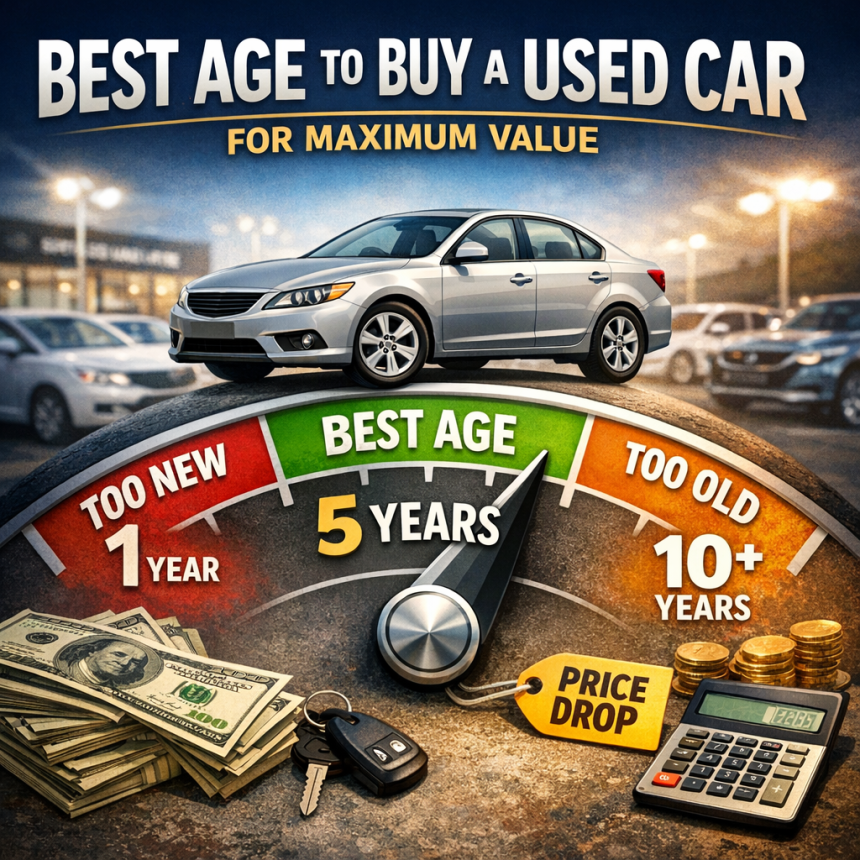
The best age to buy a used car is usually a sweet spot between savings and reliability. Buy too early and you pay for depreciation; buy too late and you may face more repairs. If you want the strongest balance of price, condition, and features, the best age to buy a used car is often in the 3 to 5 year range, depending on the model, mileage, and maintenance history.
- Why car age matters when shopping used
- The sweet spot: usually 3 to 5 years old
- Best Age to Buy a Used Car by budget and use
- If you want the lowest risk
- If you want the best balance of price and condition
- If you want the lowest purchase price
- When a newer used car makes sense
- When an older used car can still be a smart buy
- Mileage matters as much as age
- Warranty coverage and peace of mind
- Inspection checklist before you buy
- How to decide the right age for your needs
- Choose a newer used car if you want:
- Choose a mid-age used car if you want:
- Choose an older used car if you want:
- Final thoughts
Table of Contents
- Why car age matters when shopping used
- The sweet spot: usually 3 to 5 years old
- Best Age to Buy a Used Car by budget and use
- When a newer used car makes sense
- When an older used car can still be a smart buy
- Mileage matters as much as age
- Warranty coverage and peace of mind
- How to decide the right age for your needs
- Inspection checklist before you buy
- Final thoughts
Why car age matters when shopping used

A vehicle’s age is more than a number. It often tells you how much depreciation has already happened, how much life may be left in key components, and what type of maintenance history you should expect. New cars lose value quickly, especially in the first few years. That means the first owner pays the biggest depreciation cost, while the second or third owner may benefit from a much lower purchase price.
At the same time, older cars can come with hidden expenses. Parts may wear out, technology can be outdated, and safety features may be less advanced. That is why the best age to buy a used car is usually a balance between avoiding the steepest depreciation and avoiding the higher repair risks of a very old car.
According to Consumer Reports’ used-car buying guide, condition, history, and ownership costs matter just as much as the model year when you compare vehicles.
Age also affects how easy a car is to insure, finance, and service. A newer used car may be more expensive up front, but it can be simpler to finance and may qualify for better warranty support. An older car may save money on the sticker price, but it can create higher long-term costs if replacement parts or labor start adding up. That is why the best age to buy a used car is rarely chosen by model year alone.
The sweet spot: usually 3 to 5 years old
For many buyers, the best age to buy a used car is between three and five years old. This range tends to offer the strongest mix of value, reliability, and modern features.
Why 3-year-old cars are so appealing
Cars that are around three years old often come off lease, which means they have typically been driven responsibly and maintained according to schedule. They also tend to have relatively low mileage compared with their age. By this point, the car has already taken its biggest depreciation hit, so the original owner absorbed most of the value loss.
A three-year-old used car may still offer:
- Modern safety technology
- Bluetooth and infotainment features
- Better fuel efficiency than older models
- Remaining factory warranty coverage, depending on the brand
This makes them attractive for buyers who want newer features without paying new-car prices. For many shoppers, this is still the best age to buy a used car if warranty coverage is a top priority.
Why 4- to 5-year-old cars can be even better value
Cars in the four- to five-year range may be even more affordable while still being reasonably current. By then, depreciation has slowed compared with the first few years. Many models are still mechanically sound if they were well cared for, and you may find a wider range of trims and options within your budget.
For budget-conscious buyers, this age range can be ideal because you often get a lower purchase price without stepping into the higher-risk territory of older, high-mileage vehicles. If you are comparing options, this may be the best age to buy a used car for overall value.
In practical terms, a 4- or 5-year-old vehicle can be the middle ground many drivers want: enough time has passed for the first owner to absorb depreciation, but the car is still recent enough to feel modern. If you care about convenience features, crash-avoidance tech, and lower ownership stress, this is often where the best age to buy a used car becomes most obvious.
Best Age to Buy a Used Car by budget and use
The best age to buy a used car can also shift depending on your budget and how you plan to use the vehicle. A commuter who drives long distances every day may benefit from a newer car with lower mileage, while a weekend driver may be perfectly happy with an older model that costs less to buy.
If you want the lowest risk
If your top priority is minimizing surprises, a 1- to 3-year-old car can be a strong choice. These vehicles are often still under warranty, and they are less likely to need expensive repairs right away. This path is especially useful if you rely on the car for work or family travel and cannot afford downtime.
If you want the best balance of price and condition
For many buyers, the best age to buy a used car is still 3 to 5 years old because the car has already taken a large depreciation drop, but it has not yet reached the stage where wear and tear becomes the dominant concern. This range is often where value shoppers and practical buyers both feel comfortable.
If you want the lowest purchase price
Buyers focused on affordability may look at older vehicles, especially if they are paying cash or shopping for a second car. Just remember that the lowest purchase price is not always the lowest total cost. If the vehicle needs tires, brakes, suspension work, or major maintenance soon after purchase, the savings can disappear quickly.
That is why the best age to buy a used car is often the one that fits your budget not just today, but over the next several years.
When a newer used car makes sense
Sometimes the best age to buy a used car is under three years old, especially if you want the latest technology or more warranty protection. These vehicles cost more than older used cars, but they can still be significantly less expensive than brand-new ones.
Benefits of buying very recent models
A used car that is one to two years old may come with:
- Nearly new condition
- Low mileage
- Full or near-full warranty coverage
- Newer driver-assistance features
- Less chance of major wear and tear
This can be a good choice for buyers who want peace of mind and are willing to pay extra for it. Certified pre-owned programs also often focus on these newer vehicles, adding another layer of inspection and warranty support.
If you are still deciding whether to buy newer or wait longer, the best age to buy a used car may come down to how much risk you are willing to accept.
Newer used cars also tend to be easier to compare because their trim levels and features are closer to current market expectations. That means safety packages, touchscreen interfaces, parking aids, and fuel-saving systems are more likely to match what shoppers want today. For some buyers, that convenience makes the best age to buy a used car the age that still feels current without being brand new.
When an older used car can still be a smart buy
Older cars are not automatically bad purchases. In some cases, a seven- to ten-year-old vehicle can be the best age to buy a used car, especially if the goal is lowest upfront cost.
Situations where older cars work well
An older used car may be the right choice if:
- You drive only a few miles each year
- You need a second family vehicle
- You are comfortable with maintenance and repairs
- The model has a strong reputation for long-term reliability
Some makes and models are known to age better than others. If a car has a solid maintenance record, low ownership costs, and a history of dependability, an older example can still provide years of useful service.
The trade-offs to watch
The further a car gets from its original model year, the more important condition becomes. Older vehicles may have:
- More wear on brakes, suspension, and tires
- Greater chance of electrical issues
- Outdated safety systems
- Reduced fuel economy compared with newer versions
Even if the purchase price is low, repair bills can erase the savings if the car has not been maintained properly. That is why the best age to buy a used car is not always the oldest bargain on the lot.
Some older vehicles can still be excellent purchases when the previous owner kept detailed service records and replaced wear items on time. In that case, an older car may offer dependable service at a much lower entry price. Still, the best age to buy a used car for an older-model shopper is usually the point where savings outweigh the increased repair risk.
Mileage matters as much as age
Age alone does not tell the whole story. A lightly driven six-year-old car may be a better buy than a heavily used three-year-old one. That is why mileage should always be considered alongside age.
What mileage tells you
Mileage gives a rough idea of how much the car has been used. Lower mileage often suggests less wear on the engine, transmission, and suspension, though frequent short trips can still cause issues. As a general rule, many buyers look for a vehicle with average annual mileage of about 12,000 to 15,000 miles. A car that falls near that range may be considered normal for its age.
Why maintenance history is crucial
A well-maintained car with higher mileage can be a better purchase than a neglected one with fewer miles. Service records matter because they show whether the previous owner changed the oil regularly, replaced worn parts, and followed manufacturer recommendations. If you are comparing two cars of the same age, the one with a clearer maintenance history is often the safer pick.
In many cases, the best age to buy a used car is the one that comes with the clearest service history, not just the lowest odometer reading.
Mileage should also be judged in context. Highway miles are usually easier on a vehicle than repeated short trips, stop-and-go commuting, or long periods of sitting unused. A car with higher mileage but consistent highway use may still be a strong candidate. This is another reason the best age to buy a used car depends on the story behind the vehicle, not just the number on the dashboard.
Warranty coverage and peace of mind
Another reason age matters is warranty protection. Many newer used cars still qualify for part of the original manufacturer’s warranty. That can lower your financial risk, especially if you are buying a vehicle with advanced electronics or a complex powertrain.
Certified pre-owned options
Certified pre-owned vehicles are usually newer used cars that have passed inspections and often include extra warranty coverage. They may cost a little more, but the added protection can be worthwhile if you want a more secure buying experience.
When warranties matter most, the best age to buy a used car is often on the newer side of the market.
Warranty coverage can be especially valuable if you are not comfortable evaluating mechanical condition on your own. It can also reduce the stress of buying a used vehicle from a private seller, where coverage is often limited or nonexistent. For buyers who want fewer unknowns, the best age to buy a used car is often the one that still leaves some factory protection in place.
Inspection checklist before you buy
No matter how old the car is, a careful inspection matters. Even when you think you have found the best age to buy a used car, the actual condition of the specific vehicle should decide whether it is worth buying.
What to check before making an offer
- Review the service history and ownership records
- Check for accident damage or paint mismatch
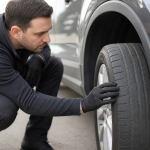
- Inspect tires, brakes, and fluid condition
- Look for warning lights on the dashboard
- Test all electronics, windows, and climate controls
- Take a thorough test drive on different road types
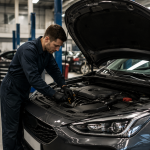
If possible, have a trusted mechanic inspect the car before you commit. A small inspection fee can save you from buying a vehicle that needs major work soon after purchase. This step is especially important if the car is older or has uncertain maintenance records.
It also helps to compare the asking price against similar vehicles in your area. A well-priced example with clean history can be a better deal than a cheaper one with hidden issues. In practice, the best age to buy a used car only matters if the specific vehicle also passes a basic condition check.
How to decide the right age for your needs
There is no single perfect age for every buyer. The right choice depends on what matters most to you.
Choose a newer used car if you want:
- Better warranty coverage
- Lower repair risk
- Modern features
- Less wear and tear
Choose a mid-age used car if you want:
- The best overall value
- A balance of reliability and price
- Lower depreciation than a new car
- Good feature availability
Choose an older used car if you want:
- The lowest purchase price
- A simple, dependable commuter
- A vehicle for limited use
- A model known for longevity
If you are weighing your monthly budget as well as the purchase price, it can also help to read about what you really need to budget to own a car.
That broader view can make it easier to decide whether the best age to buy a used car is the one with the lowest sticker price or the one with the lowest total cost over time.
Think about your ownership timeline too. If you plan to keep the car for only a few years, a newer used vehicle may make sense because it should stay modern and reliable during your ownership. If you plan to drive it until the wheels fall off, a well-kept older model may be better value as long as it has a strong reputation for durability. Either way, the best age to buy a used car is the one that matches your expected usage.
Final thoughts
The best age to buy a used car is often between three and five years old because that range usually offers the strongest combination of value, reliability, and modern features. However, the ideal choice depends on the specific car, its mileage, maintenance history, and how you plan to use it. A newer vehicle may provide more peace of mind, while an older one can offer major savings if it has been well cared for. The smartest buyers focus less on age alone and more on overall condition, ownership history, and total cost of ownership.
In other words, the best age to buy a used car is the one that fits your budget and your tolerance for maintenance, not just the one that looks cheapest today.
If you shop carefully, compare service records, and weigh long-term costs, the best age to buy a used car can be a practical decision instead of a gamble. That approach usually leads to a better purchase, whether you choose a nearly new model, a mid-age bargain, or a well-maintained older car.