
Buying a vehicle has never been a simple decision, but in 2026 it feels especially complicated. With new car prices, interest rates, incentives, and inventory levels all shifting at different speeds, many shoppers are asking the same question: how much does a new car cost in the U.S. right now, and is this actually a smart time to buy? The answer depends on the type of vehicle you want, how you plan to finance it, and how long you can wait. Still, there are clear trends that can help buyers make a more informed choice.
- What a New Car Costs in the U.S. in 2026
- What Buyers Actually Pay Beyond the Sticker Price
- Is Now a Good Time to Buy a New Car?
- Reasons now may be a good time
- Inventory is more stable than in previous years
- Incentives may be stronger
- Some models are due for updates
- Reasons to wait
- Best Types of Buyers to Purchase Now
- How to Get the Best Deal in 2026
- Compare out-the-door prices, not just MSRP
- Shop loan rates before visiting the dealership
- Focus on trim levels and features you actually need
- Be open to less popular colors or configurations
- Check incentives carefully
- New Car vs. Used Car: Which Makes More Sense?
- What to Watch Before You Sign
- The Bottom Line
Table of Contents
What a New Car Costs in the U.S. in 2026
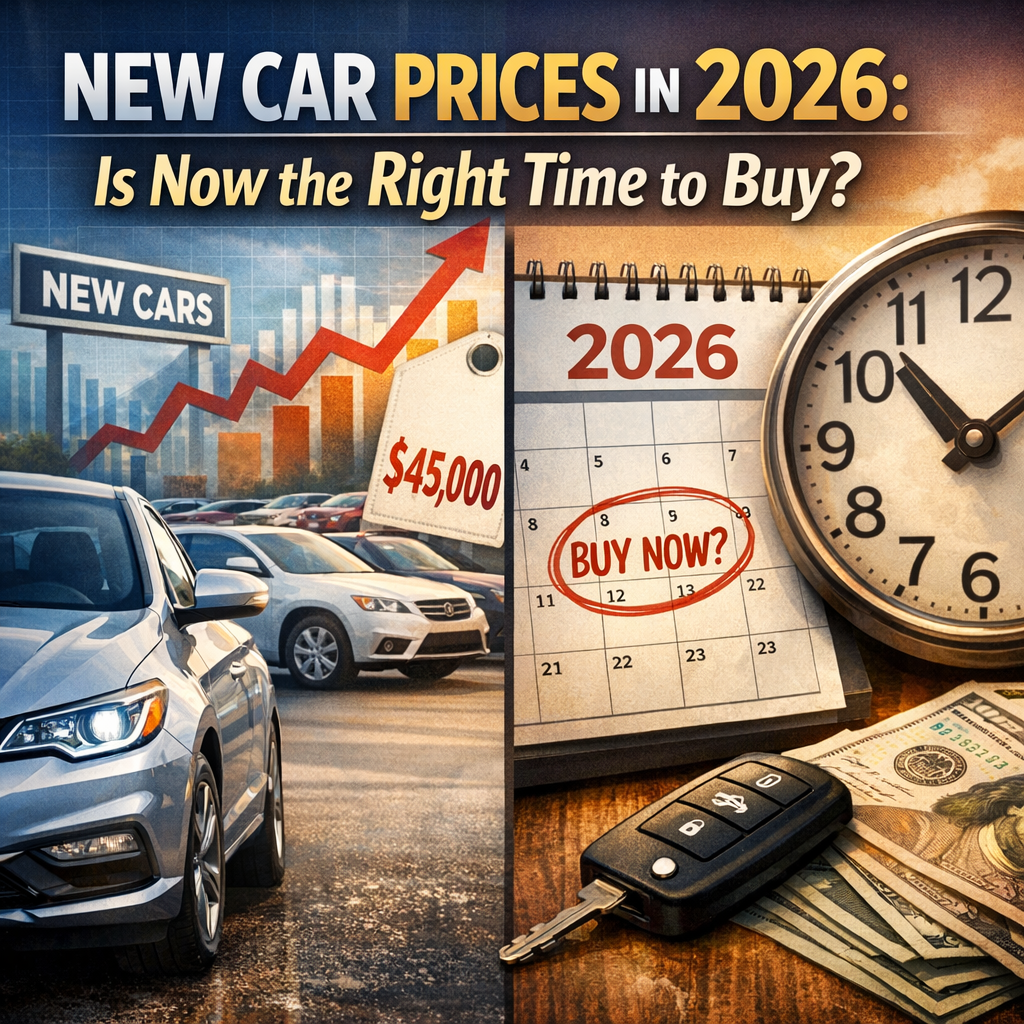
The cost of a new car in the United States varies widely depending on the segment, brand, trim level, and options package. In 2026, many buyers are still seeing average transaction prices that remain elevated compared with pre-pandemic norms. Compact cars and smaller crossovers tend to sit at the lower end of the market, while full-size trucks, luxury SUVs, and electric vehicles can climb dramatically higher.
Average price ranges by vehicle type
While exact pricing changes from one dealership to another, these broad ranges reflect what many U.S. buyers can expect in 2026:
- Compact cars: roughly $23,000 to $30,000
- Midsize sedans: roughly $28,000 to $38,000
- Compact SUVs: roughly $29,000 to $42,000
- Midsize SUVs: roughly $36,000 to $55,000
- Pickup trucks: roughly $40,000 to $70,000+
- Luxury vehicles: often $55,000 and up
- Electric vehicles: often $35,000 to $80,000+, depending on range and trim
These figures are for the purchase price before taxes, registration, dealer fees, financing costs, and optional extras. Once all those items are added, the final out-the-door price can easily be several thousand dollars higher.
Why prices remain high
Several factors continue to influence new car prices:
1. Higher manufacturing and logistics costs
Automakers are still dealing with more expensive labor, materials, and transportation. Even though supply chains have improved since the worst disruptions of previous years, production costs remain above historical averages.
2. More expensive technology
Modern cars come with larger displays, advanced safety features, driver-assistance systems, connected services, and more complex software. These upgrades improve the driving experience, but they also raise sticker prices.
3. Popularity of SUVs and trucks
Consumer demand continues to favor larger vehicles, which usually carry higher margins and higher base prices than sedans or hatchbacks. As a result, the market average stays elevated.
4. Financing pressure
Even when manufacturers offer incentives, monthly payment affordability can be affected by interest rates. Many buyers focus on the payment rather than the total cost, which keeps some high-priced models in demand.
What Buyers Actually Pay Beyond the Sticker Price
The listed MSRP is only part of the story. In 2026, shoppers should pay close attention to the full cost of ownership and purchase.
Taxes, fees, and add-ons
Most buyers should budget for:
- Sales tax
- Title and registration fees
- Dealer documentation fees
- Destination charges
- Optional accessories or protection packages
These costs can add a meaningful amount to the final amount due at signing. In some states, the gap between MSRP and out-the-door price may be modest, but in others it can be significant.
Financing costs
If you are taking out an auto loan, the interest rate can have a major impact on affordability. A higher rate can increase the total cost of the vehicle by thousands of dollars over the life of the loan. That means a car that looks affordable on the lot may become much more expensive after financing is included.
Insurance and maintenance
New car buyers should also consider:
- Higher insurance premiums for more expensive vehicles
- Registration costs that may be tied to vehicle value
- Maintenance costs over time
- Tire replacement and routine service
- Charging equipment and electricity costs for EV owners
A vehicle that appears cheaper up front may not be the cheapest to own over several years. For a broader look at purchase timing, see Best Time to Buy a New Car: Save More Now.
Is Now a Good Time to Buy a New Car?
Whether 2026 is a good time to buy depends largely on your personal situation. For some shoppers, the timing is reasonable. For others, waiting may lead to a better deal.
Reasons now may be a good time
Inventory is more stable than in previous years
In many markets, new car inventory has improved compared with the shortages that previously pushed prices higher. More availability generally means less dealer markup and better negotiating power for buyers.
Incentives may be stronger
Manufacturers often use rebates, special financing offers, lease deals, and loyalty incentives to move inventory. If you find the right combination of vehicle and promotion, you may save a meaningful amount.
Some models are due for updates
When a refreshed model or new generation is on the way, outgoing versions may be discounted. This can be a good opportunity if you are comfortable buying a current model year rather than the latest redesign.
Reasons to wait
Interest rates may still be a concern
If auto loan rates remain elevated, borrowing now could lock you into a more expensive payment than you would prefer. Buyers with excellent credit may still do well, but others could benefit from waiting for better financing terms.
Depreciation hits new cars quickly
New vehicles lose value rapidly in the first few years. If you do not need a brand-new model immediately, a lightly used car may offer better value.
Prices may soften in certain segments
Some categories, especially where inventory is improving or demand is cooling, may become more competitive later in the year. Patience can pay off if you are flexible on make, model, or trim.
For official financing guidance and rate comparisons, the Consumer Financial Protection Bureau is a useful reference.
Best Types of Buyers to Purchase Now
Not every shopper has the same timeline. In some situations, buying now makes practical sense.
You should consider buying now if:
- Your current car is unreliable or unsafe
- You need a vehicle for work or family travel
- A manufacturer is offering a strong incentive on your preferred model
- You can qualify for competitive financing
- You have found a vehicle with a fair out-the-door price
- You want to avoid further repair costs on an aging car
In these cases, the cost of waiting may be greater than the cost of buying. If you are also comparing total ownership costs, it can help to review how much you could save on a lower-priced model, such as the options covered in Cheapest Small Cars: Best Budget Picks in 2025.
How to Get the Best Deal in 2026
If you decide to shop for a new car now, a careful approach can save money.
Compare out-the-door prices, not just MSRP
The sticker price is only one factor. Ask for the full out-the-door price so you can compare offers accurately across multiple dealers.
Shop loan rates before visiting the dealership
Pre-approval from a bank, credit union, or online lender can give you leverage and help you understand what payment range is realistic.
Focus on trim levels and features you actually need
It is easy to spend more on convenience packages, larger wheels, upgraded audio systems, and appearance options. Decide in advance which features matter and which do not.
Be open to less popular colors or configurations
Dealers are often more willing to negotiate on vehicles that have been on the lot longer or are less in demand.
Check incentives carefully
Some offers are tied to specific financing arrangements, loyalty status, or geographic regions. Make sure the discount is real and that it fits your situation.
New Car vs. Used Car: Which Makes More Sense?
A new car offers the appeal of full warranty coverage, modern safety technology, and no prior wear and tear. But a used car can be a much better value if your priority is keeping total cost down.
New car advantages
- Full warranty coverage
- Latest features and safety systems
- Better financing offers in some cases
- No previous owner history
Used car advantages
- Lower purchase price
- Slower depreciation
- Lower insurance costs in many cases
- More value for buyers focused on budget
For many households in 2026, the sweet spot may be a certified pre-owned vehicle or a lightly used model that still offers modern features without the steep initial depreciation.
What to Watch Before You Sign
When comparing new car prices, small details can make a big difference. Review the contract line by line and confirm the final amount due, the interest rate, the loan term, and any add-ons you did not request. If something looks unclear, ask for the numbers in writing before you sign.
It also helps to compare your target model with the broader market before committing. Some buyers can get a better deal by waiting for the right trim, while others may find that a nearby competitor offers stronger incentives on a similar vehicle. In either case, patience and comparison shopping usually lead to better results than rushing into the first offer.
If you are deciding between a brand-new model and a lightly used alternative, remember that the lowest monthly payment is not always the best value. The right answer depends on how long you plan to keep the vehicle, how much you drive, and how much you can comfortably spend each month.
The Bottom Line
So, how much does a new car cost in the U.S. in 2026? For many shoppers, the answer is somewhere in the high twenties to mid-forties for mainstream vehicles, with trucks, luxury models, and EVs often costing much more. The exact price depends on the segment, trim, region, and financing terms, but the overall market remains expensive compared with earlier years.
As for whether now is a good time to buy, the answer is “it depends.” If you need a vehicle soon, have found a solid incentive, and can secure favorable financing, buying now may be a sensible move. If your current car is still dependable and you are hoping for lower interest rates or softer pricing, waiting could improve your position.
In the end, the best time to buy is when the numbers work for your budget, your needs, and your long-term plans. A new car should solve a transportation problem, not create a financial one.