Choosing the best 2nd hand car to buy depends on more than just the badge on the bonnet. The right used car to buy should match your budget, driving habits, maintenance expectations, and long-term needs. For some buyers, the ideal option is a small hatchback with low running costs. For others, it may be a dependable sedan, a versatile SUV, or a fuel-efficient hybrid. The best choice is usually the one that balances reliability, affordability, safety, and comfort without creating hidden costs after purchase.
- What Makes a Good used car to buy?
- The Best 2nd Hand Cars by Buyer Type
- For City Driving: Compact Hatchbacks
- For Families: Reliable Sedans or SUVs
- For Long-Distance Driving: Diesel Sedans or Hybrids
- For Buyers Who Want Simplicity
- What to Check Before Buying
- Service History
- Mileage and Age
- Mechanical Condition
- Accident and Ownership History
- Interior Wear and Practical Use
- Test Drive Checklist
- Popular Used Car Categories Worth Considering
- How to Decide What Is Best for You
- Match the Car to Your Budget
- Think About Resale Value
- Prioritize Condition Over Hype
- Set a Realistic Monthly Limit
- Buy for the Next Three to Five Years
- How the best used car to buy fits different budgets
- How to inspect a used car before you commit
- What makes a used car affordable over time?
- Common mistakes to avoid when choosing a used car
- Which type of buyer benefits most from a used car?
- Final Thoughts
If you are also comparing ownership costs, it helps to think beyond the sticker price and review overall affordability. Resources like car affordability can make it easier to judge whether a vehicle truly fits your budget.
Table of Contents
What Makes a Good used car to buy?
A strong used car to buy is one that delivers dependable performance, affordable ownership, and practical value. While looks and features matter, the most important factors are usually reliability, fuel economy, service history, and resale value. A car that is cheap to buy but expensive to maintain can quickly become a poor investment.
Reliability Comes First
When buying used, reliability should be one of your top priorities. A car with a strong reputation for durability is usually a safer choice than one with flashy features but a history of mechanical issues. Brands known for dependable engines, simple engineering, and accessible parts often perform well in the second-hand market.
Maintenance and Spare Parts
The best used car to buy is not always the one with the lowest sticker price. It is the one that remains affordable over time. Check whether replacement parts are widely available and whether routine servicing is reasonably priced. A model with expensive repairs can wipe out any savings from the initial purchase.
Fuel Efficiency Matters
If you drive daily or cover long distances, fuel economy can have a major impact on your overall ownership cost. A small hatchback or hybrid often makes the most sense for city commuters, while a diesel or efficient sedan may be better for highway use.
It also helps to compare this choice with your expected monthly running costs. If you are shopping for a used car to buy mainly for commuting, a vehicle that saves fuel and has predictable servicing can be worth more than a larger model with extra features.
The Best 2nd Hand Cars by Buyer Type
There is no single perfect answer for every driver. The used car to buy that works best for you depends on what you need it to do.
For City Driving: Compact Hatchbacks
Compact hatchbacks are among the most popular choices in the used car market. They are easy to park, cheap to run, and often less expensive to insure. Models in this category usually offer good fuel economy and enough space for daily errands, commuting, and small families.
A well-kept hatchback can be an excellent option for first-time buyers or anyone looking for simple, practical transportation. Their smaller size also makes them ideal for urban traffic and tight parking spaces.
For Families: Reliable Sedans or SUVs
Families often need more room for passengers, luggage, and child seats. In this case, a midsize sedan or a practical SUV can be the better choice. Sedans tend to offer a smoother ride, better fuel efficiency, and lower maintenance costs, while SUVs provide extra space and a higher driving position.
When comparing family cars, focus on rear-seat comfort, boot space, safety features, and ease of access. A used SUV may be attractive, but make sure the higher purchase price and fuel costs fit your budget.
For Long-Distance Driving: Diesel Sedans or Hybrids
If your driving involves frequent long highway trips, a fuel-efficient diesel or hybrid can offer strong value. Diesel engines often provide better mileage on long journeys, while hybrids can reduce fuel costs in mixed driving conditions.
The key is to choose a model with a proven track record and a service history that supports its condition. A neglected car with good fuel economy on paper may still become costly if it has unresolved mechanical problems.
For Buyers Who Want Simplicity
Many people prefer a straightforward vehicle with fewer complex systems to maintain. In that case, the best used car to buy is often a mainstream model with a proven engine, a basic but well-kept interior, and simple electronics. These cars are often easier to inspect, easier to repair, and less stressful to own.
What to Check Before Buying
A used car may look excellent on the outside but still have hidden issues. A careful inspection can help you avoid expensive mistakes.
Service History
A complete service record is one of the strongest signs that a car has been well cared for. Look for regular oil changes, brake work, tire replacements, and evidence of timely maintenance. Missing records do not always mean the car is bad, but they do increase the risk.
Mileage and Age
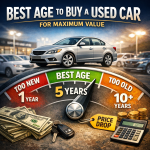
Mileage matters, but it should not be the only factor. A low-mileage car that has sat unused for long periods can still have problems. Likewise, a higher-mileage vehicle with a full service history may be a better buy than a newer car that has been poorly maintained. For more guidance, see this overview on used car mileage and what is too high.
Mechanical Condition
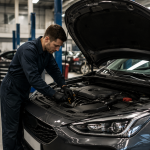
Before buying, inspect the engine, suspension, brakes, tires, and transmission. Listen for unusual noises during a test drive and pay attention to how the car accelerates, steers, and stops. If possible, have a trusted mechanic perform a pre-purchase inspection.
Accident and Ownership History
Check whether the car has been in a serious accident, written off, or repaired extensively. Ownership history also matters. A car that has changed hands many times in a short period may deserve extra scrutiny.
Interior Wear and Practical Use
Seat condition, dashboard wear, and trim damage can reveal how carefully a car has been treated. A family vehicle with heavy interior wear may have had a harder life than the mileage suggests. When looking for a used car to buy, small clues inside the cabin can be just as helpful as the service records.
Test Drive Checklist
- Start the engine from cold and listen for rough idle.
- Check that the gearbox shifts smoothly.
- Test the brakes at low and moderate speeds.
- Drive over bumps to listen for suspension knocks.
- Confirm that air conditioning, lights, windows, and infotainment all work properly.
Popular Used Car Categories Worth Considering
Rather than focusing on one single model, it helps to think in categories that tend to offer strong value.
Japanese Models
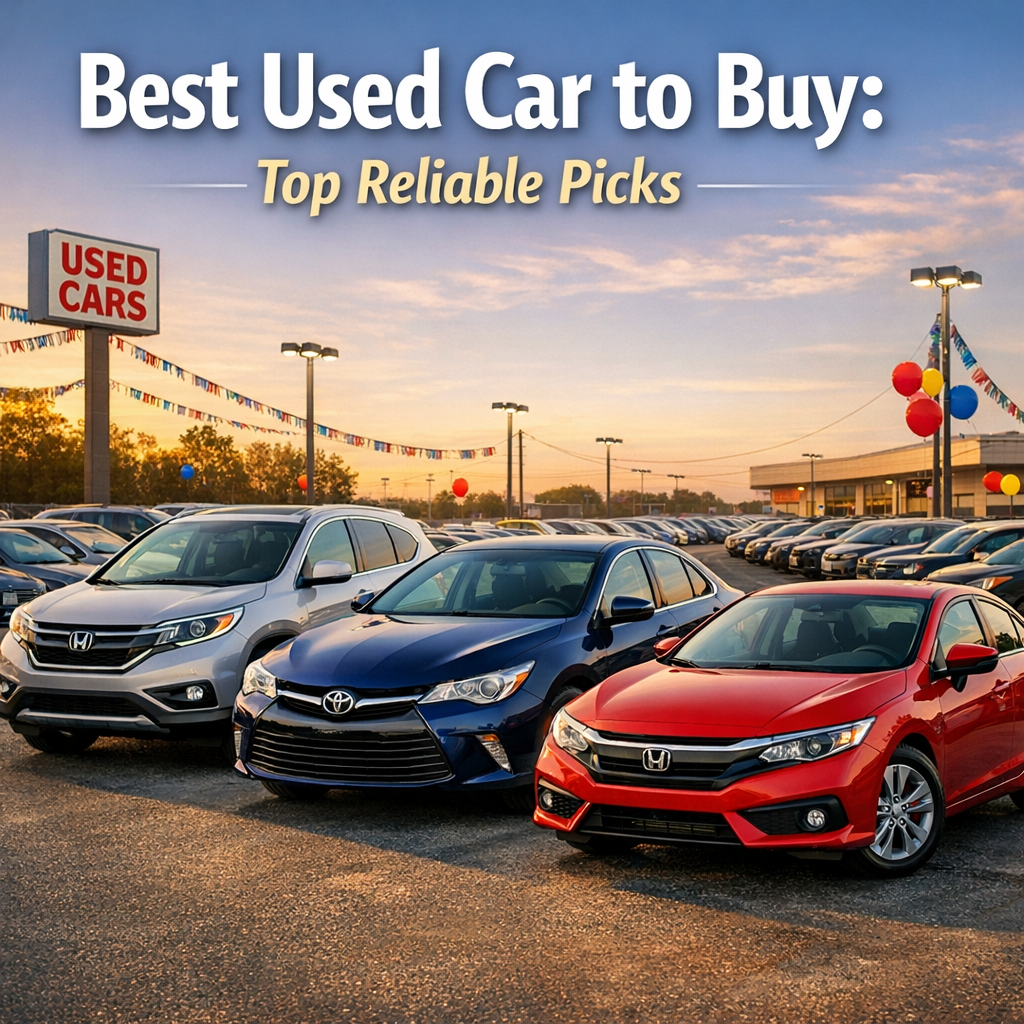
Japanese cars are often praised for reliability, sensible engineering, and good long-term value. Many used buyers look at brands such as Toyota, Honda, and Mazda because they are known for durable engines and manageable repair costs.
Korean Models
Korean cars have improved significantly in quality and are often well equipped for the money. Many offer attractive pricing in the used market, making them a smart option for buyers seeking modern features without paying premium-brand prices.
Compact European Cars
Some European hatchbacks and sedans offer a good blend of comfort, handling, and style. They can be excellent used buys if they have been maintained properly. However, buyers should pay close attention to servicing costs and the availability of parts, which may be higher than for mainstream brands.
Hybrid Models
Hybrid vehicles can be a strong option if fuel economy is your biggest concern. A well-maintained hybrid can be a smart used car to buy for stop-start traffic, short trips, and urban commuting. Just make sure the battery condition and service history are checked carefully before purchase.
Small SUVs
Small SUVs appeal to buyers who want a higher seating position and more practicality than a hatchback. They are popular as a family used car to buy, but the extra weight can mean higher fuel use and tire costs. It is important to compare space gains with the extra expenses.
How to Decide What Is Best for You
The best used car to buy is the one that fits your actual lifestyle, not just your preferences on paper.
Match the Car to Your Budget
Your budget should include more than the purchase price. Add insurance, registration, fuel, maintenance, and possible repairs. A slightly more expensive car with better reliability can be cheaper overall than a bargain car that needs constant work.
Think About Resale Value
Some used cars hold their value better than others. If you plan to sell again in a few years, choosing a model with strong resale demand can help protect your investment.
Prioritize Condition Over Hype
A well-maintained older car is often a smarter buy than a newer one with a poor history. Condition, service records, and overall care matter more than age alone.
It also helps to look at overall cost of ownership before making a final decision. If you want a broader breakdown of expenses, read about the cost to own a car and what you should budget for each year.
Set a Realistic Monthly Limit
Many buyers focus only on the sale price and later regret the ongoing bills. A safer approach is to decide how much room you have in your monthly budget before choosing a used car to buy. That includes the payment, fuel, insurance, parking, and maintenance.
Buy for the Next Three to Five Years
Think about how your needs may change. If you expect a longer commute, a growing family, or more weekend travel, choose a car that can still work well in a few years. Planning ahead makes it easier to choose the right used car to buy now rather than replacing it too soon.
How the best used car to buy fits different budgets
Buyers on a tighter budget often get the best results by focusing on simple, proven models instead of premium features. That is why many people search for the used car to buy that gives them the lowest long-term cost rather than the newest cabin technology. A practical car with easy-to-find parts, modest fuel use, and a clean history can often outperform a more expensive vehicle that looks better on the forecourt.
If your budget is under pressure, it is also worth comparing payment comfort and monthly affordability. Helpful reading on affordable car payment and reasonable car payment can give you a clearer picture of what you can comfortably spend each month.
What a value-focused buyer should prioritize
For most people, the best value comes from a car that has already taken its biggest depreciation hit, has a good maintenance record, and does not need immediate expensive work. This is especially true if you are looking for a dependable used car to buy for commuting or family use.
Why condition matters more than age alone
Two cars of the same age can have very different ownership costs. One may have been serviced on time and driven gently, while the other may have skipped maintenance and suffered repeated short trips. That is why the condition of a used car to buy matters more than the registration year by itself.
How to inspect a used car before you commit
A smart inspection routine can save you from a bad purchase. Start with a walk-around check for uneven panel gaps, mismatched paint, tire wear, and fluid leaks. Then review the interior for warning lights, damaged trim, worn pedals, or signs of water intrusion. Finally, test the vehicle on different road surfaces so you can hear suspension or brake problems that might not show up at idle.
Questions to ask the seller
- Why is the car being sold?
- Has it had any major repairs or accidents?
- Are there service records available?
- When were the brakes, tires, and battery last replaced?
- Has the car been used mainly for city driving or highway driving?
These questions can help you separate a genuinely good used car to buy from one that only looks appealing in photos.
When a pre-purchase inspection is worth it
If the vehicle is expensive, complex, or missing a complete service history, a mechanic’s inspection is usually money well spent. It can reveal hidden issues with the engine, suspension, cooling system, or transmission before you commit to the sale.
For added peace of mind, it is wise to compare the seller’s claims with a trusted reference source such as the U.S. National Highway Traffic Safety Administration’s vehicle safety information at NHTSA vehicle safety resources. That can help you verify recalls, safety ratings, and other important ownership details.
What makes a used car affordable over time?
Affordability is not just about finding a low sale price. A truly affordable car is easy to maintain, does not consume too much fuel, and keeps unexpected repairs under control. That is why many buyers rank the best used car to buy by total cost rather than purchase price alone.
For some drivers, the most affordable option is not the flashiest or newest one on the market. It is the car that can be serviced locally, uses common parts, and has a track record of lasting well beyond average mileage. If you are comparing budget-friendly choices, our article on reliable used cars under $10,000 is a useful next step.
Depreciation and value retention
Depreciation is one of the biggest hidden costs of ownership, especially with newer vehicles. A smart used car to buy has already lost much of its initial value, which can make it a better long-term purchase. If you choose carefully, resale value can soften the financial impact when it is time to upgrade.
Repairs you can expect
Even a strong used vehicle will eventually need brake pads, tires, fluids, and batteries. The key is to choose a model with predictable maintenance rather than one known for expensive faults. That predictability is one of the biggest reasons a used car to buy can feel affordable year after year.
Insurance and running costs
Insurance, tax, and fuel can all change the real cost of ownership. Before you buy, compare likely running costs for each model on your shortlist. A cheaper car with high insurance premiums may not be the bargain it first appears to be.
Common mistakes to avoid when choosing a used car
Many buyers make the same avoidable mistakes, especially when they feel pressure to buy quickly. One of the most common errors is choosing a car based on appearance alone. A clean exterior does not guarantee a healthy engine or transmission.
Another mistake is ignoring service history because the price looks attractive. If the car lacks maintenance records, the risk of hidden problems is higher. Buyers also sometimes focus on monthly payment alone and forget about fuel, repairs, and insurance. A good used car to buy should work within your total budget, not just your finance limit.
It is also unwise to skip the test drive. A short drive can reveal steering issues, brake vibration, gearbox hesitation, or warning lights that may not be obvious in a parked inspection. If something feels off, take the time to investigate before you agree to buy.
Which type of buyer benefits most from a used car?
Almost anyone can benefit from choosing a carefully selected used car to buy, but it is especially useful for first-time buyers, commuters, growing families, and drivers who want to avoid heavy depreciation. Used vehicles can offer more choice for the same money, making it easier to find a car with the space, comfort, and features you want.
That flexibility is one of the biggest advantages of shopping used. Instead of stretching your budget for a new entry-level model, you may be able to buy a higher-grade car with better safety features, better materials, and stronger performance.
Final Thoughts
There is no universal winner when it comes to the best used car. The best option for one person may be the wrong choice for another. For city drivers, a compact hatchback often makes the most sense. For families, a reliable sedan or SUV may be more practical. For frequent highway use, a fuel-efficient diesel or hybrid can be ideal. The smartest approach is to focus on reliability, ownership costs, and proven condition rather than chasing the most popular name or the lowest asking price. A careful choice today can save money, stress, and repairs for years to come.
In short, the best used car to buy is the one that matches your needs, budget, and expected running costs. If you keep those priorities in mind, you will be far more likely to choose a car that feels like a smart purchase long after the sale is complete.
Before you commit, compare at least a few examples, ask good questions, and verify the paperwork. That extra effort can make the difference between an average purchase and a genuinely smart used car to buy that serves you well for years.
To make this guide more practical, always compare the car’s condition, service history, and running costs before deciding which used car to buy is right for you. The best choice is usually the one that stays reliable after the first purchase.