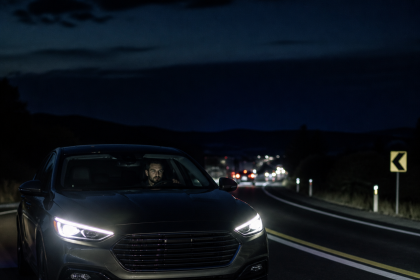
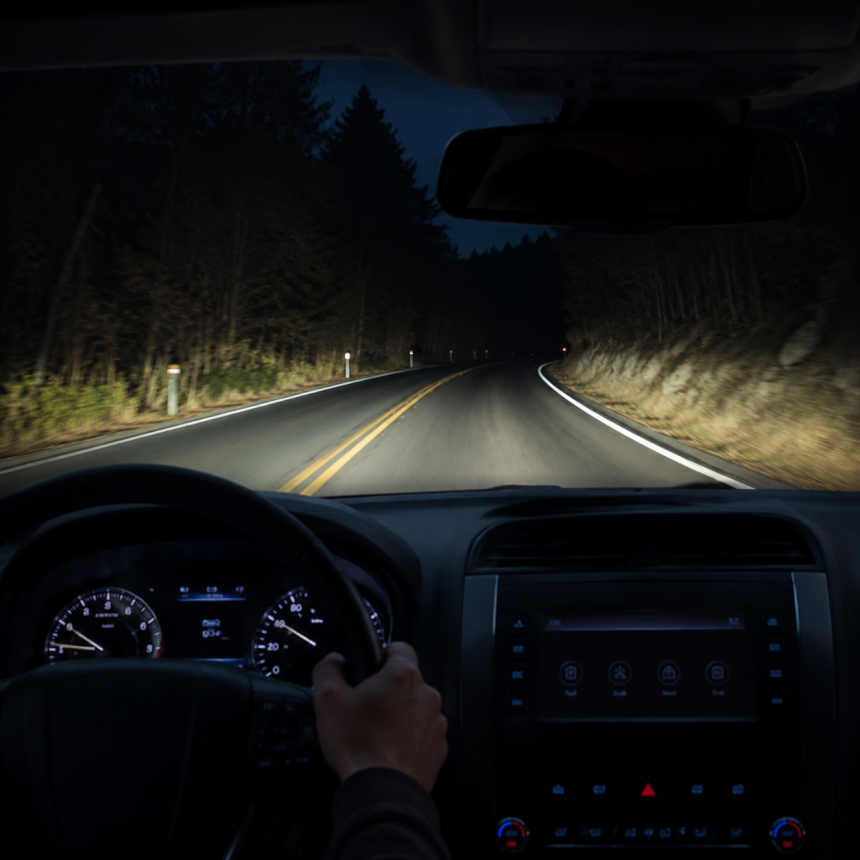
Night driving assistance can be a valuable upgrade for drivers who regularly face low-light, glare-heavy, or poor-visibility conditions. A car night vision system is not a replacement for headlights, mirrors, or careful driving, but it can help make certain hazards easier to notice sooner, especially on dark roads, rural routes, and highways at night. If you have ever wondered whether this technology is worth considering, the answer depends less on the device itself and more on how, where, and when you drive.
- What a Car Night Vision System Does
- Who Benefits Most from Night Driving Assistance
- Night commuters
- Rural and suburban drivers
- Long-distance travelers
- Drivers in poor-weather regions
- Family drivers and caregivers
- Drivers who live near wildlife corridors
- When a Night Vision System Makes the Most Sense
- Dark rural roads
- Busy highways at night
- Foggy, rainy, or snowy conditions
- Mountain roads and winding routes
- Late-night city driving
- Who May Not Need One
- Thermal Imaging Versus Traditional Night Vision Features
- Key Questions to Ask Before Buying
- How often do you drive at night?
- Where do you drive most often?
- What hazards do you face most?
- Do you already have other useful safety features?
- Are you buying for convenience or real need?
- How would you use it day-to-day?
- Limitations You Should Understand
- Practical Examples of Who Should Consider One
- Should Everyday Drivers Consider It?
- FAQ
- Is a car night vision system worth it for city drivers?
- Does night vision replace headlights?
- Can a car night vision system see animals?
- Is night vision useful in rain or fog?
- Do I need night vision if my car already has driver-assistance features?
- What is the biggest mistake drivers make with this technology?
- Conclusion
Table of Contents
In practical terms, a car night vision system is most helpful for people who drive in situations where human vision alone may be limited. That includes nighttime commuters, rural drivers, long-distance travelers, and drivers who regularly encounter pedestrians, animals, fog, rain, or glare. It may be less useful for someone who only drives short, well-lit city routes during the day.
What a Car Night Vision System Does
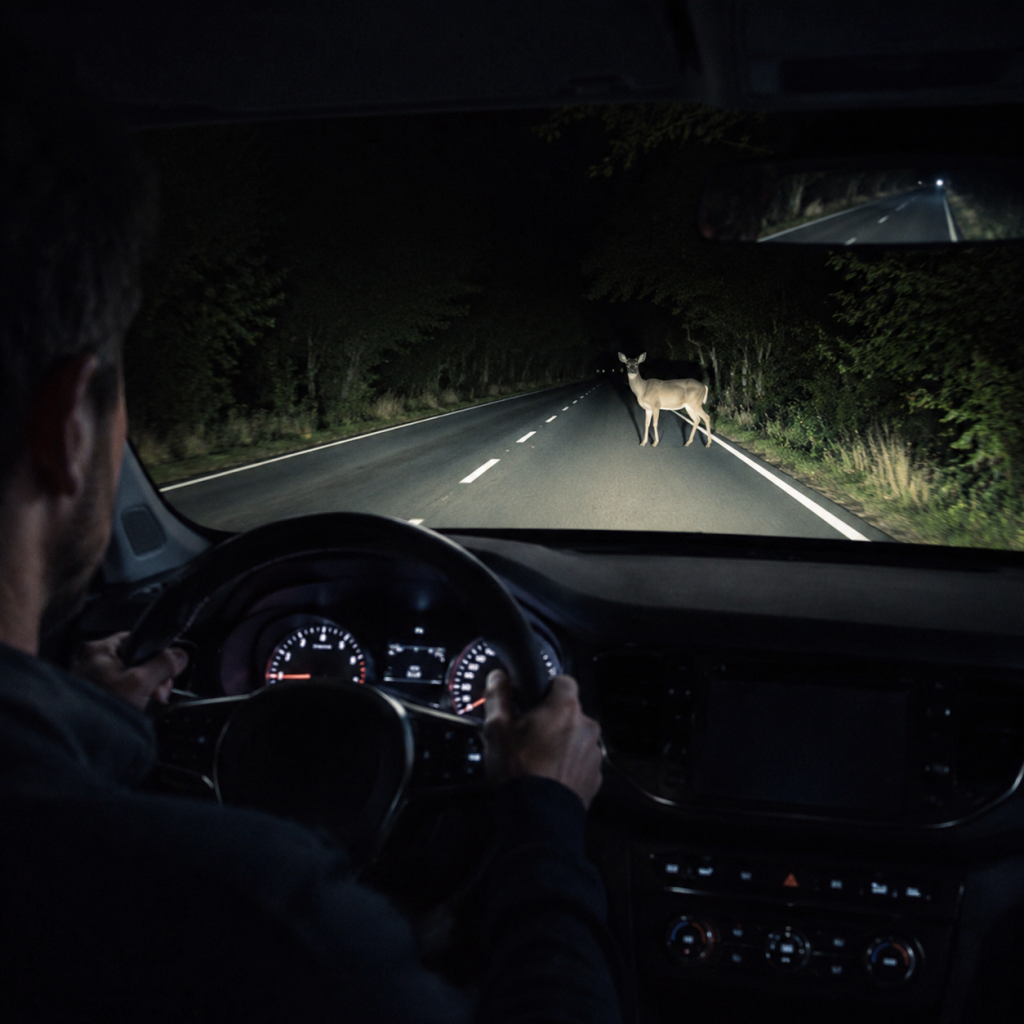
A car night vision system is a driver-assistance technology designed to improve visibility in darkness or poor lighting. Depending on the type of system, it may use thermal imaging, infrared sensing, or other camera-based technology to detect objects that can be harder to see with normal headlights alone.
The main idea is simple: it helps reveal hazards earlier or more clearly in situations where contrast is low. That can include pedestrians crossing a dark road, deer near the shoulder, a disabled vehicle ahead, or debris that blends into the pavement. For a deeper look at how these systems work, see Car Night Vision Technology: How It Works and Why It Helps.
It is important to keep expectations realistic. Night driving assistance can support awareness, but it does not replace safe following distance, good judgment, or the need to scan the road actively. They are best thought of as an additional layer of information.
Who Benefits Most from Night Driving Assistance
Not every driver needs this technology. But for some people, night driving assistance becomes particularly relevant as part of a broader safety strategy. A car night vision system becomes more useful when your routine regularly exposes you to darkness, wildlife, or unpredictable road users.
Night commuters
Drivers who regularly commute before sunrise or after dark may benefit from extra visibility support. This is especially true if the commute includes roads with limited street lighting, curves, changing speed limits, or frequent pedestrian traffic.
At night, even small hazards can be harder to judge. Night driving assistance may help a driver notice a person or animal at the edge of the road sooner than headlights alone would.
Rural and suburban drivers
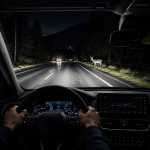
Drivers in rural or semi-rural areas often deal with long stretches of unlit road, wildlife crossings, and limited shoulder visibility. These are exactly the conditions where thermal imaging-based night driving assistance can be useful.
If you live where deer, livestock, or other animals may appear unexpectedly, a car night vision system may be worth considering as a practical awareness tool. It does not eliminate risk, but it can add another view of what is ahead.
Long-distance travelers
People who take regular road trips or long highway drives at night may also find night driving assistance helpful. Fatigue, glare from other vehicles, and reduced contrast can make it harder to maintain awareness over time. A car night vision system may support the driver by improving visibility of objects that stand out by heat rather than light.
This can matter most on stretches of highway where a pedestrian, stopped vehicle, or animal could appear with little warning. If you are comparing safety features for night travel, Car Night Vision System: 7 Best Safety Benefits offers another useful overview.
Drivers in poor-weather regions
Rain, fog, snow, and haze can all reduce visibility. Some car night vision systems, especially thermal imaging systems, are designed to help drivers maintain better awareness in conditions where visible-light cameras and headlights may be less effective.
That does not mean the system works equally well in every condition, or that it replaces careful speed management. But for drivers who regularly face bad weather, night driving assistance may be a meaningful support feature.
Family drivers and caregivers
Parents, caregivers, and anyone who often drives children or older passengers may value extra visibility, especially during school runs, evening activities, or holiday travel. Safety-minded families often look beyond standard features and consider what helps in real-world driving conditions.
For some households, night driving assistance is less about peak performance and more about peace of mind during after-dark driving.
Drivers who live near wildlife corridors
If your area has frequent animal crossings, night driving assistance can be especially relevant. Animals can be difficult to see until they are very close, particularly on roads without strong lighting or with dark backgrounds.
A system that recognizes heat signatures may help make animals more noticeable earlier. That can give the driver more time to slow down or adjust course, though it still requires alert driving and proper speed. For more on the safety side of this issue, read How Far Can a Car Thermal Camera Detect Pedestrians?
When a Night Vision System Makes the Most Sense
Night driving assistance is most useful when the driving environment regularly creates visibility challenges. Here are the situations where it tends to make the most sense.
Dark rural roads
These roads often have fewer streetlights, fewer reflective lane markers, and more unexpected hazards. Animals, pedestrians, and parked vehicles can be hard to see in time, especially if curves or hills limit the headlights’ reach.
In these conditions, a car night vision system can provide valuable support for night driving assistance by helping the driver spot concerns earlier than visible light may allow.
Busy highways at night
High-speed driving leaves less time to react to obstacles. On highways, night driving assistance may help the driver notice stopped vehicles, lane debris, or road edge hazards earlier.
Even when you think you know the route, highway night driving can bring unexpected slowdowns—construction zones, stalled cars, or unlit hazards—where earlier detection can matter.
Foggy, rainy, or snowy conditions
Weather can scatter light and reduce contrast. In those conditions, anything that improves hazard awareness can be helpful. A thermal imaging system may be especially useful because it does not depend on visible light in the same way a standard camera does.
For drivers who face recurring poor visibility, night driving assistance is often considered because it targets the “can’t see well enough” problem.
Mountain roads and winding routes
These routes often combine darkness, changing elevation, and limited sight lines. Night driving assistance may help reduce the chance of missing a hazard around a curve or over a rise.
It is also common for these roads to have inconsistent lighting, which can make headlights alone feel less predictable.
Late-night city driving
Even in cities, visibility can be inconsistent. Some intersections are well-lit, while others are not. Pedestrians, cyclists, and delivery vehicles can appear suddenly. A car night vision system may be helpful here too, though the benefit may be less dramatic than on rural roads.
Night driving assistance can still provide an added layer when street lighting drops or when glare makes the environment harder to read.
Who May Not Need One
A car night vision system is not necessary for every driver. Some people may not get enough benefit to justify the cost or complexity.
If you mainly drive during the day, on short routes, and in areas with strong lighting, you may not notice much value from night driving assistance. The same may be true if your driving rarely includes rural roads, high-speed night travel, or poor-weather conditions.
It may also be a lower priority if your current vehicle already has strong factory lighting, good forward visibility, and driver-assistance features that suit your needs. In that case, your money might be better spent on tires, brakes, lighting maintenance, or another safety upgrade with broader everyday use.
Night driving assistance is usually a situational tool. That means its value depends heavily on your routine, not just the feature list.
Thermal Imaging Versus Traditional Night Vision Features
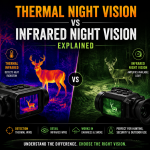
Not all night vision systems work the same way. Some use thermal imaging, while others rely on infrared or camera-based low-light enhancement. If you are researching thermal vs infrared options, this comparison can help: Thermal Infrared Night Vision vs Infrared Night Vision: What’s the Difference?.
Thermal imaging systems can detect heat signatures from pedestrians, animals, and some vehicles. That makes them especially useful in darkness or glare-heavy conditions. They are not dependent on visible light in the same way standard cameras are.
Traditional low-light cameras may improve image brightness, but they can still struggle in deep darkness or bad weather. They may show the road better than the human eye in some conditions, but they do not always stand out as clearly when a hazard has little contrast.
If you are comparing systems, think about your typical driving environment. A rural driver who sees wildlife often may value thermal imaging more than someone who mainly drives urban streets with strong lighting.
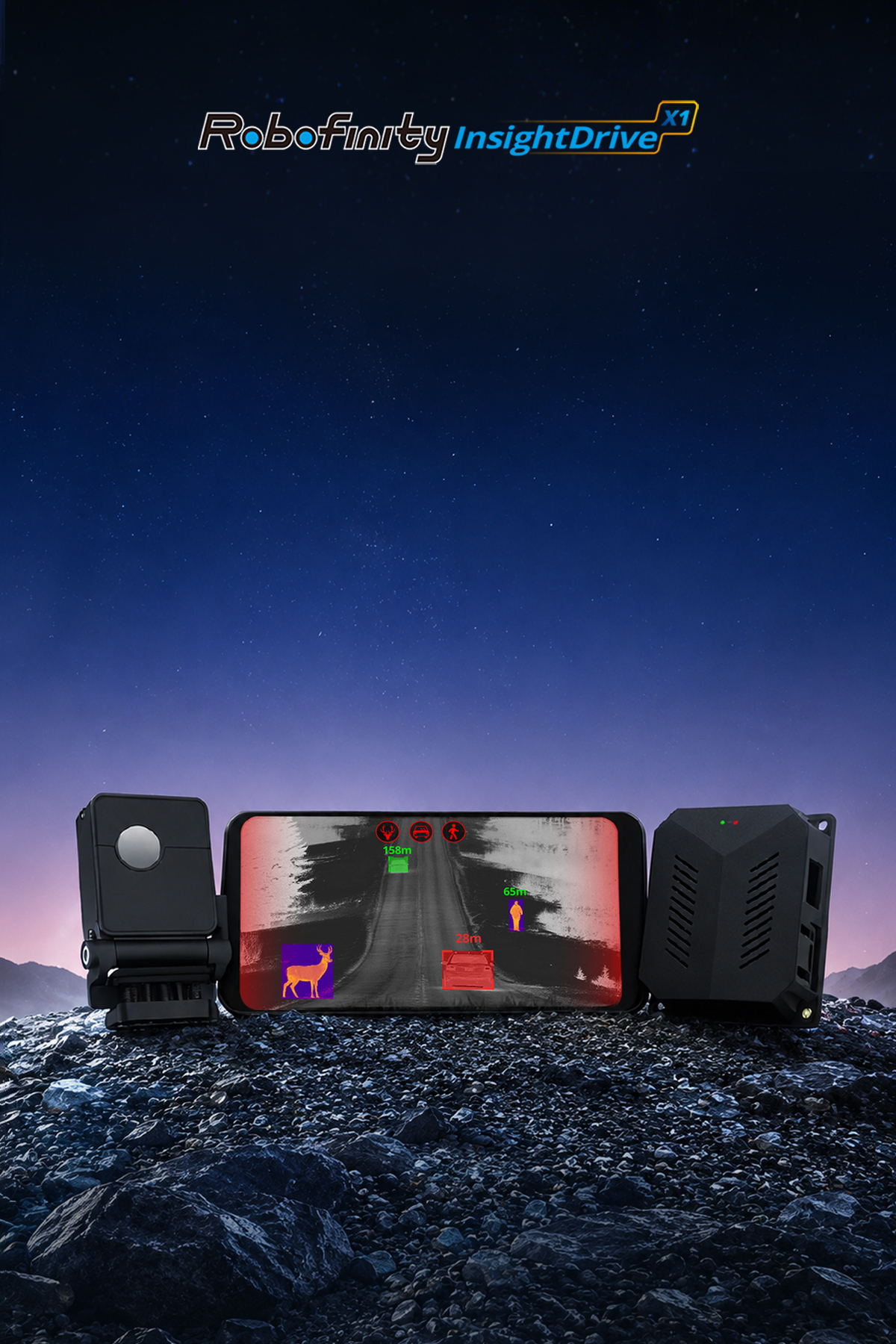
Advanced safety is not limited to factory-installed features. Drivers who often travel at night, on rural roads, or in poor-visibility conditions may also consider aftermarket driver-assistance upgrades designed to support awareness of pedestrians, animals, vehicles, and obstacles ahead.
Key Questions to Ask Before Buying
Before deciding whether a car night vision system makes sense for you, ask a few practical questions.
How often do you drive at night?
If nighttime driving is rare, night driving assistance may not be worth the expense. If it is part of your daily routine, night driving assistance tends to deliver more consistent value.
Where do you drive most often?
Rural roads, unlit highways, and areas with wildlife usually create more need for night visibility support than dense urban areas with strong street lighting.
What hazards do you face most?
Pedestrians, animals, curves, parked vehicles, and poor weather all affect whether night driving assistance could help in your situation.
Do you already have other useful safety features?
Automatic emergency braking, lane keeping, adaptive headlights, and good mirrors all contribute to safer driving. A car night vision system should complement those features, not replace them.
Are you buying for convenience or real need?
Some buyers are drawn to the technology because it sounds advanced. That is fine, but the best purchases are usually tied to a real driving problem, not just curiosity.
How would you use it day-to-day?
Make sure you can imagine integrating the display into your driving routine without distraction. Good night driving assistance supports attention, rather than pulling your eyes away from the road.
Limitations You Should Understand
Night driving assistance can improve awareness, but it has clear limits.
It may not detect every hazard. Objects that do not emit much heat, or hazards blocked by other vehicles or terrain, can still be hard to see. Weather, road layout, and camera placement can also affect performance.
It also does not change the physics of driving. If your speed is too high for the conditions, or if you are distracted, no visibility aid can solve that problem. You still need to drive defensively and keep enough braking distance for what lies ahead.
Some systems may also take time to learn or may feel unfamiliar at first. If the display distracts you, it can reduce the benefit. The best systems are the ones that support your attention rather than compete with it.
For general guidance on road safety in low-visibility conditions, the National Highway Traffic Safety Administration provides helpful driver education resources at NHTSA.
Practical Examples of Who Should Consider One
Here are a few real-world driver profiles where a car night vision system may make sense for night driving assistance.
A nurse working late shifts who drives home on dark suburban roads
A system could help with pedestrian awareness and unexpected roadside movement.
A family in a rural area with frequent deer crossings
Thermal imaging may add useful awareness before the animal enters the headlights’ range.
A salesperson or technician who drives long distances after dark
Extra visibility on highways and unfamiliar roads can help with situational awareness.
A city driver who often encounters poorly lit crosswalks and side streets
The benefit may be more modest, but it could still support awareness in low-light settings.
A weekend traveler who drives mountain roads and back roads at night
Curves, limited sight lines, and changing weather can make night driving assistance valuable.
Quick fit check: If your route regularly includes darkness, glare, wildlife, or inconsistent lighting, night driving assistance is more likely to feel like a practical upgrade than a novelty.
Should Everyday Drivers Consider It?
For many drivers, the answer is “possibly, but only if their driving pattern supports it.” Night driving assistance is not a universal must-have. It is a specialized tool.
If your daily driving is mostly daylight commuting, shopping trips, and school runs in well-lit areas, you may not need it. If, however, your routine includes darkness, weather, wildlife, or long rural drives, it may deserve a closer look.
That is why this technology is best evaluated like any other safety upgrade: by matching it to your real driving habits. Car night vision system features can be impressive, but their real value comes from solving an actual visibility problem—often during the moments you are most likely to struggle seeing hazards.
FAQ
Is a car night vision system worth it for city drivers?
Sometimes, but the benefit is usually greater for drivers who face darker roads, wildlife, or poor weather. In many cities, strong street lighting reduces the need for night driving assistance.
Does night vision replace headlights?
No. Headlights are still essential, and night vision only adds another layer of visibility support.
Can a car night vision system see animals?
Some thermal imaging systems can help detect animals by their heat signature, which may make them easier to notice in darkness.
Is night vision useful in rain or fog?
It can be helpful in some poor-visibility conditions, but performance depends on the type of system and the severity of the weather.
Do I need night vision if my car already has driver-assistance features?
Maybe not. It depends on your driving environment. Night driving assistance is one tool among many, and its value depends on whether your routine includes low-light or high-risk conditions.
What is the biggest mistake drivers make with this technology?
Treating it like a substitute for attention. It should support safe driving, not replace it.
Conclusion
A car night vision system is most useful for drivers who regularly deal with darkness, poor visibility, rural roads, wildlife, or nighttime highway travel—exactly the situations where night driving assistance can improve hazard awareness earlier than visible light allows. It is less valuable for drivers whose routines are mostly short, daytime trips in well-lit areas.
The best way to judge it is by looking honestly at your own driving conditions and the hazards you actually face. For some people, night driving assistance is a practical safety upgrade. For others, it is an interesting but unnecessary feature. The key is understanding what it can and cannot do, then deciding whether it fits your real-world needs. If you drive often in low-light conditions, it may be worth exploring as part of a broader safety and visibility strategy.