- Table of Contents
- What RV Ownership Actually Involves
- Who Should Buy an RV? People Most Likely to Benefit
- Frequent Road-Trippers
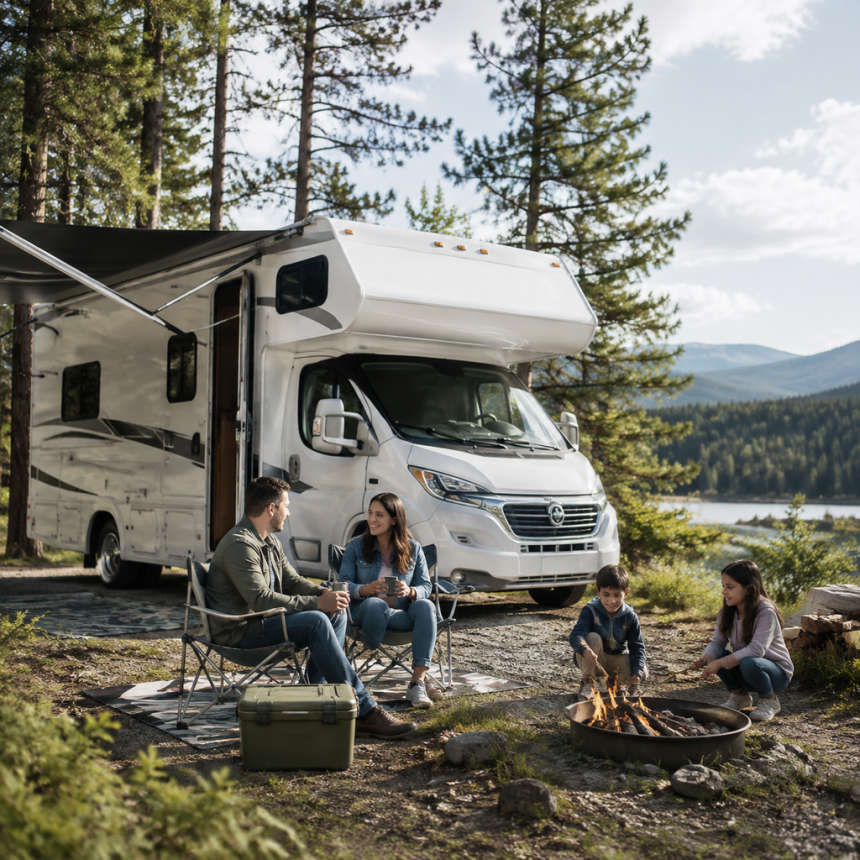
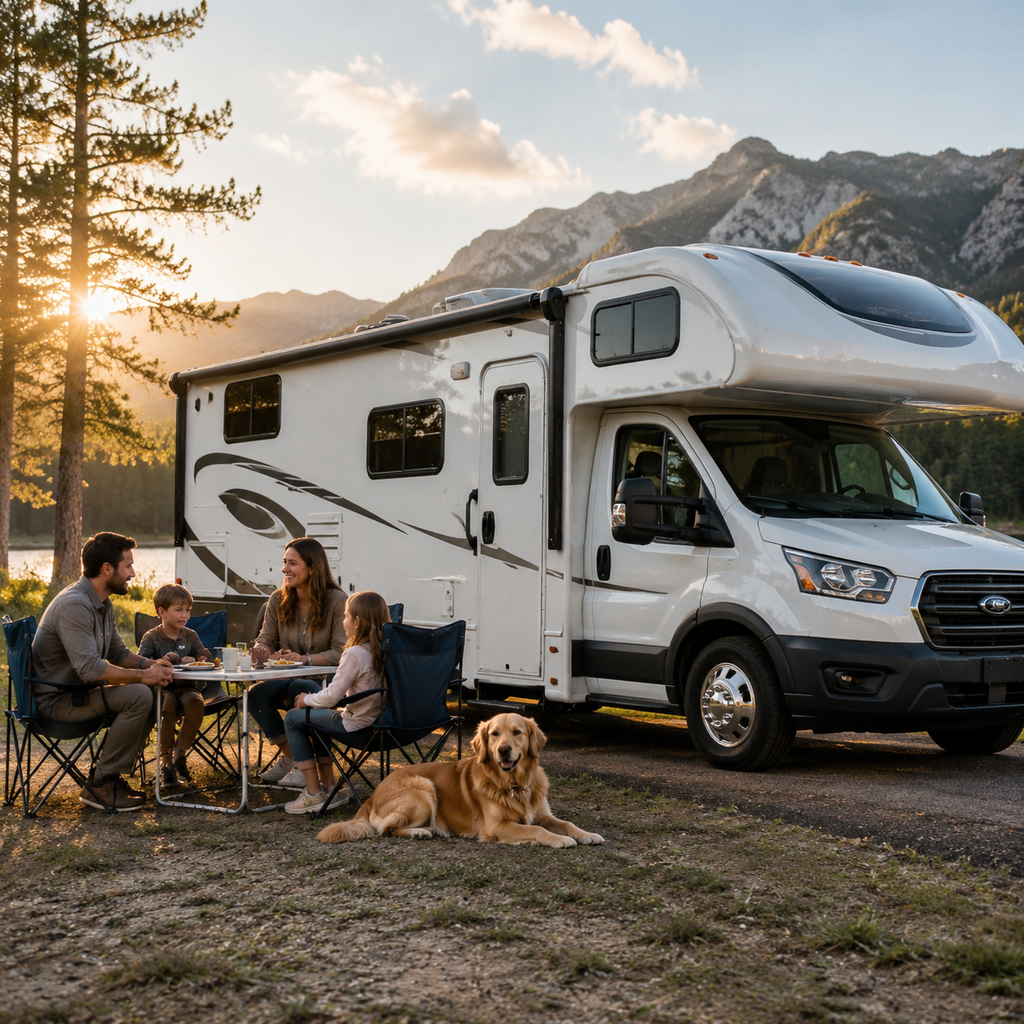
- Families Who Want a Consistent Travel Space
- Retirees With Time for Slower Travel
- Remote Workers Who Can Travel Without a Fixed Office
- Outdoor Enthusiasts With Equipment to Carry
- Travelers With Pets
- Who May Be Better Off Renting Instead
- Who Probably Should Not Buy an RV
- The Real Cost of Owning an RV
- Choosing Between a Motorhome and a Towable RV
- Safety and Driving Demands
- A Practical Decision Framework
- 1. How Many Nights Will You Actually Use It?
- 2. Where Will You Keep It?
- 3. Can Your Budget Absorb Repairs?
- 4. Are You Comfortable With the Work?
- 5. Does the RV Match Your Destinations?
- Inspecting an RV Before Purchase
- Frequently Asked Questions
- Is buying an RV worth it for occasional vacations?
- How often should an RV be used to justify ownership?
- Should a first-time buyer choose a small RV?
- Is an RV a good choice for full-time living?
- Can any SUV or pickup tow a travel trailer?
- Should I rent an RV before buying one?
- The Bottom Line
Buying a recreational vehicle can change how you travel, but it also changes how you budget, plan, drive, park, and maintain a vehicle. So, who should buy an RV? The best candidates are people who expect to travel regularly, value having their own living space, accept the work involved in RV ownership, and have a realistic place in their budget for fuel, storage, maintenance, insurance, and campsite fees.
An RV can suit families, retirees, remote workers, outdoor enthusiasts, and frequent road-trippers. It is less suitable for people who travel only occasionally, dislike vehicle maintenance, lack storage space, or expect RV trips to be an inexpensive, effort-free substitute for hotels. The decision should come down to actual travel habits rather than an idealized picture of life on the road.
Table of Contents
- What RV Ownership Actually Involves
- Who Should Buy an RV?
- Who May Be Better Off Renting Instead
- Who Probably Should Not Buy an RV
- The Real Cost of Owning an RV
- Choosing Between a Motorhome and a Towable RV
- Safety and Driving Demands
- A Practical Decision Framework
- Inspecting an RV Before Purchase
- Frequently Asked Questions
- The Bottom Line
What RV Ownership Actually Involves
“RV” covers several vehicle types, and the ownership experience varies considerably between them. Motorhomes combine transportation and living accommodation in one unit. Travel trailers and fifth wheels require a compatible tow vehicle. Smaller camper vans are easier to drive and park but offer less interior space. Pop-up campers can be lighter and more compact, although setup and weather protection may require compromises.
Regardless of type, an RV is both a vehicle and a living space. That creates two sets of responsibilities. Owners must care for automotive or trailer components while also managing appliances, plumbing, electrical systems, ventilation, seals, batteries, tanks, and interior fixtures.
A typical departure may involve more than loading bags. You may need to check tire pressure, secure cabinets, disconnect utilities, verify hitch connections, retract stabilizers or slide-outs, distribute cargo correctly, and confirm that exterior compartments are latched. At the destination, leveling, utility hookups, tank management, and campsite restrictions become part of the routine.
For some travelers, these tasks provide independence and control. For others, they make a vacation feel like work. Understanding these responsibilities is essential when deciding who should buy an RV.
Who Should Buy an RV? People Most Likely to Benefit
Frequent Road-Trippers
An RV makes the strongest financial and practical case when it is used regularly. When evaluating who should buy an RV, people who take multiple driving vacations each year are among the best candidates because they can benefit from a familiar sleeping area, kitchen, storage system, and travel routine.
Frequent use also allows an owner to become more efficient. Packing lists improve, setup gets faster, and maintenance becomes easier to anticipate. By contrast, an RV that sits unused for most of the year can continue generating storage, registration, insurance, depreciation, and maintenance costs without delivering much value.
Mileage alone is not the deciding factor. Someone taking several weekend trips close to home may use an RV more effectively than an owner planning one ambitious cross-country journey every few years.
Families Who Want a Consistent Travel Space
Families are often included in discussions of who should buy an RV because they may appreciate carrying familiar food, bedding, clothing, outdoor equipment, and entertainment without repeatedly moving everything through hotels. An onboard bathroom can also make long trips more manageable, although access may be restricted while certain towable RVs are moving.
An RV can reduce some of the friction associated with family travel, but it does not remove the need for planning. Every passenger needs a legal and appropriate seating position while the vehicle is in motion. Sleeping areas are not automatically safe travel seats, and a large interior does not mean occupants can move around freely on the road. Families can review the National Highway Traffic Safety Administration’s seat belt guidance when assessing passenger safety.
Families should evaluate:
- The number and location of travel seats
- Seat belt and child-restraint compatibility
- Cargo storage and load limits
- Sleeping arrangements as children grow
- Bathroom and kitchen capacity
- Climate control at campsites and while driving
- The ease of reaching family-friendly destinations
A floor plan that looks spacious at a dealership may feel very different once car seats, bicycles, food, bedding, and several people are aboard.
Retirees With Time for Slower Travel
Retirees with flexible schedules can be a strong answer to who should buy an RV. They may be able to travel outside peak periods, stay longer in one place, and change routes when weather or traffic becomes difficult. That flexibility may reduce the pressure to cover excessive distances in a day.
However, prospective buyers should consider the physical demands of ownership. Steps, high beds, hitch equipment, utility connections, tank hoses, leveling equipment, and exterior storage doors can become difficult to manage. Large motorhomes and trailers also demand confidence with wide turns, reversing, lane positioning, and braking distance.
A smaller RV with a manageable floor plan may be more useful than a luxurious model that is tiring to operate. Buyers should physically test the entrance, bed, bathroom, driver’s seat, storage areas, and setup controls before committing.
Remote Workers Who Can Travel Without a Fixed Office
Remote workers are another group to consider when asking who should buy an RV, particularly if they want to spend weeks or months near parks, small towns, or seasonal destinations. Yet working from an RV is not the same as taking occasional calls while on vacation.
A practical mobile workspace requires dependable power, suitable seating, ventilation, temperature control, adequate lighting, and realistic internet planning. Campground Wi-Fi may be slow or congested, while mobile coverage can be inconsistent in remote areas. Data plans and connectivity equipment can add recurring costs.
Space also matters. Two people working simultaneously may need separate areas for calls and focused tasks. Dining benches and convertible beds can look versatile, but repeated daily conversions may become frustrating.
Remote workers are better candidates when they can tolerate occasional connectivity problems, plan backup work locations, and separate work hours from driving and campsite setup.
Outdoor Enthusiasts With Equipment to Carry
Cyclists, hikers, anglers, paddlers, climbers, and other outdoor travelers often help illustrate who should buy an RV. It can serve as a base near a destination, provide shelter in changing weather, and make it easier to prepare food or clean up after an activity.
The key issue is payload. Racks, water, batteries, tools, outdoor equipment, food, and passengers all add weight. Storage compartments can encourage owners to carry more than the RV or tow vehicle can safely handle.
Payload and towing limits must be treated as operating boundaries, not targets to exceed. Buyers should look beyond advertised sleeping capacity and examine the actual weight ratings of the RV, axles, tires, hitch, and tow vehicle. A trailer may appear towable based on its empty weight but become unsuitable after normal travel cargo and water are added.
Travelers With Pets
Travelers who dislike leaving pets behind may also fit the profile of who should buy an RV. Animals can travel with familiar bedding and routines, and owners have more control over stops and destinations than they might when relying on pet-friendly hotels.
That convenience comes with serious responsibilities. Interior temperatures can become dangerous quickly when climate-control systems stop, shore power fails, or a campground loses electricity. Pets also need secure travel restraints appropriate to the vehicle, regular breaks, ventilation, water, and destination-specific planning.
An RV should not be treated as a safe unattended environment simply because it has air conditioning. Owners must plan for power interruptions and avoid leaving animals in conditions that could become hazardous.
Who May Be Better Off Renting Instead
The question of who should buy an RV should begin with a rental for many first-time travelers, occasional users, and people who are uncertain about size or layout. Renting allows a buyer to experience the less glamorous parts of RV travel before taking on long-term ownership.
A meaningful trial should include normal tasks rather than only a short drive. Load the equipment you would actually carry. Sleep in every bed you expect to use. Prepare a meal, use the bathroom, connect utilities, store wet clothing, and perform campsite setup in realistic conditions.
Renting may be preferable when:
- You expect to take only one or two RV trips a year
- Your travel needs change from trip to trip
- You do not have secure storage
- You want to avoid long-term maintenance
- You are unsure whether to buy a motorhome or towable
- You need different sizes for family trips and couple trips
- You would rather pay for convenience only when traveling
The rental rate may look high in isolation, but ownership costs continue between trips. The correct comparison is the total annual cost of each option, not the price of one rental against one monthly loan payment. That comparison often clarifies who should buy an RV and who should continue renting.
Who Probably Should Not Buy an RV
A realistic answer to who should buy an RV must also identify travelers who may be poorly suited to ownership. An RV can be a difficult fit for people who strongly prefer spontaneous urban trips, full-service accommodations, or transportation that requires little preparation. Large RVs can be difficult to maneuver in historic towns, crowded city centers, parking structures, narrow roads, and small fuel stations.
Ownership is also questionable when the purchase depends on an optimistic travel schedule. Work demands, school calendars, health needs, and family obligations often reduce actual use. A buyer expecting dozens of travel nights should consider whether that estimate reflects existing behavior or a hoped-for lifestyle change.
Think carefully before buying if any of the following applies:
- The purchase would strain emergency savings
- You have not confirmed legal and secure storage
- You are uncomfortable driving or towing a large vehicle
- You dislike routine inspection and preventive maintenance
- You expect an RV to appreciate or retain value like a house
- Your preferred destinations have limited RV access
- You cannot accommodate unexpected repair bills
- You want hotel-style convenience without setup or cleanup
None of these factors automatically rules out RV travel. They may simply make renting, tent camping, cabin stays, or conventional road trips more suitable. Financial resilience and tolerance for routine work are important parts of determining who should buy an RV.
The Real Cost of Owning an RV
Cost often determines who should buy an RV because the advertised purchase price is only the starting point. A realistic budget should account for both predictable expenses and irregular repairs.
Common ownership costs include:
- Financing charges, if applicable
- Insurance and registration
- Fuel or increased tow-vehicle consumption
- Campsite and utility fees
- Storage
- Routine service and inspections
- Tire replacement based on condition and age
- Battery care and replacement
- Roof and exterior seal maintenance
- Winterization or seasonal preparation
- Cleaning and tank supplies
- Repairs to appliances, plumbing, electrical systems, or slide-outs
- Accessories such as hoses, adapters, chocks, leveling equipment, and surge protection
Depreciation also matters. RV values can decline even when a unit has low mileage because age affects seals, tires, batteries, interiors, and onboard systems. Buyers should not assume that light use means low ownership cost.
Create an annual estimate based on expected nights of use. Divide total annual ownership costs by the number of nights you realistically expect to travel. This “cost per travel night” is imperfect because it excludes the personal value of convenience and flexibility, but it exposes whether ownership assumptions are reasonable and helps determine who should buy an RV.
Choosing Between a Motorhome and a Towable RV
Vehicle type can change the answer to who should buy an RV because motorhomes, trailers, fifth wheels, and camper vans create different driving, storage, and maintenance demands.
Motorhomes
Motorhomes place driving and living functions in one vehicle. They can make arrival and departure simpler because there is no trailer to hitch. Passengers may have better access to the cabin during stops, and setup can be relatively quick depending on the model.
The drawbacks include maintaining a drivetrain along with the living systems. Once parked, local transportation can also be inconvenient unless the owner tows a smaller vehicle, carries bicycles, or uses other transport. For this category, who should buy an RV often includes travelers who value an integrated setup and accept the additional mechanical maintenance.
Travel Trailers and Fifth Wheels
Towable RVs allow owners to leave the trailer at a campsite and use the tow vehicle for local trips. They may offer substantial living space without adding another engine and drivetrain to maintain.
However, towing introduces its own requirements. The tow vehicle, hitch, payload, tongue or pin weight, braking equipment, and trailer dimensions must work together. Published maximum tow ratings do not tell the entire story because passengers and cargo reduce available capacity.
A towable is best suited to someone willing to learn hitching, reversing, brake-controller use, weight distribution, and trailer-specific maintenance. In this case, who should buy an RV includes drivers prepared to verify every relevant weight rating and practice towing skills.
Camper Vans and Compact RVs
Smaller RVs are often easier to drive, park, store, and use for short trips. They may suit solo travelers or couples who spend most of their time outside.
Their limitations become obvious in poor weather or on longer journeys. Compact beds, limited bathrooms, small water tanks, and minimal storage can require daily compromises. Buyers deciding who should buy an RV in this category should determine whether easy mobility or interior comfort matters more.
Safety and Driving Demands
Driving ability is a major factor in deciding who should buy an RV. An RV’s size changes nearly every driving task: acceleration is slower, stopping distances are longer, crosswinds have more influence, and extra width requires careful lane placement. Overhead clearance, rear overhang, tire condition, and load distribution become daily safety considerations.
A responsible owner should be prepared to:
- Practice reversing and turning in an open area
- Learn the vehicle’s exact height, width, length, and weight
- Plan fuel and rest stops suitable for the RV
- Reduce speed in wind, rain, snow, and poor visibility
- Leave additional following distance
- Check tires and connections before departure
- Secure interior cargo before moving
- Avoid driving while fatigued
- Use a spotter or camera carefully when maneuvering
Long-distance RV travel can be more tiring than driving a passenger car. Planning shorter travel days creates time for breaks, unexpected traffic, setup, and daylight arrival.
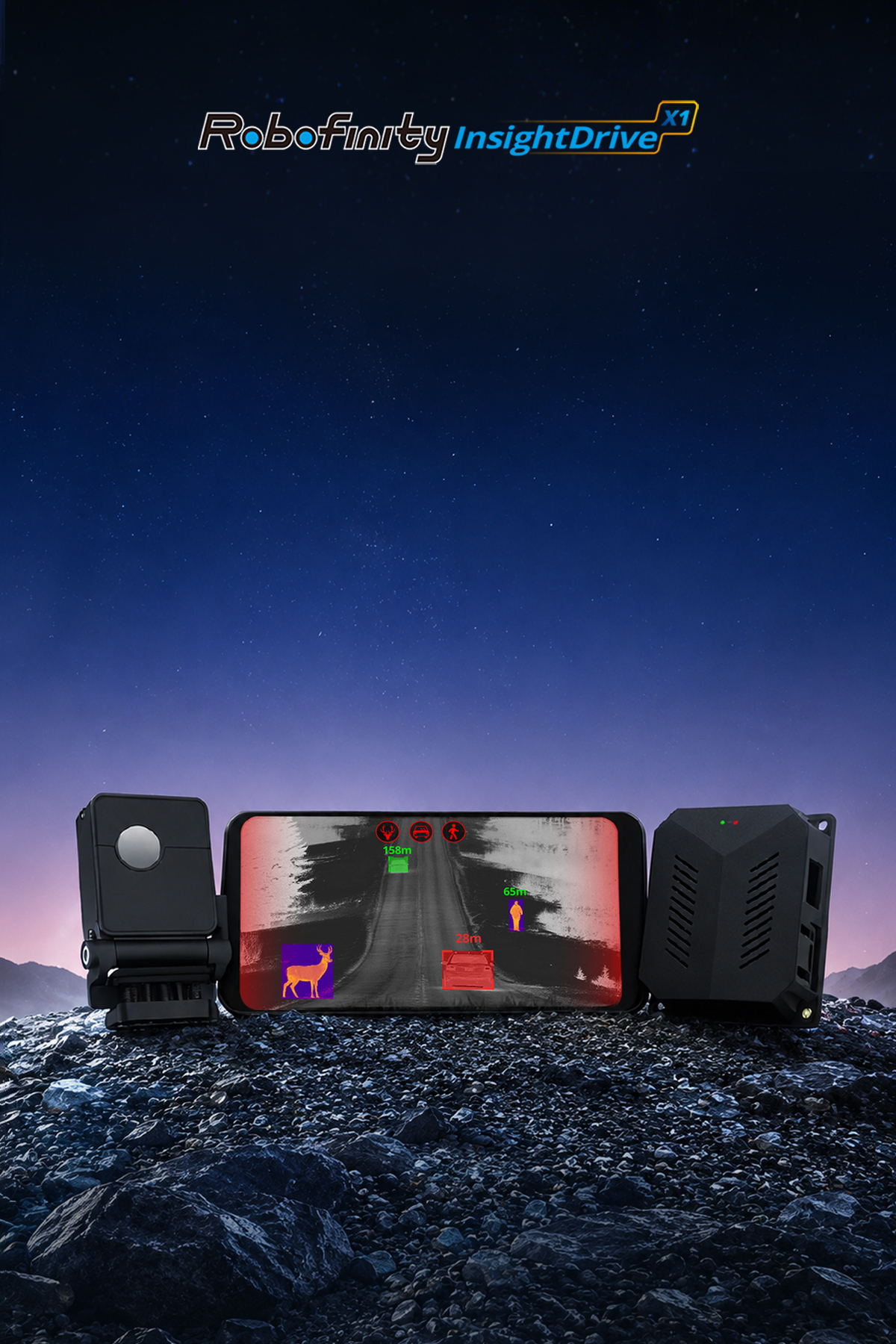
Night driving deserves particular caution because a large vehicle needs more space and time to respond to hazards. Drivers who frequently use dark highways or rural roads may consider aftermarket awareness tools such as Robofinity InsightDrive, a vehicle thermal imaging night vision system designed to support recognition of pedestrians and animals in low-light or poor-visibility conditions. The related guide to RV night vision systems for night driving explains additional considerations. Such driver-assistance technology can supplement road awareness, but it cannot replace headlights, mirrors, safe speed, sufficient braking distance, traffic-law compliance, or attentive driving. Comfort with these limitations is part of evaluating who should buy an RV.
A Practical Decision Framework
Before buying, work through the following five questions. Together, they provide a practical way to decide who should buy an RV based on real behavior rather than an imagined travel schedule.
1. How Many Nights Will You Actually Use It?
Review your travel from the last two or three years. Identify trips that realistically could have been RV trips. Do not count weekends that conflict with work, school, family commitments, or seasonal weather. Regular, achievable use is one of the clearest indicators of who should buy an RV.
2. Where Will You Keep It?
Confirm storage before purchasing. Check property restrictions, access width, surface stability, security, electrical availability, and local rules. Off-site storage adds cost and can make spontaneous trips less convenient. Anyone assessing who should buy an RV should resolve the storage question before signing a purchase agreement.
3. Can Your Budget Absorb Repairs?
An emergency fund should cover more than routine servicing. An RV can develop vehicle, appliance, plumbing, electrical, body-seal, or structural problems. Delayed repairs, especially water intrusion, can turn a manageable issue into extensive damage. The people who should buy an RV need room in their budgets for these unpredictable costs.
4. Are You Comfortable With the Work?
Consider loading, cleaning, driving, dumping tanks, maintaining batteries, checking seals, arranging service, and preparing the unit for storage. If you intend to divide these tasks with a partner, agree on responsibilities before buying. Willingness to handle this work helps define who should buy an RV.
5. Does the RV Match Your Destinations?
A large floor plan may be comfortable inside but incompatible with smaller campsites or narrow access roads. A compact camper may reach more destinations but feel crowded during extended bad weather. When deciding who should buy an RV, buyers should choose for the places they genuinely plan to visit.
Inspecting an RV Before Purchase
Anyone researching who should buy an RV should also understand the importance of a detailed pre-purchase inspection. A clean interior does not reveal the condition of the roof, seals, underbody, tires, electrical system, plumbing, or appliances.
Look for staining, soft wall or floor areas, musty odors, cracked sealant, corrosion, uneven tire wear, and signs of previous water entry. Operate every accessible system, including lights, outlets, pumps, heating, cooling, appliances, awnings, slide-outs, and levelers where fitted.
For a motorhome, arrange appropriate mechanical checks in addition to the RV-system inspection. For a towable, confirm that your tow vehicle and hitch setup can handle the loaded trailer within all relevant ratings. An independent professional inspection may identify issues that are difficult for a first-time buyer to recognize.
New units also require inspection. Manufacturing defects, transport damage, and incomplete adjustments can occur, and warranty coverage does not eliminate the inconvenience of repairs. Buyers who account for inspection and repair risks are better prepared to decide who should buy an RV.
Frequently Asked Questions
These common questions address who should buy an RV and when renting or another form of travel may be more practical.
Is buying an RV worth it for occasional vacations?
Usually, renting is more practical for occasional trips because it avoids storage, depreciation, insurance, and ongoing maintenance. When considering who should buy an RV, ownership may still make sense if availability, pet travel, accessibility needs, or a highly customized setup matters more than cost.
How often should an RV be used to justify ownership?
There is no universal minimum. Estimate all annual costs and divide them by realistic travel nights. Then compare that figure with rentals, hotels, cabins, or other accommodation while accounting for the convenience and lifestyle value you place on having your own space. Actual usage, rather than a fixed number of nights, helps reveal who should buy an RV.
Should a first-time buyer choose a small RV?
A smaller model is often easier to drive and store, but it is not automatically the right choice. Buyers should balance maneuverability against sleeping comfort, bathroom needs, cargo capacity, and the amount of time they expect to spend indoors. Size alone does not determine who should buy an RV.
Is an RV a good choice for full-time living?
It can be, but full-time use requires careful planning for mail, healthcare, connectivity, legal domicile, insurance, maintenance downtime, seasonal weather, and long-term parking. In the full-time context, who should buy an RV includes people prepared to treat it as a housing and logistical decision, not simply an extended vacation.
Can any SUV or pickup tow a travel trailer?
No. Suitability depends on the specific vehicle, configuration, hitch, payload capacity, axle ratings, trailer weight, tongue or pin weight, passengers, and cargo. Verify all applicable ratings for the actual vehicle and loaded trailer rather than relying only on a headline towing figure. Tow-vehicle compatibility is essential when determining who should buy an RV.
Should I rent an RV before buying one?
Yes, especially if you have not previously driven, towed, or stayed in one. A multi-day rental provides useful information about layout, bed comfort, storage, driving fatigue, setup, utility use, and whether the overall routine suits your household. This experience can provide the clearest personal answer to who should buy an RV.
The Bottom Line
The strongest answer to who should buy an RV is not necessarily the person with the biggest travel ambitions. The best buyers are people whose schedules, finances, destinations, storage arrangements, and tolerance for maintenance align with the realities of ownership.
Buy only after testing the lifestyle, calculating full annual costs, confirming storage, and selecting a vehicle that fits both its occupants and its intended roads. For frequent travelers who value independence and accept the work, an RV can be a practical way to explore. Ultimately, deciding who should buy an RV requires an honest comparison between the benefits of ownership and the flexibility of renting without a year-round obligation.