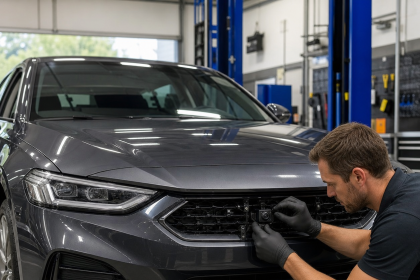
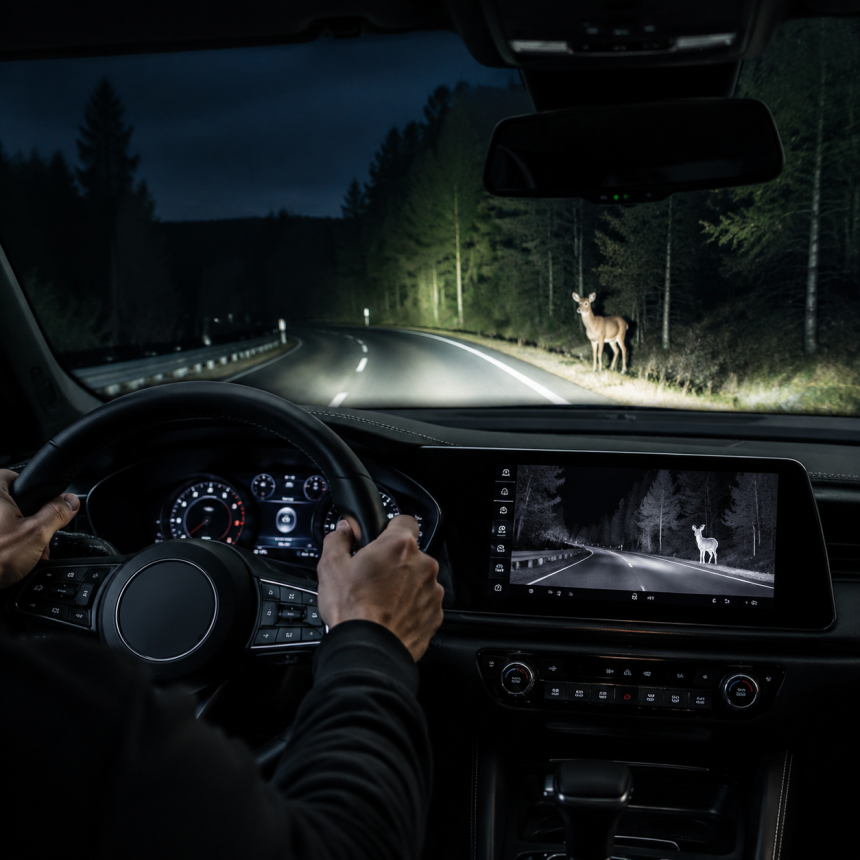
Will night vision feature cars become a standard feature in future vehicles? As cars add more cameras, radar, and driver-assistance features, many drivers want to know whether dedicated night vision—especially enhanced low-light performance and thermal awareness—will move beyond premium trims and become more common across the market.
- What Night Vision Actually Does in a Car
- Why Automakers Are Interested in Night Vision
- Will Night Vision Become Standard Across Most Cars
- What Could Push Night Vision Into Mainstream Cars
- Lower sensor costs
- Better system integration
- Growing demand for driver-assistance technology
- More attention to vulnerable road users
- Consumer familiarity with cameras
- Operational reliability across seasons
- What Could Keep It from Becoming a Standard Feature
- Cost remains a factor
- Limited driver use
- Driver attention is still required
- Competition from other safety systems
- Inconsistent results with unusual conditions
- Night Vision vs. Other Safety Technology
- Traditional headlights
- Forward cameras and pedestrian detection
- Radar-based driver assistance
- Adaptive lighting systems
- Where Night Vision Makes the Most Sense
- How Buyers Should Think About Night Vision Today
- The Most Likely Future for Night Vision
- FAQ
In simple terms, night vision feature cars help improve driving visibility in darkness and poor-visibility conditions by detecting heat signatures or enhancing what a driver can see ahead. That makes the technology especially relevant for rural roads, highways at night, fog, rain, and areas where pedestrians or animals are harder to spot early enough with headlights alone. The promise is real, but it is not yet a universal feature, and it may not become one as quickly as some people expect.
- What Night Vision Actually Does in a Car
- Why Automakers Are Interested in Night Vision
- Will Night Vision Become Standard Across Most Cars
- What Could Push Night Vision Into Mainstream Cars
- What Could Keep It from Becoming a Standard Feature
- Night Vision vs. Other Safety Technology
- Where Night Vision Makes the Most Sense
- How Buyers Should Think About Night Vision Today
- The Most Likely Future for Night Vision
- FAQ
What Night Vision Actually Does in a Car
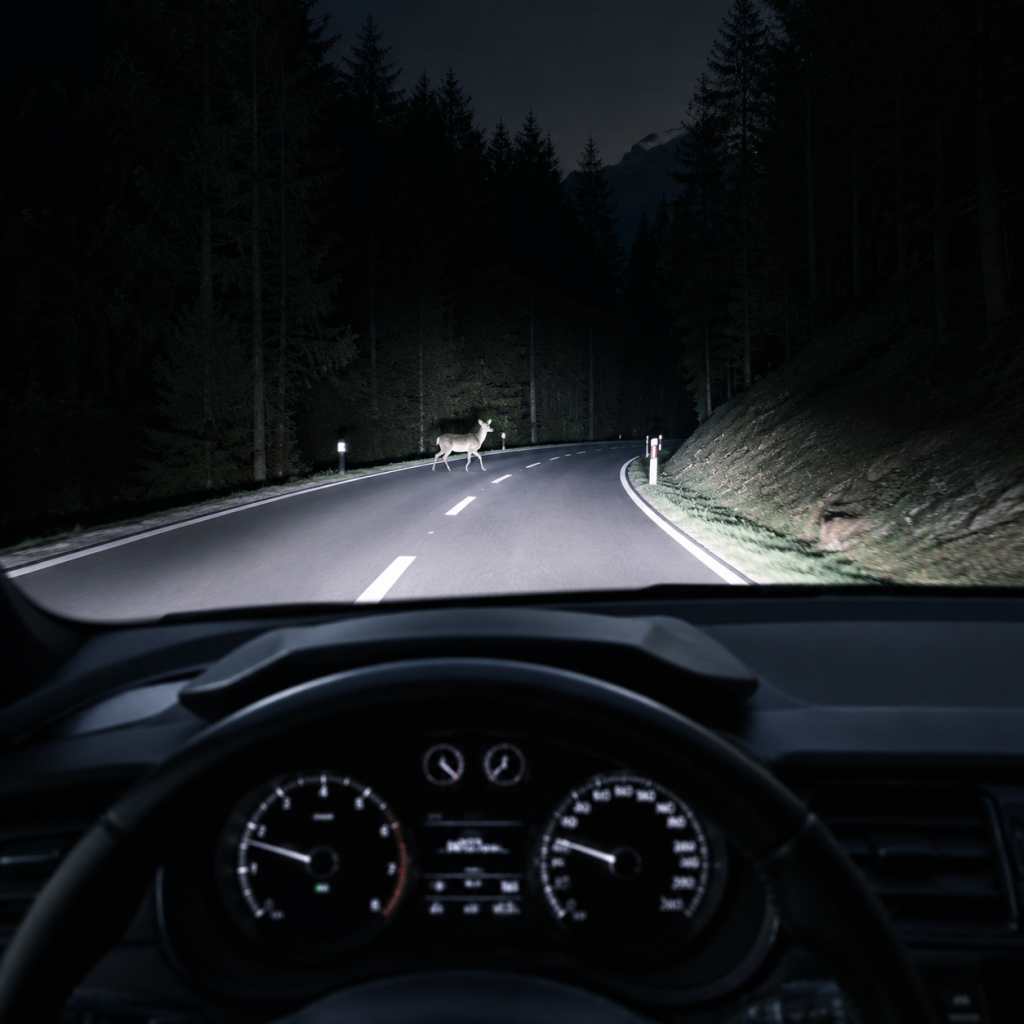
Car night vision systems are designed to extend a driver’s awareness beyond what the headlights can illuminate. Depending on the system, they may use thermal imaging or near-infrared technology. Thermal systems detect heat from people, animals, vehicles, and some obstacles. Near-infrared systems can enhance the visible image, but they usually depend more on reflected light and auxiliary illumination.
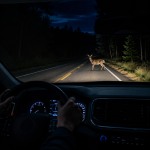
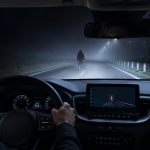
For many drivers, the value of night vision feature cars is not that they make the road look futuristic. The practical benefit is earlier hazard detection. On a dark two-lane road, for example, a pedestrian in dark clothing or a deer near the shoulder may be easier to notice on a thermal display than in the headlight beam alone. That extra awareness can matter most when reaction time is limited.
For readers who want a deeper comparison of system types, see Thermal Imaging Camera for Car: How to Choose Over Infrared for Night Safety.
Why Automakers Are Interested in Night Vision
Automakers are under constant pressure to improve safety, support driver-assistance features, and differentiate their vehicles in a crowded market. Night vision fits into that trend for several reasons, and it is especially attractive when paired with the rest of an ADAS stack.
First, road safety technology is becoming more sophisticated. Many new vehicles already use forward cameras, radar, automatic braking, lane-keeping support, and pedestrian detection. Night vision feature cars can complement those systems, especially when visibility is poor and standard detection struggles.
Second, premium buyers often expect advanced technology. In higher-end vehicles, a night vision system can be marketed as part of a broader safety and convenience package. That is one reason night vision has historically appeared more often in luxury models than in mainstream cars.
Third, there is a strong real-world use case. Drivers in rural areas, regions with frequent animal crossings, or places with long stretches of unlit road may find thermal imaging particularly useful. That makes the technology more than a novelty; it can address a genuine driving problem. Safety organizations continue to emphasize the importance of earlier hazard detection and better visibility, including guidance from the National Highway Traffic Safety Administration (NHTSA) official road safety resources.
Night Vision Feature Cars are also supported by a clear problem statement: nighttime hazards are detected later by humans, especially for animals near the roadside. If you want more context on that risk, see Hitting Animals While Driving at Night: How to Reduce the Risk.
Will Night Vision Become Standard Across Most Cars
The short answer is: not soon, and maybe not in the way people imagine.
It is more likely that night vision feature cars will grow gradually in higher trim levels, safety packages, and certain vehicle categories before they become widespread. Standard equipment usually appears after several conditions are met:
- The technology becomes affordable to manufacture at scale
- It integrates smoothly with existing vehicle systems
- Regulators and automakers align on how it should function
- Consumers understand its value and are willing to pay for it
- It proves reliable in real-world driving conditions
Night Vision Feature Cars still face hurdles in those areas. Even as sensors and supporting components become cheaper, thermal hardware can remain more specialized than mainstream visibility tech. Automakers also have to think about interface design. A feature is only helpful if drivers can interpret it quickly without distraction.
That said, some elements of night vision may become more common even if full thermal systems do not. For example, improved low-light cameras, pedestrian detection, and enhanced display overlays may show up in mainstream vehicles long before dedicated thermal night vision becomes standard across the market.
What Could Push Night Vision Into Mainstream Cars
Several trends could help night vision feature cars move from a premium feature to a more common one.
Lower sensor costs
As components become cheaper, automakers can add more advanced hardware without pushing vehicle prices too high. This is one of the main reasons features that once seemed exclusive eventually spread through the market.
Better system integration
Night vision works best when it is part of a broader safety ecosystem. If night vision feature cars can share data with warning systems, displays, and driver-assistance features, it becomes more useful and easier for drivers to understand.
Growing demand for driver-assistance technology
Many buyers now expect vehicles to include more than basic mirrors and headlights. As awareness of ADAS features grows, there may be more demand for tools that support road awareness at night. If you are comparing broader ADAS options, this guide to Automotive Night Vision: 7 Powerful Safety Benefits is a useful companion read.
More attention to vulnerable road users
Pedestrian and animal detection have become increasingly important in vehicle safety discussions. Night vision feature cars can support that goal by highlighting heat-emitting objects that are difficult to see in the dark.
Consumer familiarity with cameras
Drivers are already used to backup cameras, 360-degree views, and dashboard displays. That makes it easier for them to accept another screen-based safety tool if it is presented clearly and does not overwhelm them.
Operational reliability across seasons
For standardization, night vision systems must perform consistently across real weather and seasonal changes. Improvements in calibration, lens technology, and image processing can reduce “false confidence” by making alerts more consistent and easier to interpret in everyday use.
What Could Keep It from Becoming a Standard Feature
There are also strong reasons night vision feature cars may remain optional for many years.
Cost remains a factor
Even when a feature is technically possible, automakers have to decide whether enough buyers will pay for it or whether it belongs only in higher trims. If the cost-benefit equation is weak, standardization slows down.
Limited driver use
Some features become standard because nearly every driver benefits from them every day. Night vision is more situational. If a buyer rarely drives at night or mostly stays in well-lit urban areas, the value of night vision feature cars can feel less obvious.
Driver attention is still required
Night Vision Feature Cars can support awareness, but they cannot replace safe driving habits. The display can help a driver notice a hazard sooner, but the driver still has to interpret the situation and respond appropriately. Because of that, some automakers may prioritize simpler and less distracting safety tools.
Competition from other safety systems
Automakers often have limited development budgets. They may choose to invest in features that improve broad safety performance for more drivers, such as forward collision warning, automatic emergency braking, or improved pedestrian detection using standard camera systems.
Inconsistent results with unusual conditions
Even advanced systems can vary in performance depending on lighting, weather, reflective surfaces, and object movement. If customers experience frequent uncertainty, automakers may hesitate to treat night vision as “must-have” equipment, even if night vision feature cars work well in many scenarios.
Night Vision vs. Other Safety Technology
It helps to compare night vision with other common safety systems and understand where night vision feature cars fit in the “layered” approach.
Traditional headlights
Headlights remain essential and are still the primary tool for seeing the road. Night vision does not replace them. Instead, night vision feature cars can help show hazards that are outside or at the edge of the headlight beam.
Forward cameras and pedestrian detection
Many newer vehicles include camera-based safety systems that can detect pedestrians or lane markings. These work well in many conditions, but poor lighting, glare, rain, and shadowed areas can still challenge visible-light systems.
Radar-based driver assistance
Radar is excellent for tracking distance and movement, but it does not always identify what an object is. Night vision feature cars can add context by helping the driver understand whether a detected object is a person, animal, vehicle, or other obstacle.
Adaptive lighting systems
Some vehicles use headlights that turn, adapt, or brighten based on conditions. These improve illumination, but they still depend on visible light. Night vision addresses the visibility gap differently by focusing on heat signatures or enhanced image capture.
The likely future is not one single feature replacing another. It is more likely a layered approach where headlights, camera systems, radar, and night vision feature cars each support the driver in different ways.
Where Night Vision Makes the Most Sense
If night vision becomes more common, it will probably be most valuable in certain driving environments, especially where detection errors at night can have serious consequences.
Rural roads
Animals, unlit driveways, pedestrians, and limited shoulder lighting make rural roads a strong use case for night vision feature cars. Drivers may have less time to react if something enters the roadway unexpectedly.
Highway driving at night
On dark highways, night vision feature cars can help with earlier hazard awareness, especially when traffic is moving quickly and fatigue can affect reaction time.
Mountain and winding roads
Sharp curves, limited lighting, and unpredictable wildlife make visibility more difficult. Thermal-aware systems can add another layer of awareness where lights do not provide enough contrast.
Poor weather and glare
Fog, rain, snow, and bright headlight glare can make the road harder to read. While no system eliminates those problems, night vision can help reveal objects that are difficult to distinguish in visible light.
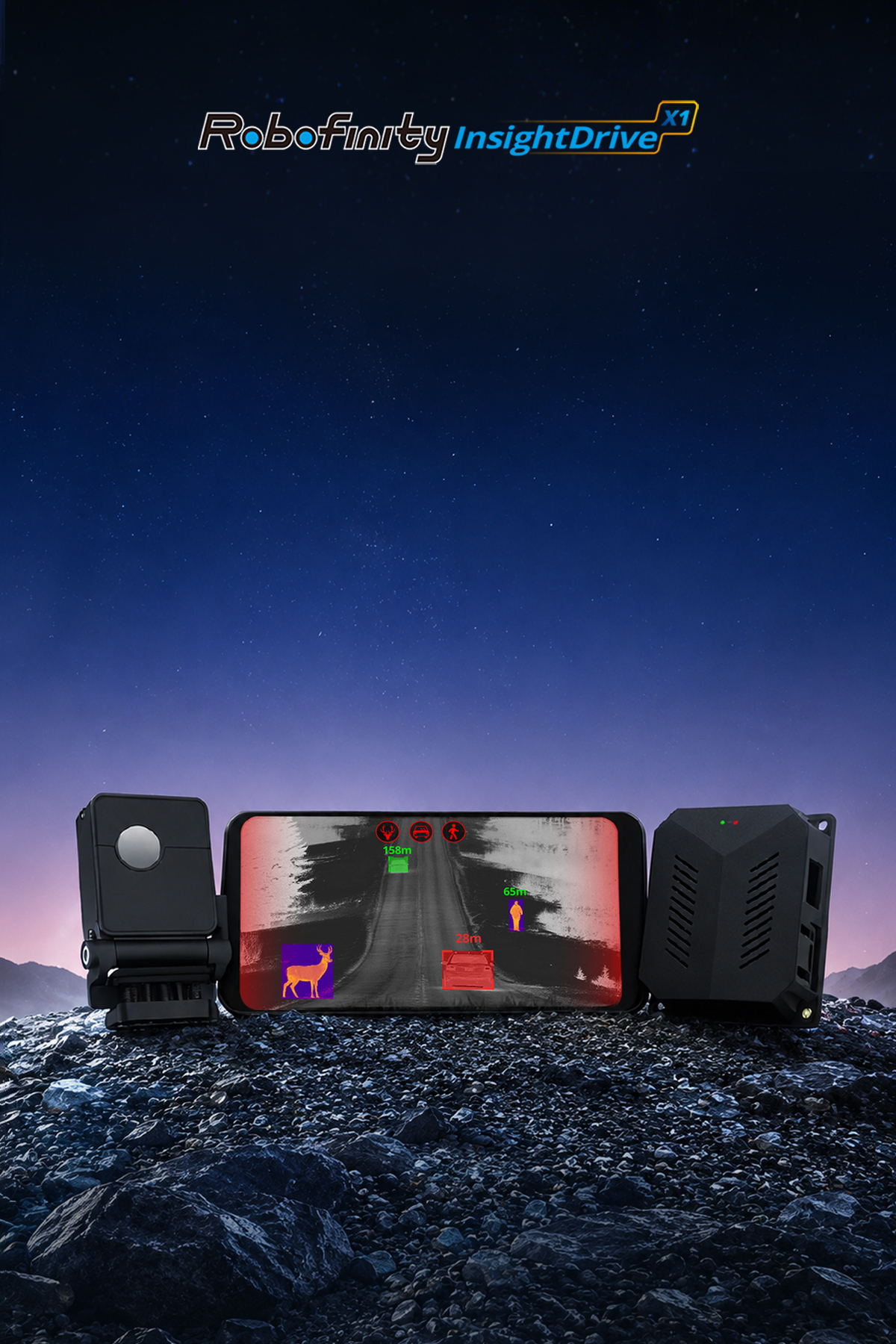
For example, aftermarket driver-assistance systems such as Robofinity InsightDrive use AI-powered thermal imaging to support awareness of pedestrians, animals, vehicles, and obstacles in low-light and poor-visibility driving conditions. That kind of technology shows how thermal imaging can complement factory safety equipment rather than replace it.
How Buyers Should Think About Night Vision Today
If you are shopping for a car now, the better question may not be whether night vision feature cars will eventually become standard. It is whether the feature makes sense for your driving habits today.
Consider these factors:
- Do you drive often at night?
- Do you travel on rural or unlit roads?
- Do you live in an area with deer or other animals crossing the road?
- Do you regularly drive in fog, rain, or snow?
- Would you actually use and understand the feature if it were available?
If the answer to several of those questions is yes, night vision may be worth considering as part of a broader safety package. If not, other features may offer more practical value for your budget and typical routes.
It is also smart to think about usability. A feature only helps if it is easy to see and understand while driving. If the interface is complicated or poorly integrated, the real-world benefit of night vision feature cars may be lower than the spec sheet suggests.
If you are evaluating whether night driving assistance is worth it for your needs, this guide can help frame the decision: Car Night Vision: Is It Worth It on a Car?.
The Most Likely Future for Night Vision
The most realistic scenario is that night vision feature cars become more common as a premium or optional feature, while related low-light safety technology becomes increasingly standard across more models.
In other words, drivers may not see thermal imaging on every car anytime soon, but they may see more vehicles with improved nighttime visibility tools, better pedestrian detection, and smarter display systems. That gradual adoption could still make a meaningful difference for road awareness.
In parallel, more households and drivers may become familiar with night-driving limitations—fatigue, glare, and the way animals and pedestrians appear late to the human eye. As education and expectations rise, demand for clearer night awareness can increase, which can accelerate adoption of night vision feature cars.
If the technology keeps improving and costs continue trending downward, mainstream adoption becomes more plausible. But if automakers find cheaper ways to deliver useful safety gains through cameras, radar, and software, dedicated night vision may stay specialized for drivers who want extra capability.
For those who want a practical buying approach when shopping, reviewing Automotive Thermal Night Vision Buying Guide can clarify which features matter most for real nighttime driving.
FAQ
Is night vision already available in cars?
Yes, but mostly in premium vehicles or as part of optional safety packages. It is not yet a common standard feature across most mainstream cars, which is why you still see night vision feature cars more often in higher trims.
Does night vision replace headlights?
No. Headlights are still essential. Night vision feature cars support visibility and awareness, not replace normal lighting or driver attention.
Is thermal night vision better than a normal camera at night?
In some situations, yes. Thermal imaging can detect heat signatures in darkness and poor visibility. However, it does not provide every detail a normal camera or the human eye can offer.
Why is night vision not standard in every car?
Cost, complexity, interface design, and limited everyday use all make it harder to justify as a universal standard feature, which slows the spread of night vision feature cars.
Who benefits most from night vision?
Drivers who spend a lot of time on rural roads, dark highways, or in areas with wildlife may benefit the most from this type of technology, especially when night driving is frequent.
Could night vision become common in electric vehicles first?
It is possible, especially in higher-tech models where advanced driver-assistance features are already a selling point. But adoption will likely depend more on price, packaging, and demand than on powertrain type alone.
What’s the biggest reason night vision might become standard later?
The biggest factor is reliable affordability at scale—plus user-friendly displays that help drivers interpret alerts quickly without increasing distraction.
Conclusion
Night Vision Feature Cars are unlikely to become a universal standard feature in the immediate future, but they do appear to have a meaningful place in the next generation of vehicle safety technology. The technology addresses a real problem: low-light visibility when people, animals, and other hazards are harder to detect. That makes it especially useful for drivers who regularly travel at night or in poor-visibility conditions.
At the same time, night vision feature cars remain a specialized tool. Cost, practicality, and driver demand will determine how widely the feature spreads. For now, the most likely future is a gradual one: more advanced low-light systems in more cars, with dedicated thermal night vision remaining an option for drivers who want extra awareness. If you are evaluating vehicles or aftermarket safety upgrades, it is worth thinking about where and how you drive most often and whether additional night-time visibility support would actually fit your needs.