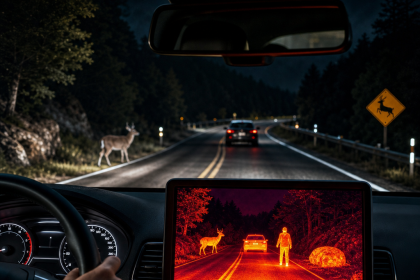
SEO Title: Car Thermal Night Vision System Buying Guide for Everyday Drivers
- What a Thermal Night Vision System Actually Does
- Decide Whether the Technology Fits Your Driving
- The Most Important Buying Criteria
- 1. Useful Detection and Recognition
- 2. Thermal Image Clarity
- 3. Frame Rate and Latency
- 4. Field of View
- 5. Pedestrian, Animal, and Vehicle Alerts
- 6. Display Design and Placement
- 7. Camera Durability and Lens Maintenance
- 8. Vehicle Compatibility and Installation
- 9. Controls, Recording, and Data Handling
- 10. Support and Long-Term Ownership
- Thermal Imaging Versus Other Night-Vision Options
- Thermal Imaging
- Near-Infrared Camera Systems
- Conventional Low-Light Cameras
- Factory-Installed Night Vision
- A Practical Pre-Purchase Checklist
- Common Buying Mistakes
- Choosing by Maximum Range Alone
- Mounting the Screen Like an Entertainment Display
- Expecting Clear Vision Through Every Weather Condition
- Ignoring False and Missed Alerts
- Treating Installation as an Afterthought
- Using the Display as the Primary View
- Using Thermal Night Vision Responsibly
- Frequently Asked Questions
- Can a car thermal camera see through fog, rain, or snow?
- Can thermal night vision replace high-beam headlights?
- Is pedestrian or animal detection always accurate?
- Where should an aftermarket thermal camera be installed?
- Is a larger display better?
- Is thermal night vision worthwhile for city driving?
- Conclusion
Meta Description: This car thermal night vision system buying guide explains detection, displays, alerts, installation, limitations, and ownership costs.
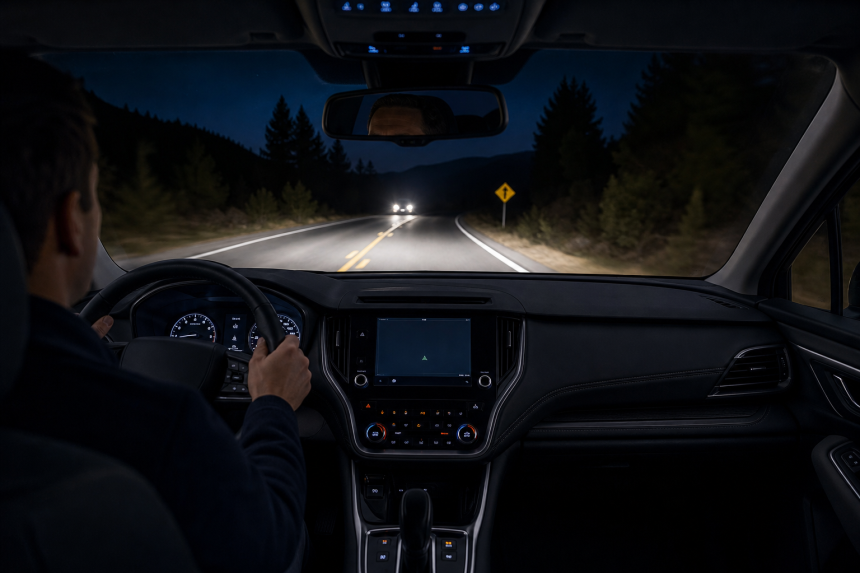
Driving after dark creates a simple problem: stopping distance can exceed the portion of road a driver can clearly inspect, especially on unlit rural routes or in poor weather. This car thermal night vision system buying guide explains what everyday drivers should evaluate before purchasing an aftermarket system, from image quality and hazard recognition to screen placement, installation, and long-term ownership.
The short answer is to prioritize usable detection, a clear low-latency display, relevant alerts, reliable hardware, and professional-quality installation. A system should help you notice heat-emitting road users and animals earlier without becoming another source of distraction. It remains driver-assistance technology, not a substitute for headlights, appropriate speed, safe following distance, mirrors, traffic laws, or attention.
What a Thermal Night Vision System Actually Does
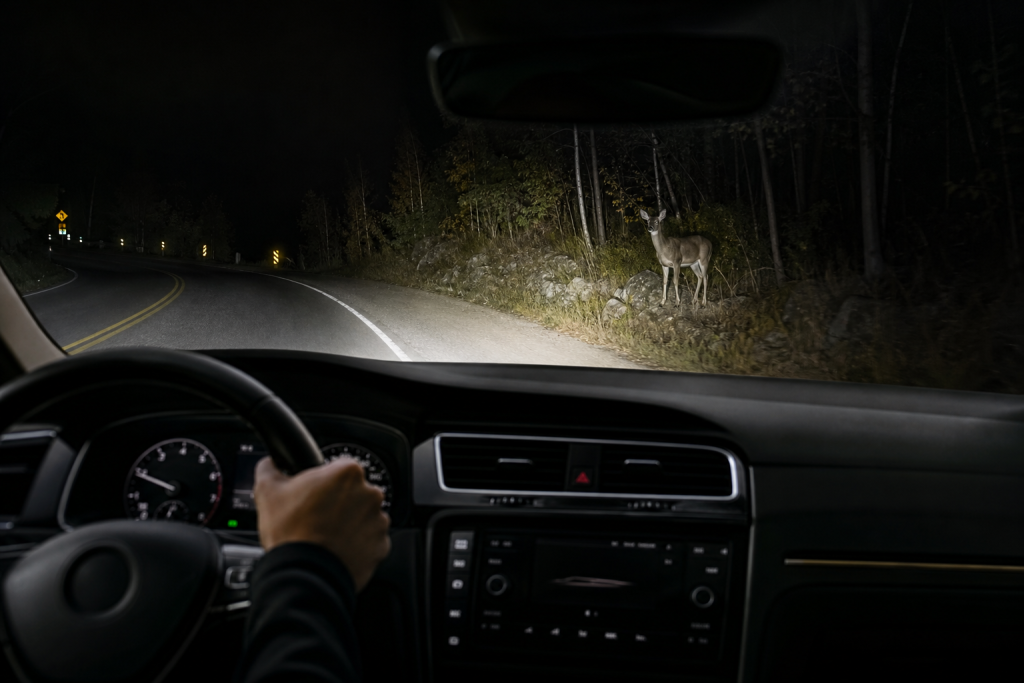
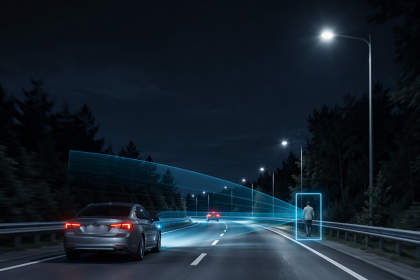
A vehicle thermal imaging system uses a thermal camera to detect differences in heat rather than relying only on visible light. People and many animals often stand out against cooler surroundings, allowing a thermal view to reveal hazards that may be difficult to distinguish with headlights alone.
That distinction matters. Conventional cameras need visible or infrared illumination and can be affected by darkness, glare, shadows, and contrast. Thermal cameras interpret emitted thermal energy, so their usefulness is not dependent on illuminating the scene in the same way.
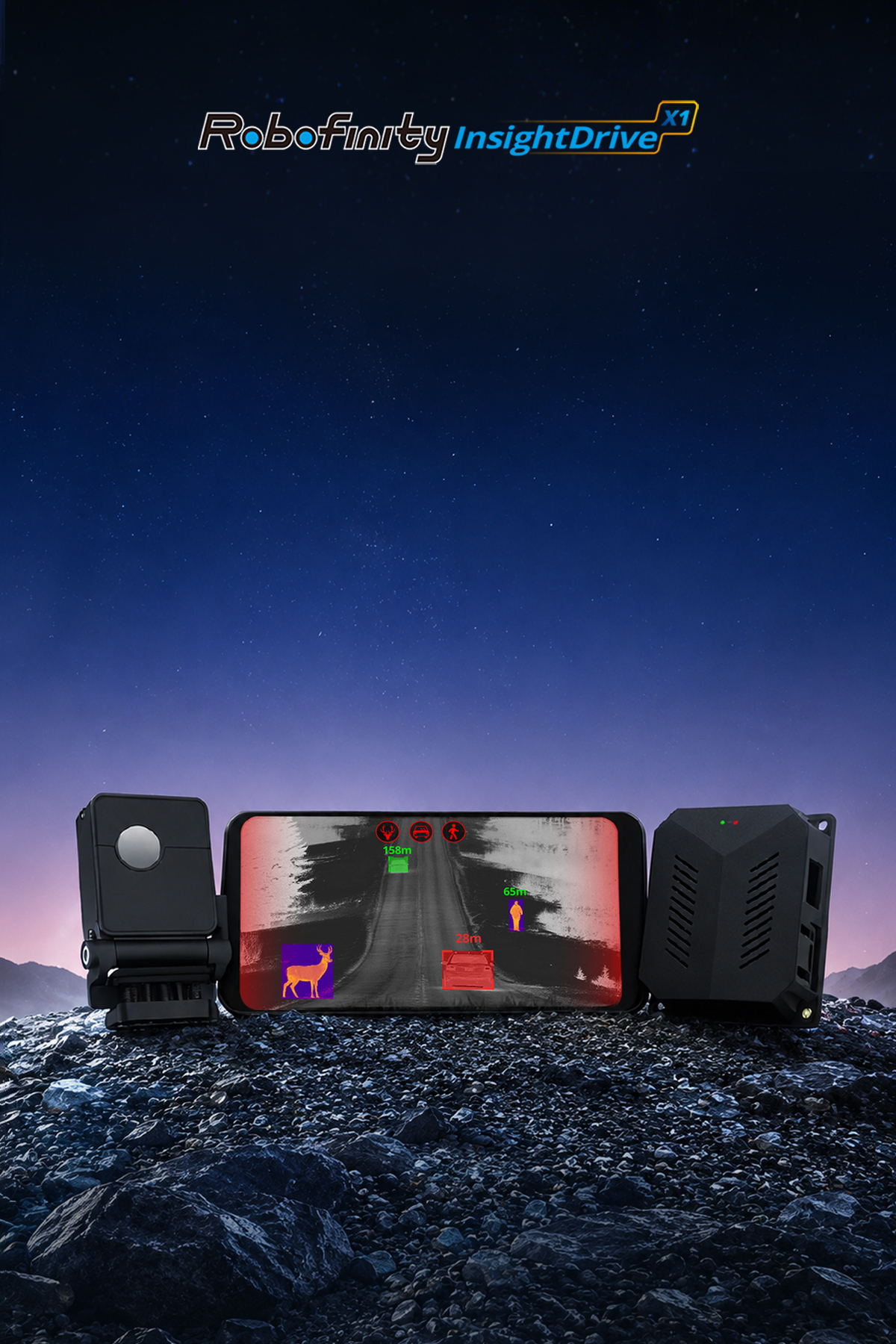
A typical aftermarket setup has three main components:
- A forward-facing thermal camera
- A processing unit or integrated electronics
- An in-cabin display, sometimes with visual or audible alerts
More advanced products may apply recognition software to identify pedestrians, animals, vehicles, or other potential obstacles. The resulting alerts can reduce the time a driver spends interpreting the thermal image, but recognition is never perfect. Buyers should treat alerts as prompts to inspect the road, not as definitive judgments about whether a route is clear.
Thermal imaging also has boundaries. It does not reveal every pothole, road marking, fallen object, sign, or cold obstruction equally well. Glass can block or distort the thermal wavelengths used by many systems, which is one reason vehicle thermal cameras are generally mounted outside the cabin rather than placed behind the windshield.
Decide Whether the Technology Fits Your Driving
The value of thermal night vision depends less on how impressive it looks in a demonstration and more on where, when, and how often you drive.
Rural and Secondary Roads
Drivers on dark country roads may encounter pedestrians without reflective clothing, cyclists, wildlife, farm animals, stopped vehicles, or debris. Street lighting can be limited, road edges may be poorly defined, and wildlife can emerge quickly from vegetation.
Animal detection is particularly relevant here. However, a detected animal can still move unpredictably, and an alert does not determine the safest evasive action. Speed must remain low enough for the road, weather, and available stopping distance.
City and Suburban Traffic
Urban drivers face a different set of hazards: pedestrians stepping between parked vehicles, delivery workers, cyclists, scooters, and crowded intersections. Thermal imaging can support road awareness, but the display environment is more complex. Frequent alerts in dense traffic may become distracting if sensitivity cannot be adjusted effectively.
For city use, alert quality and interface simplicity may matter more than maximum detection distance.
Highways and Long Trips
At higher speeds, early awareness has greater practical value because the vehicle covers more distance during perception and reaction. A thermal view may help identify a person near a disabled vehicle or an animal close to the carriageway.
Still, a highway driver should not watch a thermal display continuously. The system must present useful information in a position that permits quick glances while leaving the road as the primary visual reference.
Poor-Visibility Conditions
Thermal imaging may remain useful in some fog, rain, snow, smoke, darkness, and headlight glare because it detects thermal contrast rather than producing a conventional visible-light picture. Performance is not immune to the environment, however. Heavy precipitation, dense fog, road spray, contamination on the lens, and low thermal contrast can all reduce useful detail.
The most suitable buyer is therefore someone who regularly drives after dark or in poorly lit areas and understands that the technology adds another source of information rather than creating all-weather vision.
The Most Important Buying Criteria
A product specification sheet can contain many numbers, but only some of them translate directly into a better driving experience. Evaluate the complete system rather than focusing on one headline specification.
1. Useful Detection and Recognition
Detection range is the distance at which a system can register a heat source. Recognition is the ability to determine what that source is. Identification is a more demanding standard still.
These terms should not be treated as interchangeable. A distant cluster of warm pixels might indicate that something is present without showing whether it is a person, an animal, or another object. Marketing language may emphasize maximum range while saying little about practical recognition in real road conditions.
Ask the following questions:
- What types of hazards does the system claim to recognize?
- Does it distinguish pedestrians, animals, and vehicles?
- At what distance does the image become actionable rather than merely detectable?
- Is performance shown in representative road footage?
- Do the stated distances refer to detection, recognition, or alerting?
- How does the system behave near warm engines, exhausts, road surfaces, and buildings?
Longer range can be valuable on faster roads, but only if the screen resolution, processing, mounting angle, and alert logic allow the driver to use the information.
2. Thermal Image Clarity
Resolution affects how much detail the sensor can capture. Higher resolution can make small or distant objects easier to interpret, but it is only one element of image quality.
Also consider:
- Contrast between warm objects and the background
- Clarity at the edges of the image
- Ability to handle rapidly changing scenes
- Stability on uneven roads
- Processing that preserves detail without excessive visual noise
- Display quality and scaling
Look for actual thermal driving footage captured in several environments, including an unlit road, mixed city traffic, rain or mist, and scenes with more than one heat source. A carefully selected still image reveals less than continuous footage because driving involves motion, vibration, and rapidly changing temperatures.
3. Frame Rate and Latency
Frame rate describes how often the image updates. A smoother feed is generally easier to interpret when the vehicle, pedestrian, or animal is moving. Latency is the delay between an event ahead and its appearance on the display.
Low latency is critical. A sharp image that arrives noticeably late can give an inaccurate impression of where a moving hazard is located. Manufacturers do not always publish latency, so inspect demonstrations for lag and ask how the display, processing unit, and camera communicate.
Wireless connectivity may simplify installation, but it must not introduce unreliable connections or excessive delay. A robust wired installation is often easier to assess for consistent real-time operation.
4. Field of View
A wide field of view shows more of the roadside and can help reveal hazards approaching from the edges. A narrower view makes distant objects appear larger but covers less area.
There is no universally ideal field of view. It is a trade-off:
- Rural drivers may value enough width to monitor verges and shoulders.
- Highway drivers may prefer greater emphasis on the road farther ahead.
- Urban drivers need coverage of sidewalks, parked-car gaps, and crossings.
The camera’s mounting position and angle affect this balance as much as the lens specification. An incorrectly aimed camera can waste part of the image on the hood, sky, or road immediately in front of the vehicle.
5. Pedestrian, Animal, and Vehicle Alerts
Recognition and real-time alerts can make a thermal system more useful because drivers should not have to interpret every shape manually. Effective alerting highlights a relevant object without filling the screen with unnecessary boxes, warnings, or sounds.
Check whether alert behavior is configurable. Useful controls may include alert volume, object categories, sensitivity, warning zones, and screen brightness. The goal is to receive meaningful prompts while avoiding alarm fatigue.
Recognition software can misclassify objects, miss partially obscured hazards, or react differently as weather and background temperatures change. No thermal system should be used to confirm that no pedestrian or animal is present. A missing alert is not evidence of a clear road.
As one example in this category, Robofinity InsightDrive combines thermal imaging with recognition for pedestrians, animals, and vehicles, along with real-time alerts. Those capabilities are relevant comparison points, but buyers should still assess the complete installation, interface, vehicle compatibility, and performance for their own driving environment.
6. Display Design and Placement
The display determines whether useful camera data can be consumed safely. Bigger is not automatically better. An oversized or poorly positioned screen may block part of the windshield, create reflections, or require long glances away from the road.
A suitable display should provide:
- Legible hazards at a brief glance
- Automatic or easily accessible brightness adjustment
- Adequate contrast without excessive nighttime glare
- Secure mounting with minimal vibration
- A position outside critical sightlines
- Simple controls that do not require menu navigation while moving
Before buying, sit in the normal driving position and identify possible mounting locations. Account for airbags, demisters, instrument visibility, windshield regulations, passenger space, and cable routing. Rules governing screens and windshield-mounted accessories vary, so installation should comply with requirements in the relevant jurisdiction.
7. Camera Durability and Lens Maintenance
An external camera is exposed to rain, road spray, dust, grit, insects, salt, temperature changes, and washing. Environmental protection is therefore a core buying criterion rather than a minor technical detail.
Review the stated ingress protection, operating temperature range, connector design, housing materials, and mounting hardware. Confirm whether the manufacturer explains how the front lens should be cleaned and whether replacement cables or mounts are available.
A protected camera can still become obstructed. Owners should inspect the lens before night trips and clean it with a method suitable for its coating. Scratching or contaminating the window can reduce image quality.
8. Vehicle Compatibility and Installation
Compatibility involves more than finding power. The camera needs an unobstructed forward view, stable alignment, weather-resistant connections, safe cable routing, and a reliable electrical supply.
Ask whether the system is appropriate for:
- The vehicle’s voltage and electrical architecture
- Cars with active grille shutters or limited grille space
- Vehicles with parking sensors, radar, or forward cameras
- Heated windshields and crowded dashboards
- Tall vehicles, sports cars, vans, or vehicles with unusual front-end shapes
- Regular car washes and severe winter conditions
Installation should not interfere with airbags, cooling airflow, driver-assistance sensors, or pedestrian-impact structures. Drilling bodywork and tapping circuits can introduce corrosion, water leaks, electrical faults, or warranty disputes if done incorrectly. Professional installation is sensible when the job requires permanent wiring, trim removal, calibration, or exterior modifications.
9. Controls, Recording, and Data Handling
Some systems offer recording in addition to a live thermal view. Recording can be useful for reviewing an event, but it raises practical questions about storage, privacy, file management, and local rules.
Determine:
- Whether recording starts automatically
- How old files are overwritten
- Whether storage media is included or replaceable
- Whether timestamps are accurate
- How footage is exported
- Whether audio, location, or other data is collected
- What happens when storage fails
Recording should be treated as a secondary feature. The primary safety value comes from timely, understandable information while driving.
10. Support and Long-Term Ownership
Aftermarket electronics can outlast a vehicle or require support long before the vehicle is sold. Investigate the availability of installation instructions, firmware updates, replacement components, troubleshooting information, and customer service.
Calculate ownership cost beyond the advertised price:
- Installation labor
- Mounting accessories and wiring
- Replacement storage
- Repairs after front-end damage
- Camera cleaning and alignment checks
- Removal or transfer when selling the vehicle
Warranty terms and consumer protections vary by seller and country. Read the applicable terms instead of assuming coverage based on the product category.
Thermal Imaging Versus Other Night-Vision Options
Not every system marketed for night driving uses thermal imaging. Understanding the alternatives prevents an unsuitable purchase.
Thermal Imaging
Thermal systems detect heat differences. They are especially relevant for locating people and animals in darkness and may work through some visually difficult conditions. Their limitations include cost, reduced detail for road signs and markings, possible sensitivity to low thermal contrast, and the need for an externally mounted sensor in many installations.
Near-Infrared Camera Systems
Near-infrared systems use reflected infrared light, often with an illuminator. Their pictures can resemble monochrome video and may show road structure or objects differently from thermal imaging. Performance depends more on illumination and reflectivity, and bright sources or weather can affect the image.
Conventional Low-Light Cameras
These amplify available visible light and can provide a familiar road scene. They may be affordable and useful under streetlights, but performance can deteriorate in true darkness, glare, or severe contrast.
Factory-Installed Night Vision
Factory systems may integrate more cleanly with the instrument cluster, head-up display, vehicle sensors, and warning logic. They are generally designed for specific vehicle platforms. An aftermarket system can make the technology available to a broader range of vehicles, but installation quality and interface integration become the buyer’s responsibility.
The right comparison is not simply thermal versus non-thermal. It is which system presents trustworthy, timely information for the environments where the vehicle is actually used.
A Practical Pre-Purchase Checklist
Before ordering, write down the answers to these questions:
- How often do I drive at night, and on what types of roads?
- Are pedestrians, wildlife, cyclists, or stopped vehicles my main concern?
- Is the claimed range defined as detection or meaningful recognition?
- Can I inspect continuous road footage from relevant conditions?
- Are the image frame rate and apparent latency suitable for moving traffic?
- Can alerts be adjusted to avoid excessive warnings?
- Where can the display be mounted without blocking sightlines?
- Where will the external camera sit, and how will it be protected?
- Is the system electrically and physically compatible with my vehicle?
- Does installation interfere with existing sensors, airbags, or cooling?
- What are the total installed and ongoing ownership costs?
- What support, replacement parts, and software updates are available?
- Can the equipment be returned if it cannot be installed appropriately?
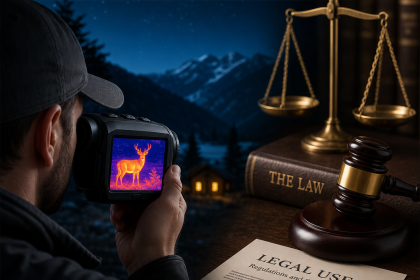
- Are its display, recording, and mounting arrangements lawful where I drive?
A seller should be able to answer product-specific questions clearly. Vague responses about recognition distance, weather protection, compatibility, or installation deserve caution.
Common Buying Mistakes
Choosing by Maximum Range Alone
A maximum-distance claim does not explain object size, weather, background temperature, mounting height, processing time, or alert accuracy. Prioritize useful recognition and timely presentation.
Mounting the Screen Like an Entertainment Display
Thermal night vision is not intended for continuous viewing. A screen placed too low, too far to the side, or directly in a critical windshield area can create a new hazard.
Expecting Clear Vision Through Every Weather Condition
Thermal imaging can support awareness in certain poor-visibility scenarios, but it does not see perfectly through dense fog, heavy precipitation, road spray, or an obstructed lens.
Ignoring False and Missed Alerts
Overactive warnings encourage drivers to tune the system out. Missed warnings become dangerous if the driver assumes the software detects everything. Adjustable, restrained alerting is more valuable than a long feature list.
Treating Installation as an Afterthought
A capable camera can perform poorly when mounted too low, aimed incorrectly, exposed to damage, or connected through unreliable wiring. Include installation quality in the purchase decision from the start.
Using the Display as the Primary View
The road, mirrors, instruments, and surrounding traffic remain the driver’s primary information sources. Thermal imagery is supplementary and may omit important cold objects or visible details.
Using Thermal Night Vision Responsibly
A driver should glance at a thermal display in the same disciplined way they check mirrors or instruments: briefly and only when conditions allow. When the system highlights a possible hazard, the correct response is to return attention to the road, reduce speed smoothly if appropriate, increase space, and prepare for uncertainty.
Do not make an abrupt maneuver based solely on a symbol or thermal shape. Check the roadway, mirrors, adjacent lanes, and traffic before changing direction. Sudden swerving may create a greater risk than the original hazard.
The technology also should not be used to justify faster driving. Headlight reach, road geometry, tire grip, weather, and stopping distance remain limiting factors. If visibility is too poor to proceed safely, slowing substantially or stopping in a suitable location is more important than any driver-assistance feature.
Frequently Asked Questions
Can a car thermal camera see through fog, rain, or snow?
It may retain useful thermal contrast in some poor-visibility conditions, but performance varies. Dense fog, heavy precipitation, road spray, snow accumulation, and a dirty lens can reduce range and image clarity. It should not be treated as unrestricted vision through weather.
Can thermal night vision replace high-beam headlights?
No. Headlights illuminate the road, signs, lane markings, and many objects that thermal imagery may not display clearly. Thermal night vision supplements legal, properly maintained vehicle lighting.
Is pedestrian or animal detection always accurate?
No recognition system detects and classifies every hazard. Distance, partial obstruction, background temperature, weather, object size, and software behavior can affect results. Drivers must continue scanning the road even when no alert appears.
Where should an aftermarket thermal camera be installed?
It generally needs an external, forward-facing location with a clear view and protection from damage and contamination. The correct position varies by vehicle and should not obstruct airflow or interfere with existing cameras, radar, parking sensors, or safety structures.
Is a larger display better?
Not necessarily. The image must be legible, but a large screen may block sightlines or increase distraction. Placement, brightness, contrast, stability, and glance time are more important than size alone.
Is thermal night vision worthwhile for city driving?
It can support awareness of pedestrians, cyclists, and other road users, but dense traffic may produce frequent alerts. City drivers should prioritize configurable warnings, a simple interface, and non-obstructive screen placement.
Conclusion
A worthwhile thermal night vision system must do more than generate an interesting heat image. It needs to detect relevant hazards at useful distances, update without distracting delay, present clear information, tolerate exterior exposure, and fit the vehicle without compromising existing equipment.
Start with your real driving pattern, then compare recognition capabilities, image quality, alert behavior, field of view, display ergonomics, installation requirements, and total ownership cost. Review representative footage and product documentation instead of choosing on a single range claim.
Most importantly, keep the technology in its proper role. Thermal night vision may improve awareness of pedestrians, animals, vehicles, and other hazards in low-light or poor-visibility conditions, but safer nighttime driving still depends on clean lights and windows, suitable speed, sufficient braking distance, and an attentive driver.