
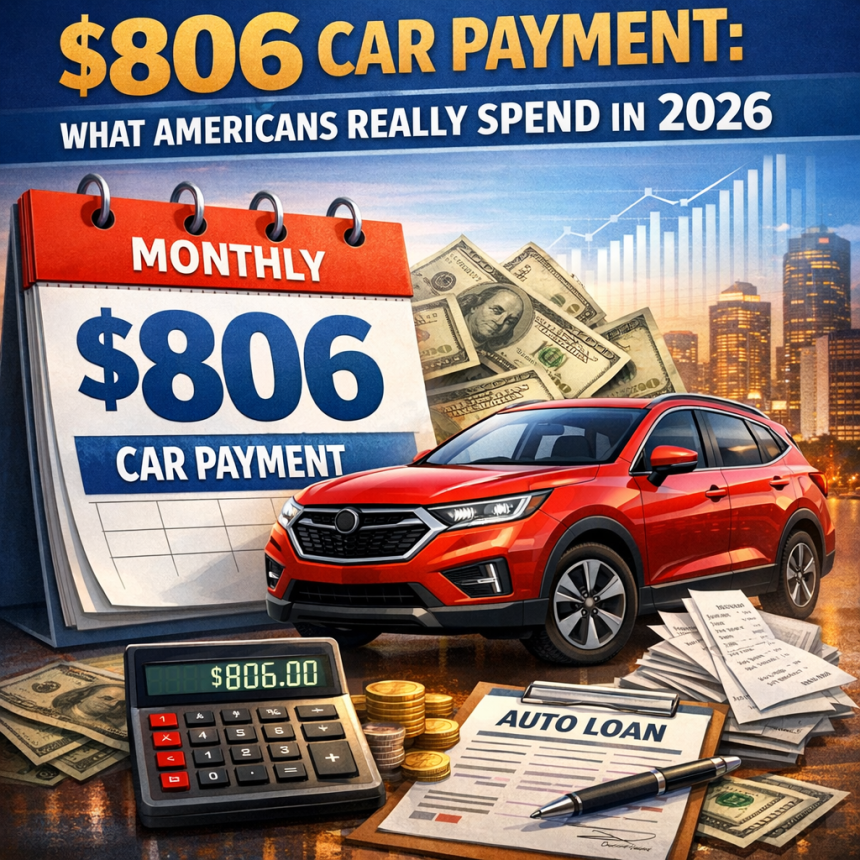
In 2026, monthly car payments are a major pressure point for American households, and the headline figure getting the most attention is an $806 payment. That number reflects more than a rising sticker price. It points to longer loan terms, higher interest costs, larger down payments, and a growing gap between what people want in a vehicle and what they can realistically afford. For many buyers, the question is no longer whether a new car is expensive, but how much of a monthly budget it will consume and what trade-offs come with financing one.
- Why Monthly Car Payments Keep Rising
- What an $806 Monthly Payment Really Means
- How Much Are Americans Spending on New Cars in 2026?
- Why Buyers Accept Larger Payments
- The Role of Trade-Ins and Down Payments
- Are Americans Buying Too Much Car?
- What to Watch Before Signing a Loan
- Focus on total cost, not just the payment
- Compare multiple financing options
- Read the fine print carefully
- The Bottom Line
Table of Contents
Why Monthly Car Payments Keep Rising
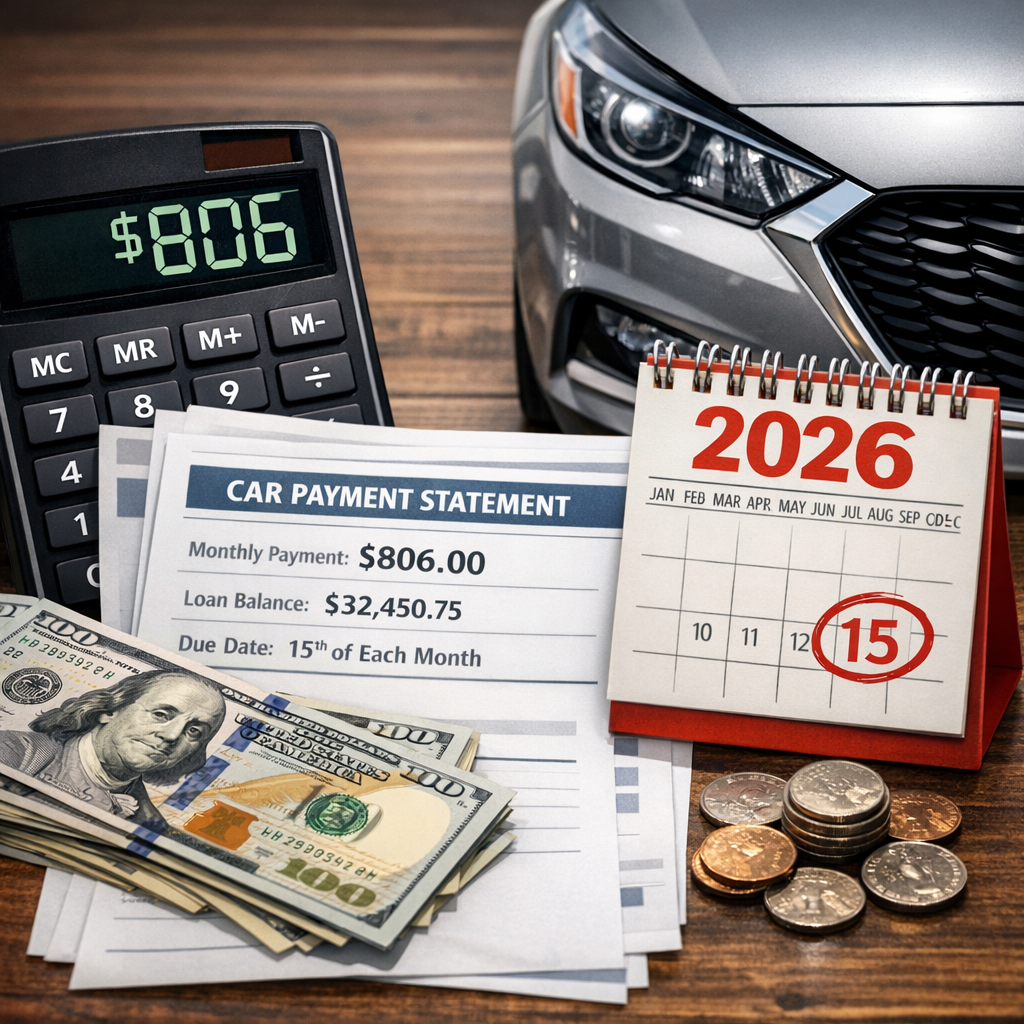
Monthly Car Payments have climbed for several reasons, and the trend is not just about inflation. New vehicles today include more technology, more safety features, larger screens, and more advanced drivetrains, all of which push prices higher. At the same time, borrowing costs remain elevated compared with the low-rate environment many consumers enjoyed in previous years.
There is also a psychological shift happening in the market. Buyers now often shop by payment first and total price second, which can make a higher-cost vehicle feel reachable as long as the monthly number looks acceptable. That approach can be practical in the short term, but it also hides the compounding effect of interest and fees over a long loan term. When shoppers focus only on the payment, it becomes easier for the full cost of the vehicle to slip past the budget.
Higher vehicle prices
The average new car price has steadily increased over the last decade, and in 2026 many shoppers are encountering vehicles that routinely cross the $40,000, $50,000, or even $60,000 mark. Popular trucks, SUVs, and electric vehicles often carry premium trim packages that make the final cost far higher than the entry-level advertised price.
That price growth is not evenly spread across the market. Entry-level trims may still exist, but inventory often pushes buyers toward better-equipped models with larger wheels, upgraded infotainment, driver-assistance packages, and appearance options. Those features are attractive, yet they quickly move the vehicle into a higher payment bracket. For many households, even a modest bump in the sticker price can create a noticeable change in monthly car payments once financing is added.
Interest rates matter just as much
A monthly payment is not determined by price alone. The interest rate attached to an auto loan can add thousands of dollars over the life of the loan. Even a modest rate increase can push a payment up significantly, especially when buyers finance a large portion of the purchase. If you want to compare current market trends, the new car prices in 2026 overview helps explain why shopping feels so different this year.
That is why two buyers can walk away with nearly identical vehicles and completely different payment experiences. One may have strong credit, a sizable down payment, and a favorable loan offer. Another may finance nearly the entire purchase at a higher APR. Both purchases can look similar on the lot, but the monthly car payments will not be close.
Longer loan terms are becoming common
Many Americans are stretching loans to 72 or 84 months in order to reduce the monthly payment. While that can make a new vehicle seem more affordable in the short term, it often means paying more in total interest and staying upside down on the loan longer.
Long loan terms also change how ownership feels. Instead of paying off a vehicle in five years or less, some buyers are making payments on a car that is already several model years old. That can create a mismatch between the value of the car and the amount still owed. In other words, the lower payment may come with a slower path to real ownership. For buyers weighing whether they should keep stretching a loan, it is worth remembering that lower monthly car payments do not always equal a better financial outcome.
What an $806 Monthly Payment Really Means
An $806 monthly car payment is not automatically unusual in 2026, but it does signal that the average new-car purchase has become much more expensive. In practical terms, that payment suggests a loan structure where the buyer either financed a high vehicle price, accepted a higher APR, or both.
In many cases, that number reflects more than just the vehicle itself. Taxes, title fees, documentation charges, and optional products can all get rolled into the loan. Once that happens, monthly car payments can rise even when the shopper thinks they are staying within a planned budget. The payment may seem manageable during the sales conversation, but the actual loan can be far less forgiving over time.
A simple example
Imagine a buyer purchases a new car for around $48,000 and finances most of it over 72 months with a rate around 7% to 8%. Depending on the down payment and fees, the monthly payment can land near that $806 figure. If the buyer puts less money down or chooses a more expensive trim, the payment rises quickly.
This is one reason many shoppers are surprised by the final contract. The advertised price may look close to their target, but once lender requirements, tax, and add-ons are included, the real loan amount is much higher. The difference between “car price” and “amount financed” often explains why monthly car payments feel larger than expected.
The hidden cost of “affordable” financing
A monthly payment can look manageable even when the underlying loan is not. For example, spreading a purchase over six or seven years may reduce the monthly burden, but the total amount repaid can be much higher than expected. Buyers who focus only on the payment may overlook the overall cost of ownership.
This is where the danger of payment-based shopping becomes clear. A low payment can disguise a large balance, a long payoff period, or both. If your goal is to keep monthly car payments sustainable, it helps to ask one more question: what will the vehicle cost by the time the loan ends? That total number is often far more revealing than the monthly figure alone.
How Much Are Americans Spending on New Cars in 2026?
The short answer is: more than many people realize. New-car ownership in 2026 is not just about the purchase price. It includes financing, insurance, taxes, registration, fuel, charging costs for EV owners, maintenance, and depreciation. When all of these are combined, the true monthly cost of a new vehicle can exceed the loan payment by a wide margin.
That total cost matters because it changes the affordability calculation. A household may be able to handle one payment, but struggle once insurance and routine expenses are added. In that sense, monthly car payments are only the beginning of the financial commitment. The rest of the ownership costs can be less visible, but they still come out of the same monthly budget.
Average spending goes beyond the car note
For many households, a car payment is only one piece of the expense. Insurance premiums have risen in many states, and newer vehicles tend to cost more to repair, which can also push rates higher. Add fuel or electricity costs, routine maintenance, and annual taxes, and the full monthly cost can be far above the base payment.
Repair costs deserve special attention because modern vehicles use more sensors, driver-assistance systems, and specialized components. Even a minor collision may cost more than older drivers expect. That means the ownership burden is not only about making monthly car payments on time; it also includes keeping enough cash available for the unexpected.
According to the U.S. Bureau of Labor Statistics Consumer Expenditure Survey, transportation remains one of the largest household spending categories, which is a useful reminder that a car note is only one part of the equation.
Budget impact for households
An $806 monthly payment can represent a major share of disposable income. For some families, that level of spending may crowd out savings, travel, emergency funds, or other financial goals. In high-cost areas, it may even compete with rent increases, childcare, or student loan payments.
For a broader look at car budgeting, see what it really costs to own a car. It is a useful reminder that the note is only part of the financial picture.
This is also why car affordability matters more than the dealership pitch. A vehicle may fit the payment target on paper and still create strain once other bills are due. When monthly car payments take over too much of the budget, buyers often respond by cutting back on essentials or reducing savings contributions, neither of which is ideal for long-term financial stability.
Why Buyers Accept Larger Payments
Despite the cost, many Americans continue purchasing new cars because of necessity, preference, and financing convenience. Reliability, warranty coverage, and modern safety features remain strong motivators. In many markets, buyers also face limited used-car inventory or prices that are surprisingly close to new-car levels.
There is also an emotional side to the decision. For some buyers, a new vehicle represents peace of mind, a reward for years of driving older cars, or a practical solution for commuting and family life. Those motivations can make higher monthly car payments feel acceptable, especially when the car is expected to last for many years.
New vehicles feel safer and more dependable
A new car offers peace of mind that older vehicles sometimes cannot match. Factory warranties, fewer repair concerns, and the latest driver-assistance systems can make the higher payment feel justified.
In addition, some buyers prioritize crash-avoidance technology and updated safety equipment. When the vehicle is intended to carry children or handle long commutes, the perceived value of those features can outweigh the discomfort of a larger payment. That does not erase the financial impact, but it helps explain why monthly car payments continue to rise without stopping demand altogether.
Monthly budgeting can make the decision easier
Consumers often think in monthly terms because that is how lenders present the deal. If the payment fits into the budget, the purchase can seem reasonable even if the total loan balance is large. This is one reason car dealerships emphasize payment-based negotiations rather than total purchase cost.
That framing can be useful, but it can also be misleading. A shopper may feel comfortable at one payment point and not notice that the term was extended by two more years to get there. For buyers comparing vehicles, it is better to treat monthly car payments as one part of the decision rather than the whole story.
The Role of Trade-Ins and Down Payments
Down payments and trade-ins have a major effect on how much someone pays each month. A stronger upfront contribution can reduce the loan balance, lower interest charges, and make the payment more manageable.
These tools can be helpful, but they do not eliminate affordability concerns. If the new vehicle is priced aggressively or the loan term is too long, a trade-in may only soften the blow rather than solve the underlying problem. The goal should be to improve the long-term value of the purchase, not just reduce monthly car payments by a small amount.
Bigger down payments reduce risk
Putting more money down can help buyers avoid negative equity, especially since new cars depreciate quickly in the first few years. A solid down payment also reduces the amount financed, which can make the loan less vulnerable to rate changes.
It also gives the borrower a buffer if the market shifts. When the amount financed starts lower, the loan balance has less room to outpace the car’s value. That can matter a great deal if the buyer wants to refinance later or trade the car sooner than planned. In short, a strong down payment can make monthly car payments less risky as well as less expensive.
Trade-in values can distort the picture
Many consumers rely on trade-in equity to make the deal work, but that does not always mean they are getting ahead. If the old vehicle still has a loan balance or the new car price is heavily inflated, the trade-in may simply help bridge a financing gap rather than lower the real cost of the new purchase.
A trade-in can also create a false sense of affordability. The dealership may show a smaller payment after applying equity, but the buyer may still be overpaying for the replacement vehicle. When evaluating monthly car payments, it is better to separate the value of the old car from the price of the new one and judge each part on its own merits.
Are Americans Buying Too Much Car?
In many cases, yes. A common financial rule is that vehicle costs should remain a modest part of monthly income, but rising car prices have made that harder to follow. When monthly car payments stretch past what a household can comfortably absorb, the purchase can become a source of stress rather than convenience.
The issue is not that every expensive car is irresponsible. Some buyers genuinely need a larger vehicle, higher safety standards, or a model that can handle daily driving demands. The concern is that financing often encourages people to stretch just a little more than they planned, especially if the payment is only slightly above their comfort zone. Over time, that can push them into a cycle where the car looks good but the budget feels tight.
Signs the purchase may be too expensive
If the payment requires cutting essential expenses, draining savings, or extending the loan far beyond a comfortable time frame, the car may be too much for the budget. Another warning sign is when the buyer plans to refinance immediately because the original terms are already too tight.
It is also a concern when monthly car payments crowd out emergency savings. A vehicle can be necessary, but if the purchase leaves no room for repair bills, insurance increases, or unexpected life events, the loan may be too aggressive. A budget that works only on the best day is usually not a stable budget.
Practical alternatives
Some shoppers may benefit from considering certified pre-owned vehicles, lower trims, or more fuel-efficient models. Others may choose to wait until interest rates improve or save for a larger down payment before buying. The best time to buy a new car may also depend on timing incentives, inventory, and loan offers.
It can also help to widen the search beyond the most popular trims. In many cases, the difference between a well-equipped lower trim and a fully loaded model is enough to change the payment by hundreds of dollars. For buyers who simply need reliable transportation, keeping monthly car payments under control may matter more than getting every available feature.
What to Watch Before Signing a Loan
Before committing to a new car purchase in 2026, buyers should look at more than the monthly figure. The loan term, APR, fees, insurance costs, and total repayment amount all matter.
It is also smart to slow down before signing anything. Many of the most expensive mistakes happen when a buyer is focused on leaving the lot quickly instead of reviewing the numbers carefully. A few extra minutes spent comparing offers can prevent years of unnecessary costs.
Focus on total cost, not just the payment
A low monthly payment can hide an expensive contract. Always calculate how much the car will cost over the full loan period, including interest and mandatory fees.
This is especially important when comparing offers from different lenders. A loan with a slightly higher monthly car payment may still be cheaper overall if the term is shorter or the interest rate is lower. In other words, the cheapest payment is not always the best deal.
Compare multiple financing options
Credit unions, banks, and manufacturer financing may all offer different terms. Shopping around can save a meaningful amount over the life of the loan.
If possible, get preapproved before visiting the dealership. That gives you a baseline to compare against the dealer’s offer and makes it easier to spot hidden markups. The more options you have, the better your chances of keeping monthly car payments within a realistic range.
Read the fine print carefully
Some deals include add-ons such as extended warranties, gap insurance, or service contracts. These products may be useful in some cases, but they also raise the amount financed and the monthly payment.
Ask whether each add-on is optional, what it covers, and whether you can buy it later if needed. A small increase in monthly car payments may not seem dramatic at first, but once it is multiplied across 60 or 72 months, the extra cost can become significant. The same is true for documentation fees or other charges that were not part of the original price discussion.
To better understand how auto financing terms are regulated, it also helps to review the Consumer Financial Protection Bureau’s auto loan resources.
The Bottom Line
The reality behind the $806 monthly car payment is that new cars in 2026 are expensive enough to strain household budgets across a wide range of income levels. Americans are spending more not just because vehicles cost more upfront, but because financing, insurance, and long repayment terms amplify the total burden. For buyers, the smartest approach is to look beyond the monthly note and evaluate the full price of ownership. In a market where new-car costs continue to rise, careful planning is no longer optional — it is the difference between a smart purchase and a long-term financial headache.
For most shoppers, the best strategy is simple: compare the car price, the loan terms, and the real monthly cost before making a commitment. If monthly car payments are stretching the budget too far, it may be a sign to choose a less expensive trim, increase the down payment, or wait for a better time to buy. The goal is not just to drive something new, but to make sure the purchase still supports long-term financial health.