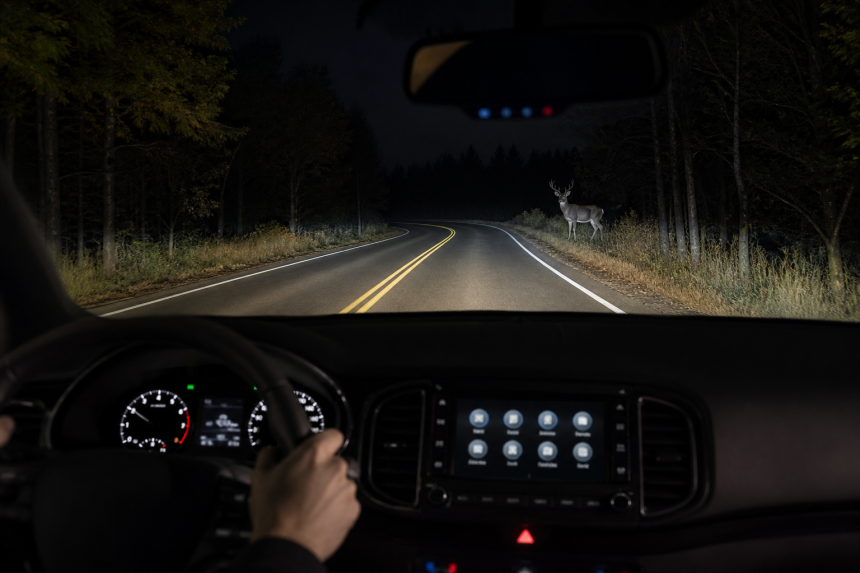
SEO Title: Best Vehicle Thermal Night Vision System 2026: A Practical Buyer’s Guide
- What a Vehicle Thermal Night Vision System Does
- When Thermal Imaging Is Most Useful
- The Most Important Buying Criteria
- 1. Useful Detection Range, Not Just Maximum Range
- 2. Pedestrian, Animal, and Vehicle Recognition
- 3. Alert Quality and Response Time
- 4. Frame Rate and Image Stability
- 5. Field of View and Camera Position
- 6. Display Placement and Readability
- 7. Weather Resistance and Operating Conditions
- 8. Installation and Vehicle Compatibility
- Compare System Types Before Choosing
- Thermal Imaging Versus Low-Light Cameras
- Thermal Imaging Versus Near-Infrared Systems
- Built-In Versus Aftermarket Night Vision
- A Practical Decision Framework
- Step 1: Define the Main Driving Environment
- Step 2: Set Minimum Functional Requirements
- Step 3: Examine Evidence Carefully
- Step 4: Calculate the Full Ownership Cost
- Step 5: Plan Safe Daily Use
- Choosing for Different Types of Drivers
- Limitations Every Buyer Should Understand
- Installation and Maintenance Checklist
- Questions to Ask Before Purchase
- Frequently Asked Questions
- Is thermal night vision useful if my car has LED headlights?
- Can a vehicle thermal camera see through fog or rain?
- Does a longer detection range always mean a better system?
- Can thermal night vision detect all animals?
- Can I install a thermal night vision system myself?
- Is thermal night vision the same as automatic emergency braking?
- Making the Final Choice
Meta Description: Find the best vehicle thermal night vision system 2026 with practical guidance on detection, alerts, installation, visibility, and safety.
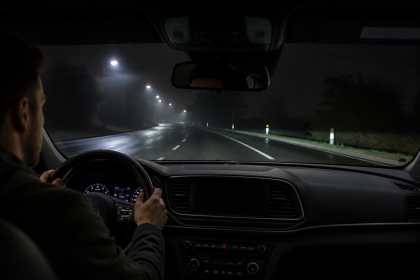
Driving after dark presents a difficult problem: headlights illuminate only part of the road, while pedestrians, animals, stopped vehicles, and debris may remain hard to distinguish until the vehicle is relatively close. For drivers searching for the best vehicle thermal night vision system 2026, the right choice is not necessarily the model with the longest feature list. It is the system that detects relevant hazards early, communicates them clearly, fits the vehicle correctly, and supports the driver without becoming a distraction.
This guide explains how automotive thermal imaging works, which specifications matter, what limitations buyers should expect, and how to compare systems for everyday use. It is intended for drivers considering an aftermarket safety upgrade, not only technology enthusiasts or commercial fleet operators.
What a Vehicle Thermal Night Vision System Does
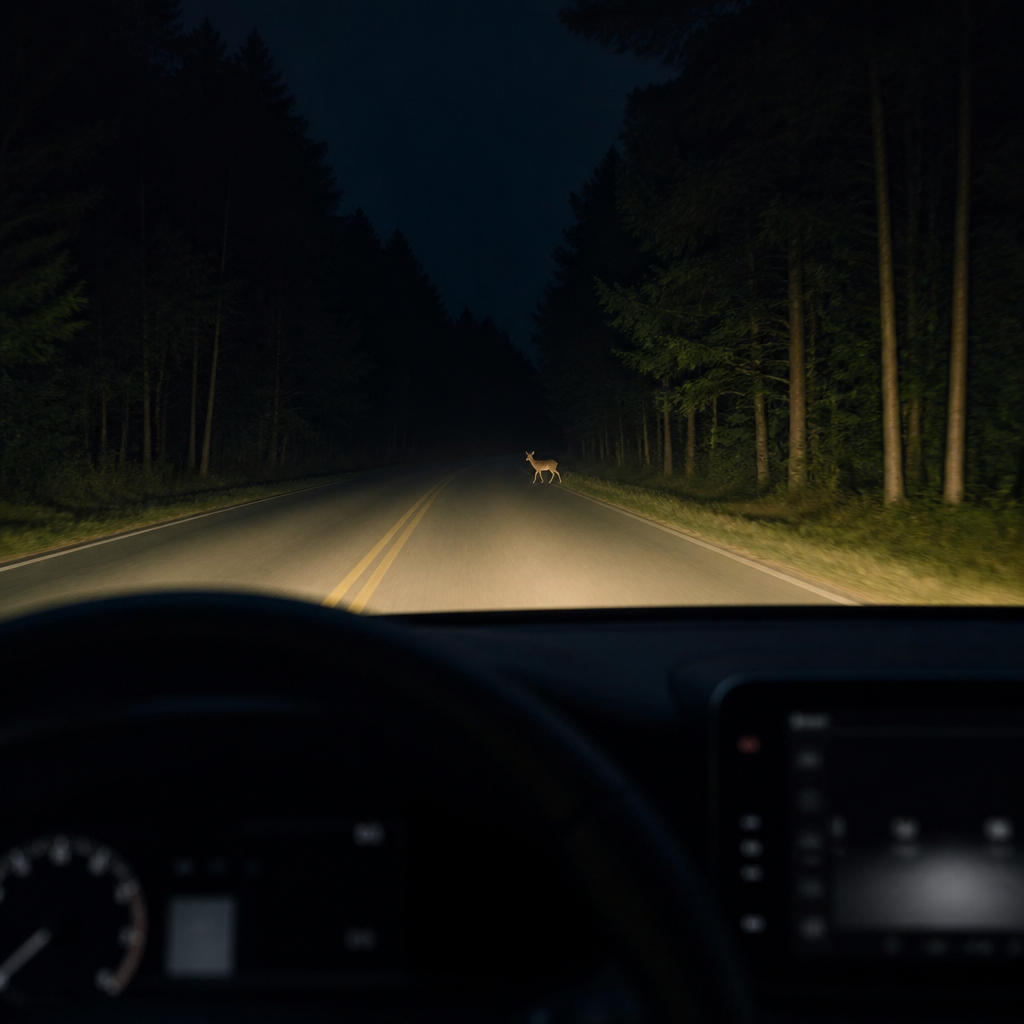
A conventional camera records reflected visible light. That is why an ordinary low-light camera still depends heavily on headlights, streetlights, or infrared illumination.
A thermal imaging camera works differently. It detects differences in emitted infrared energy and converts them into a visible image. Warm objects, such as people and many animals, can therefore stand out from cooler surroundings even when the road is poorly lit.
A complete automotive thermal night vision system usually involves three functions:
- A forward-facing thermal camera captures the scene.
- A processor converts thermal information into a usable image.
- A screen or alert interface presents potential hazards to the driver.
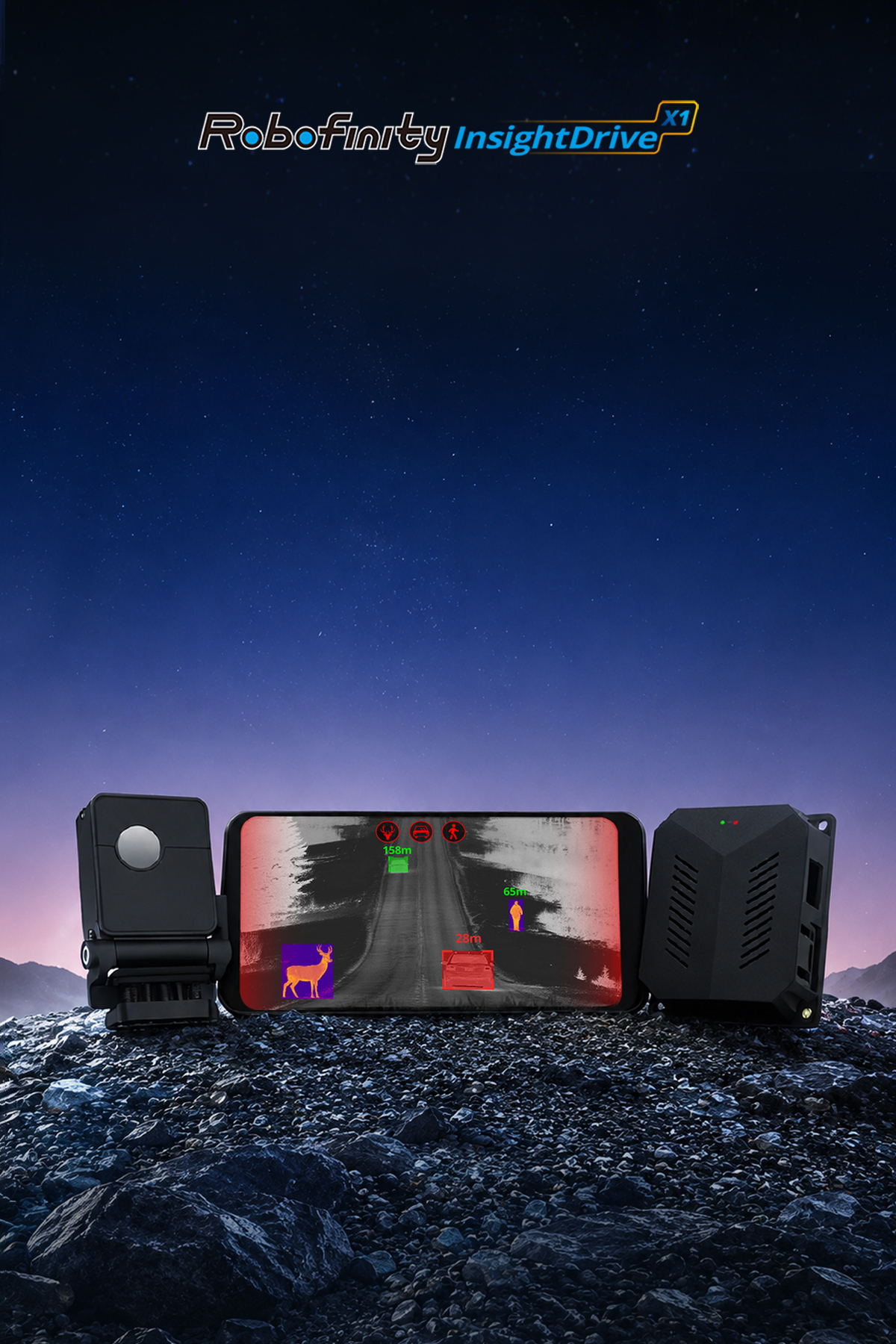
More advanced systems may use software recognition to classify pedestrians, animals, vehicles, or other objects. Some can place markers around detected hazards or issue real-time visual and audible alerts.
The technology is best understood as an additional layer of road awareness. It does not turn darkness into daylight, identify every object perfectly, or make normal driving precautions optional.
When Thermal Imaging Is Most Useful
Thermal night vision can be valuable anywhere the driver’s natural sightline and headlight coverage are limited. Its practical value depends heavily on where, when, and how the vehicle is driven.
Rural and Forested Roads
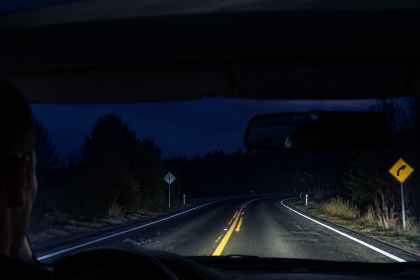
A dark rural road may have no streetlights, narrow shoulders, and frequent animal activity. Curves, hills, vegetation, and oncoming headlight glare can further reduce the time available to react.
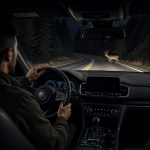
Thermal contrast may make a person or animal easier to notice before it becomes obvious in the headlight beam. Animal recognition and timely alerts are particularly relevant here, although no system can guarantee detection through every curve, obstruction, or environmental condition.
City Streets
Urban roads have more ambient lighting, but they also contain more visual clutter. Pedestrians may step out between parked vehicles, cyclists may enter from side streets, and glare from signs or traffic can compete for attention.
For city use, clear pedestrian recognition and low-latency alerts may matter more than an extreme quoted detection distance. Buyers should also consider whether the interface produces too many warnings in crowded environments.
Highways and Long-Distance Driving
At highway speeds, the distance covered during perception and reaction is substantial. A thermal display may help a driver notice a stopped vehicle, roadside person, or large animal beyond the most clearly illuminated portion of the road.
However, looking down at a poorly positioned monitor can introduce a new risk. Highway drivers should prioritize an easily scanned display, straightforward warnings, and installation that keeps information near the normal forward sightline.
Poor-Visibility Conditions
Thermal imaging may preserve useful contrast in some fog, rain, snow, smoke, or headlight-glare situations where visible-light cameras struggle. Results vary with environmental severity, camera quality, installation, and the type of object ahead.
Dense fog, heavy precipitation, dirty lenses, standing water, and thermal reflections can still reduce image quality. A responsible product description should present poor-weather performance as assistance, not unrestricted visibility through every condition.
The Most Important Buying Criteria
The strongest buying decision begins with driving needs, followed by technical specifications. A long-range system may offer little practical value if its warnings are confusing or its camera cannot withstand routine road exposure.
1. Useful Detection Range, Not Just Maximum Range
Manufacturers often emphasize the longest distance at which their cameras can detect something. That figure needs context.
“Detection” may mean that the sensor notices a heat source, not that the software can reliably classify it as a pedestrian, animal, or vehicle. Ask what the published figure represents:
- Detection of any thermal object
- Recognition of the object category
- Identification sufficient to trigger an alert
- Performance under ideal or realistic road conditions
Consider range in relation to speed. A city commuter traveling mainly on illuminated streets has different needs from a driver covering unlit highways at night. Longer useful range generally matters more as speed increases, but clarity and classification reliability remain essential.
Robofinity InsightDrive is one relevant editorial example in this category. Knowledge-base product information describes an AI-powered thermal imaging system with pedestrian, animal, and vehicle recognition, plus a detection range of up to 200 meters, or 656 feet. As with any stated maximum, buyers should evaluate that figure alongside road conditions, mounting position, alert behavior, and actual recognition performance rather than treating distance alone as proof of overall quality.
2. Pedestrian, Animal, and Vehicle Recognition
A raw thermal feed requires the driver to interpret shapes while still watching the road. Object-recognition software can reduce that workload by highlighting likely hazards.
The most useful recognition categories depend on the intended environment:
- Pedestrian recognition is important in residential areas, city traffic, parking approaches, and roads without sidewalks.
- Animal recognition is especially relevant on rural, mountain, and forested routes.
- Vehicle recognition may help identify stopped, slow-moving, or poorly visible vehicles ahead.
- Obstacle awareness can be useful, but broad claims should be examined carefully because not every obstacle generates a distinct thermal signature.
Classification is not infallible. A system may miss partially obscured objects or confuse similarly shaped heat sources. It may also detect something correctly without understanding its movement or intent. Drivers still need to interpret the road scene and respond appropriately.
3. Alert Quality and Response Time
A warning is useful only when it arrives early enough to matter and is easy to understand. Look beyond claims such as “real-time alerts” and examine how the interface behaves.
A practical system should answer three questions quickly:
- What type of hazard was detected?
- Where is it relative to the vehicle’s path?
- Is the warning important enough to require immediate attention?
Visual boxes, icons, or color changes can help locate a target. Audible warnings may draw attention back to the display, but frequent false or low-priority alarms can create alert fatigue.
Where adjustment is available, sensitivity and alert-volume controls are valuable. The best configuration for an empty country road may be unnecessarily noisy in dense city traffic.
Latency also matters. Delays can result from the camera, image processor, recognition software, display, or recording function. Buyers should seek clear documentation or trustworthy demonstrations showing that the image and alerts update smoothly during vehicle movement.
4. Frame Rate and Image Stability
Frame rate describes how often the image refreshes. A low or inconsistent frame rate may make moving objects appear choppy, particularly when the vehicle is turning or traveling quickly.
A stable live feed helps the driver understand motion and relative position. Resolution also matters, but a higher resolution does not automatically produce a more useful driving image. Lens quality, field of view, thermal sensitivity, processing, contrast, and display scaling all affect what the driver can actually see.
Evaluate the image as a complete output. A moderate-resolution system with stable processing and clear highlighting may be easier to use than one advertising more pixels but producing lag, noise, or excessive visual detail.
5. Field of View and Camera Position
A wide field of view captures more of the roadside, potentially helping with pedestrians or animals approaching from the shoulder. A narrower view can show more distant objects at a larger apparent size.
Neither is universally better. Very wide views can make distant targets look small, while narrow views may omit hazards near the road edges. Drivers should choose a balance that matches their regular roads.
Mounting position changes the result substantially. The camera needs an unobstructed forward view and should not be placed where the bumper, grille, trim, or vehicle body blocks part of the scene. It also needs protection from avoidable impacts and excessive contamination.
Check whether the manufacturer specifies:
- Permitted mounting height
- Horizontal and vertical alignment requirements
- Calibration steps
- Restrictions related to grilles or windshields
- Cable-routing and connector requirements
Thermal cameras generally cannot be installed casually behind ordinary windshield glass unless the system is specifically designed for that arrangement, because common glass does not transmit the relevant long-wave infrared energy in the same way it transmits visible light.
6. Display Placement and Readability
Display size should be judged by usability, not by the assumption that bigger is always safer. A large screen mounted in the wrong location can obstruct the road, compete with other controls, or encourage prolonged viewing.
The driver should be able to scan the display briefly and return attention to the road. Important considerations include:
- Visibility without blocking the windshield
- Legibility from the normal seating position
- Automatic or adjustable brightness
- Low glare at night
- Clear icons and target markers
- Secure mounting on rough roads
- Minimal menu interaction while driving
Check local rules before placing a screen or mount in the windshield area. Installation requirements and restrictions can differ by country, state, region, and vehicle type.
7. Weather Resistance and Operating Conditions
An externally mounted camera faces water, road salt, mud, dust, insects, stones, vibration, heat, and freezing temperatures. Weather resistance is therefore a core requirement rather than an optional extra.
Look for a clearly stated enclosure rating and documented operating-temperature range appropriate for the climate. An IP rating indicates resistance to dust and water under defined test conditions, but it does not mean the device is immune to all environmental damage.
Also inspect the practical design. Is the camera lens accessible for cleaning? Are connectors protected? Can the mount retain alignment after vibration? Is there guidance for winter operation or high-pressure washing? These ownership details often matter more than a polished demonstration recorded on a clean, dry road.
8. Installation and Vehicle Compatibility
Compatibility involves more than whether the system can receive power from the vehicle. Before buying, determine:
- Whether it supports the vehicle’s electrical system
- Whether installation requires permanent wiring
- How the camera and screen are mounted
- Whether cables can be routed without interfering with airbags
- Whether calibration is needed
- Whether the installation affects other cameras, radar sensors, or parking equipment
- Whether professional installation is recommended
Modern vehicles may have advanced driver-assistance sensors in the grille, bumper, windshield, and mirrors. An aftermarket camera or cable must not obstruct these components.
A professional automotive installer may be appropriate when installation involves removing trim, routing wires near airbags, connecting to a fuse panel, drilling, or coordinating with existing electronics. Poor installation can create loose components, water entry, electrical faults, or an inaccurate camera view.
Compare System Types Before Choosing
Thermal imaging is one of several nighttime driver-assistance technologies. Understanding the alternatives helps prevent buying the wrong tool for the problem.
Thermal Imaging Versus Low-Light Cameras
A low-light visible camera can produce a familiar-looking road image and may show lane markings, signs, and vehicle details well when some light is available. Its performance can deteriorate in deep darkness or glare.
Thermal imaging does not need visible illumination to reveal heat contrast. It may make people and animals more conspicuous, but it is less suited to reading signs, recognizing colors, or showing fine surface detail.
For hazard awareness in darkness, thermal technology has a distinct role. For general scene interpretation, a good visible-light camera may present more familiar information.
Thermal Imaging Versus Near-Infrared Systems
Near-infrared night vision typically uses infrared illumination and a compatible camera. It can display details that resemble monochrome visible video, but performance depends on illumination range and may be affected by reflective surfaces or weather.
A thermal system detects emitted energy rather than reflected near-infrared light. This can help with warm road users, although background temperature and environmental conditions influence contrast.
Built-In Versus Aftermarket Night Vision
Factory-integrated systems may display information in the instrument cluster or head-up display and can be closely connected with vehicle electronics. They are generally limited to particular trims or models and may be expensive or impractical to retrofit.
Aftermarket systems offer broader compatibility and can move the technology into vehicles that never offered factory night vision. The trade-off is that installation quality, screen placement, wiring, and interface integration require greater attention.
A Practical Decision Framework
Instead of starting with a brand or specification sheet, work through the following process.
Step 1: Define the Main Driving Environment
Write down where the vehicle is used after dark:
- Mostly illuminated city streets
- Unlit rural roads
- Forested areas with animal activity
- Highways and long-distance routes
- Winter roads or frequent fog
- Mixed commuting and family travel
This determines whether the priority should be pedestrian classification, animal detection, long-range awareness, weather resistance, or low-distraction urban alerts.
Step 2: Set Minimum Functional Requirements
For an everyday-driver system, reasonable priorities include:
- Smooth, low-latency thermal video
- Recognition suited to the expected hazards
- Clear real-time alerts
- A durable external camera
- Adjustable screen brightness
- Secure, legal display placement
- Documented vehicle and electrical compatibility
- Accessible support and installation instructions
Recording can be useful for reviewing events, but it should not take priority over live performance. Likewise, an attractive interface cannot compensate for poor detection or unreliable mounting.
Step 3: Examine Evidence Carefully
Product videos can be informative when they show continuous, unedited driving in multiple environments. Give more weight to demonstrations that reveal:
- Both the road scene and the thermal display
- Moving vehicles rather than stationary targets only
- Curves, roadside hazards, and oncoming traffic
- Urban and rural conditions
- Rain, fog, or winter use where such performance is claimed
- Alert timing relative to when the object becomes visible
Treat vague superlatives and unsupported safety claims cautiously. No responsible manufacturer or seller should imply that a night vision system eliminates collisions or replaces driver attention.
Step 4: Calculate the Full Ownership Cost
The purchase price is only one part of the cost. Account for:
- Professional installation
- Mounts, cables, adapters, or replacement connectors
- Calibration or repositioning after repairs
- Lens cleaning and inspection
- Software or firmware support
- Replacement of damaged external components
- Removal or reinstallation when changing vehicles
Do not assume that every included accessory will suit every dashboard, grille, or electrical layout. Confirm package contents and compatibility before purchase.
Step 5: Plan Safe Daily Use
Decide how the display and alerts will fit into the driving routine. The screen should support occasional confirmation, not become a second road that the driver watches continuously.
During the first drives, learn the system on familiar roads and observe how it represents people, animals, parked vehicles, exhaust heat, reflective surfaces, and warm pavement. Make display or sensitivity adjustments while parked.
Choosing for Different Types of Drivers
Family Drivers
Family drivers may benefit most from dependable pedestrian detection, a clear interface, and a screen that does not interfere with passenger space, windshield visibility, or airbag deployment. Quiet operation matters too; excessive alarms can become distracting during routine trips.
Rural Drivers
Prioritize animal recognition, useful forward range, weather resistance, and a field of view that includes road shoulders. A durable mount is important on rough or unpaved roads.
Urban Commuters
Look for accurate classification in crowded scenes, sensible warning prioritization, and an interface that remains readable amid streetlights and glare. More detection is not always better if the system cannot distinguish relevant hazards from background activity.
Highway and Long-Trip Drivers
Smooth video, early alerts, comfortable nighttime brightness, and low-distraction display placement are particularly important. Recording may also be useful, but it should operate without slowing the live feed.
Drivers in Harsh Climates
Verify the operating-temperature range, enclosure protection, connector design, and cleaning access. Remember that ice, packed snow, mud, or road spray on the camera can obstruct the view regardless of the sensor’s capabilities.
Limitations Every Buyer Should Understand
Thermal night vision adds information, but it has boundaries.
Warm objects do not always appear bright, and cool objects do not always appear dark. The palette may be reversed, and apparent contrast changes with ambient temperature. On a hot day or warm night, a person may blend more closely with heated surroundings. Recently driven vehicles and sun-warmed pavement may remain thermally prominent.
Physical obstructions remain physical obstructions. The camera cannot reliably see a pedestrian hidden behind a building, vehicle, barrier, or dense object. Curves and hills still limit line of sight.
Not every road hazard emits distinctive heat. Potholes, branches, cargo, rocks, or standing water may be difficult to classify. Thermal vision also cannot replace the visible information needed to read road signs, traffic signals, lane markings, and hand gestures.
False positives and missed detections are possible. Recognition software can assist interpretation but cannot understand every unusual scene. A driver must remain prepared to respond based on the full road environment.
Most importantly, thermal night vision does not replace properly maintained headlights, clean glass, working wipers, suitable tires, safe speed, adequate following distance, mirrors, seat belts, traffic-law compliance, or attentive driving. In severe weather, reducing speed or postponing travel may be more important than any electronic aid.
Installation and Maintenance Checklist
A thermal camera needs routine attention to remain useful. Add these checks to normal vehicle care:
- Inspect the lens before night trips and clean it using approved methods.
- Confirm that the camera has not shifted after a bump, repair, or car wash.
- Check exposed wiring and connectors for abrasion, looseness, or corrosion.
- Keep the display mount tight and the windshield view unobstructed.
- Review software or firmware instructions from the manufacturer.
- Test alerts periodically in a controlled, lawful setting.
- Recheck alignment after bumper, grille, suspension, or body work.
- Do not troubleshoot electrical connections while driving.
If the image freezes, becomes heavily distorted, loses alignment, or repeatedly issues unexplained warnings, stop relying on the system until it has been inspected. Electrical faults, damaged cables, lens contamination, mounting changes, or software issues may require professional diagnosis.
Questions to Ask Before Purchase
A concise buyer checklist can expose gaps that a feature page may not answer:
- What objects can the software recognize and highlight?
- Does the quoted range refer to detection or reliable classification?
- What is the camera’s field of view?
- Is the live image smooth at normal road speeds?
- How are alerts delivered, and can sensitivity be adjusted?
- What environmental and temperature ratings are documented?
- Is the system compatible with the vehicle’s voltage and layout?
- Does installation interfere with existing ADAS sensors or airbags?
- Can the display be mounted legally without blocking visibility?
- What support is available for installation, firmware, and replacement parts?
- Can recording operate without reducing live performance?
- What maintenance does the external camera require?
A seller or manufacturer should be able to provide clear documentation for core installation and operating questions. Missing information is itself useful information when comparing products.
Frequently Asked Questions
Is thermal night vision useful if my car has LED headlights?
Yes, it can still add a different type of information. Strong headlights improve visible illumination, while thermal imaging detects heat contrast and may reveal people or animals outside the clearest part of the beam. It remains an aid rather than a replacement for headlights.
Can a vehicle thermal camera see through fog or rain?
It may maintain useful contrast in some fog, rain, snow, or glare, but it cannot see perfectly through all poor-weather conditions. Dense fog, heavy precipitation, water on the lens, and environmental temperatures can reduce performance.
Does a longer detection range always mean a better system?
No. Maximum range should be considered with recognition accuracy, alert timing, field of view, image latency, and mounting quality. A shorter-range system with reliable classification and clear warnings may be more useful than one that notices distant heat without explaining the hazard.
Can thermal night vision detect all animals?
No system can guarantee detection of every animal. Size, body temperature, distance, vegetation, road geometry, movement, weather, and camera position all affect visibility. Animal recognition should be treated as additional awareness, not a guarantee.
Can I install a thermal night vision system myself?
Some systems may support straightforward installation, but permanent wiring, trim removal, airbag-adjacent cable routing, sensor interference, or calibration can justify professional installation. Follow the product and vehicle instructions carefully.
Is thermal night vision the same as automatic emergency braking?
No. A thermal night vision system primarily provides imagery, recognition, or alerts unless it is explicitly and properly integrated with other vehicle controls. Drivers should never assume that detection means the vehicle will brake automatically.
Making the Final Choice
The best thermal night vision system is the one that matches the hazards a driver actually encounters. Rural motorists should emphasize animal detection, range, and durability. Urban drivers should focus on pedestrian recognition and well-managed alerts. Highway travelers need smooth video, early warning, and a display that can be scanned without drawing attention away from the road.
Compare verified functionality rather than relying on a single headline specification. Review detection versus recognition range, alert behavior, field of view, frame rate, environmental protection, installation requirements, and long-term support. Then confirm that the system can be mounted safely and maintained without unreasonable effort.
A carefully selected thermal imaging system can improve nighttime road awareness, particularly beyond well-lit streets and in certain poor-visibility conditions. Its value is highest when it complements sound driving habits, a well-maintained vehicle, and realistic expectations. Before purchasing, map the system’s documented capabilities to your regular routes and arrange qualified installation when the vehicle or product design requires it.