SEO Title: vehicle thermal night vision cost System Cost: Pricing, Installation, and Key Factors
- How Much Does a vehicle thermal night vision cost System Typically Cost?
- Entry-Level Aftermarket Systems: Roughly $300 to $1,000
- Midrange Aftermarket Systems: Roughly $1,000 to $3,000
- Premium Aftermarket and Factory-Integrated Systems: About $3,000 and Up
- What Are You Actually Paying For?
- The Main Factors That Affect Thermal Night Vision Pricing
- Thermal Sensor Resolution
- Detection Range and Useful Recognition Distance
- Pedestrian, Animal, and Vehicle Recognition
- Alert Design
- Frame Rate and Image Latency
- Field of View and Lens Choice
- Camera Durability and Environmental Protection
- Display Type and Integration
- Recording and Storage
- Installation Can Change the Total Price Significantly
- Factory Night Vision Versus an Aftermarket System
- How Driving Conditions Should Shape the Budget
- Rural and Wildlife-Prone Roads
- City and Suburban Driving
- Highway and Long-Distance Travel
- Fog, Rain, Snow, and Headlight Glare
- Hidden Costs to Include in the Ownership Budget
- A Practical Buying Checklist
- How to Decide Whether the Cost Is Worth It
- How Often Will You Use It?
- What Hazards Do You Regularly Encounter?
- Are Basic Safety Priorities Already Addressed?
- Can You Use the Display Without Becoming Distracted?
- Important Safety Limitations
- Frequently Asked Questions
- Can thermal night vision see in complete darkness?
- Does a thermal night vision system replace high-beam headlights?
- Is professional installation required?
- Why do two thermal systems with similar cameras cost different amounts?
- Can a thermal camera work through the windshield?
- Is a thermal night vision system worth adding to an older car?
- Making a Cost-Sensible Decision
Meta Description: Learn what a vehicle thermal night vision cost system costs, what affects the price, and how to compare hardware, installation, and long-term value.
A vehicle thermal night vision cost system cost can range from a relatively modest amount for basic aftermarket equipment to several thousand dollars for an integrated factory solution. The final price depends on much more than the camera itself. Sensor quality, detection range, display hardware, recognition features, installation complexity, vehicle compatibility, warranty coverage, and ongoing support can all affect the total.
For most buyers, the useful question is not simply, “What is the cheapest system?” It is, “What level of nighttime awareness fits my driving conditions, vehicle, and budget?” This guide explains the major cost categories, the technology behind them, and the practical details to compare before making a purchase.
How Much Does a vehicle thermal night vision cost System Typically Cost?
Thermal night vision prices generally fall into three broad categories. These are planning ranges rather than quotes, because availability, taxes, labor rates, vehicle requirements, and product configurations vary between the United States and Europe.
Entry-Level Aftermarket Systems: Roughly $300 to $1,000
Basic aftermarket systems may include a thermal camera, a compact in-cabin display, mounting hardware, and the wiring needed for power and video. Products near the lower end tend to provide a simpler thermal image with fewer advanced detection or alert functions.
This category can suit drivers who primarily want an additional view of warm objects beyond the normally illuminated scene. However, buyers should examine image clarity, refresh rate, operating-temperature limits, weather protection, display readability, and support before choosing solely on price.
A low purchase price can become less attractive if the system requires custom brackets, additional adapters, professional wiring, or replacement components that are difficult to obtain.
Midrange Aftermarket Systems: Roughly $1,000 to $3,000
Midrange systems commonly add better thermal image quality, a more useful detection distance, a dedicated display, improved camera protection, or software that can identify certain road users and hazards.
Some products in this class may offer pedestrian detection, animal detection, vehicle recognition, or real-time warnings. Those functions can make the thermal image easier to interpret, particularly when a driver has only a short time to assess what is ahead.
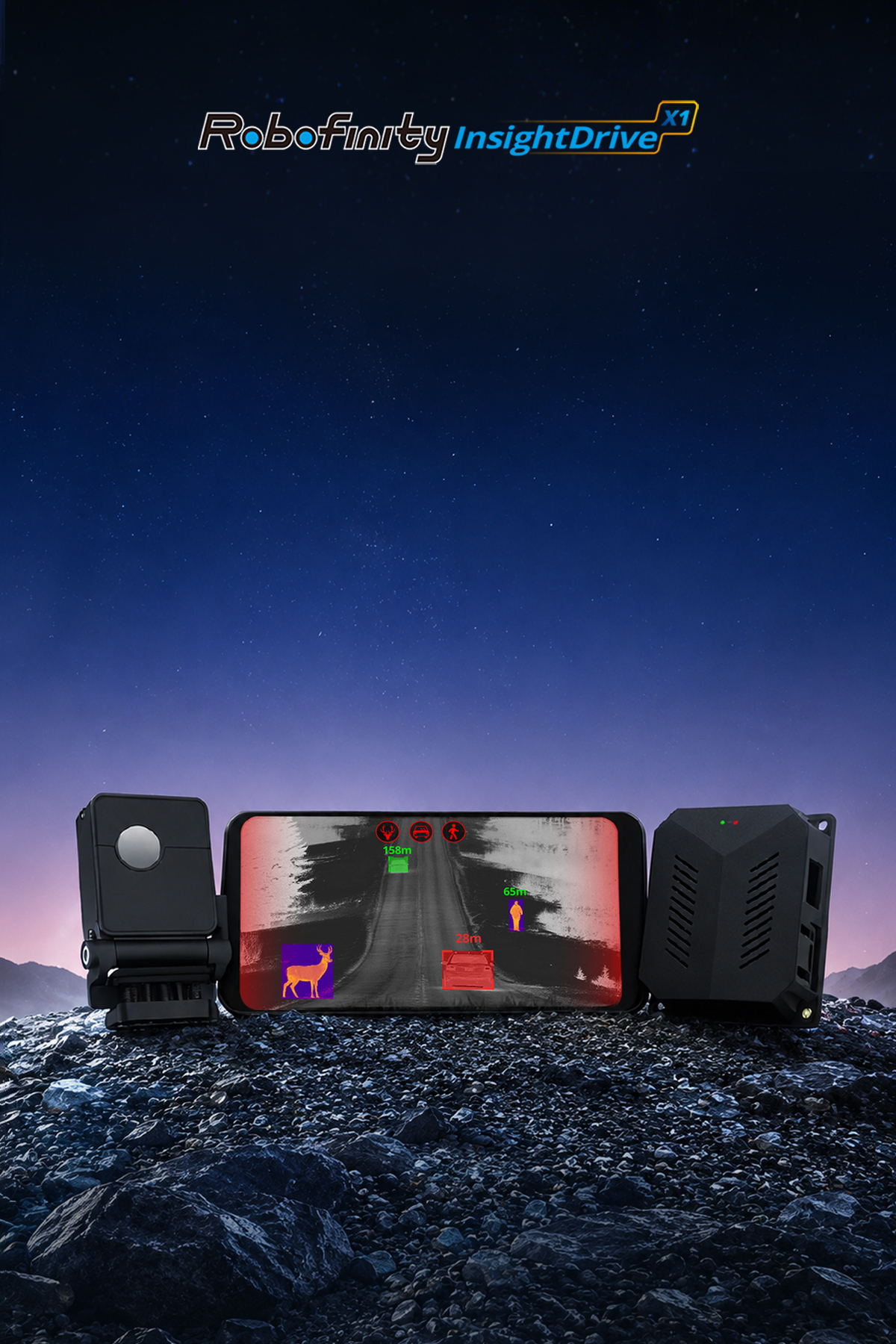
Robofinity InsightDrive is one example in this part of the vehicle thermal imaging market. It combines thermal imaging with recognition of pedestrians, animals, and vehicles and provides real-time alerts. Those features illustrate why apparently similar systems can have different prices: the buyer may be paying not only for a sensor and screen, but also for the processing used to interpret the scene. It remains a driver-assistance tool rather than a substitute for attentive driving.
Premium Aftermarket and Factory-Integrated Systems: About $3,000 and Up
Premium aftermarket packages may use higher-grade sensors, more advanced processing, stronger environmental protection, cleaner integration, or vehicle-specific installation components. A complete installation can push the final price well beyond the hardware cost.
Factory-installed night vision is often found on selected premium vehicles or offered as part of a larger technology package. Its true cost may therefore be difficult to separate from other equipment. Repairs can also involve brand-specific parts, diagnostic procedures, calibration, or bumper removal.
When buying a used vehicle, an existing factory night vision feature may appear to offer excellent value. It is still important to confirm that the camera, display integration, warnings, and related controls work correctly. A malfunctioning thermal system can be expensive to diagnose or replace.
What Are You Actually Paying For?
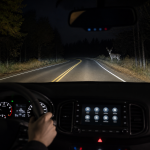
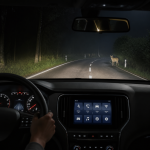
A thermal imaging system does not work like a conventional dashboard camera. Instead of depending primarily on reflected visible light, a thermal camera detects infrared energy associated with temperature differences. The system translates those differences into an image the driver can view.
That distinction can make warm pedestrians and animals easier to distinguish from cooler surroundings at night. Thermal imaging may also remain useful where ordinary cameras struggle with limited ambient light. However, performance still depends on the equipment, environmental conditions, positioning, and software.
The total system price may include:
- A thermal camera and lens
- An electronic control or image-processing unit
- Detection and classification software
- A dedicated screen or compatible display interface
- Camera and display mounting hardware
- Power, video, and communication cables
- Professional installation
- Vehicle-specific adapters or modules
- Calibration and post-installation testing
- Technical support and warranty coverage
Two packages with similar product descriptions may include very different combinations of these items. A detailed written quote is more useful than comparing advertised camera prices alone.
The Main Factors That Affect Thermal Night Vision Pricing
Thermal Sensor Resolution
The thermal sensor is a major cost driver. Higher thermal resolution can provide more detail in a scene, helping the system form a clearer image of objects at a distance.
Resolution should not be evaluated in isolation. Lens quality, display resolution, image processing, and mounting position also affect what the driver sees. A high-resolution display cannot restore details that the thermal sensor never captured, while a strong sensor can be undermined by weak processing or an unsuitable screen.
Ask for the native thermal sensor resolution, not just the screen resolution or an enlarged output size.
Detection Range and Useful Recognition Distance
Manufacturers may describe a maximum detection range, but “detection” does not always mean that a driver or software can reliably identify the object. A small heat source might be visible long before it is clear whether it represents a pedestrian, animal, vehicle, or background object.
This makes it important to distinguish among:
- Detection: The system registers that something is present.
- Recognition: The object can be assigned to a general category.
- Identification: More specific details can be resolved.
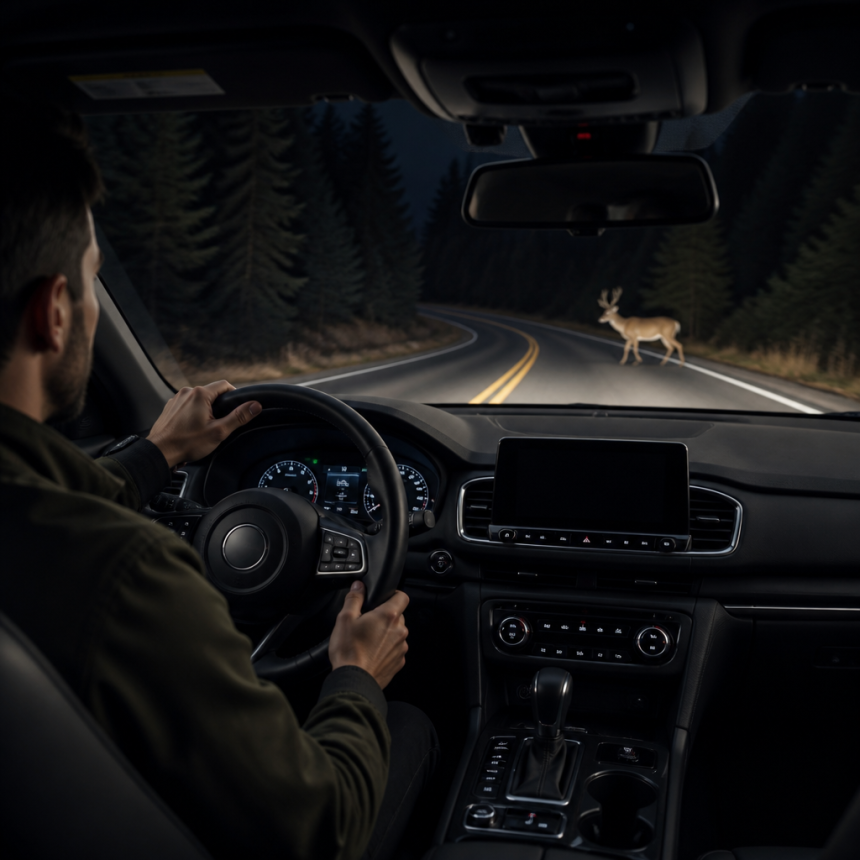
Longer-range performance may require a more capable sensor, suitable optics, and better image processing. It can be valuable on dark rural roads and higher-speed routes, where earlier awareness provides more time to assess a situation. In dense city traffic, field of view and nearby pedestrian recognition may matter more than extreme distance.
Pedestrian, Animal, and Vehicle Recognition
A basic system presents a thermal video feed and leaves interpretation to the driver. More advanced products analyze that feed and may highlight pedestrians, animals, vehicles, or other relevant objects.
Recognition features increase software and processing requirements. They may also make the system more useful by directing attention to a potential hazard rather than requiring the driver to continually monitor an unfamiliar thermal image.
No recognition system is infallible. Unusual body positions, partial obstruction, environmental heat, weather, road geometry, sensor contamination, and software limitations can affect results. The driver must still watch the road and treat alerts as supporting information.
Alert Design
Alerts may appear as boxes around detected objects, warning symbols, audible notifications, or combinations of these. A well-designed alert system should communicate useful information without becoming distracting.
Before purchasing, consider:
- Whether the warning can be noticed with minimal eye movement
- Whether audio alerts can be adjusted
- Whether sensitivity settings are available
- Whether frequent nuisance warnings could reduce trust in the system
- Whether the display remains legible without being too bright at night
Sophisticated warning logic may add cost, but complexity is not automatically better. An understandable and appropriately positioned interface is more valuable than a large number of poorly prioritized alerts.
Frame Rate and Image Latency
Driving is dynamic, so a system must update the scene quickly enough to remain useful. A low frame rate or noticeable delay can make moving pedestrians, animals, and vehicles appear less natural.
Frame rate is only part of the issue. Processing and display latency also matter. Ask whether the quoted frame rate refers to the sensor capture rate, the displayed output, or another part of the imaging chain.
A smoother image often costs more because the system must capture, process, and display thermal data rapidly. This becomes especially relevant on highways, winding roads, and routes where animals may enter the roadway suddenly.
Field of View and Lens Choice
A wider field of view shows more of the roadside and nearby environment, which can help in urban areas, at intersections, or on rural roads with wildlife near the shoulder. A narrower field of view can provide more apparent detail farther ahead but may show less of the surrounding scene.
Neither choice is universally superior. The best lens depends on how and where the vehicle is used. Systems with specialized optics, carefully balanced fields of view, or multiple-camera configurations may cost more.
Camera Durability and Environmental Protection
An exterior-mounted thermal camera faces water, road salt, dust, mud, vibration, temperature changes, insects, and debris. Weather sealing and durable construction are therefore functional requirements, not cosmetic extras.
Compare the stated environmental protection, approved mounting location, operating-temperature range, and cleaning instructions. Also determine whether the lens or protective window can be serviced separately. A less expensive camera that cannot tolerate regular road exposure may have a higher long-term ownership cost.
Display Type and Integration
An aftermarket thermal system may use:
- A dedicated dashboard screen
- A display mounted near the windshield
- A compatible factory infotainment display
- A separate monitor incorporated into a custom installation
A dedicated display can simplify compatibility, but it occupies cabin space and must be mounted without obstructing the driver’s view. Factory-screen integration can look cleaner, yet it may require additional interfaces, programming, or vehicle-specific labor.
Screen position matters as much as screen size. A large display located far from the normal line of sight may be less useful than a smaller, well-placed unit.
Recording and Storage
Some systems can record thermal video. This may be useful for reviewing unusual road events, but it also introduces questions about storage capacity, file management, data access, and privacy.
Recording capability can increase the price through additional hardware or software. Buyers should confirm whether storage media is included, how older files are overwritten, and whether recording affects real-time performance.
Drivers should also follow applicable laws concerning video recording and personal data. Rules differ by jurisdiction, particularly across European countries.
Installation Can Change the Total Price Significantly
Hardware pricing is only one part of the budget. Installation cost depends on the vehicle, mounting location, wiring route, display position, and the amount of disassembly required.
Typical Installation Tasks
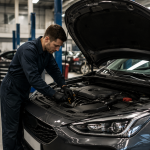
A professional installation may involve:
- Securing the thermal camera with an unobstructed forward view
- Routing protected wiring through the engine bay and firewall
- Connecting to an appropriate fused power source
- Mounting the display where it does not obstruct normal visibility
- Configuring software and alerts
- Checking image orientation and aiming
- Verifying operation under realistic conditions
Modern vehicles can add complexity. Bumpers and grilles may contain parking sensors, radar units, conventional cameras, active grille components, or aerodynamic shutters. A careless installation could obstruct existing driver-assistance technology or interfere with bodywork.
When Professional Installation Is Worth Paying For
Professional installation is generally advisable when the system requires bumper removal, permanent wiring, integration with factory electronics, drilling, waterproof connections, or precise camera alignment.
A simple plug-in arrangement may be suitable for a confident DIY owner if the manufacturer explicitly supports self-installation. Even then, mounting stability, legal field-of-view requirements, electrical protection, and cable routing need careful attention.
Request an installed price that separates hardware, labor, adapters, calibration, and taxes. This makes quotes easier to compare and reveals which costs could change if complications arise.
Factory Night Vision Versus an Aftermarket System
Factory and aftermarket solutions address similar goals but have different ownership trade-offs.
Factory-Installed Advantages
Factory systems may offer:
- Integration with the instrument cluster or head-up display
- Controls that match the rest of the vehicle
- Vehicle-specific warning logic
- Concealed wiring and a factory appearance
- Service through the automaker’s dealer network
The disadvantages can include limited vehicle availability, high package pricing, and potentially expensive repairs after the vehicle warranty expires.
Aftermarket Advantages
Aftermarket systems can offer:
- Compatibility with vehicles that never had factory night vision
- More choice in camera, display, and recognition features
- The possibility of transferring some equipment to another vehicle
- A range of price levels
- Independent upgrade timing rather than purchasing a new car
The quality of aftermarket products and installations varies widely. Compatibility, documentation, installer experience, warranty terms, and supplier support deserve close scrutiny.
An aftermarket system often makes the most financial sense when the existing vehicle is otherwise suitable and the driver regularly encounters dark roads, wildlife, pedestrians, or poor-visibility conditions. Replacing a vehicle solely to obtain factory night vision is a much larger financial decision.
How Driving Conditions Should Shape the Budget
The right spending level depends on exposure, not simply enthusiasm for vehicle technology.
Rural and Wildlife-Prone Roads
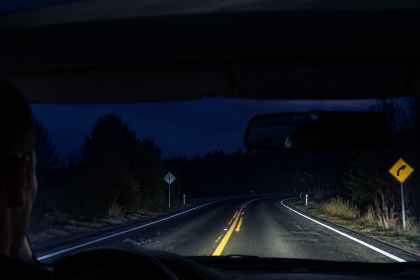
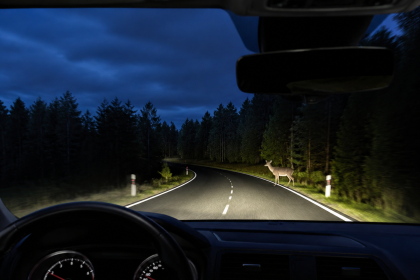
Drivers on unlit rural roads may benefit from longer useful range, animal recognition, a broad enough field of view to monitor shoulders, and clear alerts. Environmental durability also matters because these vehicles may encounter mud, snow, dust, and road salt.
At typical rural-road speeds, a vague shape becomes relevant quickly. Image clarity and low latency should therefore carry more weight than recording extras or cosmetic display features.
City and Suburban Driving
Urban driving places more emphasis on pedestrians, cyclists, intersections, parked vehicles, and visual clutter. Strong nearby recognition, sensible alert prioritization, and a display that does not demand prolonged attention may be more valuable than maximum range.
Thermal imaging does not eliminate the need to watch traffic lights, signs, lane markings, or hand signals. Those are often visible-light details and may not be conveyed clearly by a thermal image.
Highway and Long-Distance Travel
For regular night highway travel, drivers should consider stable long-range imaging, low display latency, dependable mounting, and alerts that remain useful at speed.
Fatigue is also a critical factor. Thermal night vision should never be treated as a reason to continue driving when tired. Breaks, adequate rest, reduced speed when conditions require it, and appropriate following distance remain fundamental.
Fog, Rain, Snow, and Headlight Glare
Thermal imaging may provide useful contrast in some low-light or poor-visibility situations, but it does not make bad weather transparent. Heavy precipitation, environmental temperatures, water or contamination on the camera window, and atmospheric conditions can reduce performance.
Headlights remain essential for illuminating road markings, signs, debris, and other visible details. Windshield condition, wiper performance, tire condition, and appropriate speed may have a greater immediate safety effect than adding another display.
Hidden Costs to Include in the Ownership Budget
The purchase and initial installation are not always the full expense. A more realistic cost comparison includes:
- Shipping, tax, and import charges
- Vehicle-specific brackets or adapters
- Professional installation and troubleshooting
- Software, firmware, or app requirements
- Replacement cables, mounts, or protective windows
- Camera cleaning and inspection
- Reinstallation after collision or body repair
- Diagnosis when vehicle electrical systems change
- Removal or transfer when selling the vehicle
Confirm warranty coverage for both the equipment and installation work. If different companies supply and install the system, determine who handles a fault when the cause is unclear.
Software support also matters when recognition and alerts are central features. Ask how updates are delivered and whether essential operation depends on an app, network connection, subscription, or continued server availability. Do not assume that all future functions are included unless the written terms say so.
A Practical Buying Checklist
Before comparing prices, define the problem you want the system to address. A driver crossing wooded rural routes after dark has different priorities from a city driver concerned about pedestrians near poorly lit junctions.
Use the following questions to evaluate a product and quote:
- What is the native thermal sensor resolution?
- What detection, recognition, and identification distances are claimed, and under what conditions?
- Which objects can the software recognize?
- What is the sensor and displayed frame rate?
- Is there noticeable processing latency?
- What field of view does the camera provide?
- How is the camera protected from water, dust, vibration, and road debris?
- Is a display included, and where will it be mounted?
- Does installation affect factory sensors, cameras, or warranty coverage?
- Are vehicle-specific adapters required?
- Does the quote include labor, calibration, taxes, and testing?
- Are software updates or subscriptions required?
- What do the hardware and installation warranties cover?
- Can replacement parts be purchased separately?
- What return policy applies if the system is incompatible?
It is also sensible to inspect the proposed display location while seated in the normal driving position. The system should not block the windshield, instruments, mirrors, or controls. Local rules may restrict where devices can be attached inside a vehicle.
How to Decide Whether the Cost Is Worth It
A thermal night vision system is more likely to provide practical value when night driving is frequent, unavoidable, and conducted on poorly lit roads with meaningful pedestrian or animal exposure.
Consider the purchase through four questions:
How Often Will You Use It?
A system used several nights each week has a different value proposition from one used during an occasional holiday trip. Estimate actual nighttime mileage rather than total annual mileage.
What Hazards Do You Regularly Encounter?
Long-range animal detection may matter on rural roads, while pedestrian recognition and a wide field of view may be more relevant in town. Paying for features that do not fit the normal environment provides limited value.
Are Basic Safety Priorities Already Addressed?
Before investing in thermal imaging, make sure the vehicle has roadworthy tires, effective brakes, clean and properly functioning lights, good wipers, a clear windshield, and correctly adjusted mirrors. These essentials apply on every journey.
Can You Use the Display Without Becoming Distracted?
A thermal screen adds information, but it also adds another item to monitor. The interface and mounting position should allow brief, purposeful glances. A system that encourages prolonged screen viewing can undermine its intended benefit.
The best value is rarely the cheapest camera or the package with the longest feature list. It is the system that provides relevant information, fits the vehicle correctly, and can be used without compromising attention to the road.
Important Safety Limitations
Thermal night vision is driver-assistance technology. It can support road awareness, but it does not take control of the vehicle or remove uncertainty from nighttime driving.
Drivers should not rely on it to:
- Replace headlights or other legally required lighting
- Read every road sign or lane marking
- See through all fog, rain, snow, glass, or solid obstructions
- Detect every pedestrian, animal, cyclist, vehicle, or object
- Determine a safe speed or following distance
- Compensate for fatigue, distraction, or impaired driving
- Replace mirrors, direct observation, or compliance with traffic laws
Braking distance does not become shorter because a hazard appears on a thermal display. Speed must still match the road, weather, visibility, and traffic conditions. The camera lens also needs to remain clean and unobstructed, particularly after winter driving, heavy rain, muddy-road use, or insect buildup.
Frequently Asked Questions
Can thermal night vision see in complete darkness?
Yes, a thermal camera can form an image from temperature differences without relying on visible light in the same way as a standard camera. Performance still depends on sensor quality, environmental conditions, object temperature, range, and obstructions.
Does a thermal night vision system replace high-beam headlights?
No. Headlights illuminate road markings, signs, surfaces, and objects that may not have a strong thermal contrast. Thermal imaging should complement legal, properly maintained vehicle lighting rather than replace it.
Is professional installation required?
Not for every system, but it is advisable when installation involves permanent wiring, bumper or grille removal, drilling, waterproof connections, factory-display integration, or work near existing cameras and radar sensors.
Why do two thermal systems with similar cameras cost different amounts?
The difference may come from optics, processing speed, recognition software, alert functions, display quality, weather protection, included accessories, warranty coverage, technical support, and installation requirements.
Can a thermal camera work through the windshield?
Thermal cameras generally require a suitable exterior view because ordinary automotive glass can block much of the long-wave infrared energy used by many thermal imagers. Buyers should follow the manufacturer’s specified mounting location.
Is a thermal night vision system worth adding to an older car?
It can be, provided the vehicle is mechanically sound, the charging system can support the equipment, and a secure installation is available. Its value is greatest when the owner frequently drives after dark in conditions where additional pedestrian, animal, or vehicle awareness is relevant.
Making a Cost-Sensible Decision
Vehicle thermal night vision cost can cost anywhere from several hundred dollars for basic aftermarket equipment to several thousand dollars for advanced or factory-integrated technology. Sensor capability, useful range, recognition software, alerts, environmental protection, display integration, and labor usually explain the difference.
Start by mapping the purchase to real driving conditions. Then compare complete installed prices, verify compatibility, examine warranty and software terms, and budget for long-term support. Whether considering a factory feature, Robofinity InsightDrive, or another aftermarket thermal imaging system, prioritize a clear image, relevant alerts, durable installation, and an interface that supports brief, safe glances.
The right system can add useful information during low-light driving, but it should remain one layer of a broader nighttime safety routine built around sound vehicle maintenance, appropriate speed, sufficient following distance, effective headlights, and full driver attention.