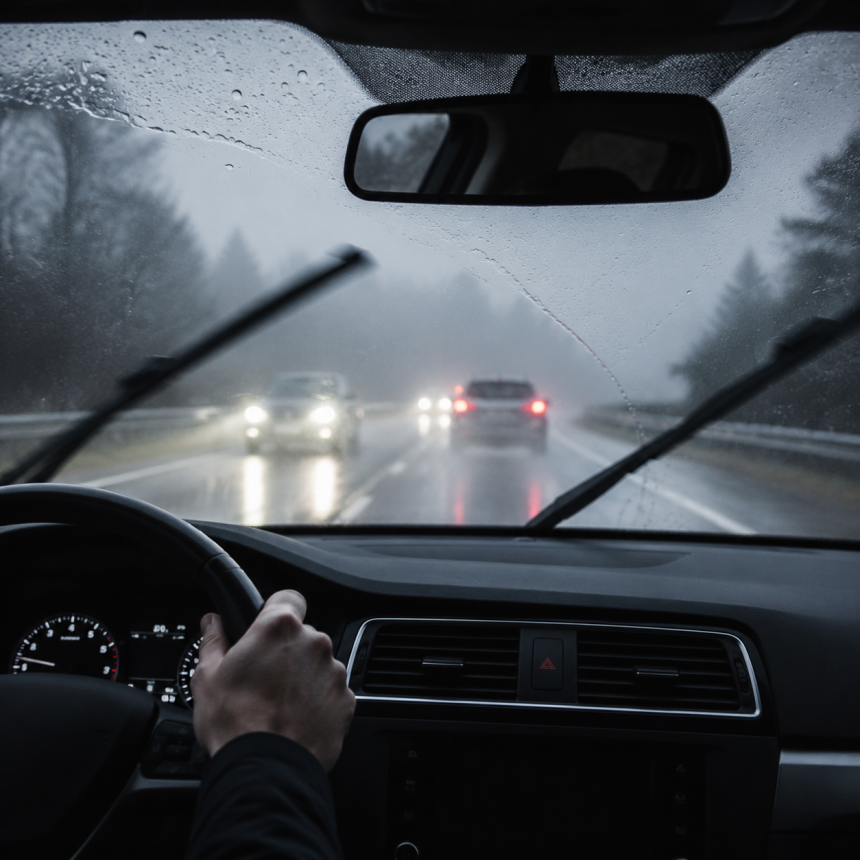
Rain and fog can quickly turn a familiar route into a stressful drive. Lane markings fade, reflections increase, and hazards appear later than they do in clear weather. Improving driving visibility in rain and fog is less about one trick and more about combining the right driving habits, vehicle settings, and safety awareness.
- Why rain and fog make driving harder to see through
- Start before you drive
- Clean every glass surface
- Check wiper condition
- Make sure washer fluid is full
- Confirm that exterior lights work
- Use the right lights for the conditions
- Improve driving visibility with speed and distance
- Increase following distance
- Reduce interior distractions and glare
- Know how to use your defrost and climate controls
- For windshield fogging inside the car
- For rainy conditions
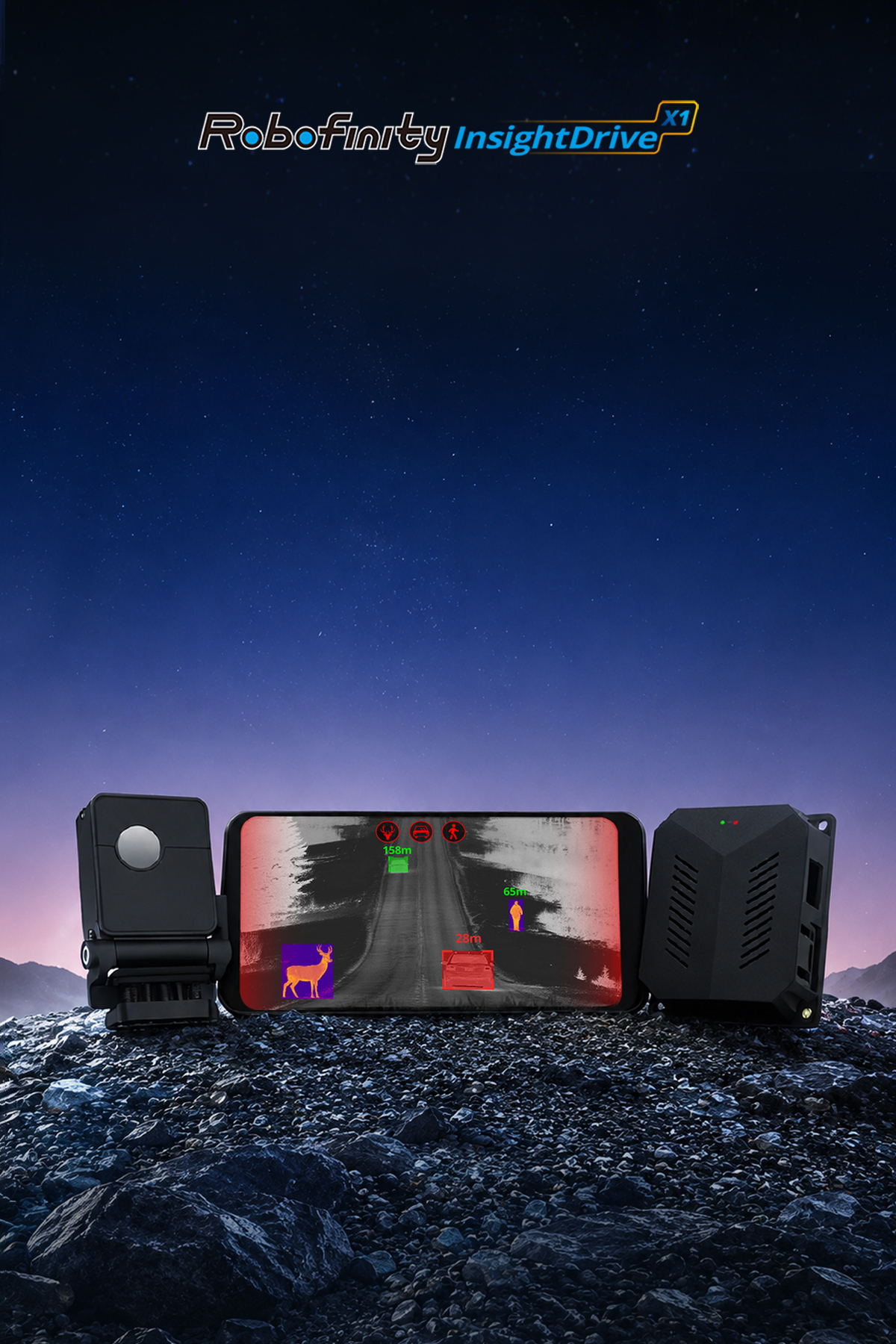
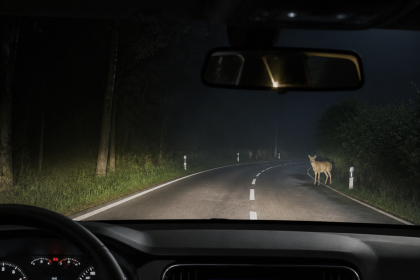
- For cold foggy weather A cold windshield and a warm, humid cabin can create rapid interior fogging. Gradual temperature control often works better than blasting heat without airflow management. Watch the road surface, not just the car ahead A common visibility mistake is focusing only on the bumper in front of you. In rain and fog, the road surface can tell you a lot and help you manage driving visibility in rain and fog. Look for: Puddles that may hide deeper water Glossy pavement that suggests reduced traction Painted markings that disappear under water Standing spray, which may indicate deeper lanes or heavy traffic Changes in pavement texture near shoulders or merges If the road surface looks shiny, uneven, or hard to read, reduce speed and avoid abrupt steering or braking. Learn to spot hazards earlier in poor visibility In rain and fog, hazards often become visible later than drivers expect. Train yourself to scan farther ahead and look for secondary clues to improve driving visibility in rain and fog. Useful signs include: Red brake lights reflecting through mist Headlights appearing before the vehicle itself is visible Shadows or movement near the roadside Reflections from signs, barriers, or guardrails Spray patterns indicating traffic flow or lane position Pedestrians, cyclists, and animals can be especially difficult to spot in wet weather, particularly on rural roads and at night. Drivers who regularly face those conditions sometimes consider aftermarket awareness tools. Robofinity InsightDrive is one example of a vehicle thermal imaging night vision system designed to support driving visibility in low-light and poor-visibility driving scenarios, but it should be treated as an additional aid, not a replacement for careful scanning and safe driving habits. If your windshield fogs, haze limits what the camera and your own eyes can separate, so consider also reviewing Car Thermal Camera Fog: Must-Have Solution for Safer Driving. Adjust your driving style for rain Rain does more than affect what you can see. It changes how the vehicle behaves. Driving visibility and control are closely connected because if you cannot see well, you are more likely to make abrupt corrections—so focus on driving visibility in rain and fog and smooth inputs. Brake earlier and more gently
- Avoid sudden steering input
- Be careful in standing water
- Adjust your driving style for fog
- When lane markings disappear
- Extra help from driver-assistance technology
- Smart habits for highway driving in rain and fog
- Smart habits for rural roads
- When to pull over
- Common mistakes drivers make in rain and fog
- Using high beams in fog
- Driving too close to other vehicles
- Ignoring dirty glass
- Moving too fast for the conditions
- Depending too much on technology
- FAQ
- Should I use fog lights in rain?
- Are high beams ever useful in fog?
- What is the most important thing to do first when visibility drops?
- Can cleaning the windshield really make that much difference?
- How do I stop the windshield from fogging inside?
- Is driver-assistance technology enough in rain and fog?
- Conclusion
The good news is that many visibility problems can be managed with preparation and a calmer driving approach. In some situations, extra driver-assistance technology can also help. For example, advanced systems such as Robofinity InsightDrive, a vehicle thermal imaging night vision system, may support awareness of pedestrians, animals, vehicles, and obstacles in low-light or poor-visibility conditions, especially on dark roads where standard vision is limited.
Table of Contents
- Why rain and fog make driving harder to see through
- Start before you drive
- Use the right lights for the conditions
- Improve driving visibility with speed and distance
- Extra help from driver-assistance technology
- Smart habits for highway driving in rain and fog
- When to pull over
- Common mistakes drivers make in rain and fog
- Conclusion
Why rain and fog make driving harder to see through
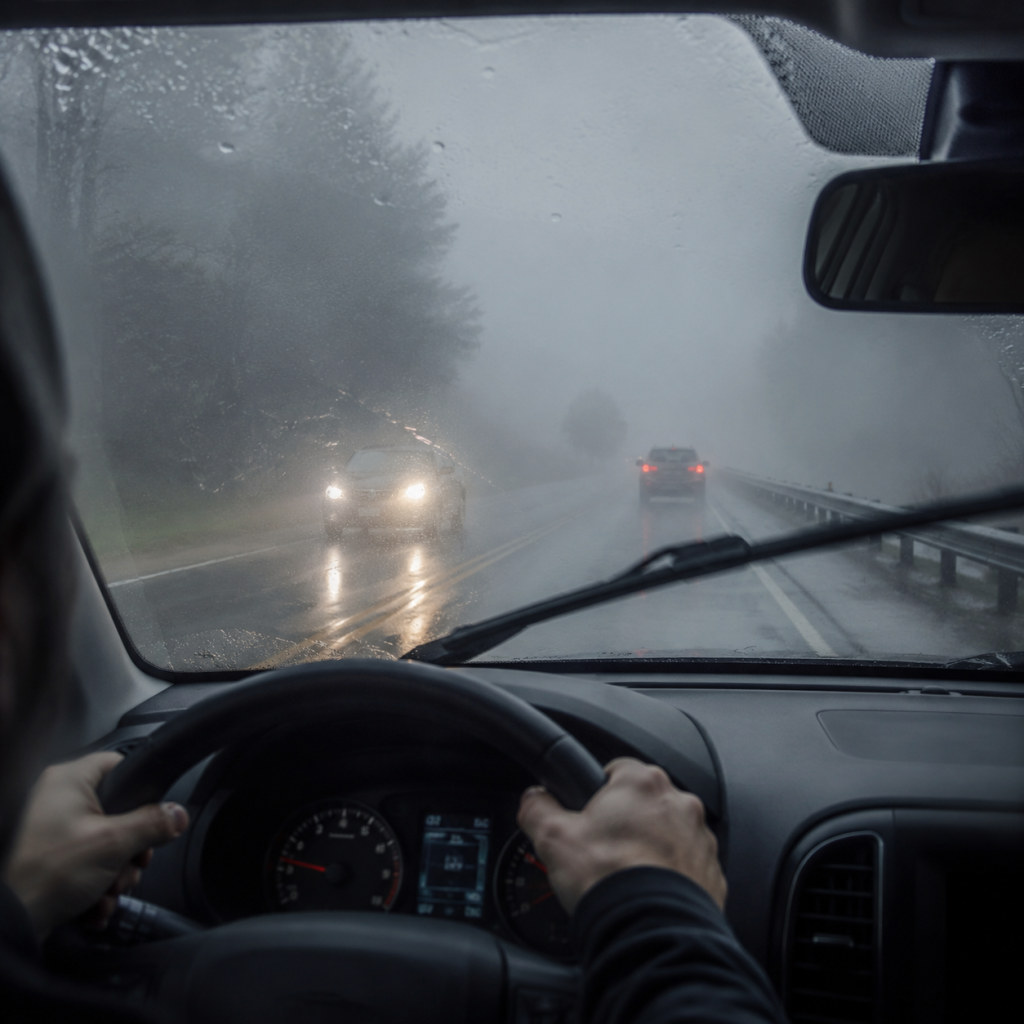
Rain and fog affect visibility in different ways, but both can make driving more demanding and reduce driving visibility in rain and fog.
Rain usually reduces visibility by:
- Blurring windshield glass with water
- Creating glare from headlights and streetlights
- Reflecting light off wet pavement
- Masking lane markings and road edges
- Increasing spray from other vehicles
Fog reduces visibility by:
- Scattering light and creating a white or gray wall
- Making distance harder to judge
- Softening contrast between the road and background
- Hiding pedestrians, cyclists, signs, and stopped vehicles until the last moment
These conditions do not just make it harder to see. They also make it harder to be seen. That is why improving driving visibility in rain and fog is partly about seeing the road better and partly about making your vehicle easier for others to notice.
Start before you drive
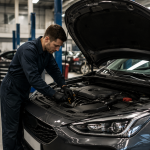
The best visibility strategy begins before you turn the key. A few minutes of preparation can improve driving visibility in rain and fog once the weather turns bad.
Clean every glass surface
Dirty glass becomes much harder to see through in rain and fog. Clean the windshield inside and out, and do the same for the rear window and side windows. Interior film, dust, and streaks can worsen glare at night and in wet weather, directly impacting driving visibility in rain and fog.
Also check:
- Mirrors
- Headlights
- Taillights
- Fog light lenses
- Backup camera lenses if your vehicle has them
A thin layer of grime can reduce contrast just enough to make road details harder to identify.
Check wiper condition
Worn wiper blades are one of the most common reasons rain visibility gets worse. If the blades leave streaks, chatter across the glass, or miss sections of the windshield, they should be replaced to maintain driving visibility in rain and fog.
Good wipers matter because they help maintain a clear view during:
- Steady rain
- Road spray from trucks and SUVs
- Mist and drizzle
- Sudden downpours
If your rear wiper is weak or neglected, it can become just as important as the front ones in wet weather.
Make sure washer fluid is full
Washer fluid helps clear road grime, salt, bug residue, and spray from the windshield. In rain, that buildup can happen faster than many drivers expect. Low washer fluid is a small issue until you need it and discover the reservoir is empty, which can quickly hurt driving visibility in rain and fog.
Use a fluid suitable for the season and climate where you drive. In colder regions, freezing becomes another visibility problem if the washer system is not prepared.
Confirm that exterior lights work
Properly working headlights, brake lights, and turn signals are important in poor visibility because they help other drivers judge your position and movement. In fog and rain, you want your lights clean, aligned, and functioning correctly to support driving visibility in rain and fog.
If one headlight is dimmer than the other or a taillight is out, visibility suffers in both directions.
Use the right lights for the conditions
Lighting is one of the most misunderstood parts of wet-weather and fog driving. Using the wrong lights can reduce visibility instead of improving it. When you focus on driving visibility in rain and fog, the goal is to use lighting that helps you see without creating extra glare.
Use low beams in fog and heavy rain
Low beams usually work better than high beams in fog because high beams bounce light back toward you. That reflection can create glare and reduce contrast, making the road even harder to see and worsening driving visibility in rain and fog.
Low beams:
- Aim light lower and closer to the road
- Reduce backscatter in fog
- Help illuminate lane edges and nearby hazards more clearly
In heavy rain, low beams are usually the safer choice too, especially when visibility is reduced by spray and reflected light.
Use fog lights only when appropriate
If your vehicle has fog lights, they may help in dense fog or heavy spray by placing light low and wide. But they are not a substitute for proper headlights, and they should not be used when conditions no longer justify them.
In some places, fog light rules vary. It is smart to understand your local requirements and use them responsibly.
Avoid high beams in fog
High beams are helpful on dark, open roads when visibility is otherwise good, but in fog they often make things worse. The light reflects off the water droplets in the air and can create a bright wall in front of the vehicle, reducing driving visibility in rain and fog.
If you cannot see far ahead because of fog, high beams usually do not solve the problem.
Improve driving visibility with speed and distance
One of the most effective ways to improve driving visibility in rain and fog is to reduce speed before the conditions become severe. Lower speed gives you more time to identify hazards, process what you see, and react smoothly.
Driving too fast in rain or fog shortens the amount of time you have to:
- Notice brake lights ahead
- See lane changes
- Spot pedestrians near the road
- React to stopped traffic
- Avoid hydroplaning or sudden lane drift
The key is not just to drive slower, but to match speed to what you can actually see. If you cannot clearly identify what is ahead, the road is telling you to ease off and improve driving visibility in rain and fog.
Increase following distance
In poor visibility, the safe gap between vehicles should be larger than usual. A longer following distance gives you more room to react if the driver ahead brakes suddenly or if a hazard appears in the lane, improving driving visibility in rain and fog by buying time.
It also helps because:
- Spray from the vehicle ahead is less intense at a distance
- You have more time to judge traffic flow
- Braking feels smoother and less abrupt
- You reduce the chance of being surprised by sudden stops
Tailgating is especially risky in fog because you may not realize how little you can see until the vehicle in front of you slows down.
Reduce interior distractions and glare
Visibility problems are not always caused by weather alone. Sometimes the cabin itself makes it harder to see, which directly affects driving visibility in rain and fog.
Dim dashboard lighting if needed
A bright dashboard can make it harder for your eyes to adapt to darker surroundings, especially at night in rain or fog. If your interior lights are too bright, consider reducing them to a comfortable level.
Limit screen glare
Navigation screens, infotainment displays, and phone screens can create unnecessary brightness. In poor visibility, keep only the information you actually need on display.
Keep windows and mirrors defogged
Fogging inside the cabin can be just as limiting as fog outside. Use:
- Defrost settings
- Air conditioning if it helps dry the air
- Recirculation only when appropriate
- Proper cabin airflow across the windshield
Side windows and mirrors can also fog up, so check them before merging, turning, or changing lanes. Clear glass is essential for driving visibility in rain and fog.
Know how to use your defrost and climate controls
Many drivers wait too long to clear the windshield or use climate settings incorrectly. In rain and fog, the right HVAC settings can make a major difference for driving visibility in rain and fog.
For windshield fogging inside the car
Try:
- Defrost mode
- Warm or cool air depending on conditions
- Air conditioning to remove moisture from the cabin
- Fresh air intake if recirculation is trapping humidity
For rainy conditions
Air conditioning can still help by removing humidity from the interior, even when the weather is damp. A slightly drier cabin means less window fogging, which supports driving visibility in rain and fog.
Watch the road surface, not just the car ahead
Gentle braking helps maintain stability and reduces the chance of skidding on slippery pavement. It also gives drivers behind you more time to respond.
Avoid sudden steering input
Fast lane changes, sharp turns, and sudden corrections can reduce traction on wet pavement. Smooth steering is easier to control and easier for others to anticipate.
Be careful in standing water
Deep water can:
- Hide potholes
- Reduce tire grip
- Increase hydroplaning risk
- Throw spray into your windshield and mirrors
If you cannot judge the depth, the safest choice is usually to slow down or avoid it when possible. This protects driving visibility in rain and fog by keeping your view clearer.
Adjust your driving style for fog
Fog requires a different mindset. You are not trying to “push through” fog. You are trying to manage uncertainty to maintain driving visibility in rain and fog.
Use lane position carefully
Stay centered in your lane, and rely on lane markings only when they are clearly visible. In dense fog, road edges may be more reliable than distant objects, but only if they are easy to see.
Watch for stop-and-go traffic
Fog can create chain-reaction risk because vehicles slow at different rates and visibility varies by lane. Leave more space than usual and avoid sudden lane changes unless necessary to reduce sudden surprises that reduce driving visibility in rain and fog.
Expect things to appear suddenly
A stopped vehicle, slow-moving truck, or person near the shoulder may seem to emerge from nowhere. In fog, that is a visibility problem, not necessarily a surprise hazard. The solution is to reduce speed and increase awareness before the hazard appears.
When lane markings disappear
Rain and fog often make markings difficult to see. This is especially common at night or on worn roads, which can seriously affect driving visibility in rain and fog.
Helpful strategies include:
- Following visible markings as long as they remain clear
- Using road edges carefully without drifting too close to shoulders
- Avoiding “searching” back and forth, which can increase driver stress
- Slowing down rather than forcing a guess about lane position
If the road markings are extremely faint, it is often better to pull over safely and wait for conditions to improve than to continue with poor lane visibility.
Extra help from driver-assistance technology
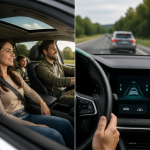
Modern safety features can support visibility, especially when weather and lighting combine to make driving harder. Forward cameras, lane-keeping aids, blind-spot monitoring, and automatic emergency braking may all help with awareness in certain situations and can complement driving visibility in rain and fog.
Still, these systems have limitations in rain, fog, and heavy spray. Camera-based systems can be affected when contrast drops or lenses are obscured by water and grime. That is why the driver should always treat technology as a support tool, not a replacement for attention and safe decision-making that maintain driving visibility in rain and fog.
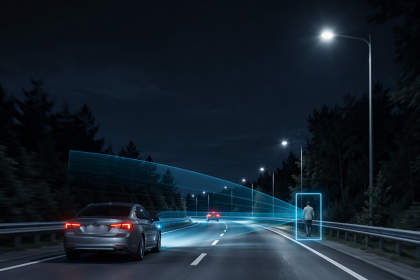
Some drivers who regularly travel at night or through poor-visibility areas also look at aftermarket safety upgrades. Robofinity InsightDrive is one such example, using AI-powered thermal imaging to help detect heat signatures from pedestrians, animals, vehicles, and obstacles in dark or low-visibility conditions. Even so, it remains a driver-assistance tool rather than a substitute for headlights, mirrors, or careful judgment.
For more on visibility and safety in tough weather, see also Safe Driving in Fog: 10 Lifesaving Tips to Avoid Disaster.
Related reading: Car Thermal Cameras: Can They Improve Driving Safety?
Smart habits for highway driving in rain and fog
Highway conditions deserve special caution because traffic moves faster and visibility can drop quickly over long distances. Good habits protect driving visibility in rain and fog and reduce reaction time pressure.
Good highway habits include:
- Staying in the lane with the clearest markings
- Avoiding sudden merges or lane changes
- Watching for spray from trucks and buses
- Leaving extra distance from larger vehicles
- Being especially careful near exits and construction zones
Fog can be patchy on highways, meaning visibility may change from one stretch to the next. Do not assume the road ahead will stay clear just because it looks manageable for a few seconds.
Smart habits for rural roads
Rural roads often combine several visibility challenges: no streetlights, narrow shoulders, wildlife, and fog that settles in low areas. Rain can also reflect off dark pavement and hide potholes or road edges, making driving visibility in rain and fog even tougher.
On rural roads:
- Slow down before blind curves and dips
- Watch for animals at dawn, dusk, and night
- Be cautious around fields, tree lines, and unlit driveways
- Avoid overdriving your headlights, especially in fog
This is one of the situations where visibility support matters most, because hazards may appear with very little warning.
When to pull over
Sometimes the safest way to improve driving visibility in rain and fog is to stop driving for a while.
Consider pulling over if:
- You cannot clearly see lane markings
- Fog is too dense to judge distance safely
- Heavy rain is causing standing water or severe spray
- Your windshield keeps fogging despite defrost settings
- You feel forced to drive too slowly for traffic around you
If you do pull over, choose a legal, safe location away from traffic. Do not stop in a travel lane or on a shoulder with poor separation unless there is no safer option.
Common mistakes drivers make in rain and fog
A few mistakes show up repeatedly in poor-visibility driving and often reduce driving visibility in rain and fog.
Using high beams in fog
This often increases glare and reduces what you can actually see.
Driving too close to other vehicles
Following closely can make spray worse and reduce reaction time.
Ignoring dirty glass
Even a little grime can make nighttime rain driving harder than it needs to be, because reflections and glare scatter more light.
Moving too fast for the conditions
Speed limits are not always the same as safe speed in severe weather.
Depending too much on technology
Driver-assistance features can help, but they do not replace judgment, traffic awareness, or proper vehicle maintenance.
FAQ
Should I use fog lights in rain?
Fog lights can help in some heavy rain situations if visibility is reduced, but they should be used only when appropriate and according to local rules. They are not a substitute for low beams or for improving driving visibility in rain and fog through speed and following distance.
Are high beams ever useful in fog?
Usually no. High beams tend to reflect off fog and reduce visibility. Low beams are generally a better choice for driving visibility in rain and fog.
What is the most important thing to do first when visibility drops?
Slow down early and increase following distance. That gives you more time to react to hazards you may not see clearly and helps restore driving visibility in rain and fog as conditions worsen.
Can cleaning the windshield really make that much difference?
Yes. Dirty glass can add glare, reduce contrast, and make headlights or streetlights scatter more in wet weather, making it harder to maintain driving visibility in rain and fog.
How do I stop the windshield from fogging inside?
Use defrost mode, manage cabin humidity, and adjust airflow so moisture is removed from the glass. Air conditioning can help dry the cabin air and support driving visibility in rain and fog.
Is driver-assistance technology enough in rain and fog?
No. It can support awareness, but it does not replace safe driving habits, proper lighting, or driver attention required to maintain driving visibility in rain and fog.
Conclusion
Improving driving visibility in rain and fog comes down to preparation, lighting, speed control, and calm decision-making. Clean glass, working wipers, correct light usage, and a larger following distance can make a meaningful difference before the weather becomes stressful.
Just as important, drivers should know when to slow down, when to rely less on assumptions, and when to wait for conditions to improve driving visibility in rain and fog. For people who frequently drive at night, on rural roads, or in other poor-visibility conditions, additional driver-assistance technology may also be worth exploring as part of a broader safety plan.
For general safety guidance on driving in adverse weather, see the U.S. National Highway Traffic Safety Administration’s tips for driving in bad weather: NHTSA driving safety tips. The goal is not to replace careful driving, but to give yourself more awareness when the road is harder to read.