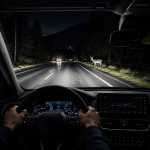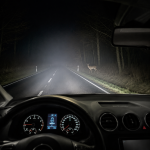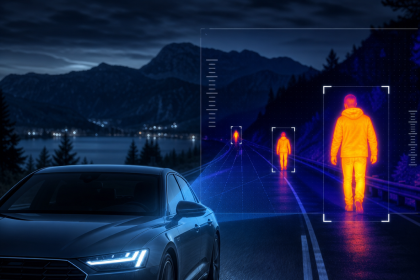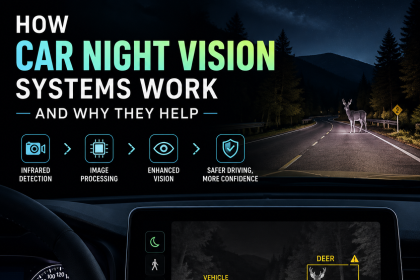
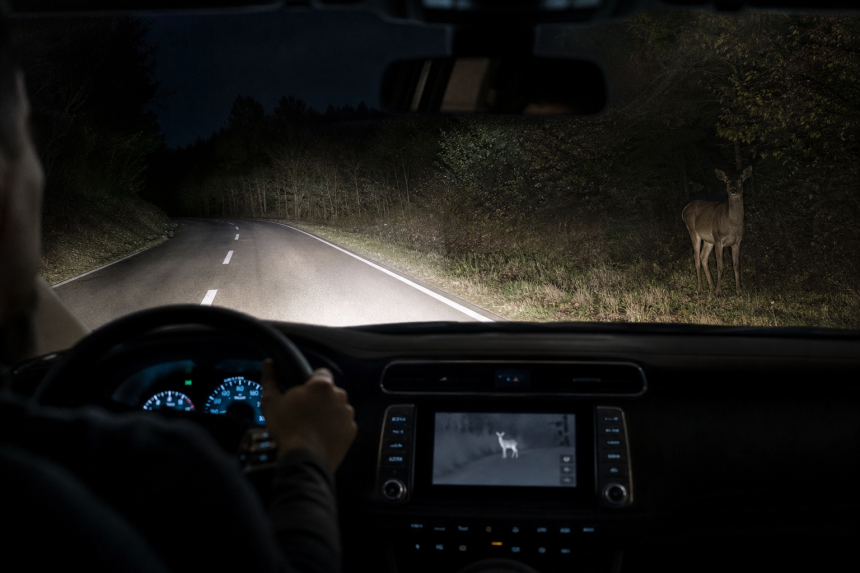
Thermal cameras detect animals at night by sensing heat differences instead of relying on visible light. That means warm-bodied wildlife and other hazards can stand out even when darkness, shadows, and poor street lighting make them hard to see with a normal camera.
- How Thermal Cameras Detect Animals
- Why Animals Stand Out More at Night
- What Thermal Cameras Are Good At
- Where Thermal Cameras Have Limits
- Small or low-heat animals can be harder to spot
- Distance affects detail
- Weather can reduce usefulness
- Background heat can confuse the image
- It is an awareness tool, not a driving substitute
- Motion and camera placement matter
- Why Thermal Imaging Matters for Night Driving Safety
- How Thermal Cameras Compare With Regular Headlights
- Best Driving Situations for Thermal Animal Detection
- What Drivers Should Look For in a Thermal Camera System
- Display clarity
- Detection range
- Recognition features and assistance
- Real-time alerts
- Durability and real vehicle use
- Thermal Cameras vs Night Vision Cameras
- Can Thermal Cameras Prevent Animal Collisions?
- Practical Habits That Still Matter
- Who Might Benefit Most From Thermal Animal Detection
- Buying Considerations Before You Choose a System
- FAQ
- Can thermal cameras see animals in complete darkness?
- Do thermal cameras work in rain or fog?
- Can a thermal camera tell exactly what animal it is?
- Are thermal cameras better than headlights for detecting animals?
- Do thermal cameras replace the need to slow down at night?
- Are thermal cameras useful only for wildlife?
- Conclusion
Even so, thermal imaging is not a guarantee. It works best as an awareness tool that supports safer decisions on routes where animals often cross.
Table of Contents
- How Thermal Cameras Detect Animals
- Why Animals Stand Out More at Night
- What Thermal Cameras Are Good At
- Where Thermal Cameras Have Limits
- Why Thermal Imaging Matters for Night Driving Safety
- How Thermal Cameras Compare With Regular Headlights
- Best Driving Situations for Thermal Animal Detection
- What Drivers Should Look For in a Thermal Camera System
- Thermal Cameras vs Night Vision Cameras
- Can Thermal Cameras Prevent Animal Collisions?
- Practical Habits That Still Matter
- Who Might Benefit Most From Thermal Animal Detection
- Buying Considerations Before You Choose a System
- FAQ
- Conclusion
How Thermal Cameras Detect Animals
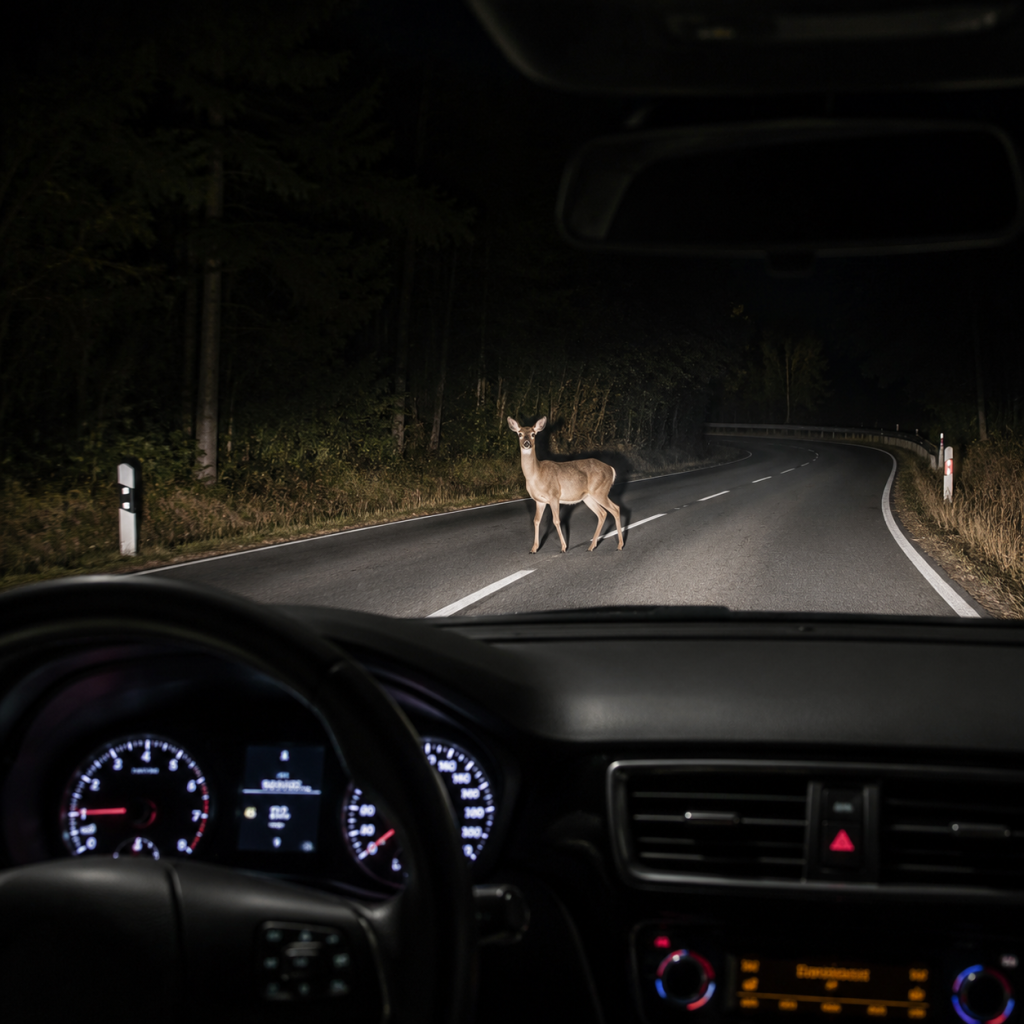
Thermal cameras detect infrared energy, which is the heat emitted by objects. Warm-bodied animals usually stand out because they are warmer than the cooler road, shoulder, grass, or trees around them.
In practice, the display is not a normal photo. It is a heat-based image. A deer crossing a dark roadside, a dog near a shoulder, or a stray animal in fog may appear as a bright or distinct shape depending on the camera, the scene, and the temperature contrast.
This is why thermal imaging is often discussed in the context of night driving safety. The technology is designed to help reveal hazards that may be hard to see with regular headlights alone—especially when thermal cameras detect animals in darkness more clearly than a visible-light feed.
For readers comparing vehicle safety options, Automotive Thermal Night Vision System: What Is It? explains how these systems fit into modern driving assistance.
Why Animals Stand Out More at Night
At night, the surroundings cool down while animals keep generating body heat. That temperature difference can make wildlife easier to detect than they would be in daylight using ordinary visible-light cameras. Thermal cameras detect animals best when contrast is strong and the animal is not blocked by objects.
The effect is especially useful when:
- An animal blends into dark roadside scenery.
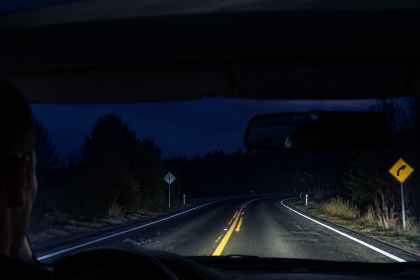
- Headlights do not fully illuminate the shoulder, ditch, or brush line.
- Fog, rain, or glare reduces visibility for normal cameras and human sight.
- A driver is traveling on a rural road with limited street lighting.
Thermal cameras do not work like magic, though. If an animal is partially hidden behind vegetation, behind a barrier, or very far away, the thermal signature may be incomplete or arrive later in the drive. Thermal cameras detect animals, but they cannot see through solid objects.
What Thermal Cameras Are Good At
Thermal cameras are strongest when the hazard gives off enough heat to stand out from the background. That includes many common nighttime road risks, and it is one reason thermal cameras detect animals effectively in the right conditions.
They can be useful for detecting:
- Deer and other large wildlife
- Dogs and cats near roads or driveways
- Livestock near rural routes
- Pedestrians in dark areas
- Vehicles or obstacles that retain heat
For drivers, that means the camera may help provide earlier awareness than headlights alone in some situations. The key benefit is not perfect identification. It is improving the chance of noticing a hazard that could otherwise remain difficult to see until it is too close.
To see how this technology supports real-world driving, Vehicle Mounted Thermal Camera: 7 Best Features covers practical features that matter in a road-ready setup.
Where Thermal Cameras Have Limits
A thermal camera can detect animals at night, but the limitations matter as much as the benefits—because thermal cameras detect animals differently depending on what the camera is seeing.
Small or low-heat animals can be harder to spot
A large deer is easier to detect than a small rabbit or a cold animal that is not creating much contrast. Thermal cameras detect animals, but small warm bodies may appear as vague shapes rather than clear outlines.
Distance affects detail
Thermal systems may detect a warm object far ahead, but detection is not the same as clear identification. With distance, an image can show “there is heat” without making it obvious what it belongs to.
Weather can reduce usefulness
Rain, snow, fog, and road spray can all affect the image. Thermal imaging often still works better than visible light in poor visibility, but the scene can become less clear and harder to interpret.
Background heat can confuse the image
Hot pavement, recently driven vehicles, exhaust heat, or sun-warmed surfaces can make the thermal picture busier. This does not make thermal cameras ineffective, but it can make the display harder to read quickly.
It is an awareness tool, not a driving substitute
A thermal camera is one part of driver-assistance technology. It should not replace headlights, mirrors, braking distance, speed control, or active scanning of the road. Drivers still need to make decisions using normal driving principles, not just the thermal view.
Motion and camera placement matter
Even when thermal cameras detect animals, the view can be influenced by motion blur, vibration, and how the camera is mounted. A stable installation with a sensible screen placement helps drivers interpret what they see at speed.
Why Thermal Imaging Matters for Night Driving Safety
Nighttime road safety is different from daytime driving because visibility drops, depth perception changes, and surprise hazards become more dangerous. Animals are a major concern because they can enter the road suddenly and appear from dark shoulders, wooded edges, or open fields.
Thermal cameras detect animals early enough in many cases to support safer responses. Thermal imaging can help in three useful ways:
- It can make heat-emitting hazards more visible in darkness.
- It can give drivers earlier awareness of movement near the roadway.
- It can support scanning on roads where headlights do not fully reveal what is ahead.
That is especially relevant on long-distance drives, mountain roads, rural highways, and other routes where wildlife crossings are more common. Thermal cameras detect animals and can help make the environment easier to read, but drivers still need to slow down and stay alert.
For general driving safety guidance, the National Highway Traffic Safety Administration provides resources that reinforce the importance of speed, attention, and hazard awareness on the road.
How Thermal Cameras Compare With Regular Headlights
Headlights remain essential. They illuminate the road, lane markings, signs, and nearby obstacles. But they have limitations, especially when an animal is outside the strongest beam pattern or is standing in a darker area beside the road.
A thermal camera works differently:
- Headlights light up the scene.
- Thermal imaging highlights heat differences.
Those two views can complement each other. Headlights help you drive the lane. Thermal imaging can help you notice a potential hazard that is not yet obvious in the normal field of view—particularly when thermal cameras detect animals that blend into the background.
That is why thermal cameras are often discussed as an additional driver-assistance upgrade rather than a replacement for standard lighting or careful driving habits. If you want a broader comparison, Thermal Infrared Night Vision vs Infrared Night Vision: What’s the Difference? is a useful follow-up read.
Best Driving Situations for Thermal Animal Detection
Thermal imaging is most useful in specific real-world conditions, especially when thermal cameras detect animals with good contrast and enough time to react.
Rural roads
Rural roads are among the most common places to encounter deer and other wildlife. Limited street lighting and long stretches of dark roadside can make thermal cameras detect animals more effectively than a visible-light feed.
Highways at night
On long, fast roads, drivers have less time to react to unexpected movement. A thermal camera may help reveal an animal near the shoulder before it enters the lane.
Poor visibility
Fog, light rain, snow, glare, and darkness all reduce the effectiveness of normal visual scanning. Thermal cameras can still provide a useful warning signal in these conditions, improving the odds of early awareness.
Driveways and country lanes
Animals often move near homes, farms, and wooded driveways. Thermal imaging can help with awareness in places where the driver is moving slowly but still needs to notice hazards early.
Long trips
Fatigue can reduce attention on extended drives. Thermal cameras detect animals and can provide another reference point when the road environment is difficult to read, without changing the need to take breaks.
What Drivers Should Look For in a Thermal Camera System
If someone is considering a thermal imaging system for animal detection at night, the practical details matter—because thermal cameras detect animals better when the system is designed to be usable while driving.
Display clarity
The driver needs an image that is readable quickly. A clear screen and a sensible layout matter more than flashy effects.
Detection range
Longer range can help with earlier awareness, but it only matters if the system remains usable and understandable at that distance. More reach is not automatically better if the image is too cluttered to interpret.
Recognition features and assistance
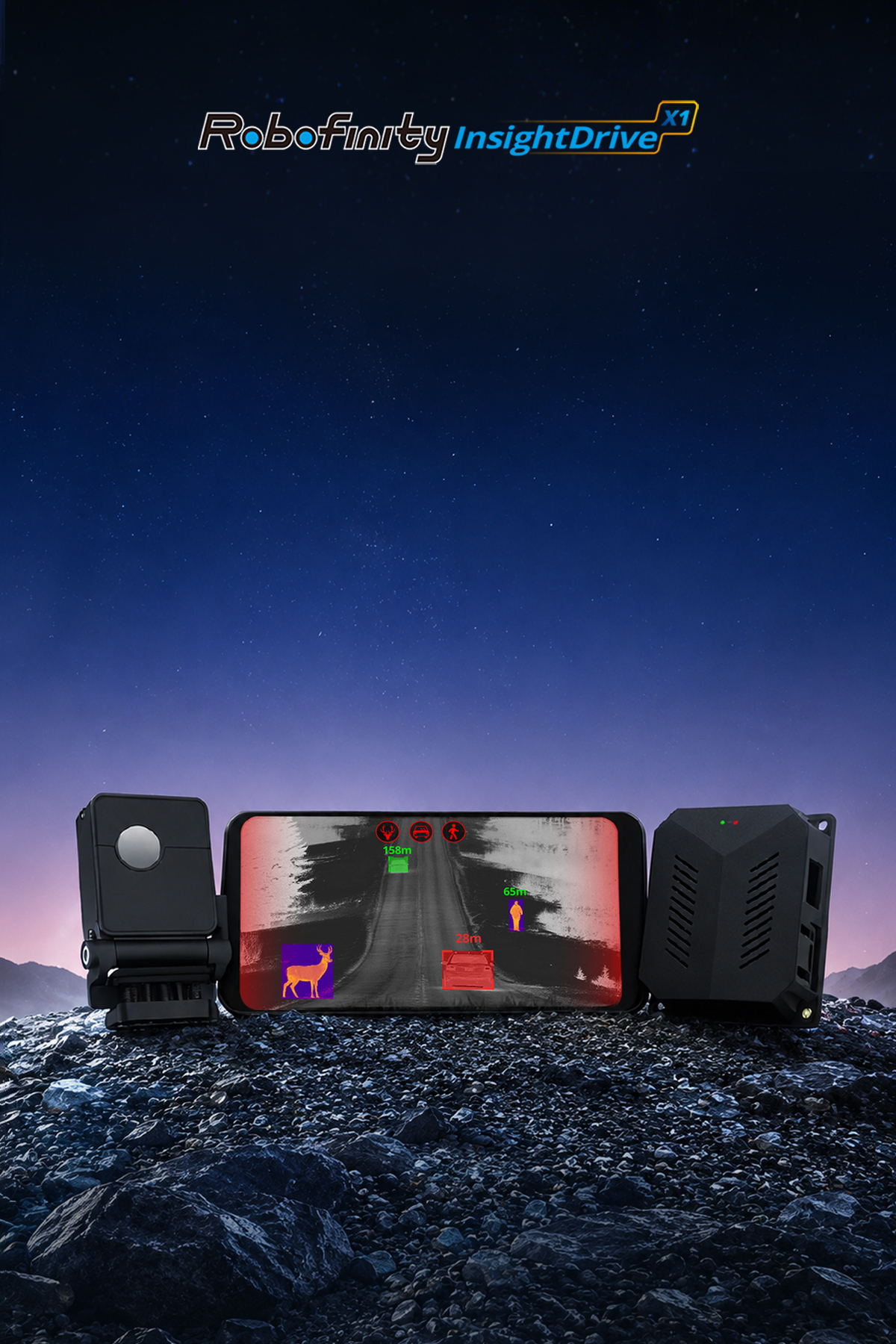
Some systems can distinguish pedestrians, animals, vehicles, and other obstacles more intelligently than a basic thermal feed. That can reduce guesswork, but drivers should still treat the output as a warning, not a guarantee.
Real-time alerts
Alerts can be useful if they are timely and not overly distracting. The goal is awareness of hazards, not constant noise.
Durability and real vehicle use
Outdoor driving means exposure to weather, vibration, heat, and cold. A camera system needs to be built for vehicle use, not just lab conditions.
For example, Robofinity InsightDrive is a vehicle thermal imaging night vision system that uses AI-powered thermal imaging to support awareness of pedestrians, animals, vehicles, and obstacles in low-light environments. It fits into the broader category of aftermarket driver-assistance upgrades rather than replacing the driver’s own judgment.
Thermal Cameras vs Night Vision Cameras
People often group thermal cameras and night vision cameras together, but they are not always the same thing.
A traditional night vision camera usually relies on visible light or near-infrared illumination. It improves the image but still depends on some light or active illumination. Thermal cameras detect heat rather than reflected light.
That difference matters:
- Night vision can show more recognizable scene detail when there is usable illumination.
- Thermal imaging can work better when visible light is extremely limited.
For animal detection at night, thermal cameras detect animals with strong contrast in many conditions. But in some situations, a standard camera may make it easier to recognize lane context or surrounding objects. The best choice depends on how the system is designed and what the driver needs most.
For a vehicle-use perspective, see Thermal Night Vision Camera for a Car: What It Is and How It Works.
Can Thermal Cameras Prevent Animal Collisions?
They can help with awareness, but they cannot prevent every collision. That distinction is important, even when thermal cameras detect animals.
A thermal camera may give a driver more time to notice an animal ahead or near the road. More time can support a safer response. But the outcome still depends on speed, road conditions, animal behavior, braking distance, and driver attention.
A system that helps with detection is useful. A system that claims to guarantee accident prevention is not realistic.
For broader road hazards, Night driving assistance: Who Should Use a Car Night Vision System? ( Guide) discusses who benefits most from night detection tools and how to think about trade-offs.
Practical Habits That Still Matter
Even with thermal cameras detecting animals, safe nighttime driving habits remain the main defense against animal collisions.
Useful habits include:
- Slowing down on known wildlife routes
- Scanning road edges, not just the lane center
- Using high beams when legal and appropriate
- Watching for eye reflection near the shoulder
- Keeping a safe following distance
- Staying off the phone and minimizing distraction
- Being extra careful at dawn and dusk
Thermal imaging supports these habits, but it does not replace them. When thermal cameras detect animals, the next step is still driver judgment—adjust speed, steer smoothly, and give yourself time to brake.
Who Might Benefit Most From Thermal Animal Detection
This kind of technology is not equally useful for every driver. The strongest use cases are usually people who spend time in poor-visibility driving conditions or on routes with wildlife exposure—where thermal cameras detect animals with meaningful contrast.
It may make more sense for:
- Rural drivers
- Commuters on unlit highways
- Families living near wooded areas
- Frequent night travelers
- Drivers who cross mountain or farm roads
- Owners looking for an aftermarket safety upgrade
City drivers may still find value in thermal cameras, but the benefit is often smaller when roads are bright and wildlife exposure is lower.
Buying Considerations Before You Choose a System
If you are thinking about a thermal camera for nighttime animal detection, focus on practical use rather than marketing language. The best systems help thermal cameras detect animals reliably in the situations you actually drive.
Ask whether the system is easy to read quickly, whether the camera view stays stable in motion, and whether alerts help without overwhelming you. Also consider installation, screen placement, and whether the system fits the type of roads you drive most.
A good system should improve awareness without becoming a distraction. That balance matters more than any single spec on its own.
For mobile viewing and monitoring support in some ecosystems, NightRide Thermal app: 5 Powerful Benefits for Safer Monitoring provides an example of how accompanying software can improve how drivers and users interact with thermal data.
FAQ
Can thermal cameras see animals in complete darkness?
Yes. Thermal cameras detect animals by sensing heat, so they do not require visible light to show warm-bodied subjects. In that sense, thermal cameras detect animals even when the road itself is completely dark.
Do thermal cameras work in rain or fog?
Often, yes, but visibility can still be reduced. Thermal cameras detect animals in poor conditions better than many visible-light setups, but they are not immune to heavy weather.
Can a thermal camera tell exactly what animal it is?
Not always. Thermal cameras detect animals as heat shapes, and identification depends on distance, angle, motion, and the quality of the system.
Are thermal cameras better than headlights for detecting animals?
They are different, not better in every way. Headlights illuminate the road, while thermal imaging highlights heat-emitting hazards that can be harder to see.
Do thermal cameras replace the need to slow down at night?
No. Thermal cameras detect animals and can warn you earlier, but they are an awareness aid, not a substitute for safe speed, attention, and braking distance.
Are thermal cameras useful only for wildlife?
No. Thermal cameras can also help detect pedestrians, vehicles, and obstacles depending on the system and conditions.
Conclusion
Thermal cameras detect animals at night because they are built to sense heat, not visible light. That makes them a practical tool for improving road awareness in dark or low-visibility conditions. Their biggest advantage is that warm bodies can stand out even when the road is poorly lit or weather is reducing visibility.
Still, thermal imaging has clear limits. It should be treated as an additional layer of driver assistance, not a replacement for careful driving, good headlights, and proper scanning habits. When thermal cameras detect animals early enough, they can help you respond sooner—but safe speed and attention remain the most important tools on the road.
If your route regularly includes wildlife crossings, thermal cameras detect animals in many cases early enough to support safer decisions. Use them with realistic expectations and driving discipline to get the most benefit.