Driving after dark changes the entire experience behind the wheel. Road markings are harder to see, pedestrians blend into the background, animals appear suddenly, and your reaction time matters more than ever. Because of that, automakers have introduced car night vision systems to help drivers see beyond the reach of headlights. But with these systems usually reserved for premium vehicles and often costing thousands of dollars, a fair question remains: is it worth it on a car?
- What Is Car Night Vision?
- How Night Vision Works in Practice
- The Main Benefits of Night Vision
- 1. Earlier Detection of People and Animals
- 2. Better Confidence on Dark Roads
- 3. Useful in Bad Weather and Low Visibility
- 4. Adds an Extra Layer of Safety
- The Limitations You Should Know
- 1. It Does Not Replace Headlights
- 2. It Can Be Expensive
- 3. It Is Not Perfect at Identifying Every Hazard
- 4. It Can Add Complexity
- 5. Not All Systems Are Equally Good
- Who Benefits Most from Night Vision?
- Who May Not Need It?
- Night Vision vs. Better Headlights
- Real-World Examples
- Example 1: Deer on a Rural Road
- Example 2: Pedestrian in Dark Clothing
- Example 3: City Driving on Bright Streets
- Things to Consider Before Buying
- How Often Do I Drive in the Dark?
- Where Do I Drive Most Often?
- Is the System Easy to Use?
- What Else Comes With the Package?
- Are the Headlights Already Excellent?
- Is Night Vision Worth the Money?
- The Bottom Line
The answer depends on how you drive, where you drive, and what you expect from the technology. Car night vision can be a genuinely useful safety feature in the right circumstances, but it is not a magic replacement for careful driving or good headlights. In this article, we’ll break down what it actually does, how it works, the benefits and limitations, and whether it makes sense for everyday drivers.
- What Is Car Night Vision?
- How Night Vision Works in Practice
- The Main Benefits of Night Vision
- The Limitations You Should Know
- Who Benefits Most from Night Vision?
- Who May Not Need It?
- Night Vision vs. Better Headlights
- Real-World Examples
- Things to Consider Before Buying
- Is Night Vision Worth the Money?
- The Bottom Line
What Is Car Night Vision?
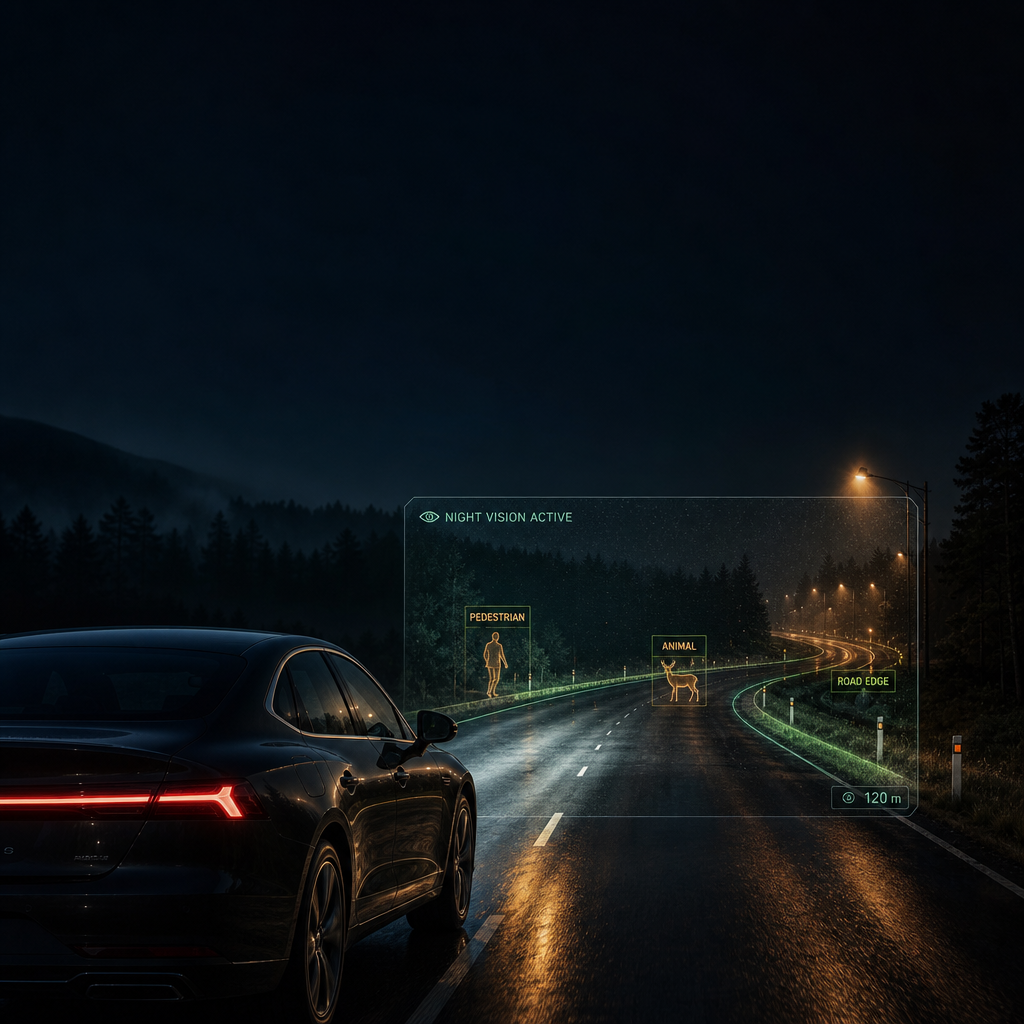
Car Night Vision is a driver-assistance technology that helps identify objects in low-light or nighttime conditions. Unlike standard headlights, which illuminate only what is directly in front of the car, night vision systems can detect people, animals, vehicles, and obstacles farther ahead or outside the beam pattern of the lights.
Most systems use one of two methods:
Infrared Night Vision
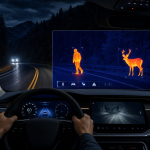
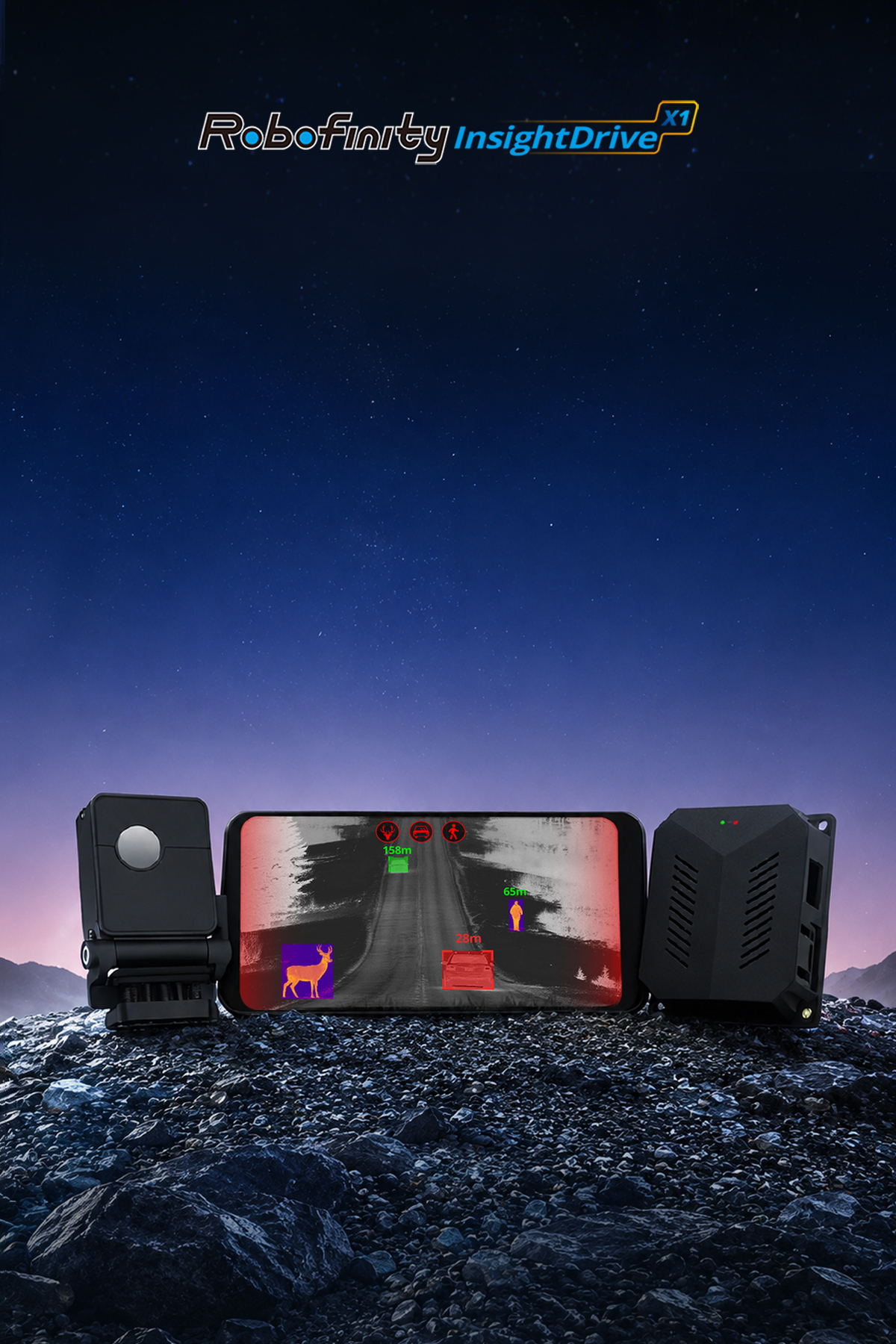
Infrared night vision uses thermal imaging or infrared sensors to detect heat signatures. Since people and animals emit heat, these systems can often spot living things even when visibility is poor. A screen in the dashboard or instrument cluster may show a grayscale or enhanced image of the road ahead, with warm objects standing out clearly. For a deeper breakdown, see this guide to thermal night vision camera for a car.
Active Night Vision
Some systems use infrared light projected ahead of the vehicle and then captured by a camera. This creates a clearer image of the area in front of the car, often displayed on the infotainment screen or head-up display. This type is less about heat detection and more about enhancing visibility in the dark.
In both cases, the goal is the same: to give the driver earlier warning of hazards that may not yet be visible through the windshield.
How Night Vision Works in Practice
A car night vision system usually operates in the background until the car detects something noteworthy. The image may appear on a display near the gauge cluster or be triggered only when the system identifies a potential hazard.
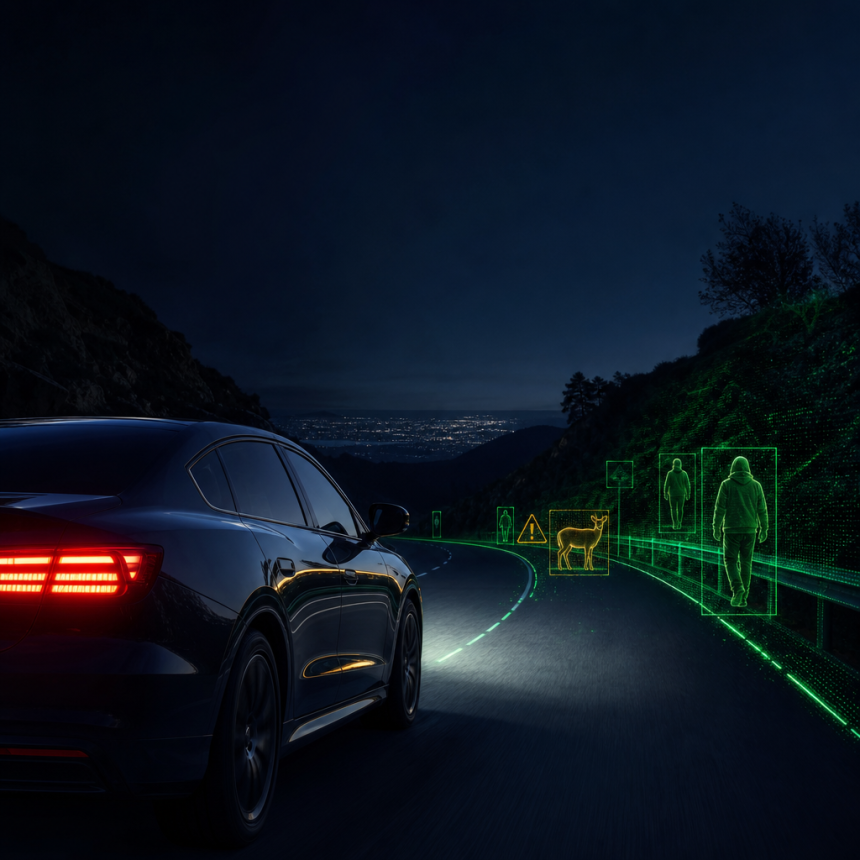
For example, if a pedestrian is walking near the shoulder or crossing the street in a dimly lit area, the system may highlight them with a box or a visual warning. If a deer is standing near the tree line, it may show up on the screen before your headlights reach it.
The driver still has to interpret the information and respond appropriately. Night vision is not autonomous braking, and it does not steer for you. It acts more like an extra set of eyes with a longer reach in the dark.
That same early-warning idea is why many drivers compare it with other safety tech such as automotive night vision and advanced obstacle alerts.
When the system is well designed, car night vision can make the road ahead feel less uncertain. When it is poorly implemented, the screen may feel like just another distraction.
In practice, car night vision is most useful when the driver understands what it can and cannot detect. It may help you notice a person near the shoulder or an animal near the treeline, but it still depends on your attention and judgment.
The Main Benefits of Night Vision
Night vision is not just a gimmick. It can offer real advantages, especially in certain environments and driving conditions.
1. Earlier Detection of People and Animals
One of the biggest benefits is spotting pedestrians and wildlife sooner. A person wearing dark clothing on an unlit road can be very hard to see until they are close. Deer and other animals are even more problematic because they often move unpredictably.
A car night vision system can detect these hazards before your headlights or peripheral vision would normally pick them up, giving you more time to slow down or stop.
That extra time can matter most on roads where car night vision gives you a wider margin for error. Even a few seconds of warning can reduce the chance of a sudden brake maneuver or a close call.
2. Better Confidence on Dark Roads
Drivers who regularly travel on rural roads, poorly lit suburban streets, or highways with limited lighting may feel more confident with night vision. It can reduce uncertainty and help you scan the road more effectively.
That confidence can matter. When you feel less stressed about what might be lurking in the dark, it may improve your overall awareness and comfort behind the wheel.
For some people, car night vision is less about novelty and more about peace of mind. If you know the system is watching for heat signatures ahead, it can make late-night trips feel calmer and more controlled.
3. Useful in Bad Weather and Low Visibility
Although night vision is not a substitute for rain lights, fog lights, or caution, it can sometimes help in low-visibility conditions. Some systems perform well in light fog, mist, or haze because they detect heat or enhance contrast differently than regular headlights.
For additional background on how detection tech works in poor visibility, review the basics of the National Highway Traffic Safety Administration’s safety resources.
That said, performance varies widely by system and conditions.
When visibility drops, car night vision may still show a moving heat source more clearly than the human eye can. That does not mean it solves every low-light problem, but it can make hazard detection easier in certain situations.
4. Adds an Extra Layer of Safety
Modern cars already include many advanced safety features, such as lane departure warnings, blind-spot monitoring, and automatic emergency braking. Night vision can complement those systems by helping the driver detect threats sooner.
For people who prioritize safety technology, it can be a valuable addition, especially if they frequently drive in situations where visibility is poor.
In the broader world of car night vision, this extra layer is one of the main selling points. It is not meant to replace other driver-assistance systems; it is meant to work alongside them.
The Limitations You Should Know
Night vision sounds impressive, but it has real limitations. Understanding those limitations is essential before deciding whether it is worth the money.
1. It Does Not Replace Headlights
This may seem obvious, but it is worth emphasizing: night vision is an assistive feature, not a replacement for proper lighting. It does not fully illuminate the road like headlights do. You still need to rely on your eyes, mirrors, and lighting system.
The display may also distract some drivers if they focus too much on the screen instead of the road itself.
That is why car night vision should be treated as a support tool, not the main source of visibility. If you ignore the road because the display looks clear, the feature loses much of its safety value.
2. It Can Be Expensive
Car Night Vision is typically found on luxury vehicles or as part of expensive option packages. In some cases, it can add several thousand dollars to the price of a car. If you are not already shopping in that segment, the cost may be hard to justify.
Even when bundled with other features, night vision may contribute to a steep increase in trim pricing.
For many buyers, the real question is not whether car night vision works, but whether it works well enough to justify the premium. That depends heavily on your driving habits and the rest of the vehicle’s equipment.
3. It Is Not Perfect at Identifying Every Hazard
Night vision systems are generally best at detecting large heat-emitting objects. That means pedestrians, animals, or vehicles are more likely to show up clearly than road debris, potholes, low objects, or objects that do not emit much heat.
It may also struggle with:
- Glass or reflective surfaces
- Certain weather conditions
- Hot pavement that reduces contrast
- Objects hidden behind other vehicles or obstructions
So while car night vision can highlight obvious threats, it is not a complete substitute for visual scanning. You still need to watch for debris, lane changes, and road surface problems the old-fashioned way.
4. It Can Add Complexity
Like any high-tech feature, night vision can fail, require calibration, or become outdated over time. While systems are usually reliable, they are still additional hardware and software that can introduce maintenance concerns.
If the display is hard to see, the warnings are delayed, or the interface is poorly designed, the feature loses much of its value.
Some drivers also find car night vision less helpful after the initial excitement fades. If the interface takes too much attention, the system may not feel like a meaningful upgrade in everyday use.
5. Not All Systems Are Equally Good
Night vision quality varies significantly by manufacturer and model. Some systems produce crisp, useful images and helpful alerts. Others are clunky, low-resolution, or awkwardly placed on the screen, making them more novelty than necessity.
A feature may sound impressive on paper but disappoint in real-world use.
This is especially true with car night vision features that look advanced in a brochure but are less intuitive once you are actually driving in the dark.
Who Benefits Most from Night Vision?
Car Night Vision is not for everyone, but for certain drivers it can make a real difference.
Rural Drivers
If you live in the countryside or regularly drive on unlit roads, night vision may be especially valuable. Wildlife collisions are a major concern in rural areas, and earlier warning can be the difference between avoiding an animal and hitting it.
For these drivers, car night vision can be one of the most useful safety upgrades available. It is especially helpful where deer, elk, or other large animals are common.
Frequent Night Drivers
People who often drive after dark, especially on highways or roads with limited lighting, may appreciate the extra visibility. Commuters with late shifts, rideshare drivers, and delivery drivers can all benefit in different ways.
When night driving is part of your routine, car night vision is more likely to earn its keep. The feature gets used often enough that its advantages become easier to notice.
Drivers in High-Wildlife Areas
If your area is known for deer, elk, moose, or other large animals crossing roads, night vision can be a meaningful safety aid. Large animals are often hard to spot until they are dangerously close, and a thermal system may detect them earlier than standard headlights.
In those regions, car night vision may feel less like a luxury and more like practical insurance against a very real risk.
Safety-Focused Buyers
Some drivers simply want the most advanced safety technology available. If you already value features like adaptive cruise control, lane centering, and automatic braking, night vision may fit your priorities.
For those shoppers, car night vision can be appealing because it adds another layer of awareness in exactly the situations where human vision is weakest.
Who May Not Need It?
Night vision is less compelling for some drivers.
City Drivers with Good Street Lighting
If you mostly drive in urban or suburban areas with bright streetlights and heavy traffic, the benefit is reduced. In those environments, your main hazards are often already visible, and pedestrian detection systems or headlights may be enough.
For many city drivers, car night vision is a nice extra but not a game-changing feature. The money may be better spent on other upgrades that you will use more often.
Budget-Conscious Buyers
If night vision is only available on a much more expensive trim, you should consider whether that money would be better spent on other upgrades such as better headlights, driver assistance features, or a higher-quality tire package.
A car night vision package can be tempting, but a practical buyer should compare it against upgrades that improve everyday driving in more noticeable ways.
Drivers Who Rarely Drive at Night
If your driving is mostly during daylight hours, night vision will likely see very little use. In that case, it is hard to justify the added cost.
For those drivers, car night vision may simply sit unused for most of the year, which makes it a poor value even if the technology itself is impressive.
Night Vision vs. Better Headlights
Before deciding whether car night vision is worth it, it helps to compare it with one of the most important features for nighttime driving: headlights.
Good Headlights Are Often More Important
Modern LED headlights, adaptive headlights, and matrix-style lighting systems can dramatically improve nighttime visibility. In many cases, better headlights provide more practical value than night vision because they directly illuminate the road ahead.
If you are choosing between a car with night vision and one with superior headlights, the better lighting setup may be the smarter buy.
That does not mean car night vision has no value. It just means that visibility starts with good lighting, and night vision should be seen as a supplement to that foundation.
Night Vision Is a Supplement
Night vision works best when paired with excellent headlights. Think of it as a tool that enhances detection, not illumination. The two features serve different purposes:
- Headlights help you see the road
- Night vision helps you detect hazards earlier
If a vehicle offers both, that can be an excellent combination. But night vision alone does not solve the core challenge of dark-road driving.
In other words, car night vision is strongest when it supports a strong baseline of lighting, visibility, and driver attention.
Real-World Examples
To understand the value of car night vision, it helps to picture a few common scenarios.
Example 1: Deer on a Rural Road
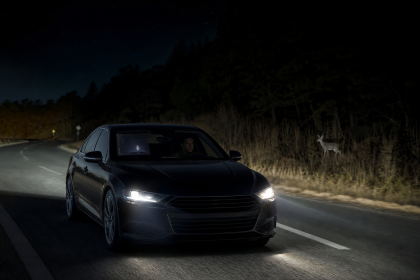
You are driving home on a two-lane road with no streetlights. A deer is standing near the edge of the pavement, partially hidden in the darkness. Your headlights don’t clearly reveal it yet, but the thermal system identifies the heat signature and alerts you. You have time to brake before the deer jumps into the road.
In this case, the feature could prevent a major collision.
Example 2: Pedestrian in Dark Clothing
You are driving in a quiet suburban area, and a pedestrian is crossing the street outside a crosswalk. Because they are wearing dark clothing and standing in a shadow, they blend into the background. The night vision system highlights them earlier than your eyes would have noticed.
Again, the system provides valuable early warning.
Example 3: City Driving on Bright Streets
You mostly drive downtown on well-lit roads. Cars, cyclists, pedestrians, and intersections are already visible thanks to street lighting and traffic. Night vision may occasionally help, but you are unlikely to notice a dramatic improvement in daily use.
Here, the feature may not feel worth the extra expense.
These examples show why car night vision is so dependent on environment. The same system that feels essential on a rural highway may feel unnecessary in a dense city.
Things to Consider Before Buying
If you are shopping for a car with night vision, ask yourself these questions:
How Often Do I Drive in the Dark?
The more nighttime driving you do, the more value the system may provide. Occasional use may not justify the cost.
Where Do I Drive Most Often?
Rural roads and wildlife-heavy areas offer the biggest advantage. Urban areas generally offer less benefit.
Is the System Easy to Use?
The best car night vision features are intuitive and visible without distracting you. If the display is poorly integrated or difficult to interpret, the feature may be less useful than it sounds.
What Else Comes With the Package?
Night vision is sometimes bundled with other features like premium audio, upgraded interior materials, or a head-up display. You should determine whether you actually want those extras or are paying for a bundle just to get one technology.
Are the Headlights Already Excellent?
If the car has outstanding headlights and robust safety systems, night vision may be a nice bonus rather than a must-have.
It also helps to read independent reviews and safety guidance before deciding. Manufacturer demos often make car night vision look more impressive than it feels in a normal commute.
Is Night Vision Worth the Money?
For many buyers, the answer is: sometimes, but not always.
Car Night Vision is worth it if:
- You drive frequently at night
- You live in a rural or poorly lit area
- Wildlife collisions are a real concern
- You value advanced safety tech and can afford the upgrade
- The system is well implemented in the vehicle you are considering
Night vision is probably not worth it if:
- You mostly drive in well-lit urban areas
- You rarely drive after dark
- The option costs a significant amount more
- The vehicle already has excellent headlights and good safety features
- You are buying it mainly because it sounds impressive, not because it fits your driving habits
In other words, night vision is a situational feature. For the right driver, it can be genuinely useful and even potentially accident-preventing. For others, it is more of a luxury novelty than a necessity.
If your routine includes long stretches of darkness, car night vision may feel worth every dollar. If not, it may be smarter to choose a vehicle with better headlights and broader safety coverage.
The Bottom Line
So, is car night vision worth it on a car? Yes, if your driving environment makes darkness a real hazard. It can provide earlier warnings about pedestrians, animals, and obstacles that are difficult to see with headlights alone. That added awareness can improve confidence and safety, especially on rural roads and during frequent nighttime driving.
But for many drivers, the value is limited by cost, imperfect performance, and the fact that good headlights already do most of the heavy lifting. If you drive mostly in cities or rarely at night, the money may be better spent elsewhere.
For readers comparing similar options, this overview of a thermal imaging obstacle detection system can help you weigh the trade-offs. And if you want to see how this technology fits into broader lighting and detection systems, the comparison with thermal imaging and other driver-assistance tools is also useful.
The smartest way to judge it is not by the feature name, but by your real-world driving needs. If night vision matches those needs, it can absolutely be worth it. If not, it may be one of those high-tech options that sounds more impressive than it is useful.