SEO Title: 10 Things to Check When Choosing a Car Thermal Night Vision System
- How Car Thermal Night Vision Works
- 1. Check the Useful Detection Range, Not Just the Maximum Number
- 2. Evaluate the Field of View
- 3. Look Closely at Thermal Image Quality and Refresh Rate
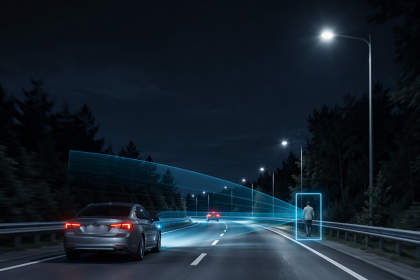
- 4. Verify Pedestrian, Animal, and Vehicle Recognition
- 5. Assess How Alerts Are Prioritized
- 6. Inspect the Display and Driver Interface
- 7. Confirm Performance in Relevant Weather and Road Conditions
- 8. Examine Installation, Compatibility, and Calibration
- 9. Check Camera Durability and Maintenance Requirements
- 10. Review Support, Updates, Warranty, and Total Ownership Cost
- A Simple Buyer Evaluation Framework
- Define Your Main Scenario
- Compare Evidence, Not Feature Counts
- Calculate the Installed Cost
- Confirm the Return and Service Process
- What Thermal Night Vision Cannot Do
- Frequently Asked Questions
- Is thermal night vision better than a regular night vision camera?
- Can a car thermal camera see through fog or rain?
- Does thermal night vision work through a windshield?
- Is professional installation necessary?
- Are pedestrian and animal alerts always accurate?
- Is an aftermarket thermal night vision system legal?
- Conclusion
Meta Description: Learn what to look for in car thermal night vision system features, including detection, alerts, display quality, installation, and support.
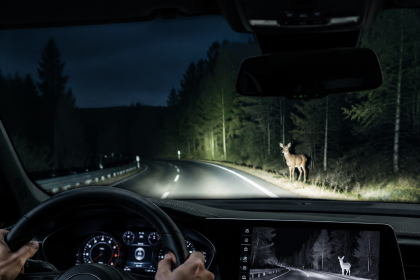
Driving at night can make pedestrians, animals, stopped vehicles, and roadside hazards difficult to recognize in time, particularly on unlit rural roads or in poor weather. If you are researching what to look for in car thermal night vision system technology, focus on practical performance rather than an impressive-looking specification list. Detection range, image clarity, alert behavior, installation quality, and long-term support all affect whether a system will be genuinely useful from the driver’s seat.
This is primarily a buying-decision and product-technology question. A good thermal imaging system should support earlier road awareness without distracting the driver or creating false confidence. The following ten checks provide a practical framework for comparing systems, evaluating product information, and asking installers the right questions.
How Car Thermal Night Vision Works
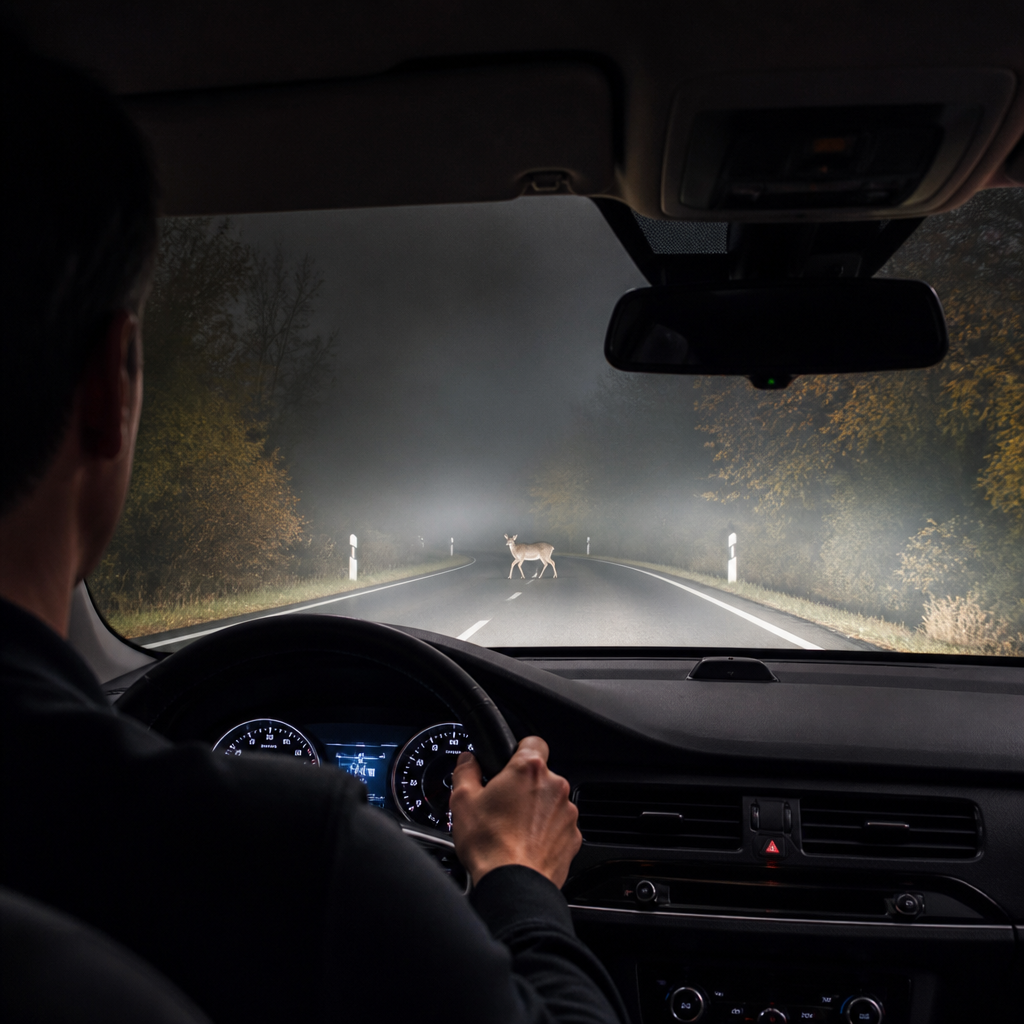
A thermal night vision camera detects infrared energy associated with heat and converts the differences it observes into a visible image. Warm road users, including people and many animals, may therefore stand out from a cooler background even when ordinary visible-light cameras struggle to produce a useful picture.
That distinction matters. A conventional low-light camera attempts to amplify available light or uses infrared illumination to create an image. A thermal imaging system does not depend on visible light in the same way, making it potentially useful on dark roads and in scenes affected by headlight glare.
Thermal imaging still has limitations. It cannot see through solid objects, and environmental conditions can reduce contrast or obscure the road. Heavy precipitation, dirty camera optics, warm surroundings, road spray, and certain mounting positions can all affect image usefulness. A thermal display also does not show every visual detail that a normal camera captures, such as the color of a traffic signal or the wording on a road sign.
The technology should therefore be treated as an additional source of information, not as a substitute for headlights, mirrors, appropriate speed, safe following distance, or continuous attention.
1. Check the Useful Detection Range, Not Just the Maximum Number
Detection range is often one of the first specifications buyers compare. It is important, but a maximum distance alone does not explain what the driver will actually be able to recognize.
Manufacturers may distinguish among three different capabilities:
- Detection: The system identifies that a heat-producing object is present.
- Recognition: It categorizes the object as a pedestrian, animal, or vehicle.
- Identification: It reveals enough information to determine more specific details.
Ask which capability the advertised range describes. A system might detect a small thermal target at a long distance without providing enough detail to classify it reliably. The useful question is whether the product can present actionable information at a distance that matches normal driving conditions.
Your route should shape the decision. Long-range coverage may matter more on dark highways and rural roads, where speeds are higher and hazards can enter the lane unexpectedly. In dense city traffic, a wider view and reliable close-range recognition may be more valuable than a headline maximum range.
Also ask whether the stated figure applies under ideal conditions. Real-world range can vary with target size, weather, temperature contrast, camera cleanliness, mounting height, and road geometry.
2. Evaluate the Field of View
Detection distance and field of view involve a fundamental trade-off. A narrower lens can provide more detail on distant objects, while a wider lens shows more of the roadside and nearby traffic.
A wide horizontal field of view can be useful for:
- Pedestrians approaching a crossing
- Animals near the shoulder
- Cyclists entering from a side road
- Vehicles emerging at intersections
- Hazards on winding roads
An excessively narrow view can create tunnel vision. The display may show the road directly ahead while missing activity near the edges, where pedestrians and animals often first appear. Conversely, a very wide view may make distant objects too small to interpret quickly.
Consider the roads you use most often. Rural drivers may need a balanced view that covers both the lane and roadside. Highway drivers may prioritize greater forward reach. Urban drivers may benefit from broader coverage at lower speeds. Product demonstrations should ideally include relevant driving environments rather than only an open, straight road.
3. Look Closely at Thermal Image Quality and Refresh Rate
A thermal picture does not need to resemble a high-definition television image, but it must be stable and clear enough to interpret with a short glance. Resolution, thermal sensitivity, image processing, lens quality, refresh rate, and display quality all contribute to the result.
Pay particular attention to motion. A low or inconsistent frame rate can make vehicles, pedestrians, and animals appear to jump across the screen rather than move smoothly. That delay may make the display harder to understand while the car is moving. A stable real-time image is especially important on curves, at higher speeds, and in traffic.
When reviewing a demonstration, look for:
- Smooth movement without obvious stuttering
- Clear separation between warm subjects and the background
- Consistent image quality near the edges
- Minimal delay between real movement and the display
- Usable detail at both short and longer distances
- Readable imagery without excessive visual noise
Do not judge the system only from promotional still images. Still frames cannot show video latency, motion handling, or how rapidly exposure adjusts when the scene changes.
4. Verify Pedestrian, Animal, and Vehicle Recognition
A basic thermal camera gives the driver an image to interpret. More advanced driver-assistance technology may also analyze that image and recognize categories such as pedestrians, animals, or vehicles.
Recognition can reduce the time needed to understand a small thermal shape, but the feature should be evaluated carefully. Ask what object classes the system identifies and whether recognition works across the full detection range or only within a shorter zone. It is also useful to know whether the product highlights every recognized target or prioritizes objects according to their position and potential path.
Real-world scenes are complicated. A pedestrian may be partly hidden by a parked car. An animal may stand near warm vegetation or move rapidly from the shoulder. Motorcycles and cyclists present different profiles from larger vehicles. No recognition system should be assumed to classify every target perfectly.
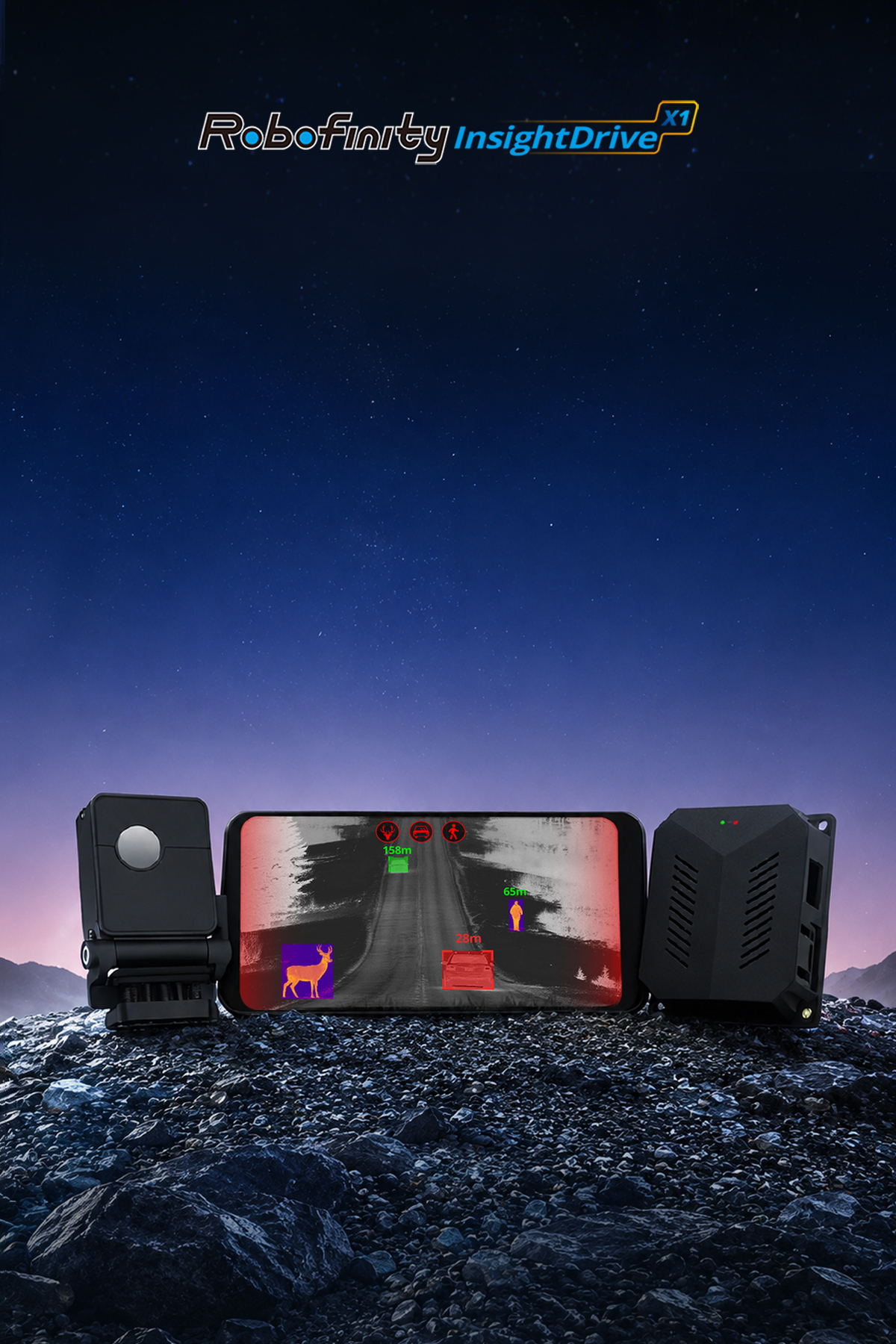
Robofinity InsightDrive is one example of a vehicle thermal imaging night vision system that combines thermal imaging with recognition of pedestrians, animals, and vehicles. Those capabilities illustrate the type of object-specific support buyers can compare, but recognition remains an awareness aid rather than a guarantee that every hazard will be found or categorized correctly.
5. Assess How Alerts Are Prioritized
Detection is useful only if the information reaches the driver in a timely, understandable way. Some systems simply display thermal video, while others add visual markers or real-time alerts.
More alerts are not necessarily better. Frequent warnings for objects that are safely outside the vehicle’s path can cause annoyance and encourage the driver to ignore the system. An effective warning strategy should help distinguish between an object that exists somewhere in the scene and one that may require attention.
Check whether the system:
- Uses clear visual markers around detected objects
- Differentiates among people, animals, and vehicles
- Offers audible warnings, visual warnings, or both
- Allows alert volume or sensitivity to be adjusted
- Prioritizes hazards near the vehicle’s projected path
- Communicates a warning without covering important imagery
The best setup depends partly on the driver. An audible alert can be valuable when the driver is watching the road rather than the screen, but harsh or constant sounds may become distracting. Adjustable alerts are especially useful for drivers who alternate between city streets, highways, and rural roads.
A demonstration should include ordinary traffic, not just carefully selected hazards. This helps reveal whether the warning logic remains manageable in a busy environment.
6. Inspect the Display and Driver Interface
A technically capable camera can still be frustrating if the display is poorly positioned, too bright, difficult to read, or visually cluttered.
Display size is only one consideration. Contrast, viewing angle, brightness control, menu design, and mounting location are equally important. The screen should be visible with a brief glance without blocking the windshield, covering vehicle controls, or forcing the driver to look far away from the road.
At night, excessive screen brightness can affect comfort and compete with the driver’s view outside. Look for automatic or manual dimming that can reduce glare without hiding alert markers. The interface should also make recognized objects obvious without filling the display with labels and boxes.
Before purchase, consider the actual cabin:
- Is there a secure mounting position?
- Will the display interfere with airbags or controls?
- Can both short and tall drivers see it comfortably?
- Does it reflect in the windshield?
- Can brightness be adjusted quickly?
- Are menus usable without extended attention?
A larger display is not automatically safer. Placement and visual restraint matter more than creating a prominent dashboard feature.
7. Confirm Performance in Relevant Weather and Road Conditions
Thermal imaging is often discussed as a solution for darkness, fog, rain, snow, dust, smoke, or headlight glare. Its practical usefulness varies with the severity of each condition, the system’s sensor and processing, and the amount of thermal contrast in the scene.
Light fog may still allow a useful thermal picture when a visible-light camera struggles. Dense fog can attenuate thermal radiation and reduce detection range. Heavy rain, snow, road spray, and material collecting on the lens can also degrade the image. Thermal cameras do not make severe weather transparent.
Temperature matters as well. A warm person can stand out clearly against a cool background, but contrast may be lower when the road, surrounding objects, and target have similar surface temperatures. The resulting image may remain usable, although it may be less distinct than a carefully chosen product demonstration suggests.
Match the evaluation to your driving. A commuter dealing with dark, wet motorways has different needs from a rural driver concerned about deer near the shoulder. Ask for unedited footage from conditions that resemble your routes, and check whether the manufacturer explains performance limitations rather than presenting the technology as unaffected by weather.
8. Examine Installation, Compatibility, and Calibration
Aftermarket thermal night vision typically involves an exterior camera, an interior display or vehicle interface, electrical connections, and routed wiring. Installation quality directly influences durability, image alignment, and reliability.
The camera needs an unobstructed view of the road. A location behind some types of glass or plastic may interfere with thermal sensing, so mounting instructions must be followed. The installer must also consider exposure to water, road debris, vibration, heat, car washes, and minor parking impacts.
Before ordering, confirm:
- Whether the system is compatible with the vehicle’s voltage and electrical architecture
- Whether professional installation is recommended or required
- Where the camera and display can be mounted
- How cables will pass through the cabin and engine-bay areas
- Whether installation requires permanent drilling or trim modification
- How the image is aligned or calibrated
- Whether future removal will leave visible changes
- Whether installation affects any product support terms
Modern vehicles can have sensitive electronics, airbags, factory cameras, parking sensors, radar units, and heated windscreens. Wiring should not interfere with these systems. Improvised power connections and poorly secured cables can create reliability or safety problems, making installer competence as important as the device itself.
9. Check Camera Durability and Maintenance Requirements
The exterior camera operates in a harsh environment. It may encounter water, salt, mud, insects, dust, vibration, freezing conditions, summer heat, and stones thrown from the road. Product literature should explain how the housing, lens, connector, and cable are protected.
An ingress-protection rating can provide useful information about resistance to dust and water under specified test conditions, but it does not answer every durability question. It should not automatically be interpreted as protection against all high-pressure washing, impacts, chemicals, or installation errors.
Maintenance is usually straightforward but should not be ignored. A thin film of road grime can reduce contrast even when the lens looks acceptable from a distance. The camera should therefore be mounted where it can be inspected and cleaned without dismantling the vehicle.
Ask how to clean the lens, whether abrasive products should be avoided, and how the camera behaves when obstructed. A system that warns the driver about poor visibility or a blocked sensor is preferable to one that continues displaying a misleadingly weak image without explanation.
For ownership planning, find out whether the exterior camera, display, wiring harness, and mounting hardware can be replaced separately. Modular parts may reduce repair costs after damage.
10. Review Support, Updates, Warranty, and Total Ownership Cost
The purchase price does not represent the complete cost of an aftermarket night vision system. Installation, vehicle-specific hardware, software updates, replacement mounts, cable repairs, and eventual component replacement can all affect ownership expenses.
For systems with object recognition, ask how software and firmware updates are delivered. Determine whether an app, internet connection, memory card, or installer visit is required. Also check whether updates are included or separately charged. Avoid assuming that an advertised feature will improve later unless the manufacturer explicitly supports that path.
Review warranty information carefully, including separate coverage for the camera, display, and installation work. Clarify who handles diagnosis if a problem occurs: the seller, manufacturer, or installer. Cross-border purchases can complicate shipping and service, particularly for drivers moving between the United States and Europe.
Compatibility extends beyond physical installation. Confirm the supported operating voltage, temperature range, video format, language options, power consumption, and any regional differences. Product support that provides accessible manuals, troubleshooting instructions, and replacement-part information has practical value long after the first drive.
A Simple Buyer Evaluation Framework
Marketing pages can make competing systems difficult to compare. A short, consistent evaluation process helps keep the decision tied to real driving needs.
Define Your Main Scenario
Start with the problem you are trying to address. Common examples include animals on rural roads, pedestrians on poorly lit suburban streets, long nighttime motorway trips, or frequent driving in glare and bad weather.
A system suited to one situation may not be ideal for another. For example, a rural driver may prioritize long-range animal recognition and a broad roadside view. A city driver may care more about close-range pedestrian awareness, manageable alerts, and a discreet display.
Compare Evidence, Not Feature Counts
Use product manuals, installation guides, warranty documents, and unedited driving footage where available. Compare the same conditions across products. A distant target shown on a clear, cold night should not be treated as equivalent to a nearby target shown in heavy rain.
Document the answers to a few consistent questions:
- At what range can the system recognize relevant hazards?
- How wide is the usable view?
- How smooth and delayed is the video?
- What triggers an alert?
- Can alerts and brightness be adjusted?
- What is required to install and maintain it?
- What support is available after purchase?
Calculate the Installed Cost
Request a complete estimate that includes hardware, mounting equipment, labor, calibration, taxes, and any optional connectivity or update charges. A less expensive unit that requires difficult custom installation may cost more overall than a better-integrated package.
Confirm the Return and Service Process
A thermal display is highly dependent on the vehicle and driver. Before purchase, understand the applicable return conditions, installer responsibility, and fault-diagnosis process. These policies can be particularly important when a product is ordered internationally or installed permanently.
What Thermal Night Vision Cannot Do
Thermal night vision can add useful information, but its limits should influence both the buying decision and everyday use.
It cannot:
- Reveal objects hidden behind solid barriers
- Reliably show the color or text of road signs
- Replace properly maintained headlights
- Guarantee recognition of every pedestrian or animal
- Remove the need to reduce speed in poor visibility
- Calculate safe braking distance for every road condition
- Replace mirrors, shoulder checks, or direct observation
- Override traffic laws or driver responsibility
A driver may see a thermal target before it becomes obvious in the headlight beam, but seeing something does not guarantee enough distance to stop. Vehicle speed, road surface, tire condition, reaction time, gradient, and traffic all affect the outcome. Drivers should maintain a speed that allows them to respond within the visible and safe stopping area rather than using technology to justify driving faster.
Frequently Asked Questions
Is thermal night vision better than a regular night vision camera?
It depends on the purpose. Thermal imaging can make people and many animals stand out in darkness because it detects heat differences. A visible-light night vision camera may show more familiar road detail, including lane markings and signs. Some drivers may value thermal imaging for hazard awareness while continuing to rely on headlights and direct vision for road context.
Can a car thermal camera see through fog or rain?
It may provide useful contrast in some fog, rain, or spray, but it cannot see through every poor-visibility condition. Dense fog, heavy precipitation, road contamination, and low thermal contrast can reduce image quality and detection range.
Does thermal night vision work through a windshield?
Many windshields block or attenuate the long-wave infrared energy used by automotive thermal cameras. Systems commonly use an exterior camera for this reason. Follow the manufacturer’s mounting instructions rather than assuming an interior dashboard position will work.
Is professional installation necessary?
That depends on the system and vehicle. Professional installation is advisable when exterior mounting, permanent wiring, trim removal, calibration, or integration with modern vehicle electronics is required. The installation must not interfere with airbags, factory sensors, controls, or the driver’s view.
Are pedestrian and animal alerts always accurate?
No recognition system is infallible. Performance can vary with distance, target visibility, weather, thermal contrast, camera position, and software. Alerts should be treated as additional information, while the driver continues to scan the road and surroundings directly.
Is an aftermarket thermal night vision system legal?
Rules may vary by location and can depend on display placement, windshield obstruction, driver-distraction regulations, and installation methods. Check current local requirements and ensure that neither the screen nor camera obstructs the driver’s field of view or required vehicle equipment.
Conclusion
The strongest buying decision comes from matching the system to the roads, speeds, weather, and hazards you actually encounter. Start with useful detection and recognition performance, then assess field of view, video smoothness, alert quality, display ergonomics, weather limitations, installation, durability, and ongoing support.
Products such as Robofinity InsightDrive demonstrate how thermal imaging, object recognition, and real-time alerts can be combined to support nighttime road awareness. Regardless of brand, buyers should verify relevant specifications and installation requirements, look for realistic driving footage, and understand where the technology’s capabilities end.
A thermal night vision system can be a practical driver-assistance upgrade for frequent night travel, but it works best as one part of responsible driving. Good headlights, clean glass, suitable tires, sensible speed, adequate braking distance, and an attentive driver remain the foundation of nighttime road safety.