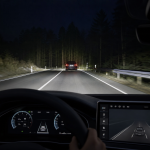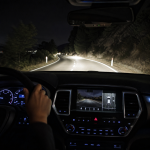
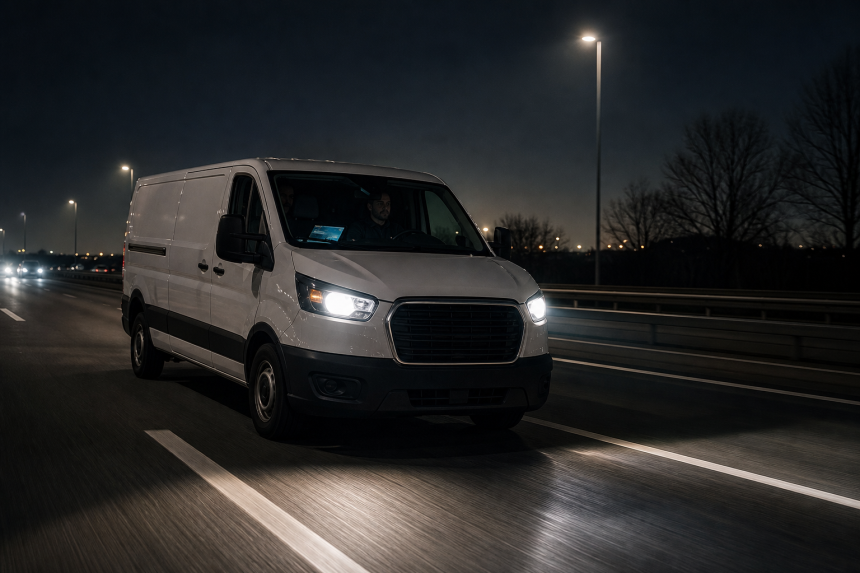
Fleet Night Vision helps fleet operators reduce night accidents by improving hazard recognition when normal visibility drops. When it’s deployed as part of a broader safety program—along with training, maintenance, and sound scheduling—it can give drivers earlier awareness of pedestrians, animals, stopped vehicles, and other roadside risks.
- Why Night Driving Creates Additional Fleet Risk
- How Night Vision Systems Support Fleet Drivers
- Where Fleets May Gain the Most Value
- Rural and Regional Routes
- Urban Deliveries and Service Calls
- Construction, Utility, and Industrial Operations
- Long-Distance and Overnight Operations
- Passenger and Community Transport
- A Practical Framework for Fleet Deployment
- 1. Analyze Nighttime Incidents and Near Misses
- 2. Define the Operational Requirement
- 3. Conduct a Controlled Pilot
- 4. Involve Drivers Early
- 5. Plan Installation and Integration
- What Fleets Should Evaluate in a Thermal Night Vision System
- Detection and Classification
- Image and Alert Usability
- Environmental Durability
- Recording and Data Management
- Supplier Support and Lifecycle Costs
- An Editorial Example of Aftermarket Technology
- Training Drivers to Use Night Vision Correctly
- Maintenance and Daily Inspection Requirements
- Night Vision Must Be Part of a Broader Safety Program
- Maintain the Driver’s Ordinary View
- Control Fatigue
- Match Speed to Visible Stopping Distance
- Improve Route and Site Controls
- Use Telematics Carefully
- Common Implementation Mistakes
- Treating Technology as a Substitute for Safe Driving
- Selecting Systems Without Route Analysis
- Ignoring Alert Fatigue
- Skipping Maintenance Ownership
- Measuring Only Collisions
- Building a Defensible Fleet Business Case
- Frequently Asked Questions
- Can thermal night vision see through fog, rain, or snow?
- Does a night vision system replace high-quality headlights?
- Can fleet drivers rely on pedestrian and animal alerts?
- Which fleet vehicles should receive night vision first?
- Will night vision reduce fleet insurance costs?
- How should fleets measure whether a system works?
- Conclusion
Table of Contents
- Why Night Driving Creates Additional Fleet Risk
- How Night Vision Systems Support Fleet Drivers
- Where Fleets May Gain the Most Value
- A Practical Framework for Fleet Deployment
- What Fleets Should Evaluate in a Thermal Night Vision System
- Training Drivers to Use Night Vision Correctly
- Maintenance and Daily Inspection Requirements
- Night Vision Must Be Part of a Broader Safety Program
- Common Implementation Mistakes
- Building a Defensible Fleet Business Case
- Frequently Asked Questions
Why Night Driving Creates Additional Fleet Risk
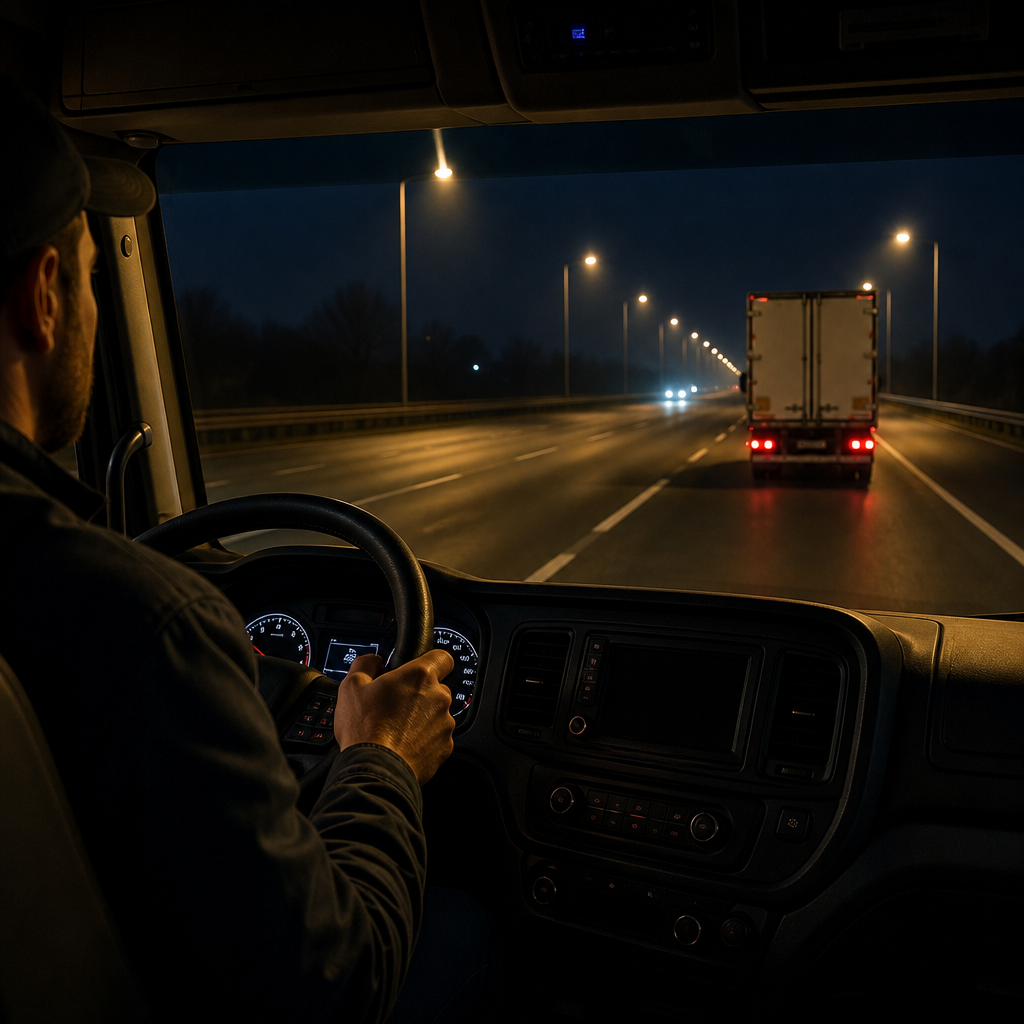
Night routes change how drivers perceive distance, movement, and contrast. A pedestrian in dark clothing, an animal entering a rural road, or a stopped vehicle without adequate lighting may not become obvious until the driver is already close.
The problem is not simply darkness. Fleet drivers may also encounter:
- Headlight glare from approaching traffic
- Rain, fog, snow, or road spray
- Poorly illuminated intersections and loading areas
- Unlit rural roads and highway shoulders
- Driver fatigue during late or early shifts
- Tight delivery schedules that encourage rushed decisions
- Repeated transitions between bright and dark environments
- Dirty windshields, mirrors, headlights, or camera lenses
Exposure can also be higher than it is for a typical private motorist. A commercial vehicle may cover many miles after sunset, operate in unfamiliar locations, or enter pedestrian-heavy areas during early-morning deliveries. Even a modest weakness in driving visibility becomes more important when repeated across vehicles, routes, and shifts.
This makes nighttime road safety a management issue as well as a driver issue. Fleets should identify where and when risk occurs, then select controls suited to those conditions.
How Night Vision Systems Support Fleet Drivers
A vehicle night vision system provides an additional view of the road ahead. Depending on its design, it may use a low-light camera, near-infrared illumination, thermal imaging, or a combination of sensors and software.
The goal is to support earlier hazard recognition. If a driver notices a person, animal, disabled vehicle, or roadside obstacle sooner, there may be more time to reduce speed, increase space, or prepare to stop.
Thermal Imaging Versus Low-Light Cameras
Low-light cameras amplify available light. They can produce a scene that looks familiar to drivers, particularly where streetlights, headlights, or ambient light are present. Performance can decline when very little light is available or when glare overwhelms the image.
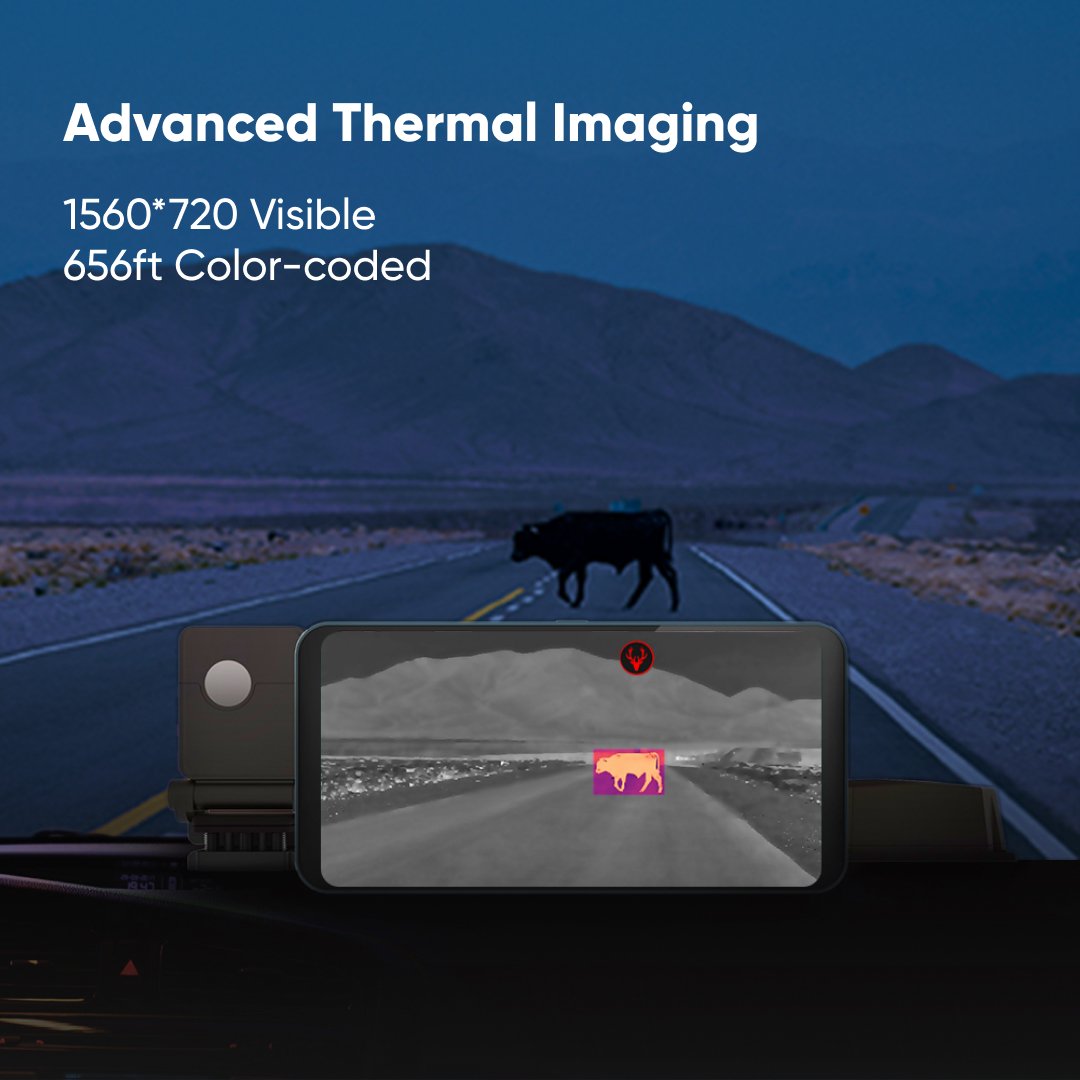
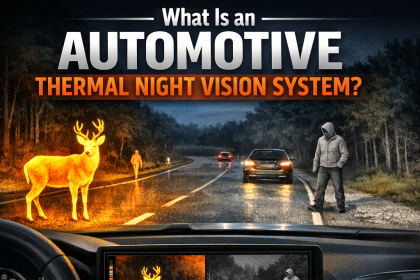
Thermal imaging systems work differently. They detect infrared energy associated with temperature differences and convert those differences into a visible image. A pedestrian or animal may therefore stand out from a cooler background even when ordinary visual contrast is poor.
That distinction can make thermal imaging useful on dark rural roads, unlit industrial sites, and routes with pedestrian or wildlife exposure. It does not mean every object will always be clear, correctly classified, or displayed at a useful distance. Environmental conditions, sensor placement, calibration, software, object size, and temperature contrast can all affect results.
Recognition and Real-Time Alerts
Some systems do more than show a thermal image. Detection software may attempt to recognize pedestrians, animals, vehicles, or obstacles and issue an on-screen or audible warning.
This can reduce the amount of time a driver spends interpreting a separate display. Effective alerts direct attention to a plausible hazard without requiring constant monitoring.
Alert design matters. Excessive warnings can produce alarm fatigue, while late or ambiguous alerts provide little practical benefit. Fleet night vision trials should therefore examine not only detection capability but also how warnings behave during normal operations.
Where Fleets May Gain the Most Value
Fleet Night Vision should be matched to actual exposure. Installing identical technology across every vehicle without reviewing duty cycles may waste money and overlook higher-priority risks.
Rural and Regional Routes
Rural fleets frequently operate on roads with limited lighting, variable shoulders, bends, and wildlife activity. People walking near the roadway may be difficult to see, especially when their clothing blends into the background.
In these conditions, fleet night vision—especially thermal imaging—may help distinguish a warm person or animal from the surrounding scene before headlights provide a clear visual outline. The driver must still respond according to speed, road geometry, vehicle weight, and available braking distance.
Urban Deliveries and Service Calls
Cities are illuminated, but that does not make every night route easy. Parked vehicles can hide pedestrians and cyclists. Reflections from wet pavement, signs, storefronts, and approaching headlights can create a visually crowded scene.
In this environment, useful hazard detection needs to complement mirror checks, direct observation, appropriate speed, and established turning procedures. Fleet night vision should not encourage drivers to focus on a display while navigating intersections.
Construction, Utility, and Industrial Operations
Work vehicles often operate near personnel, machinery, temporary barriers, and areas with uneven lighting. Thermal imaging may add another source of information when a vehicle approaches a dark work zone or travels between sites as part of fleet night vision programs.
A forward-facing night vision system does not necessarily address hazards beside or behind a vehicle. Fleets must map sensor coverage to the actual maneuvering risk and retain spotters, reversing cameras, work lights, and exclusion zones where required.
Long-Distance and Overnight Operations
For overnight transport, fleet night vision technology may support awareness on dark highways or during transitions from well-lit terminals to unlit roads. Fatigue remains a separate and critical risk.
Night vision cannot restore concentration, shorten stopping distance, or compensate for a driver who should no longer be behind the wheel. Scheduling, rest procedures, realistic delivery windows, and compliance with applicable driving-hour requirements remain fundamental.
Passenger and Community Transport
Taxis, shuttles, buses, and community transport vehicles may operate around pedestrians in poorly illuminated pickup areas. An awareness system can be useful, but drivers still need low approach speeds and clear procedures for boarding zones, crossings, and vulnerable road users.
A Practical Framework for Fleet Deployment
A successful installation project starts with fleet data, not a product catalog. The objective is to identify a repeatable risk and determine whether fleet night vision can address part of it.
1. Analyze Nighttime Incidents and Near Misses
Review collisions, harsh-braking events, driver reports, video footage where lawfully available, and insurance or repair records. Look for patterns such as:
- Pedestrian encounters on specific urban routes
- Wildlife events in particular regions or seasons
- Strikes involving unlit or stopped objects
- Incidents after long shifts
- Problems near depots, yards, or customer sites
- Complaints involving glare or poor road illumination
- Repeated events during rain, fog, or winter darkness
Separate visibility problems from other causes. If most incidents involve reversing in a depot, a forward thermal camera may not be the right first intervention. Better yard lighting, route design, reversing controls, or a rear detection system may have greater value for your fleet night vision rollout.
2. Define the Operational Requirement
A clear requirement prevents feature-led purchasing. Specify the hazards the fleet needs to address, operating speeds, routes, weather exposure, vehicle types, mounting constraints, and driver workflow.
Questions should include:
- Which hazards need to be detected?
- Is the priority rural wildlife, urban pedestrians, stopped vehicles, or multiple categories?
- Where will the display be positioned?
- Can drivers understand alerts without looking away from the road?
- Will the hardware tolerate the vehicle’s operating environment?
- How will installation affect windscreens, dashboards, wiring, and other equipment?
- Who will maintain, inspect, and update the system?
- What data, recordings, or event logs are created, and how will they be governed?
This requirement should also distinguish essential capabilities from desirable ones. A longer specification list does not automatically produce a safer fleet night vision program.
3. Conduct a Controlled Pilot
A pilot should use representative vehicles, routes, drivers, and shifts. Testing only on an easy route in clear weather reveals little about operational value.
Define the assessment criteria before installation. Useful measures can include driver-reported hazard encounters, alert relevance, missed or nuisance warnings, distraction concerns, equipment faults, harsh-braking patterns, and changes in near-miss reports. Collision counts alone may be too infrequent or influenced by too many variables to evaluate a short pilot responsibly.
Drivers should have a structured way to report:
- What the system displayed or alerted
- The road and weather conditions
- Whether the hazard was visible through the windshield
- Whether the alert was timely and understandable
- Whether it caused confusion or unnecessary braking
- Whether the camera view was blocked, dirty, or misaligned
A pilot should test usability rather than attempt to prove that fleet night vision guarantees a safety outcome.
4. Involve Drivers Early
Drivers are more likely to use a system correctly when they understand why it is being introduced and have input into display position, alert volume, and workflow.
They may also identify problems that are easy to miss during procurement. A screen could obstruct a sightline, an alert could be difficult to hear in a noisy cab, or a warning frequency could become distracting on a particular route.
Driver feedback should be evaluated alongside objective event data. Acceptance alone does not establish effectiveness, but poor usability can undermine otherwise capable driver-assistance technology used within fleet night vision initiatives.
5. Plan Installation and Integration
Installation quality affects reliability. Camera alignment, mounting stability, cable routing, electrical protection, display placement, and compatibility with existing vehicle systems all require attention.
Fleet managers should use competent installers and follow the equipment and vehicle manufacturers’ requirements. They should also verify whether modifications affect vehicle warranties, leasing terms, insurance arrangements, inspections, or local compliance obligations.
The system must not obstruct the driver’s view or encourage prolonged glances away from the road. Alerts should fit within the vehicle’s existing information environment, which may already include navigation, telematics, collision warnings, radios, and job-management devices.
What Fleets Should Evaluate in a Thermal Night Vision System
A buying decision should focus on operational fit rather than a single headline specification.
Detection and Classification
Determine which road users and objects the system is designed to recognize. Pedestrian, animal, and vehicle recognition may be valuable for mixed routes, but fleets should ask how the system communicates uncertainty and handles partially obscured targets.
A stated detection distance is not the same as a guaranteed reaction distance. Recognition can vary with conditions, and the driver still needs time to understand the warning and respond safely.
Image and Alert Usability
The display should be legible without dominating the driver’s attention. Important considerations include screen placement, contrast, symbol clarity, alert timing, and performance during transitions between daylight, dusk, and darkness.
Fleets should also test whether drivers can distinguish an advisory alert from an immediate hazard warning. Unclear alert priorities can lead to hesitation or overreaction within a fleet night vision deployment.
Environmental Durability
Commercial vehicles experience vibration, dust, water, road salt, temperature changes, and frequent washing. Ask how the camera and connections are protected and what maintenance is required to preserve performance.
A specification on paper is only part of the assessment. Mounting location and installation quality determine how much contamination or physical exposure the equipment faces in service across fleet night vision use cases.
Recording and Data Management
If the system records video or event information, the fleet needs a data policy. Define why information is collected, who can access it, how long it is retained, and how it is protected.
Privacy and employment requirements vary by jurisdiction. Fleets operating in the United States and Europe should obtain appropriate legal and compliance guidance rather than assuming one policy fits every location.
If you are evaluating a fleet video or monitoring approach, you can also review guidance from the U.S. National Highway Traffic Safety Administration (NHTSA) on vehicle technology and road safety.
Supplier Support and Lifecycle Costs
Ownership costs can include installation, vehicle downtime, maintenance, replacement components, software support, driver training, and administrative work. Procurement teams should ask how faults are diagnosed and whether replacement or updates require a vehicle to be removed from service.
The lowest purchase price may not provide the lowest fleet night vision cost if support is limited or installations are difficult to maintain.
An Editorial Example of Aftermarket Technology
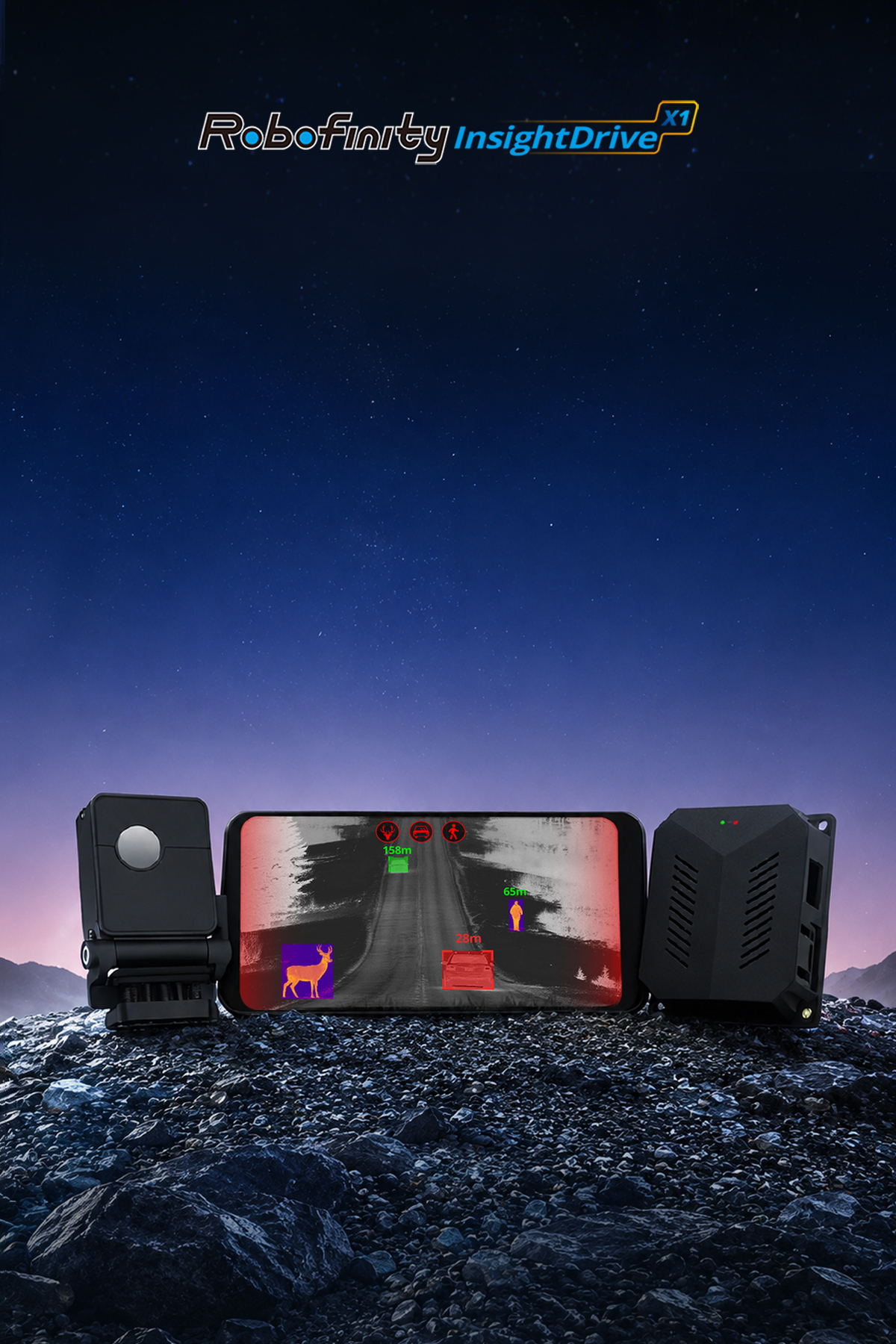
Aftermarket systems allow fleets to add night-driving support without waiting for a full vehicle replacement cycle. Robofinity InsightDrive is one example of a vehicle thermal imaging night vision system intended to support awareness in low-light and poor-visibility conditions. Its AI-powered thermal imaging is designed to recognize pedestrians, animals, and vehicles and provide real-time alerts.
That capability should be assessed through the same operational pilot and driver-safety process as any other system. Thermal imaging remains an aid: it does not replace headlights, mirrors, safe speed, adequate following and braking distance, traffic laws, or continuous driver attention.
Training Drivers to Use Night Vision Correctly
Installation without training can introduce new risk. Drivers need to understand what fleet night vision detects, what an alert means, where coverage begins and ends, and how performance may change with environmental conditions within a fleet night vision program.
Training should establish several basic behaviors:
- Keep primary attention on the road, not the display.
- Treat alerts as prompts to verify and respond appropriately.
- Do not increase speed because the vehicle has enhanced visibility technology.
- Report blocked, damaged, misaligned, or malfunctioning equipment.
- Maintain normal scanning, mirror use, and following distance.
- Never assume an absence of alerts means the road is clear.
- Avoid abrupt maneuvers unless the observed situation requires them.
Scenario-based instruction is particularly useful. For example, a driver can be shown how to react when a fleet night vision system highlights an animal near the shoulder without assuming it will enter the road. Another scenario can address a pedestrian partially hidden by parked vehicles. The training objective is measured hazard response, not automatic emergency action after every warning.
Managers and dispatchers need training too. They should not treat the presence of fleet night vision as justification for tighter schedules, longer shifts, or higher speeds.
Maintenance and Daily Inspection Requirements
Night vision equipment adds inspection tasks. A dirty or misaligned camera can produce degraded images or unreliable detection while appearing to be operational for fleet night vision users.
Drivers should check the camera area during their normal pre-trip inspection. Depending on system instructions and fleet policy, the process may include:
- Confirming that the lens or protective window is clean
- Looking for physical damage or loose mounting
- Checking that the display starts correctly
- Reporting warning messages or unusual images
- Verifying that the display does not obstruct the windshield
- Recording recurring false or missed alerts
Maintenance teams need procedures for cleaning, diagnostics, calibration, and post-repair checks. Camera alignment may need review after bodywork, windscreen work, a collision, front-end service, or hardware replacement.
Inspection intervals should reflect actual operating conditions. Vehicles on muddy construction sites or winter roads may require more frequent cleaning than vehicles on paved urban routes.
Night Vision Must Be Part of a Broader Safety Program
No single device addresses every cause of night collisions. Fleets achieve more robust risk reduction by combining technology with basic operational controls as part of fleet night vision safety governance.
Maintain the Driver’s Ordinary View
Headlights must be clean, correctly functioning, and suitable for the vehicle. Windscreens, mirrors, wipers, washers, and demisting systems also affect visibility. A sophisticated thermal imaging system cannot correct a dirty windshield or defective headlamp.
Control Fatigue
Route design and scheduling should account for circadian lows, overnight work, breaks, and the cumulative effect of long shifts. Drivers need a clear process for reporting fatigue without pressure to continue unsafely.
Match Speed to Visible Stopping Distance
Drivers must be able to stop within the road space they can reasonably assess. A displayed thermal target does not change tire grip, vehicle mass, reaction time, or road geometry. Heavy commercial vehicles require particular discipline because their stopping needs may be substantial.
Improve Route and Site Controls
Where incidents cluster at a depot or customer location, site improvements may outperform onboard technology. Lighting, marked pedestrian paths, traffic separation, one-way routing, barriers, lower speed limits, and scheduled movement controls can reduce exposure directly.
Use Telematics Carefully
Telematics can help identify harsh braking, speeding, route risk, and schedule pressure. Data should be interpreted in context. A braking event may represent poor anticipation, but it may also show that a driver responded successfully to a genuine hazard.
The purpose should be learning and prevention, supported by a fair review process.
Common Implementation Mistakes
A fleet can purchase capable equipment and still see little benefit if deployment is poorly managed, especially when rolling out fleet night vision without a full change-management plan.
Treating Technology as a Substitute for Safe Driving
Night vision can support perception, but it cannot control attention, judgment, traction, or braking distance. Policies and training must state this clearly.
Selecting Systems Without Route Analysis
A solution designed around long-distance forward detection may add limited value to a fleet whose main risk is low-speed reversing. Procurement should follow hazard analysis.
Ignoring Alert Fatigue
Too many warnings may train drivers to disregard the system. Pilot testing should examine alert frequency and relevance under real operating conditions.
Skipping Maintenance Ownership
Someone must be responsible for inspection standards, fault reporting, repairs, software management, and calibration. Without defined ownership, fleet night vision performance may deteriorate unnoticed.
Measuring Only Collisions
Collision reduction is the ultimate objective, but meaningful safety events may be infrequent. Near misses, alert quality, driver behavior, equipment uptime, and maintenance findings can provide earlier evidence about whether a fleet night vision program is functioning.
Building a Defensible Fleet Business Case
The financial case should include more than equipment price. Collisions can create repair costs, vehicle downtime, insurance consequences, claims administration, missed service, investigation work, and reputational damage. At the same time, projected savings should remain conservative and evidence-based.
A useful business case can compare:
- Vehicles and routes with the greatest nighttime exposure
- Installation and training costs
- Expected maintenance and support costs
- Vehicle downtime during fitting and service
- Existing nighttime incident and near-miss patterns
- Alternative controls, such as lighting or schedule changes
- Pilot results and driver feedback
- Scalability across different vehicle types
Deployment can be phased. Fleets may begin with vehicles that spend the highest proportion of operating time on dark rural roads, then expand only if the evidence supports it. This is often more practical than a fleet-wide rollout based on assumptions.
To connect night safety improvements with broader risk management, consider reviewing related topics like Dash Cam Insurance: Will Your Premium Go Down?.
Frequently Asked Questions
Can thermal night vision see through fog, rain, or snow?
Thermal imaging may preserve useful contrast in some poor-visibility conditions, but it cannot make weather irrelevant. Heavy precipitation, dense fog, contamination on the lens, and limited temperature contrast can reduce image quality or detection performance for fleet night vision systems. Drivers must continue to slow down and use appropriate lighting and spacing.
Does a night vision system replace high-quality headlights?
No. Headlights illuminate the road, make the vehicle visible to others, and are required for normal driving. Night vision is supplementary driver-assistance technology and does not replace properly maintained vehicle lighting.
Can fleet drivers rely on pedestrian and animal alerts?
Alerts can support hazard detection, but drivers should not assume that every person or animal will be recognized. They must continue scanning the road and be prepared for unalerted hazards.
Which fleet vehicles should receive night vision first?
Prioritize vehicles with the clearest exposure: frequent night mileage, poorly lit rural routes, wildlife encounters, pedestrian-heavy service areas, or documented visibility-related near misses. Route and incident data should guide the decision.
Will night vision reduce fleet insurance costs?
That depends on the insurer, jurisdiction, vehicle use, claims history, and evidence supporting the safety program. Fleets should discuss the proposed deployment with their broker or insurer and avoid assuming that installation automatically changes premiums.
How should fleets measure whether a system works?
Use a combination of alert quality, hazard reports, near misses, harsh-braking context, driver feedback, equipment uptime, and relevant incident trends. Compare similar routes and operating periods, and account for seasonal or scheduling changes before drawing conclusions.
Conclusion
Reducing fleet night accidents requires a layered approach. Fleet night vision can add useful information by helping drivers identify certain pedestrians, animals, vehicles, and roadside hazards in darkness or poor visibility. Its value depends on choosing the right use case, designing alerts that drivers can interpret, installing the equipment correctly, and maintaining it throughout the vehicle’s service life.
The strongest starting point is a review of nighttime routes, incidents, near misses, and driver feedback. From there, fleets can define requirements and run a controlled pilot on their highest-exposure vehicles. Combined with proper lighting, fatigue controls, realistic schedules, driver training, safe speeds, and disciplined maintenance, fleet night vision can become a practical part of a broader road-awareness strategy.
For fleets also interested in how visibility technology affects vehicle safety planning beyond forward detection, explore Thermal Night Vision Camera For Cars: 7 Smart Safety Wins as additional background for stakeholder discussions.