Thermal Night Vision Legal questions come up often because these devices are now easier to buy, more affordable, and useful for many everyday tasks. In many places, the answer is yes, but whether thermal night vision legal use applies to you depends on where you live and how you plan to use the device. Laws can vary by country, state, and even by activity such as hunting, surveillance, or law enforcement use.
- What Thermal Night Vision Actually Is
- Is Thermal Night Vision Legal to Own?
- Is It Legal to Use Thermal Night Vision?
- Thermal Night Vision and Hunting Laws
- Privacy and Surveillance Concerns
- Federal, State, and Local Rules
- Can You Use Thermal Night Vision in Public?
- Thermal Night Vision for Security and Home Use
- International Travel and Export Rules
- How to Check Whether It Is Legal Where You Live
- Practical Examples of Legal and Illegal Use
- Example 1: Wildlife observation
- Example 2: Home security
- Example 3: Hunting with restrictions
- Example 4: Public-area scanning
- Choosing the Right Device for Your Purpose
- Common Mistakes to Avoid
- Questions People Ask Before Buying
- Is it legal to carry a thermal device in a car?
- Can I record with thermal night vision?
- Can I use thermal optics on my own land?
- Does the law treat thermal and infrared the same way?
- What if I only use it occasionally?
- Conclusion
- What Thermal Night Vision Actually Is
- Is Thermal Night Vision Legal to Own?
- Is It Legal to Use Thermal Night Vision?
- Thermal Night Vision and Hunting Laws
- Privacy and Surveillance Concerns
- Federal, State, and Local Rules
- Can You Use Thermal Night Vision in Public?
- Thermal Night Vision for Security and Home Use
- International Travel and Export Rules
- How to Check Whether It Is Legal Where You Live
- Practical Examples of Legal and Illegal Use
- Choosing the Right Device for Your Purpose
- Common Mistakes to Avoid
- Questions People Ask Before Buying
What Thermal Night Vision Actually Is
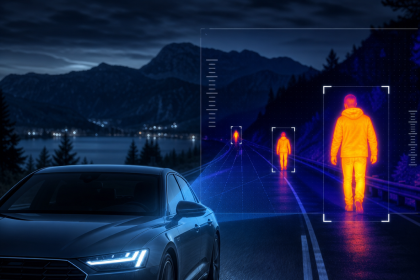
Thermal night vision is often confused with traditional night vision, but the two technologies work differently. Standard night vision amplifies available light, such as moonlight or starlight, to create a visible image. Thermal devices detect heat signatures and display temperature differences, allowing users to see living beings, vehicles, and other warm objects even in total darkness.
Because thermal devices do not rely on visible light, they are especially useful in situations where traditional optics may be limited. This has made them popular for search and rescue, wildlife observation, property monitoring, and some hunting applications. Their growing availability, however, has also raised legal and ethical questions. For many buyers, the first question is not just how the device works, but whether thermal night vision legal use applies to their specific situation.
In practical terms, the device itself is only one part of the issue. The more important issue is how it is used, where it is used, and whether local rules place limits on owning, carrying, or operating it. That is why two people can own similar devices and face very different legal outcomes based on their location and activity.
Is Thermal Night Vision Legal to Own?
In most places, owning thermal night vision equipment is legal for civilians. These devices are generally sold over the counter or online, and many are marketed for lawful recreational and professional uses. However, ownership does not automatically mean unrestricted use.
Some jurisdictions place limits on certain high-end models, especially if they are considered dual-use technology or if they have advanced features that could be regulated for security reasons. In the United States, for example, many consumer thermal devices are legal to purchase, but export restrictions may apply. International laws can be stricter depending on the country and the device’s specifications. For official guidance on import controls and trade rules, review the U.S. Bureau of Industry and Security.
Civilian ownership vs. restricted technology
Basic consumer-grade thermal monoculars, scopes, and cameras are usually legal for civilian ownership. Problems arise when the device is tied to military-grade applications, protected technology, or export-controlled components. In some countries, importing such equipment without the proper permissions can lead to penalties.
That said, the fact that a product is easy to purchase does not guarantee that it is legal to bring across a border, mount on a vehicle, or use in a particular field activity. A responsible buyer should treat the purchase step as separate from the use step. That is one of the main reasons people search for thermal night vision legal guidance before placing an order.
If you are considering a device for vehicle applications, installation details matter as much as legality. A practical walkthrough like Install Thermal Night Vision Car: Must-Have Easy Setup Guide can help explain common setup choices before you commit to a purchase.
Is It Legal to Use Thermal Night Vision?
Using thermal night vision is often legal, but the context matters. A device that is perfectly legal to own may be restricted for certain activities. For example, a hunter may be allowed to use thermal optics for observing wildlife but prohibited from using them to locate or take game during specific seasons or in specific locations.
Many buyers compare options before purchase, and some also read related guidance when they want to understand practical installation and use cases. The important point is that a lawful purchase does not automatically mean every form of use is lawful. In other words, the answer to thermal night vision legal questions often changes once the device is taken into the field, the vehicle, or the property line.
Legal uses
Common lawful uses may include:
- Security monitoring of private property
- Search and rescue operations
- Wildlife observation
- Inspection and maintenance
- Camping and outdoor navigation
- Detecting heat loss in buildings
- Checking equipment temperature in work environments
- Observing animals from a safe distance without disturbing them
Restricted uses
Potentially restricted or prohibited uses may include:
- Hunting certain species with thermal assistance
- Night hunting where regulations are strict
- Surveillance of people without consent
- Use in protected areas or parks
- Use in controlled or sensitive facilities
- Pointing the device at private spaces where there is a reasonable expectation of privacy
- Using it in ways that violate trespass or nuisance laws
Because the legality depends on the activity, it is not enough to ask whether the device itself is legal. You also need to know whether your intended use is allowed under local law. That is why a simple yes-or-no answer is rarely enough when people ask if thermal night vision legal applies in their area.
Thermal Night Vision and Hunting Laws
Hunting is one of the most heavily regulated areas involving thermal optics. Many states and countries allow some use of thermal technology for predator control or wildlife management, but others ban it entirely for hunting game animals. This is one of the most common reasons people search for thermal night vision legal advice before buying a scope or monocular.
Why hunting laws are strict
Wildlife agencies often regulate thermal devices to preserve fair chase principles, protect animal populations, and prevent unsafe night hunting practices. The concern is that thermal optics can give users a significant advantage by making animals easier to locate in darkness, thick brush, or poor weather conditions.
Regulators may also worry about non-target animals, safety near roads or homes, and the risk of confusing legal hunting activity with unlawful poaching. Because of these concerns, many hunting laws distinguish between passive observation and active use in taking game. The law may allow a hunter to scan an area with thermal imaging but prohibit firing at an animal located with that assistance.
What hunters should check
If you plan to use thermal night vision for hunting, review the following before heading out:
- Whether thermal optics are allowed for your species
- Whether nighttime hunting is legal in your area
- Whether the law distinguishes between scanning and shooting
- Whether there are restrictions on private land vs. public land
- Whether local licensing or permits are required
- Whether there are seasonal limitations or bag limits that affect thermal use
- Whether the device can be used only for predator control, not general game hunting
A common mistake is assuming that because a device is legal to buy, it is also legal to use while hunting. That is not always true, and thermal night vision legal rules can change from one season to the next. It is also worth checking whether a hunting regulation applies to the entire device or only to certain features, such as infrared illumination, recording, or mounted use.
When in doubt, contact the local wildlife agency before hunting. A short phone call or a quick review of the current game regulations can prevent a serious mistake, especially if you are hunting across county or state lines.
Privacy and Surveillance Concerns
Another important legal issue involves privacy. Using thermal night vision to observe people can raise legal concerns, especially if the device is pointed at neighboring homes, private spaces, or areas where people have a reasonable expectation of privacy.
When surveillance becomes a problem
Thermal devices may be lawful for security purposes on your own property, but using them to monitor someone else’s home or private activities could create civil or criminal liability. Laws on surveillance, voyeurism, stalking, and harassment may apply even if the device itself is legal.
If you use thermal technology for security, it is best to keep the camera or scope directed at areas you are legally allowed to monitor, such as your driveway, fence line, or commercial property. A clear purpose and a limited field of view reduce risk and help show that your use is tied to legitimate security, not intrusion.
In privacy disputes, context matters. A homeowner monitoring a barn entrance is very different from a person scanning through windows or following someone along a public path. Even where thermal night vision legal ownership is not disputed, the way the device is aimed and what it records can still create problems.
Federal, State, and Local Rules
The legality of thermal night vision is rarely determined by a single rule. In practice, you may need to consider several layers of law at once.
Federal law
In some countries, including the United States, federal law may control export, import, and certain technology restrictions. This is especially relevant for advanced models and products shipped across borders.
Federal rules may also affect sensitive locations, defense-related technology, and devices that fall under trade or customs controls. If you buy online from another country, the shipping process may trigger questions that do not arise with a local purchase. That is another reason the answer to thermal night vision legal use can change based on logistics, not just equipment type.
State or provincial law
State or provincial regulations often govern hunting, wildlife management, and use on public land. These are frequently the rules that matter most to everyday users.
These laws may also define where you can carry the device, whether it can be mounted to a vehicle, and whether it may be used after dark in certain conservation areas. If your state allows thermal observation but restricts hunting with thermal optics, those distinctions matter a great deal.
Local ordinances
Cities and counties may have rules affecting surveillance, nuisance complaints, or property monitoring. While less common for thermal optics specifically, local laws can still matter if use creates a disturbance or privacy issue.
For example, a local ordinance might address noise, trespass, video recording, or device placement near shared boundaries. Those rules are not always labeled as thermal device laws, but they can still affect whether your use is acceptable. When local and state rules overlap, you should follow the more restrictive one if they conflict.
Can You Use Thermal Night Vision in Public?
Using thermal night vision in public spaces is not automatically illegal, but it can be sensitive. A person walking through a park with a thermal monocular generally may not be breaking the law, but problems can arise depending on how the device is used and what it is directed at.
For example, scanning crowds, residences, or restricted facilities may draw law enforcement attention or violate privacy and security laws. Public use is usually safest when it is tied to clearly lawful purposes such as navigation, wildlife watching, or personal safety.
It is also worth remembering that public spaces can have special restrictions during events, near infrastructure, or around government buildings. Even if the equipment itself is allowed, behavior that appears suspicious or invasive can still lead to questions. When people ask whether thermal night vision legal use applies in public, the practical answer is usually: yes in some cases, but be careful about what you observe and record.
Thermal Night Vision for Security and Home Use
Homeowners and business owners often use thermal devices to monitor entrances, livestock, barns, parking lots, or remote property. In many areas, this is perfectly legal and can be a valuable security tool. If you want a broader view of front-facing monitoring options, see Can You Put a Camera on the Front of Your Car?
Best practices for lawful security use
To reduce legal risk:
- Aim cameras only at your own property or other lawful areas
- Avoid recording private neighboring spaces
- Post notices if your system records video or audio
- Follow data protection rules if recordings are stored or shared
- Use the device for legitimate security rather than intrusive observation
- Review whether your insurance or local property rules require disclosure
- Keep access to recorded footage limited to authorized users
Good security practice is not only about legality. It also helps avoid disputes with neighbors and visitors. If your setup is visible and clearly directed at lawful targets, you are more likely to stay on the right side of both common sense and local rules. For many homeowners, the practical answer to thermal night vision legal concerns is to focus on property protection, not people monitoring.
Thermal imaging can also be useful during emergencies, such as checking for a warm animal in a yard or identifying an overheating electrical component before it fails. Those uses tend to be easier to defend because they are tied to safety, maintenance, or incident prevention rather than surveillance.
International Travel and Export Rules
If you travel with thermal night vision equipment, be cautious. Some countries regulate these devices much more strictly than others. What is legal to carry in one location may be restricted or prohibited in another.
Why travel can be complicated
Issues may include:
- Customs inspection
- Temporary import requirements
- Export licensing from the original country
- Restrictions on use near borders or sensitive areas
- Certification requirements for certain models
- Questions about whether the device is considered military-adjacent technology
Before traveling internationally with thermal optics, check both the departure and destination country’s rules. Shipping the device across borders can also trigger legal issues. If you are carrying it in checked luggage, hand luggage, or vehicle cargo, be ready to explain what the device is, why you have it, and whether you have any supporting documentation.
Travel is one of the most common areas where people misjudge thermal night vision legal restrictions. A device that is completely fine at home can become a customs problem abroad.
How to Check Whether It Is Legal Where You Live
Because thermal night vision laws vary so much, the safest approach is to verify the rules before buying or using a device.
Steps to take
- Identify the exact model of the device.
- Review national import or export restrictions.
- Check state, provincial, or regional hunting laws.
- Read local ordinances on surveillance and privacy.
- Contact wildlife agencies or legal authorities if the rules are unclear.
- Keep documentation for purchase and compliance.
- Save copies of manuals, receipts, and model numbers in case questions come up.
- Ask the seller whether the device has any special shipping or licensing limitations.
If you plan to use the device for hunting or security, it may also help to consult a knowledgeable attorney or licensed dealer familiar with local regulations. Understanding whether thermal night vision legal use applies in your area is the best way to avoid a costly mistake.
When checking the law, do not rely only on product listings or forum advice. Manufacturer marketing may explain the features, but it will not tell you whether a specific use is allowed. Official agency guidance is much better than assumptions, especially if your intended use includes vehicles, public land, or nighttime activity near homes.
Practical Examples of Legal and Illegal Use
It can be easier to understand the law through examples. The following situations show how the same device can be legal in one setting and problematic in another.
Example 1: Wildlife observation
A hiker uses a handheld thermal monocular to spot deer at a distance without approaching them. In many places, that is a normal and lawful use. The key factor is that the user is observing rather than harassing or hunting in a prohibited way.
Example 2: Home security
A homeowner installs a thermal camera to watch the driveway and detached garage. If the camera stays on the property and follows local privacy rules, this is often a lawful security use. A thermal night vision legal concern might arise only if the device is aimed into neighboring windows or common areas without permission.
Example 3: Hunting with restrictions
A hunter uses thermal optics to locate game after dark in a state that bans thermal assistance for that species. Even if the optic is legal to buy, the hunting use may be prohibited. This is one of the clearest examples of why ownership and use are not the same thing.
Example 4: Public-area scanning
A person scans parked cars, walking paths, and nearby homes in a public park. Even if no one complains right away, this behavior may create privacy concerns or attract police attention. The same device can be lawful for navigation but questionable when used in a way that looks intrusive.
Choosing the Right Device for Your Purpose
If you are buying a thermal device, choose one that fits your intended use. A compact handheld monocular may be better for wildlife watching, while a fixed camera may be more appropriate for home or farm security. Vehicle-mounted options may need different installation and compliance checks altogether.
Think about these questions before buying:
- Will the device be used on private property, public land, or a vehicle?
- Do you need observation only, or recording as well?
- Will the device be used at night, in daylight, or both?
- Does your local law treat hunting, surveillance, and security differently?
- Do you need portability, or will the device stay in one place?
These details matter because the right device for your use case is not always the most powerful one. Sometimes the safer choice is the simpler one. If your main concern is staying compliant, it can be better to buy a model that clearly fits the rules instead of pushing into a grey area and hoping for the best.
Common Mistakes to Avoid
People often run into trouble for avoidable reasons. Some of the most common mistakes include:
- Assuming online sales mean the device is fully legal everywhere
- Using the device for hunting without checking game laws
- Pointing the optic at neighboring homes or private spaces
- Ignoring export and import restrictions when traveling
- Assuming public use is always free from privacy rules
- Buying a military-style unit without checking whether it is restricted
- Relying on outdated advice instead of current regulations
These mistakes are avoidable if you slow down and verify the rules first. A little research can prevent fines, confiscation, or complaints. That is especially important when a thermal night vision legal question involves more than one jurisdiction, such as travel, hunting trips, or border regions.
Questions People Ask Before Buying
Is it legal to carry a thermal device in a car?
Often yes, but you should still check local rules about transport, storage, and use. Carrying the device is different from operating it while driving or while parked in a restricted area.
Can I record with thermal night vision?
Recording is often allowed, but privacy, consent, and data protection laws can apply. If you plan to save footage, make sure your use is consistent with local recording rules and any notice requirements.
Can I use thermal optics on my own land?
Private property gives you more control, but it does not remove every restriction. Hunting laws, nuisance rules, and privacy concerns can still apply depending on what you do with the device.
Does the law treat thermal and infrared the same way?
Not always. Some laws mention thermal imaging specifically, while others discuss night vision, infrared illumination, or electronic optics more broadly. Always read the actual regulation, not just a summary.
What if I only use it occasionally?
Occasional use does not automatically make a restricted activity legal. If the rule prohibits a use, the frequency usually does not matter. The same is true whether the device is used once a year or every night.
Conclusion
Thermal night vision is legal in many places, but legality depends on where you are and how you use it. Owning a thermal device is often permitted, while hunting, surveillance, and travel-related rules can be much more restrictive. The key is to separate the legality of the equipment from the legality of the activity. By checking local laws and using thermal technology responsibly, you can avoid legal trouble and make informed decisions about when and how to use it.
For most people, the safest path is simple: verify the rules, keep your use limited to lawful purposes, and stay alert to changes in hunting, privacy, or export laws. If you do that, you are much more likely to stay on the right side of thermal night vision legal requirements while still getting the benefits these devices can offer.