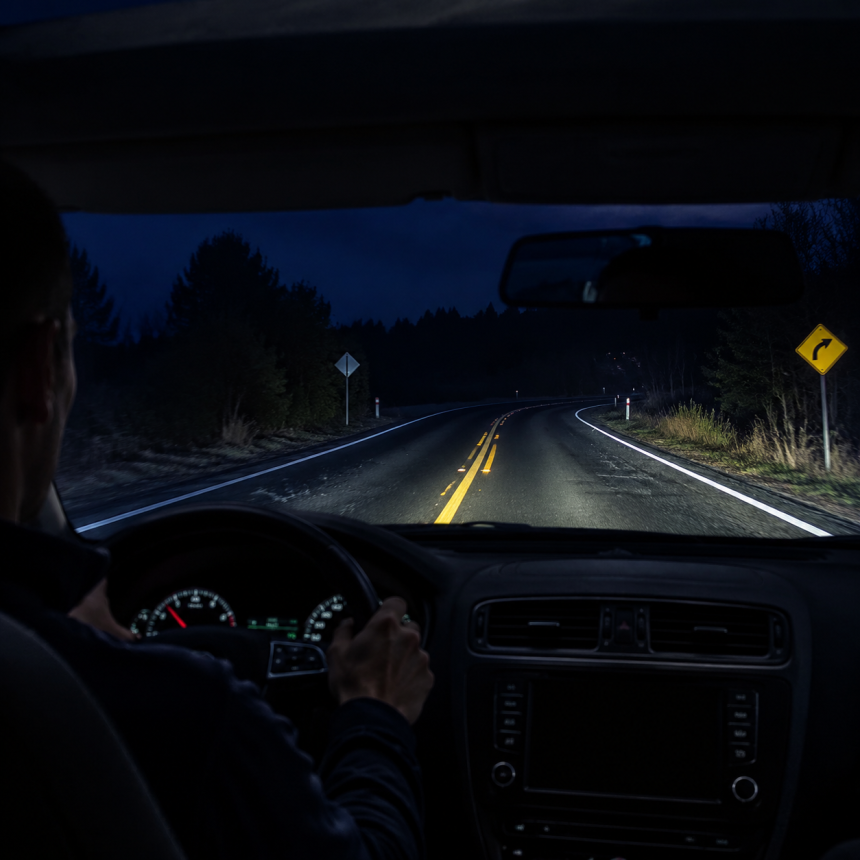
Night Driving Visibility issues can turn a normal trip into a safety risk within seconds. If you cannot see clearly while driving at night, the right move is not to “push through.” Instead, take immediate steps to regain control, address common causes (like glare, dirty glass, or misaligned headlights), and be willing to stop if conditions remain beyond your safe limits.
- Why Night Vision Can Feel Worse After Dark
- What to Do Right Away If You Cannot See Clearly
- Slow down early
- Increase following distance
- Use low beams correctly
- Clean key surfaces at the next safe stop
- Avoid looking directly at oncoming headlights
- Pull over if the issue does not improve
- Common Causes Of Poor Visibility At Night
- Glare from headlights
- Dirty or damaged glass
- Weak or misaligned headlights
- Weather conditions
- Vision changes
- Fatigue
- Quick Vehicle Checks That Can Improve Visibility
- Check headlights and taillights
- Clean the windshield inside and out
- Replace worn wiper blades
- Check defrost and ventilation
- Verify mirror settings
- How To Drive More Safely When Visibility Is Reduced
- Drive at a speed you can actually stop from
- Scan farther ahead
- Watch the right edge of the road
- Avoid unnecessary lane changes
- Be more cautious near rural roads
- Reduce distractions inside the car
- When The Problem May Be Your Eyes
- Where Driver-Assistance Technology Can Help
- Practical Steps For Different Driving Scenarios
- City driving
- Highway driving
- Rural driving
- Bad weather
- When you spot something but cannot judge distance
- When glare is coming from behind you
- When You Should Stop Driving
- Prevention Tips Before Your Next Night Drive
- FAQ
- Why can I see worse at night even if my vision is fine in daylight?
- Should I use high beams if I cannot see clearly?
- Can a dirty windshield really make night driving harder?
- How do I know if my vision, not my car, is the problem?
- Is it better to keep driving slowly or stop?
- Can driver-assistance systems help in low visibility?
- Conclusion
Table of Contents
Why Night Vision Can Feel Worse After Dark
What to Do Right Away If You Cannot See Clearly
Common Causes Of Poor Visibility At Night
Quick Vehicle Checks That Can Improve Visibility
How To Drive More Safely When Visibility Is Reduced
When The Problem May Be Your Eyes
Where Driver-Assistance Technology Can Help
Practical Steps For Different Driving Scenarios
Why Night Vision Can Feel Worse After Dark
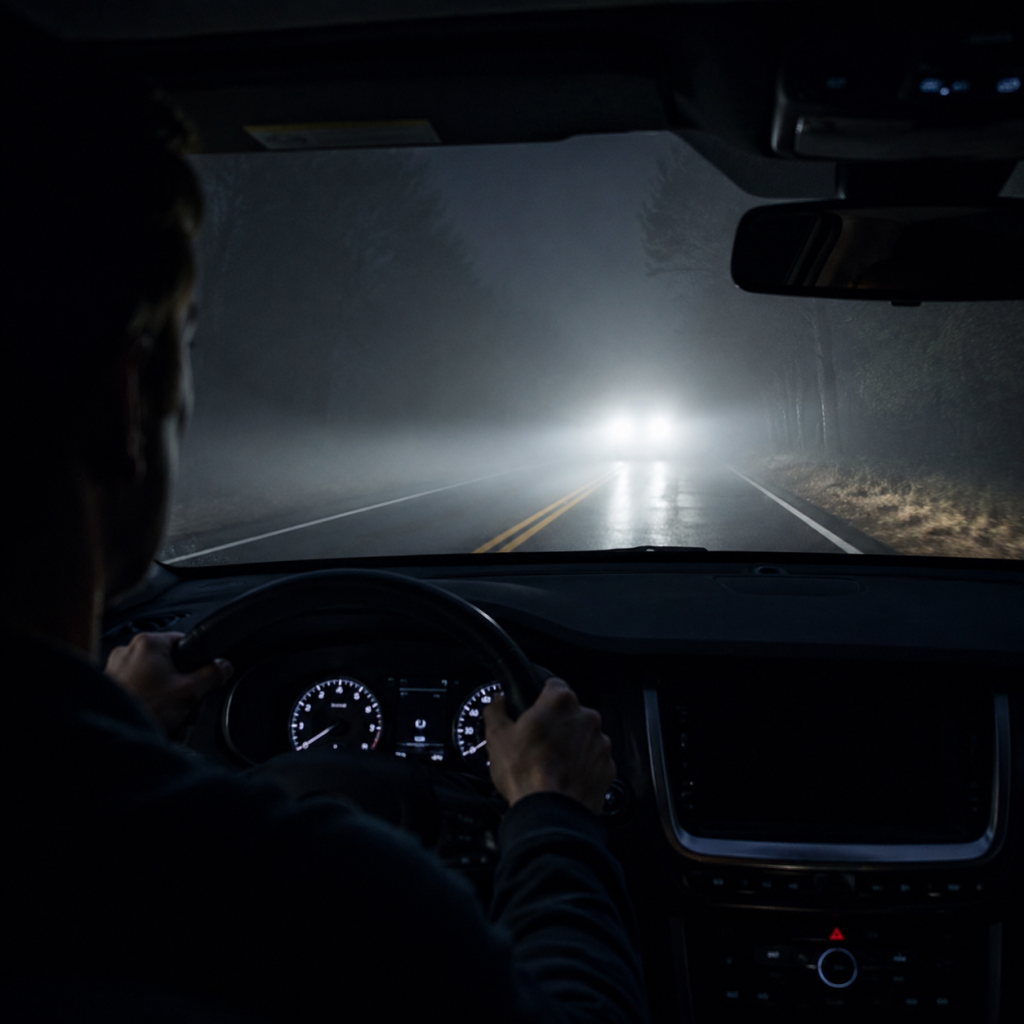
A lot of drivers assume poor nighttime vision means there is something seriously wrong with their eyes or car. Sometimes that is true, but not always. Night driving visibility is simply harder for nearly everyone because the human eye depends on available light and contrast to identify hazards.
Low-light driving can be affected by several common factors:
- The pupils widen at night, which can make glare more disruptive.
- Lane markings and road edges are harder to distinguish.
- Oncoming headlights can wash out nearby details.
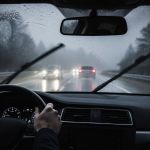
- Rain, fog, or mist scatter light and reduce depth perception.
- Dirty windshields and mirrors create halos around lights.
- Worn wiper blades can leave streaks that become more obvious at night.
- Prescription glasses that work well in daylight may not be ideal after dark.
In other words, the problem is not always “bad eyesight.” It may be a combination of visibility, road conditions, and vehicle condition. That distinction matters because the right fix depends on the cause.
What to Do Right Away If You Cannot See Clearly
If your night driving visibility suddenly gets worse while driving at night, focus on control first. Do not keep driving at normal speed and hope your eyes adjust. Take simple steps immediately.
Slow down early
Reducing speed gives you more time to identify lane lines, pedestrians, cyclists, animals, and stalled vehicles. It also gives you a larger margin for braking if something appears unexpectedly.
Increase following distance
At night, stopping distance is less forgiving because hazards are harder to spot in advance. Leave more space behind the vehicle in front of you so you have time to react if its brake lights come on suddenly.
Use low beams correctly
High beams can help on empty roads, but they are not appropriate in traffic, rain, fog, or when there is oncoming traffic. If you are struggling to see, make sure your headlights are clean, aligned, and set correctly for the conditions.
Clean key surfaces at the next safe stop
A thin film of dirt on the windshield can create glare and blur. The same is true for side windows, mirrors, and headlights. If you notice the problem is worsening around light sources, clean the glass and lights as soon as it is safe to stop.
Avoid looking directly at oncoming headlights
Shift your gaze slightly to the right side of the lane while still monitoring the road ahead. This reduces the impact of glare without taking your eyes completely off the driving path.
Pull over if the issue does not improve
If your night driving visibility still cannot be restored after reducing speed and correcting obvious issues, stop in a safe place. Use a rest area, gas station, or other well-lit location. Continuing in conditions you cannot manage is the wrong tradeoff.
Common Causes Of Poor Visibility At Night
Understanding the cause helps you decide whether the problem is temporary, fixable, or serious enough to require a different approach.
Glare from headlights
Glare is one of the most common night-driving complaints. Bright LEDs, misaligned headlights, wet pavement, and a dirty windshield can all intensify the effect and reduce night driving visibility.
Dirty or damaged glass
A windshield with haze, scratches, or streaks can make every light source bloom. This becomes much more noticeable after dark and can severely limit night driving visibility.
Weak or misaligned headlights
If your own headlights are dim, cloudy, or pointing too low or too high, the road ahead will seem darker than it should. Headlight lenses can also yellow over time, which reduces effective night driving visibility.
Weather conditions
Fog, heavy rain, snow, and spray from other vehicles reduce contrast. In these conditions, the limitation is not just your eyes. The environment itself is reducing night driving visibility.
Vision changes
Night vision often gets worse with age, eye strain, or an uncorrected prescription. Some drivers notice that they can still see well in daylight but struggle significantly after sunset, lowering night driving visibility.
Fatigue
Tired drivers do not process visual information as efficiently. You may think the headlights are the problem when the real issue is reduced alertness and slower reaction time, which affects how well you cope with night driving visibility.
Quick Vehicle Checks That Can Improve Visibility
Before assuming the road conditions are the only issue, do a basic check of the car. Many visibility problems are simple maintenance issues. If night driving visibility is suddenly worse, the fastest wins are often lighting, glass, and wipers.
Check headlights and taillights
Make sure both headlights are working and the lenses are not clouded over. If one beam looks noticeably dimmer, there may be a bulb or electrical issue. Also confirm that your taillights and brake lights are functioning properly so other drivers can see you.
Clean the windshield inside and out
Interior haze matters more than many drivers realize. A light film on the inside of the glass can scatter light and create a soft blur around streetlights and headlights, reducing night driving visibility.
Replace worn wiper blades
Wipers that leave streaks on the windshield can make night driving visibility much harder in light rain or road spray. If they chatter or skip, replace them.
Check defrost and ventilation
A fogged-up windshield can quickly reduce forward visibility. Use the defroster and cabin airflow to keep the glass clear and restore night driving visibility.
Verify mirror settings
Improperly adjusted mirrors can increase glare from vehicles behind you and make it harder to track cars passing in adjacent lanes, adding to night driving visibility problems.
How To Drive More Safely When Visibility Is Reduced
Once the immediate problem is handled, your driving style should change to match the conditions. When your night driving visibility is reduced, the goal is to keep the car controllable at the speed you choose.
Drive at a speed you can actually stop from
That means a speed that leaves room for the distance you can see, not the speed limit alone. If your sightline is limited by fog, rain, or darkness, slower is safer and supports better night driving visibility outcomes.
Scan farther ahead
Do not stare only at the area directly in front of the hood. Look farther down the road so you have more time to notice lane shifts, brake lights, reflective signs, or movement near the shoulder. This habit helps you compensate for lower night driving visibility.
Watch the right edge of the road
In many poor-visibility situations, the lane edge or shoulder can be easier to track than the center of the road. This can help maintain lane position without overcorrecting.
Avoid unnecessary lane changes
Every lane change adds risk at night because it forces you to judge more mirrors, more blind spots, and more relative speed with less visual clarity. Fewer lane changes make it easier to maintain safe night driving visibility.
Be more cautious near rural roads
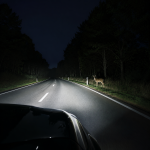
Rural night driving visibility can bring extra hazards such as deer, livestock, cyclists, and unlit vehicles. These roads often have fewer streetlights and less forgiving shoulders. Reduce speed early and be ready to stop.
Reduce distractions inside the car
A bright display, phone screen, or cabin lighting can make your eyes work harder to adapt to darkness. Keep the interior as calm and simple as possible to protect night driving visibility.
When The Problem May Be Your Eyes
Sometimes the right answer is not a driving tip but an eye exam. If you routinely struggle with night driving visibility, even in good weather and with a clean vehicle, it is worth paying attention.
You should consider an eye check if you notice:
- Frequent glare from headlights
- Halos around lights
- Trouble reading road signs at night
- Difficulty judging distance in low light
- A major difference between daytime and nighttime vision
- Headaches or eye strain after night driving visibility
Glasses, updated prescriptions, or treatment for an eye condition may improve the situation. If your night driving visibility has changed recently or noticeably, do not assume it is just normal aging.
Where Driver-Assistance Technology Can Help
Advanced driver-assistance technology cannot replace attention, headlights, or safe driving habits. It can, however, add another layer of awareness when visibility is limited.
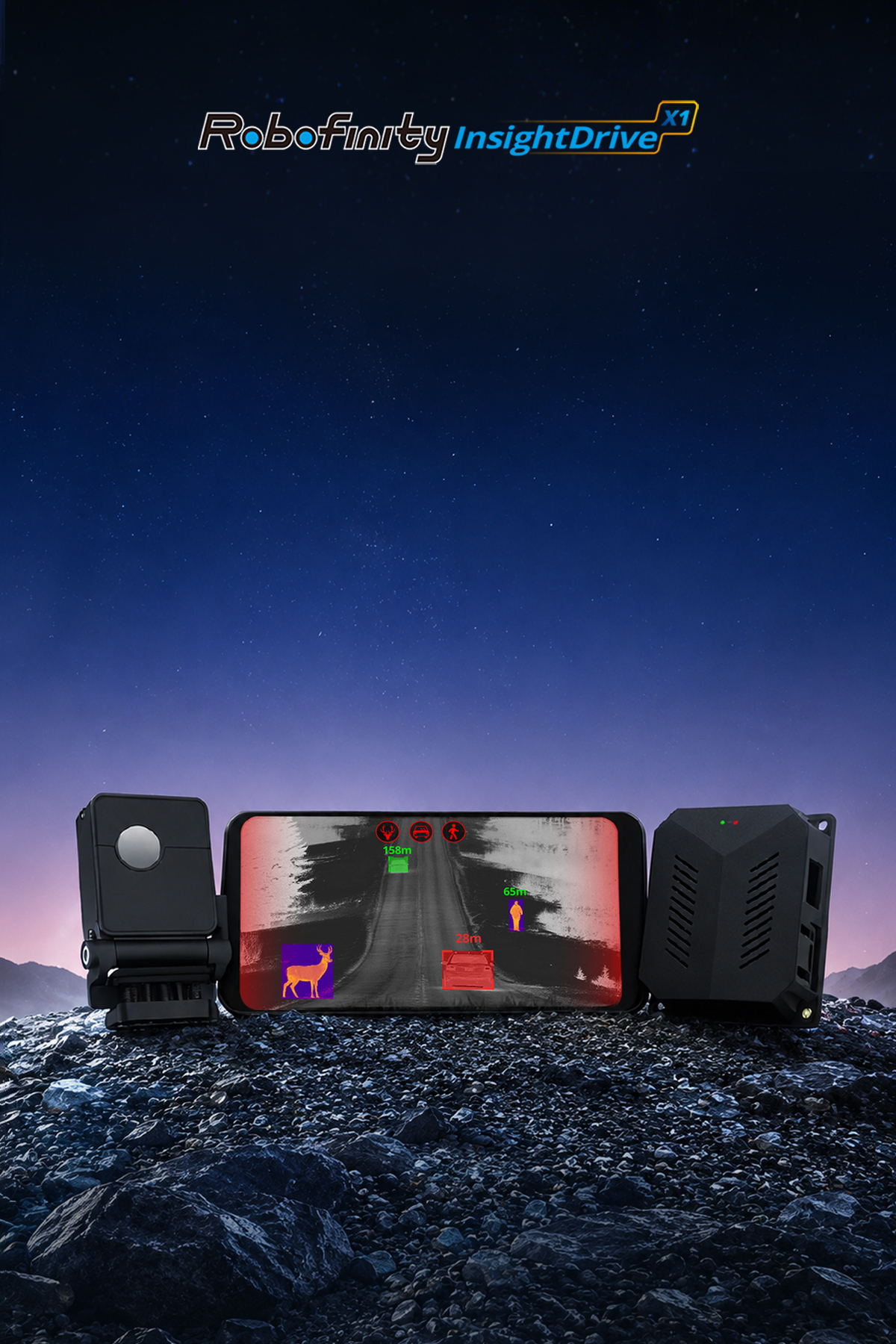
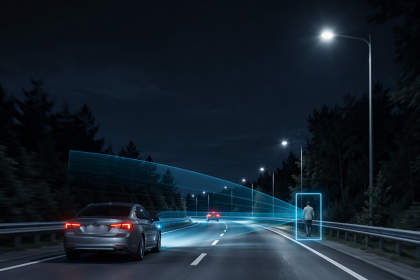
For drivers who regularly face night driving visibility challenges, especially on rural roads or in poor-visibility conditions, some systems—such as thermal or night vision features—may help support awareness of pedestrians, animals, vehicles, and obstacles ahead. That kind of help is most relevant when the issue is seeing heat-emitting hazards earlier than visible light alone might reveal them.
That said, driver-assistance tools should be treated as support, not a solution. They do not remove the need to slow down, keep distance, and decide when conditions are too poor to continue. For more practical guidance on options, see Car Night Vision: Is It Worth It on a Car?.
Practical Steps For Different Driving Scenarios
Not every night driving visibility problem calls for the same response. The road context matters.
City driving
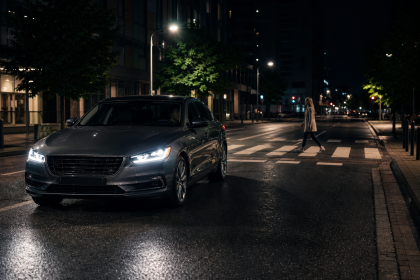
In cities, glare from storefronts, traffic signals, and oncoming headlights often causes the problem. Focus on clean glass, lower speed, and steady lane positioning. Pedestrians and cyclists are also more likely to appear from areas with poor lighting.
Highway driving
On highways, the main issue is often speed combined with limited time to react. If your night driving visibility drops, reduce speed gradually and avoid abrupt lane changes. Watch the taillights of vehicles ahead, but do not follow too closely.
Rural driving
Rural roads are where night driving visibility problems can become most serious. Unlit intersections, animals near the shoulder, and narrow lanes make it important to drive conservatively and be ready to stop.
Bad weather
In rain, fog, or snow, night driving visibility can change quickly. Use the correct lights, reduce speed more than you think necessary, and do not rely on lane markings staying visible. If the road markings disappear completely, it may be safer to stop and wait it out.
When you spot something but cannot judge distance
If an animal, pedestrian, or vehicle appears in the distance but looks farther away than you can reliably judge, keep your speed reduced and prepare to brake early. Use smooth, predictable inputs rather than sudden steering or hard braking.
When glare is coming from behind you
If you are being blinded by vehicles approaching from the rear, verify your rearview mirror position and use night-driving settings if your mirror has them. Keep your headlamp aim correct and avoid speeding so you do not force unsafe reactions from yourself or the driver behind you.
When You Should Stop Driving
There is a point where caution is not enough. If you cannot see clearly enough to identify lane position, judge traffic, or spot hazards in time, continuing is not responsible.
Use clear stop triggers
Stop driving if your night driving visibility is not returning to a safe level, such as when:
- Your windshield remains fogged or streaked
- Your headlights are not working properly
- Glare makes it hard to keep the lane
- Weather is getting worse quickly
- You feel too tired to stay alert
- Your vision is suddenly impaired
- You are making repeated corrections because you cannot track the road
If possible, wait for conditions to improve or arrange another way to finish the trip. There is no advantage to forcing yourself through a situation you cannot safely handle.
Prevention Tips Before Your Next Night Drive
A few habits can make night driving easier before the problem starts. This helps reduce the odds of sudden night driving visibility drops caused by something fixable.
- Clean headlights, windshield, and mirrors regularly
- Replace worn bulbs and wiper blades promptly
- Keep the windshield washer fluid topped up
- Get your vision checked if night driving feels harder than it used to
- Learn how your vehicle’s headlight settings work
- Plan longer trips so you are not driving when fatigued
- Avoid starting a night drive with a dirty or foggy windshield
These are simple measures, but they can make a real difference in how well you see the road. Improving your night driving visibility before you leave also reduces stress and helps you make clearer decisions if visibility worsens later.
FAQ
Why can I see worse at night even if my vision is fine in daylight?
Night driving reduces contrast and increases glare, so hazards are harder to detect even for drivers with normal daytime vision.
Should I use high beams if I cannot see clearly?
Only when the road is empty and high beams are legal and appropriate. In traffic, rain, fog, or snow, they can make visibility worse for other drivers and reduce your usable night driving visibility.
Can a dirty windshield really make night driving harder?
Yes. Dirt, interior haze, and streaks can scatter light and create halos around headlights and streetlights, which lowers night driving visibility.
How do I know if my vision, not my car, is the problem?
If you routinely struggle to see at night despite clean glass, working lights, and good road conditions, an eye exam is worth considering.
Is it better to keep driving slowly or stop?
If slowing down does not restore enough night driving visibility to drive safely, stop. Slow driving helps only when you still have enough visibility to control the car.
Can driver-assistance systems help in low visibility?
They can help with awareness, but they do not replace careful driving. They should be treated as an extra layer, not a substitute for safe habits.
For general guidance on vehicle lighting and driver safety, see the U.S. National Highway Traffic Safety Administration (NHTSA) vehicle safety technology resources.
Conclusion
If you cannot see clearly while driving at night, the right response is to reduce risk immediately, check for simple causes, and stop if the situation does not improve. In many cases, the fix is as basic as cleaner glass, better headlight performance, a slower speed, or a new prescription that restores night driving visibility. In others, the road conditions are simply too poor for safe travel and the better decision is to wait.
The main goal is not to “push through” darkness. It is to keep enough night driving visibility, control, and reaction time to drive responsibly. For drivers who regularly face rural roads or poor-visibility conditions, extra awareness tools can also be part of the discussion, but they should remain supplemental to careful driving and proper vehicle maintenance.