SUV Thermal Night Vision: Must-Have Safety Upgrade for Trucks
Driving a truck or SUV at night can be challenging. Dark roads, poor weather, glare from headlights, and hidden hazards can reduce visibility fast.
- What Is SUV Thermal Night Vision?
- Why Trucks and SUVs Benefit from Thermal Night Vision
- Better Visibility Beyond Headlights
- Helps Detect Pedestrians and Cyclists
- Added Safety for Rural and Off-Road Driving
- Works in Challenging Conditions
- Why It Is a Smart Upgrade for Trucks
- Key Benefits of SUV Thermal Night Vision
- Aftermarket vs. Factory Thermal Night Vision
- What to Look for in an SUV Thermal Night Vision System
- Is SUV Thermal Night Vision Worth It?
- Safety Tips When Using Thermal Night Vision
- Final Thoughts
That is where SUV thermal night vision can make a major difference.
This advanced safety technology helps drivers detect people, animals, vehicles, and obstacles beyond the reach of standard headlights. For truck and SUV owners who drive at night, off-road, or in rural areas, it can be a smart and practical upgrade.
What Is SUV Thermal Night Vision?
SUV thermal night vision is a driver-assistance system that uses thermal imaging to detect heat.
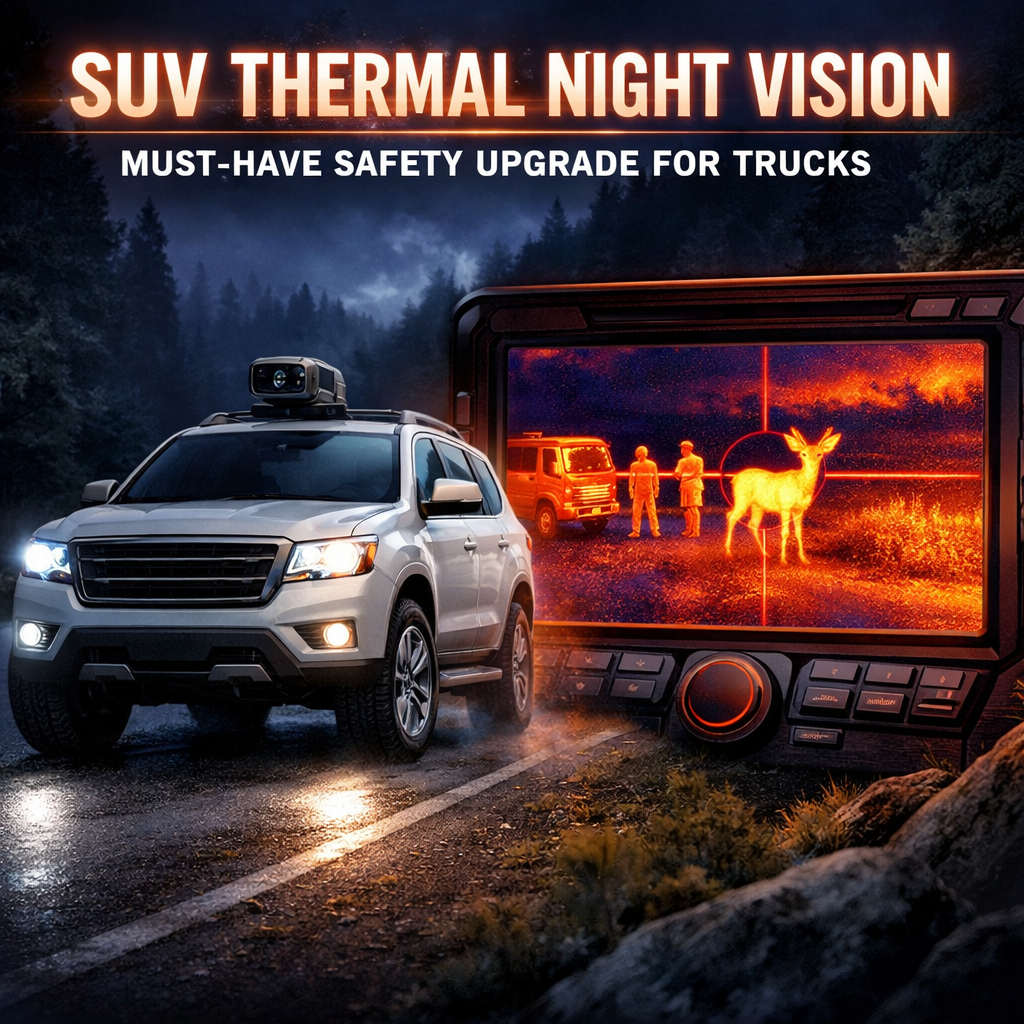
Instead of relying on visible light, thermal cameras sense infrared radiation. This allows the system to “see” heat signatures from:
– Pedestrians
– Cyclists
– Deer and other animals
– Parked or disabled vehicles
– Roadside obstacles
– Engine heat from other vehicles
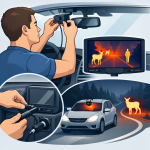
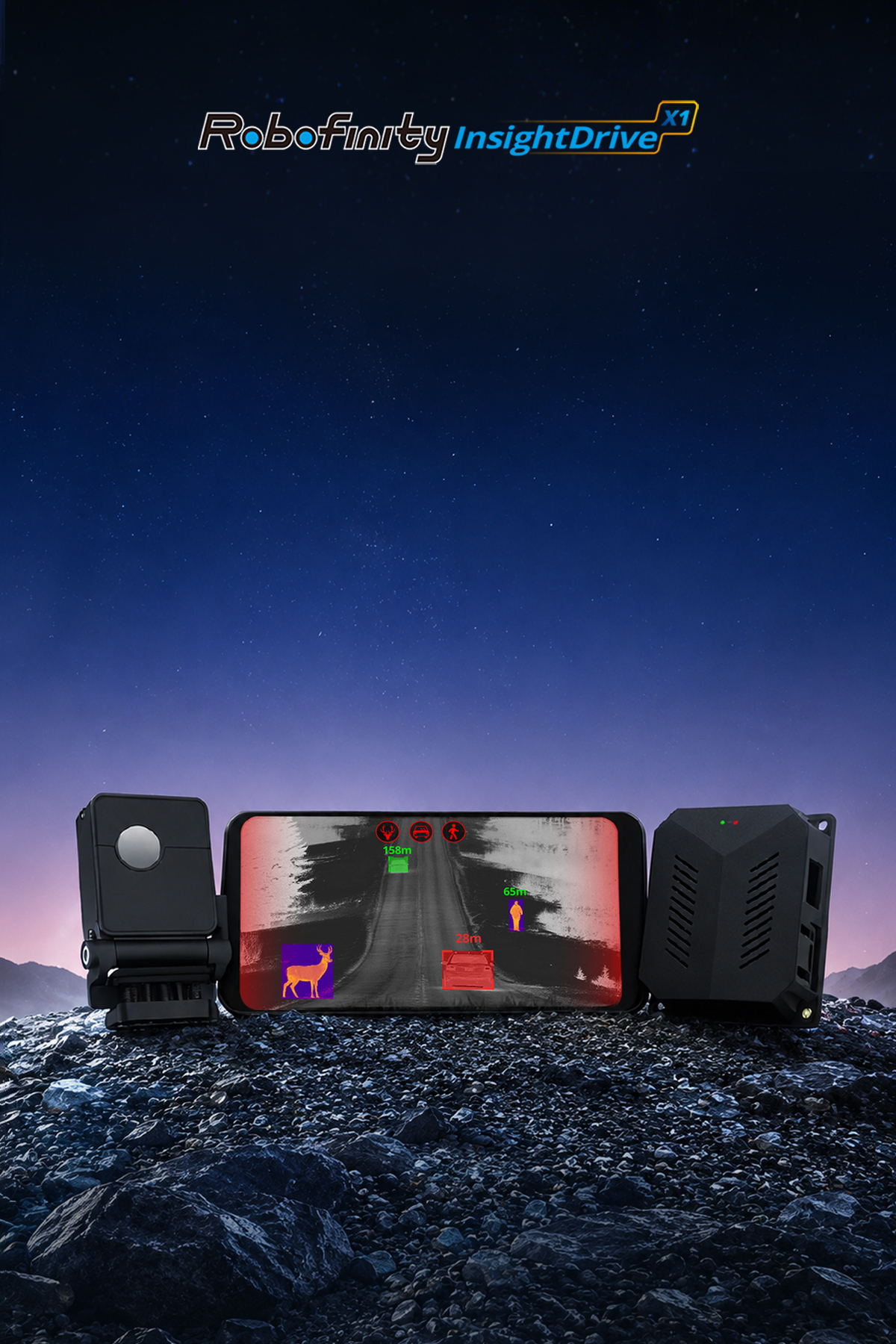
The image is usually displayed on a dashboard screen, rearview mirror display, or dedicated monitor. Some systems can also provide alerts when they detect a potential hazard.
Why Trucks and SUVs Benefit from Thermal Night Vision
Trucks and SUVs are often used in conditions where visibility matters most.
Many drivers use them for:
– Long-distance travel
– Rural commuting
– Camping and overlanding
– Towing
– Job site driving
– Hunting or outdoor recreation
– Off-road adventures
These situations often involve dark roads, unlit trails, and unpredictable hazards.
An SUV thermal night vision system gives drivers another layer of awareness. It helps spot risks early, giving you more time to slow down, steer, or stop.
Better Visibility Beyond Headlights
Even high-quality headlights have limits.
LED and HID headlights can light up the road ahead, but they may not reveal hazards far enough in advance. This is especially true on:
– Curvy rural roads
– Forested routes
– Foggy highways
– Construction areas
– Unlit backroads
– Off-road trails
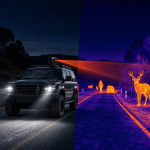
Thermal imaging can detect heat signatures at longer distances than many headlights can illuminate clearly.
That extra visibility can be critical.
For example, a deer standing near the shoulder may blend into the darkness. With thermal vision, its body heat can stand out clearly on the display.
Helps Detect Pedestrians and Cyclists
Pedestrians and cyclists are among the hardest hazards to see at night.
Dark clothing, poor street lighting, rain, and glare can make them nearly invisible until you are very close.
SUV thermal night vision can help identify people sooner by detecting body heat. This can be useful in:
– Residential areas
– Parking lots
– Campgrounds
– Work zones
– Rural communities
– Low-light urban streets
For truck drivers, this is especially important. Larger vehicles need more distance to stop. The sooner you see a hazard, the better your chance of avoiding a crash.
Added Safety for Rural and Off-Road Driving
If you drive outside city limits, animal crossings are a major risk.
Deer, elk, moose, coyotes, and livestock can suddenly appear on the road. At highway speeds, even a small delay in reaction time can be dangerous.
An SUV thermal night vision system can help detect animals before they enter your lane.
This is valuable for drivers who often travel:
– Near wooded areas
– Through farmland
– On mountain roads
– Along desert routes
– On remote highways
– Across off-road trails
Thermal vision is not just about convenience. It can help protect your vehicle, your passengers, and wildlife.
Works in Challenging Conditions
Thermal night vision performs well in many conditions where normal cameras struggle.
It can be useful during:
– Darkness
– Light fog
– Smoke
– Dust
– Glare
– Shadows
– Low-contrast environments
Because thermal systems detect heat rather than visible light, they can reveal objects that standard cameras may miss.
However, it is important to understand the limits. Heavy rain, dense fog, and some glass surfaces can reduce performance. Thermal vision is a support tool, not a replacement for careful driving.
Why It Is a Smart Upgrade for Trucks
Trucks often sit higher than sedans, which gives drivers a better view of the road. But that does not solve every visibility problem.
In fact, larger vehicles can have:
– Longer stopping distances
– Larger blind spots
– Heavier curb weight
– Wider turning paths
– Increased towing demands
When towing a trailer or hauling heavy cargo, reaction time becomes even more important.
SUV thermal night vision can help by giving earlier warning of possible danger. This added awareness can make night driving safer and less stressful.
Key Benefits of SUV Thermal Night Vision
A thermal night vision system can offer several practical benefits.
These include:
– Improved night visibility
Detects heat signatures in dark environments.
– Earlier hazard detection
Helps identify people, animals, and vehicles sooner.
– More confidence while driving
Reduces stress on dark or unfamiliar roads.
– Better off-road awareness
Helps spot wildlife, obstacles, and people near trails.
– Useful support when towing
Gives extra reaction time when stopping distances are longer.
– Enhanced safety in rural areas
Helps detect animals and pedestrians on unlit roads.
Aftermarket vs. Factory Thermal Night Vision
Some luxury vehicles offer factory-installed night vision systems. However, many trucks and SUVs do not come with this feature.
That is why aftermarket SUV thermal night vision systems are becoming more popular.
Factory Systems
Factory systems are built into the vehicle. They may include:
– Dashboard integration
– Driver alerts
– Pedestrian detection
– Automatic highlighting
– Clean OEM appearance
The downside is cost and availability. You may need to buy a high-end trim or luxury model to get it.
Aftermarket Systems
Aftermarket thermal night vision systems can be installed on many trucks and SUVs.
They may include:
– Front-mounted thermal camera
– In-cabin display
– Smartphone or tablet compatibility
– Warning alerts
– Adjustable mounting options
Aftermarket systems are often more flexible. They are a great option if your current vehicle does not offer factory night vision.
What to Look for in an SUV Thermal Night Vision System
Not all systems are the same. Before buying, compare features carefully.
Look for:
– Detection range
A longer range gives you more time to react.
– Image quality
Clearer images make hazards easier to identify.
– Display type
Choose a screen that is easy to see without distraction.
– Alert features
Audio or visual alerts can help draw attention to hazards.
– Weather resistance
The exterior camera should handle rain, dust, mud, and road debris.
– Low-latency video
A fast image feed is important for real-time driving.
– Easy installation
Some systems are simple, while others need professional installation.
– Vehicle compatibility
Make sure the system works with your truck or SUV model.
Is SUV Thermal Night Vision Worth It?
For many drivers, yes.
SUV thermal night vision is worth considering if you often drive at night or in low-visibility areas. It is especially useful for truck and SUV owners who spend time on rural roads, highways, job sites, or trails.
It can be a strong safety upgrade for:
– Families
– Outdoor enthusiasts
– Contractors
– Long-distance drivers
– Farmers and ranchers
– Overlanders
– Towing and hauling drivers
While it will not replace headlights, mirrors, or safe driving habits, it can improve awareness. That extra information may help you avoid a serious accident.
Safety Tips When Using Thermal Night Vision
Thermal vision is powerful, but it should be used correctly.
Keep these tips in mind:
– Do not stare at the display while driving.
– Use it as a support tool, not your main view.
– Keep your windshield and camera lens clean.
– Learn how heat signatures appear on the screen.
– Continue using headlights and proper speed control.
– Slow down in bad weather or unfamiliar areas.
– Check system calibration after installation.
The goal is to improve safety without adding distraction.
Final Thoughts
Night driving can be risky, especially in a truck or SUV. Limited visibility, wildlife, pedestrians, and poor road lighting can all create danger.
SUV thermal night vision gives drivers an added layer of protection. It helps detect heat signatures that headlights may miss. It can also provide earlier warning of hazards on rural roads, highways, and off-road trails.
For truck owners who value safety, confidence, and better nighttime awareness, SUV thermal night vision is more than a high-tech feature.
It is a must-have safety upgrade.