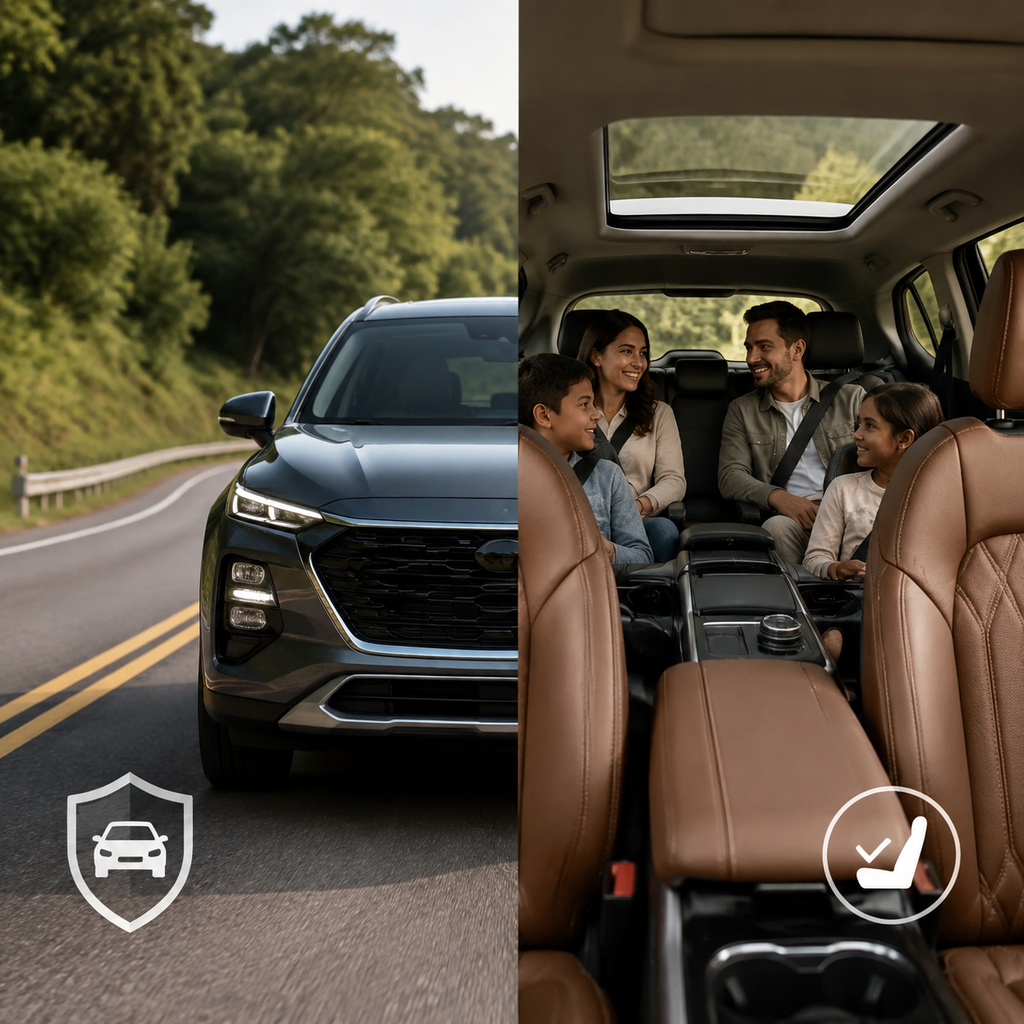
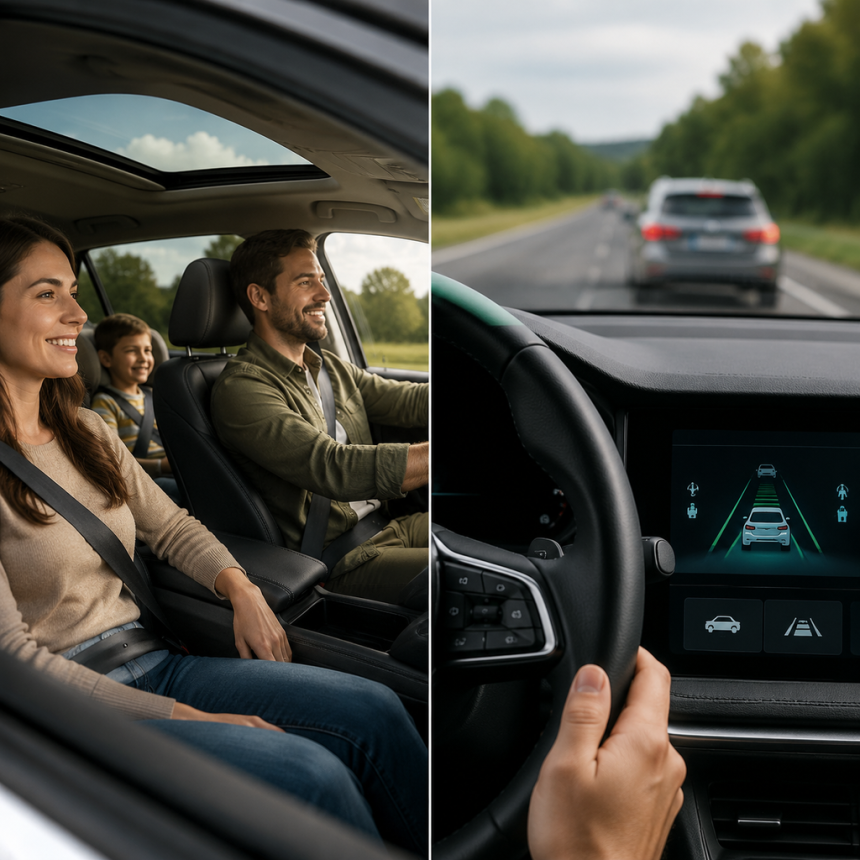
Buying a car often means weighing safety vs comfort, particularly when different trim levels, vehicle sizes, and optional packages compete for a limited budget. The direct answer is that safety should establish the minimum standard for every purchase, while comfort should guide the decision among vehicles that already meet that standard. A comfortable car can reduce fatigue and make daily travel easier, but comfort features should not displace essential crash protection, reliable handling, good visibility, or effective driver-assistance technology.
The practical challenge in comparing safety vs comfort is deciding what qualifies as essential safety, which comfort features genuinely improve driving, and where expensive extras offer diminishing returns. The right balance depends on who will use the vehicle, where it will be driven, how long it will be kept, and which features work well for the actual driver.
Table of Contents