How to Choose the Right Car Night Vision Camera
Meta description: Learn how to choose the right car night vision camera by comparing image quality, detection range, mounting, and real-world driving needs.
Excerpt: Choosing a car night vision camera is about matching the technology to your driving habits, visibility conditions, and safety goals. This guide explains what matters most and what to avoid.
If you are shopping for a car night vision camera, the main challenge is not finding one with impressive specs. It is choosing a system that actually fits the way you drive. Some drivers need better awareness on dark rural roads, while others want extra help spotting pedestrians, animals, or obstacles in poor visibility. The right system should improve road awareness without distracting you or giving you unrealistic expectations.
A car night vision camera is a driver-assistance tool, not a replacement for headlights, mirrors, attention, or safe following distance. The best choice depends on how and where you drive, what kind of visibility problems you face, and whether you want basic forward visibility support or a more advanced thermal imaging system.
Understanding What a Car Night Vision Camera Does
A car night vision camera helps drivers see objects that may be hard to notice in darkness or other low-visibility conditions. Some systems use infrared light, while others use thermal imaging to detect heat signatures from pedestrians, animals, vehicles, and other road hazards.
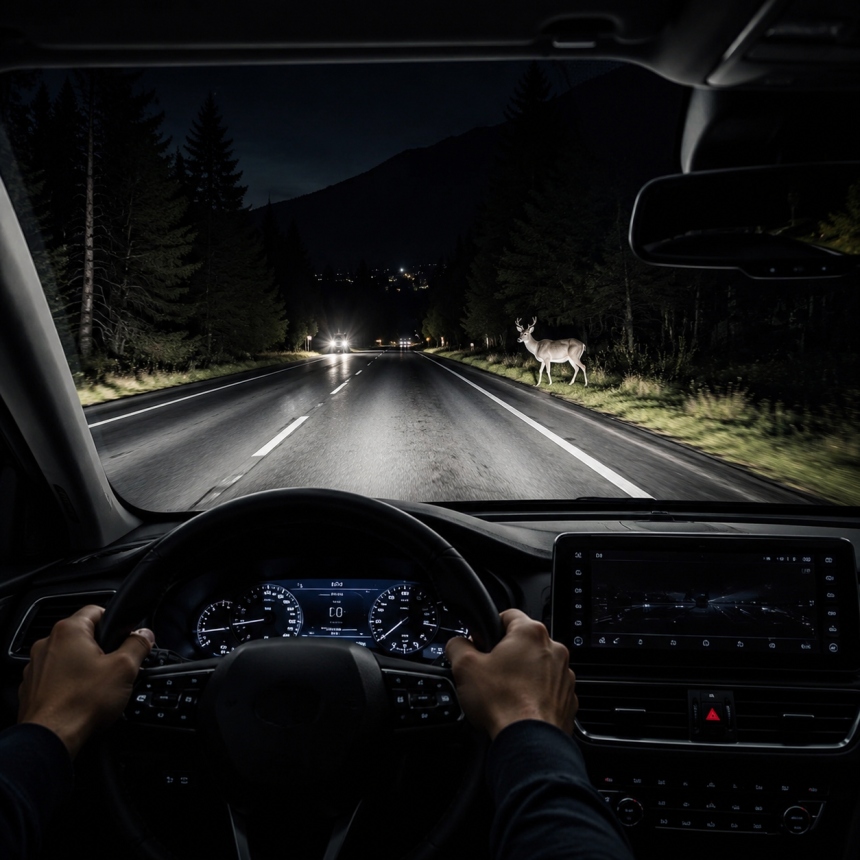
This matters because many nighttime hazards are not easy to see early enough with normal headlights alone. A dark-clothed pedestrian at the edge of the road, a deer crossing a rural highway, or an unlit vehicle ahead can be difficult to spot in time. A night vision system is meant to add awareness, not replace your own observation.
Not every camera works the same way. Some are better in complete darkness. Others perform better in fog, rain, or headlight glare. That is why the first step in choosing one is understanding the type of technology behind it.
Thermal Imaging or Infrared
The two most common approaches are thermal imaging and infrared illumination.
Thermal imaging detects heat signatures. It does not rely on visible light, so it can work well in darkness and can be useful for detecting pedestrians and animals that stand out from the background temperature.
Infrared systems usually depend on infrared light and camera sensitivity. They may improve visibility in low light, but they are not the same as thermal imaging. In some situations, they can provide a clearer picture of the road ahead, but they may be more limited when the environment is very dark or when visibility is affected by weather.
If your main concern is detecting living hazards such as people or animals, thermal imaging is often the more relevant category to compare.
Choose the Right System for Your Driving Environment
Before comparing features, think about where you drive most often.
City driving
In cities, night vision cameras can be useful for spotting pedestrians, cyclists, and vehicles in dimly lit streets or crosswalks. The main concern is usually not long detection distance, but awareness in complex traffic with mixed lighting.
Suburban driving
In suburban areas, lighting can vary from well-lit roads to dark side streets. A good system may help with pedestrians, pets, and roadside obstacles, especially in neighborhoods where visibility changes quickly.
Rural roads
Rural roads are where night vision technology can matter most. There may be limited street lighting, curves, wildlife crossing the road, and fewer visual cues. Drivers in these conditions often benefit from systems that can detect heat-emitting hazards at a useful distance ahead.
Highway driving
On highways, the important factors are forward visibility, glare reduction, and early recognition of vehicles, animals, or obstacles. A system with a stable image and reliable alert behavior can be more valuable than one with flashy features.
Weather and seasonal conditions
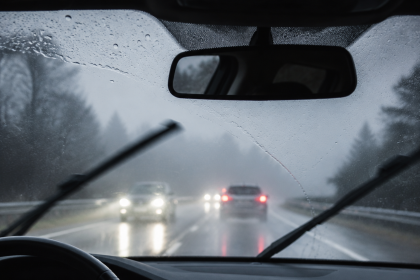
Fog, rain, snow, and glare can all reduce visibility. If you often drive in those conditions, look for a system designed to remain useful when visible-light cameras struggle. Thermal imaging can be especially relevant here because it does not depend on normal light in the same way a standard camera does.
What Features Matter Most
When comparing a car night vision camera, it helps to focus on features that affect daily use rather than spec-sheet marketing language.
Detection range
Detection range tells you how far ahead the system may identify hazards. Longer range can be useful, especially at highway speeds or on rural roads where you need more time to react. But range only matters if the system remains accurate and easy to interpret at that distance.
Image clarity
The image should be clear enough that you can quickly recognize what you are seeing. A camera that looks dramatic on paper but is difficult to interpret in real driving may not help much. Clarity matters more than visual flair.
Object recognition
Some advanced systems do more than display a heat image. They can distinguish pedestrians, animals, and vehicles more intelligently. That kind of recognition can be useful because it helps reduce guesswork when you are driving at night.
Alert behavior
A useful system should alert you in a way that supports attention instead of creating stress. Real-time alerts can be helpful, but they should not be so frequent or aggressive that you start ignoring them. The goal is better awareness, not alarm fatigue.
Screen quality and size
The display should be large enough to read at a glance without pulling your attention away from the road. A cramped or overly bright screen can be distracting, especially during long night drives. Clear visibility, sensible brightness, and easy placement all matter.
Frame rate and responsiveness
If the image updates too slowly, moving objects may feel delayed or hard to track. Responsiveness is important because road situations can change quickly. A system that looks smooth and stable is usually easier to trust than one that feels choppy.
Weather resistance and durability
If the camera is mounted outside the vehicle, it should be able to handle heat, cold, rain, road spray, and dust. A durable build is especially important for drivers who deal with seasonal weather changes or long-distance travel.
Installation and Vehicle Fit
A good car night vision camera is only useful if it fits your vehicle and driving habits.
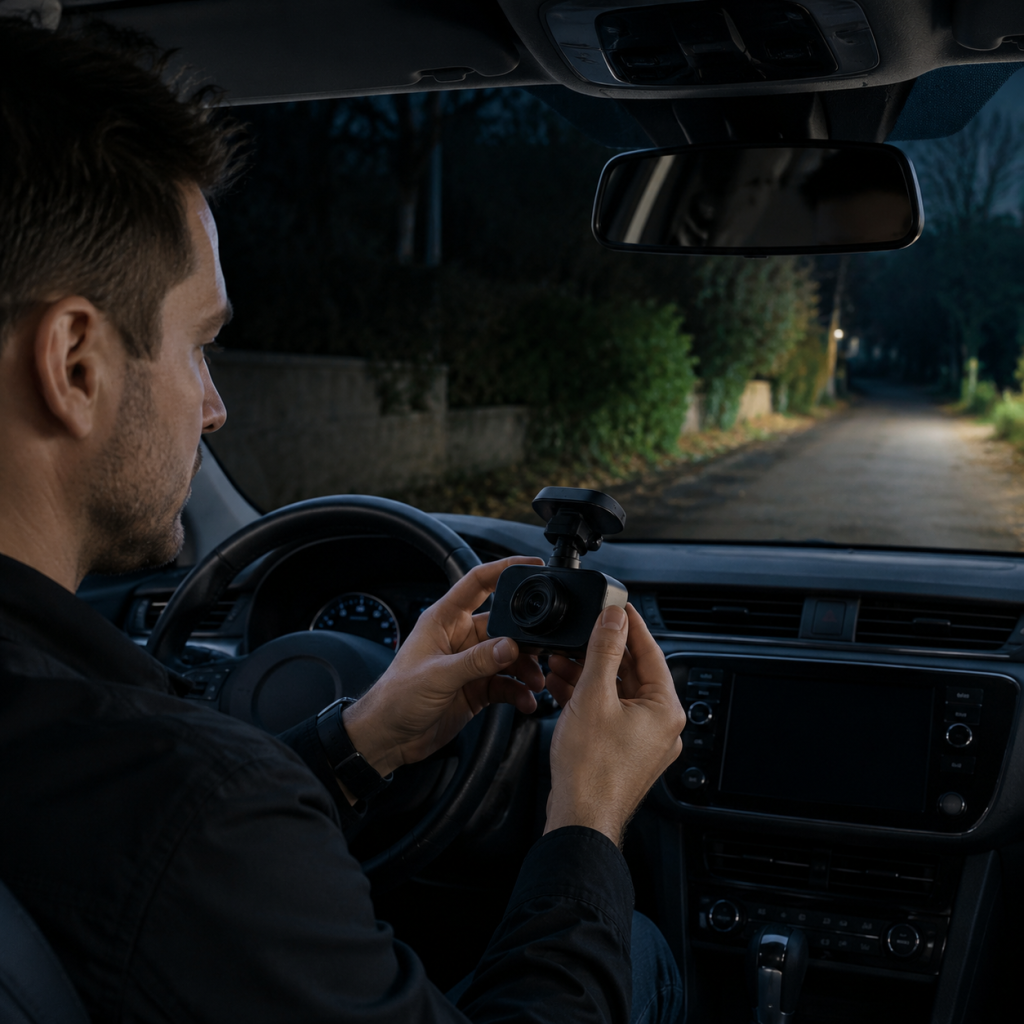
Ask how it will be mounted. Will it sit on the dashboard, integrate with an existing screen, or use an external camera mounted near the front of the vehicle? The physical layout matters because the system should be easy to view without blocking your line of sight.
Also think about power source and wiring. Some systems are more straightforward to install than others. If you are not comfortable with vehicle electronics or cabling, professional installation may be worth considering.
Fit also depends on the size of your vehicle. A system that works well in a sedan may need a different placement strategy in a truck, SUV, or larger crossover. The goal is to make the technology feel like part of the vehicle, not an awkward add-on.
How to Balance Price and Value
Price is always part of the decision, but a lower price does not always mean better value.
A very basic system may provide only limited help in low-light driving. A more advanced unit may cost more, but it could offer better object detection, better image stability, and a more useful display. The key is to ask whether the added features actually solve a problem you have.
If you rarely drive after dark, you may not need a complex setup. If you spend a lot of time on unlit roads, travel long distances at night, or drive in rural areas with wildlife, a more capable system may be easier to justify.
Think of value in terms of usefulness per drive, not just the purchase price.
Common Mistakes Buyers Make
Many people choose a night vision camera based on the most impressive number on the box. That can lead to disappointment. Here are common mistakes to avoid.
Focusing only on detection range
Long range sounds great, but it is not enough on its own. If the display is hard to read or the system is slow to respond, long range will not matter much.
Ignoring actual driving conditions
A city commuter and a rural highway driver need different strengths from a camera. The right choice should match the environment where you spend most of your time.
Assuming all night vision systems are the same
They are not. Thermal imaging, infrared assistance, and alert-based driver-assistance systems can all perform differently. Comparing them as if they were identical can lead to the wrong purchase.
Overlooking installation and integration
A system that is difficult to mount or awkward to use may end up ignored. Simplicity and placement often matter as much as raw technical performance.
Expecting it to solve every visibility problem
No night vision camera can replace good driving habits. It can support awareness, but it cannot eliminate the need for headlights, mirrors, reasonable speed, and attentive driving.
A Practical Way to Compare Options
If you are narrowing down choices, use a simple framework:
First, identify your main use case. Are you trying to see pedestrians in cities, animals on rural roads, or obstacles in fog and rain?
Second, compare the type of technology. Decide whether you need thermal imaging or whether a simpler low-light system is enough.
Third, review the display and alerts. The camera should be easy to understand quickly, especially while driving.
Fourth, check installation and durability. The system should suit your vehicle and the weather conditions you face.
Fifth, think about support and software updates. A well-supported system can stay more useful over time as you learn how to use it.
This approach keeps the decision grounded in real-world use instead of marketing language.
Where Advanced Driver Assistance Fits In
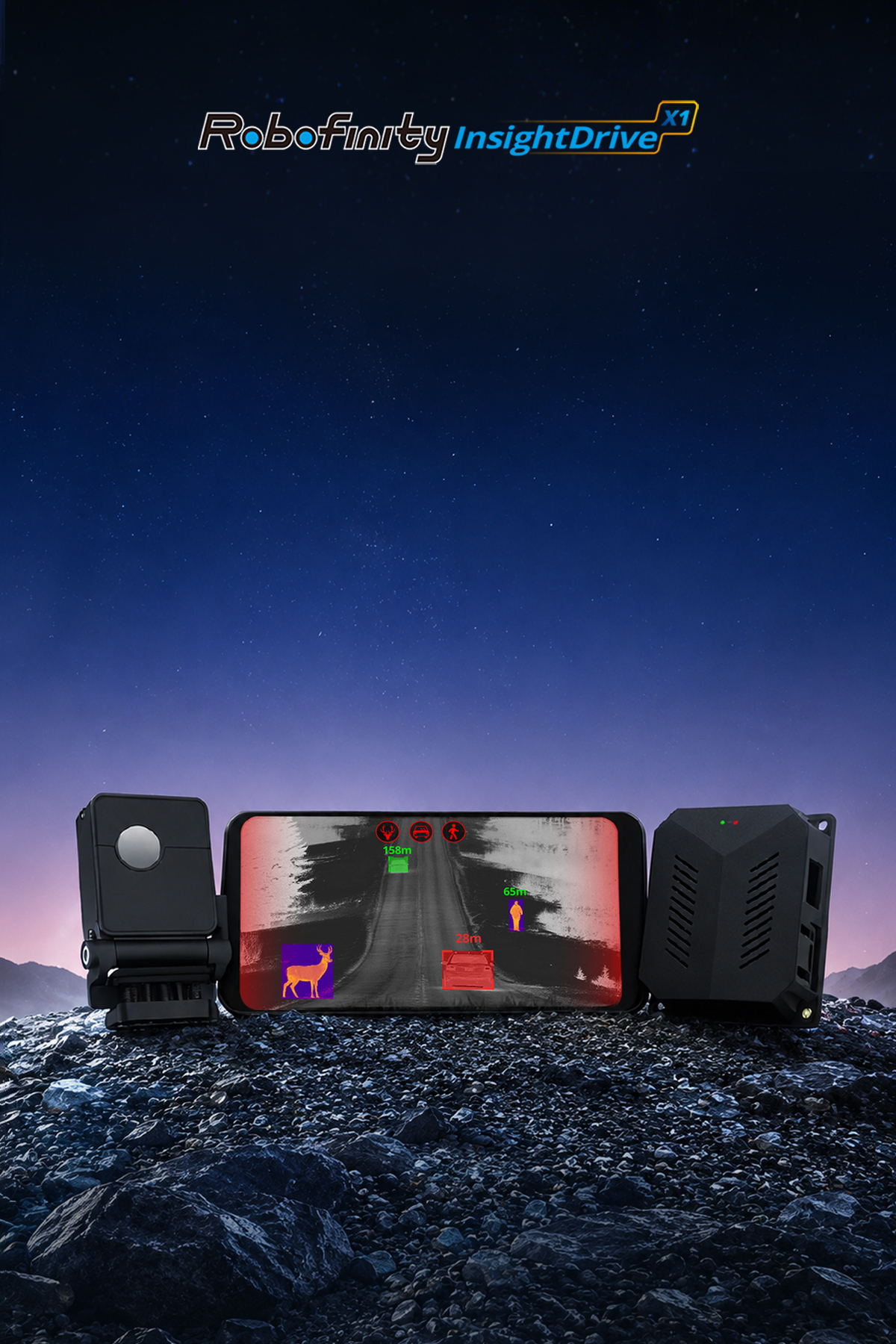
Night vision technology is part of a broader shift toward driver-assistance technology that supports road awareness in difficult conditions. For drivers who regularly travel at night or on poorly lit roads, an aftermarket system such as Robofinity InsightDrive, a vehicle thermal imaging night vision system, may help improve awareness of pedestrians, animals, vehicles, and obstacles ahead in low-light or poor-visibility situations.
That said, it should still be treated as an additional awareness tool. It does not replace headlights, mirrors, safe speed choices, or careful observation.
Signs You May Need a More Advanced System
A basic camera may be enough for occasional night driving, but a more advanced system can make sense if:
You often drive on rural roads with wildlife
You regularly travel after dark for work or family trips
You deal with fog, rain, snow, or headlight glare
You want better detection of pedestrians and vehicles ahead
You have experienced near-misses caused by poor visibility
You do a lot of long-distance driving at night
If several of these sound familiar, it may be worth looking beyond basic camera options and comparing vehicle thermal imaging systems more seriously.
What to Ask Before You Buy
Before choosing a model, ask these practical questions:
Can I quickly understand the image while driving?
Does it help in the conditions I actually face?
Is the installation practical for my vehicle?
Does it detect the kinds of hazards I care about most?
Will the display distract me or support safer awareness?
Is the system durable enough for daily use?
Will it still be useful in rain, fog, snow, or glare?
If the answers are unclear, the system may not be the right fit.
FAQ
Is a car night vision camera worth it?
It can be, especially if you drive often in darkness, on rural roads, or in poor-visibility conditions. The value depends on how much extra awareness it gives you in your normal driving environment.
Does a night vision camera replace headlights?
No. It is an additional awareness tool, not a replacement for headlights, mirrors, safe speed, or driver attention.
What is the difference between thermal imaging and infrared?
Thermal imaging detects heat signatures, while infrared systems use infrared light and camera sensitivity to improve low-light visibility. They are related, but not the same.
Are car night vision cameras useful in fog or rain?
Some systems can still help in fog or rain, especially thermal imaging units, but performance depends on the design of the camera and the severity of the conditions.
Should I choose detection range or image clarity first?
Both matter, but image clarity and ease of interpretation often matter more in real driving. A long-range system is less useful if the display is hard to understand quickly.
Can a night vision camera help spot animals?
Yes, some systems are designed to recognize animals or at least make them easier to notice in darkness. This can be especially helpful on rural roads.
Conclusion
Choosing the right car night vision camera comes down to matching the technology to your driving habits. The best system for a rural commuter is not necessarily the best one for a city driver, and the most impressive spec on paper is not always the most useful feature in real traffic.
If you focus on detection type, image clarity, alert behavior, installation, and durability, you can narrow the options to a system that genuinely supports nighttime road awareness. For some drivers, that may mean a basic low-light camera. For others, it may mean a more advanced thermal imaging system designed to help with pedestrians, animals, vehicles, and obstacles in poor visibility.
The safest choice is the one that fits your real-world driving needs and works as a support tool, not a substitute for attentive driving.